مقارنة مقاومة التآكل في قضبان الألمنيوم المبثوقة؟
تصدأ العديد من الأجزاء المعدنية أو تتآكل عند تعرضها للرطوبة أو الهواء المالح. يمكن لهذه المشكلة تقصير العمر الافتراضي وزيادة تكلفة الصيانة. يمكن أن يؤدي اختيار سبيكة الألومنيوم والتصميم والتشطيب المناسبين إلى حل مشكلة التآكل وإطالة العمر الافتراضي.
تختلف سبائك الألومنيوم في مقاومة التآكل. فبعضها يقاوم الرطوبة والملح والطقس بشكل أفضل بكثير. ومع استخدام السبيكة والطلاء الصحيح والتصميم الدقيق، يمكن أن تدوم الأجزاء المبثوقة لسنوات عديدة حتى في الظروف القاسية.
أستكشف أدناه أي السبائك تقاوم التآكل بشكل أفضل، وكيف يؤثر الهواء المالح الساحلي على البثق وما إذا كان الطلاء قادرًا على منع التآكل بشكل كامل وما الاختبارات والمعايير التي تثبت المتانة الحقيقية. تابع القراءة للحصول على التفاصيل.
ما هي السبائك التي توفر أفضل مقاومة للتآكل؟
سبائك الألومنيوم ليست كلها متساوية عندما يتعلق الأمر بمقاومة التآكل. فبعضها يتحمل الرطوبة والملح والوقت أفضل بكثير من غيرها.

تُظهر معظم السبائك في السلسلتين 5xxx و6xxx مقاومة جيدة للتآكل. تقاوم السبائك مثل 5052 و6063 و6061 الصدأ والأكسدة في العديد من الظروف. تظل مستقرة بمرور الوقت في الرطوبة المعتدلة أو الهواء الرطب.
غالبًا ما تستبدل السبائك عالية القوة، مثل بعض السبائك في مجموعة 7xxx، مقاومة التآكل مقابل القوة. فقد تتآكل بشكل أسرع إذا تعرضت للرطوبة أو الملح. وهذا يجعلها أقل ملاءمة للاستخدامات الخارجية أو الرطبة دون حماية قوية.
فيما يلي مقارنة بين سبائك الألومنيوم الشائعة ومقاومتها النموذجية للتآكل:
| سبيكة | السلسلة | مقاومة التآكل | التطبيقات النموذجية |
|---|---|---|---|
| 5052 | 5xxx | مرتفع - جيد للهواء الرطب أو المالح | القطع البحرية، التركيبات الخارجية |
| 6063 | 6xxx | عالية - توازن جيد بين القوة ومقاومة العوامل الجوية | إطارات النوافذ، والبثق المعماري |
| 6061 | 6xxx | متوسط-عالي - الاستخدام الهيكلي مع التعرض المعتدل | الملامح الهيكلية والإطارات |
| 6060 | 6xxx | متوسطة - للأغراض العامة والاستخدام الهيكلي الخفيف | إطارات خارجية عامة |
| 6082 | 6xxx | متوسط-عالي - الملامح الصناعية مع بعض الانكشاف | الإطارات الصناعية والمباني الصناعية |
| 7075 | 7xxx | منخفض - قوي ولكن ليس جيدًا تحت ضغط التآكل | الأجزاء عالية الإجهاد، الاستخدام الداخلي |
حتى مع وجود سبيكة جيدة، فإن التصميم مهم. يحتاج العمر التشغيلي الطويل أيضًا إلى أشكال تتجنب مصائد المياه، أو الشقوق الحادة، أو الوصلات المعقدة التي تستقر فيها المياه. يجب أن تسمح الثقوب أو التجاويف أو التجاويف بالتصريف. يمكن أن يؤدي التصنيع الآلي أو الحفر بعد البثق إلى اضطراب الأكسيد الواقي. وهذا يقلل من مقاومة التآكل.
وبالتالي بالنسبة للاستخدام الخارجي أو الساحلي أو الرطب، توفر سبائك مثل 5052 أو 6063 أفضل مزيج من المقاومة والتطبيق العملي. 6061 جيد عندما تكون القوة مهمة ولكن التعرض محدود. تحتاج السبائك عالية القوة مثل 7075 إلى تدابير وقائية قوية أو للاستخدام الداخلي فقط.
توفر سبائك الألومنيوم 5052 مقاومة أفضل للتآكل من 7075 في البيئات الرطبةصحيح
تحتوي 5052 على عناصر سبائك أقل وبنية أكثر ثباتًا، لذا فهي تقاوم الرطوبة والتآكل الملحي بشكل أفضل من 7075.
يمكن للسبائك 7075 أن تقاوم التآكل مثلها مثل 6063 في البيئات الخارجية بدون طلاء واقٍخطأ
يتميز 7075 بمقاومة منخفضة للتآكل؛ فبدون طلاء يتآكل أسرع من 6063 في الظروف الرطبة أو المالحة.
كيف تؤثر البيئات الساحلية على الأجزاء المبثوقة؟
يجلب الهواء الساحلي الملح والرطوبة والرياح وحتى رذاذ الملح. تتحدى هذه البيئة الأجزاء المعدنية. يسرع الملح من التآكل أكثر من المطر العادي أو الرطوبة. تستقر بلورات الملح على الأسطح. إنها تحتفظ بالرطوبة. وهذا يساعد على بدء التآكل وانتشاره. حتى سبائك الألومنيوم المقاومة يمكن أن تتأثر بمرور الوقت إذا تعرضت للتآكل باستمرار.

يحمل رذاذ الماء المالح أو نسيم البحر أيونات الكلوريد. تكسر هذه الأيونات طبقات الأكسيد الواقية على الألومنيوم. بمجرد أن تنكسر الطبقة، يصبح المعدن الموجود تحتها ضعيفاً. قد تظهر على الأجزاء الساحلية تنقير أو خشونة السطح بعد مرور بعض المواسم. إذا كان التصميم يتضمن مقاطع أو وصلات مجوفة، فقد يتجمع الملح والرطوبة. وهذا يجعل التآكل أسرع هناك. خاصة داخل التجاويف أو الوصلات الضيقة. قد تظهر المشاكل أولاً مخفية داخل التجاويف.
كما أن التلامس مع المعادن غير المتشابهة (مثل البراغي أو المثبتات الفولاذية) يجعل التآكل الجلفاني أكثر احتمالاً تحت الماء المالح. عندما يلامس الألومنيوم الفولاذ في الظروف المالحة، يعمل الألومنيوم كأنود. يتآكل بشكل أسرع بينما يكون الفولاذ محميًا. وهذا يعني أنه يجب على المصممين عزل المعادن أو استخدام مثبتات متوافقة.
الملح ثابت. قد تكون هناك حاجة حتى للغسيل بالماء العذب بانتظام لإزالة رواسب الملح. إذا تُركت الأجزاء دون لمسها لأشهر، فقد يحدث تآكل تحت الطلاء أو في الزوايا المخفية. وهذا يقلل من العمر الافتراضي وربما القوة الهيكلية. حتى بالنسبة للسبائك البحرية.
الصيانة مهمة جدًا: الشطف المنتظم، والفحص، وتصميم الصرف، واستخدام أدوات التثبيت المناسبة. بدون ذلك، تظل مخاطر التآكل عالية. لذا فإن استخدام سبيكة مقاومة للتآكل وحدها لا يكفي في المناطق الساحلية. يحتاج المرء إلى سبيكة وطلاء جيد وتصميم ذكي وصيانة.
يؤدي الهواء المالح والرطوبة بالقرب من الساحل إلى تسريع تآكل أجزاء الألومنيوم المبثوقة حتى لو كانت السبيكة تتمتع بمقاومة جيدة للتآكلصحيح
يزيد الملح من معدل التآكل ويلحق الضرر بطبقة الأكسيد، مما يجعل حتى الألومنيوم المقاوم عرضة للتآكل في ظل التعرض الساحلي.
لا تحتاج أجزاء الألومنيوم المبثوقة إلى صيانة عند استخدامها بالقرب من البحر إذا كانت السبيكة مقاومة للتآكلخطأ
حتى السبائك المقاومة يمكن أن تتآكل حتى في حالة التعرض للملح إذا بقيت رواسب الملح أو الرطوبة؛ وتبقى الصيانة ضرورية.
هل يمكن للطلاءات السطحية أن تمنع التآكل بشكل كامل؟
تساعد الطلاءات السطحية. فهي تضيف حاجزًا بين المعدن والبيئة. تشمل الطلاءات الشائعة الطلاء بأكسيد الألومنيوم أو الطلاء بالمسحوق أو الطلاء أو الختم. هذه تساعد كثيرًا. فهي تقلل من التلامس المباشر مع الملح والماء والهواء. وهذا يطيل عمر الأجزاء المبثوقة.
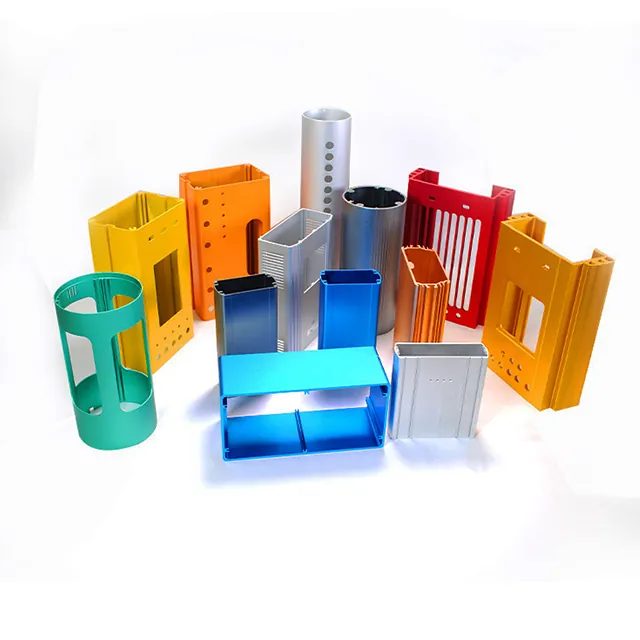
تخلق عملية الأنودة طبقة رقيقة من الأكسيد تترابط مع الألومنيوم. هذه الطبقة هي جزء من سطح المعدن، وليست مجرد طلاء. وهي تقاوم الرطوبة والملح والخدوش بشكل أفضل من الطلاء وحده. يضيف طلاء المسحوق أو الطلاء سمكاً ولوناً. فهي تمنع الهواء والرطوبة من الوصول إلى المعدن. قد يحسن الطلاء الداكن أيضاً من انبعاث الحرارة، ولكن النقطة الأساسية هي الحماية من التآكل.
فيما يلي نظرة سريعة على خيارات التشطيبات الشائعة ودور الحماية التي توفرها:
| نوع التشطيب | مستوى الحماية | الإيجابيات | السلبيات |
|---|---|---|---|
| مؤكسد (طبيعي) | عالية | أكسيد متين، مقاوم للرطوبة | خيارات ألوان أقل |
| مؤكسد (ملون) | عالية | المتانة نفسها + اللون نفسه | زيادة طفيفة في التكلفة |
| طلاء المسحوق | متوسط-عالي | اللون، تغطية موحدة اللون | يمكن أن تتشقق أو تخدش |
| طلاء الطلاء | متوسط | العديد من خيارات الألوان | أقل متانة وعرضة للتلف |
| لا شيء (خام) | منخفضة | الأرخص | عرضة للتآكل |
الطلاء يساعد. لكن الطلاءات ليست سحرية. فقد تتعرض للخدش أو التشقق أو التآكل بمرور الوقت. قد يؤدي التلف الميكانيكي أو رش الملح المستمر إلى كسر حاجز الطلاء. بمجرد تشقق الحاجز، يمكن أن يصل الملح والرطوبة إلى الألومنيوم ويبدأ التآكل. في الأجزاء المغلقة أو المجوفة، قد يختفي التآكل تحت الطلاء. قد يضعف ذلك الجزء قبل ظهور العلامات المرئية.
كما أن جودة الطلاء مهمة أيضًا. يقلل الالتصاق الضعيف أو الطلاء الرقيق أو البقع المفقودة (داخل الأخاديد والزوايا) من الحماية. بعد التصنيع الآلي، تكون حواف الطلاء ضعيفة. يحتاج ذلك إلى معالجة وفحص دقيقين.
لا يمكن للطلاء وحده ضمان المناعة ضد التآكل بشكل كامل. تجمع أفضل الممارسات بين السبيكة المقاومة للتآكل، والطلاء الجيد، والتصميم الذكي لتجنب مصائد المياه، والمثبتات المقاومة للماء أو العزل عن المعادن الأخرى، والصيانة الدورية مثل شطف الملح وفحص التلف وإعادة الطلاء إذا لزم الأمر.
يوفر بثق الألومنيوم المؤكسد حماية متينة من التآكل أفضل من الطلاء وحدهصحيح
تشكّل عملية الأنودة طبقة أكسيد تترابط مع الألومنيوم وتقاوم الملح والرطوبة والتآكل بشكل أفضل من الطلاء الذي يمكن أن يتشقق أو يتقشر.
بمجرد أن يتم طلاء الألومنيوم بأكسيد الألومنيوم أو طلائه بأكسيد الألومنيوم، يمكن تجاهل التآكل تمامًاخطأ
يمكن أن يتحلل الطلاء أو يخدش أو يتآكل؛ ويمكن أن يصل الملح أو الرطوبة إلى المعدن الموجود تحت الطلاء خاصة في المناطق المخفية أو التالفة؛ وتبقى الصيانة المستمرة ضرورية.
ما هي معايير تقييم متانة التآكل؟
للثقة في ادعاءات التآكل، تستخدم الصناعة اختبارات قياسية. تحاكي هذه الاختبارات الظروف القاسية في المختبر أو الحقل. حيث يتم تعريض العينات لرذاذ الملح والرطوبة ودورات الرطوبة والجفاف والهواء الحمضي أو الملوث. ثم يتم تقييم الصدأ أو التنقر أو التصاق الطلاء أو التغير الهيكلي. تساعد النتائج في مقارنة السبائك والطلاءات والتشطيبات.

فيما يلي المعايير والاختبارات الشائعة لبثق الألومنيوم:
| اختبار/معيار | ما يحاكيه | الغرض |
|---|---|---|
| ASTM B117 / ISO 9227 (رش الملح) | ضباب الملح على مدار ساعات طويلة | محاكاة التعرض للملح البحري/الساحلي |
| ASTM D2247 (الرطوبة) | دورات الرطوبة العالية | اختبار مقاومة الرطوبة في المناخات الرطبة |
| معيار ASTM D1654 / ISO 4628-2 | صدأ الطلاء وتصنيف الالتصاق | فحص الأسطح المطلية تحت الضغط |
| ASTM D3359 (الالتصاق) | النتيجة + اختبار الالتصاق بالشريط اللاصق | التحقق من التصاق الطلاء أو مسحوق الطلاء |
| ISO 7599 (جودة الأنودة) | سماكة الطبقة المؤكسدة وختمها | التأكد من أن طبقة الأكسيد مناسبة ومغلقة بإحكام |
غالبًا ما يقدم المصنعون تقارير اختبار توضح ساعات من رش الملح دون صدأ أو تنقر، ومعدلات التصاق الطلاء، ونتائج التعرض للرطوبة. تساعد التقارير الجيدة في اختيار البثق المناسب للبيئة.
بدون بيانات الاختبار، لا تعني ادعاءات مثل "من الدرجة البحرية" أو "مقاوم للملوحة" إلا القليل. تساعد البيانات الحقيقية في تقييم المخاطر وجدولة الصيانة. على سبيل المثال، قد يُظهر اختبار رش الملح الحاجة إلى شطف الأجزاء كل بضعة أشهر أو إعادة الطلاء كل بضع سنوات.
في الممارسة العملية، بالنسبة للتركيبات الخارجية أو الساحلية الحرجة، تتطلب تقرير اختبار. تحقق من السبيكة والتشطيب وعملية الطلاء ونتائج الاختبار. وهذا يعطي الثقة في المتانة على المدى الطويل.
اختبار رذاذ الملح ASTM B117 هو طريقة قياسية لتقييم مقاومة الألومنيوم للتآكل بالبثق للاستخدام الساحليصحيح
تقوم ASTM B117 بتعريض العينات للضباب الملحي في ظل ظروف محكومة وتكشف مدى مقاومة السبيكة والطلاء للتآكل الناتج عن الملح.
إن اجتياز اختبار الرطوبة وحده يضمن أن يدوم بثق الألومنيوم لسنوات عديدة في البيئة الساحلية المالحةخطأ
لا يتضمن اختبار الرطوبة التعرض لكلوريد الملح؛ حيث يضيف رذاذ الملح الساحلي أيونات الكلوريد التي تسرع التآكل، لذا فإن اختبار الرطوبة وحده غير كافٍ.
الخاتمة
يقاوم بثق الألومنيوم التآكل بشكل أفضل عند استخدام سبائك مثل 5052 أو 6063، بالإضافة إلى الطلاء والتصميم المناسب لتجنب مصائد المياه والصيانة الدورية. بالنسبة للمناطق الساحلية أو المناطق الرطبة، اعتمد على السبائك المختبرة، والطلاءات عالية الجودة، والتصميم الجيد، وإجراءات الفحص الروتينية لضمان عمر افتراضي طويل.