كيفية ربط قطعتين من الألمنيوم المبثوق معًا؟
عند ربط قضبان الألمنيوم المبثوقة، قد تواجه مشاكل مثل ضعف الوصلات أو عدم محاذاة الأجزاء أو تعقيد عملية التصنيع. سأساعدك على معرفة كيفية اختيار الطريقة المناسبة وتطبيقها.
يمكنك ربط قضبان الألمنيوم المبثوقة باستخدام أدوات التثبيت الميكانيكية أو المواد اللاصقة أو الموصلات المتخصصة — ويعتمد الاختيار الأمثل على اتجاه الحمل ومتطلبات المحاذاة ومتطلبات القوة.
والآن دعونا نستعرض الأسئلة الرئيسية التي ستطرحها عند تصميم أو اختيار وصلة بين قطعتين من الألومنيوم المبثوق، ونتعمق في كل منها.
ما هي خيارات التثبيت التي تربط بين مقطعين جانبيين؟
يواجه العديد من المصممين صعوبة في الاختيار بين البراغي، أو الدعامات، أو الحشوات، أو المواد اللاصقة عند ربط القضبان المقذوفة.
تشمل خيارات التثبيت الشائعة أنظمة البراغي والصواميل، والأقواس الزاوية، والموصلات الداخلية، والمواد اللاصقة، حيث يناسب كل منها حالات استخدام مختلفة لمقاطع الألمنيوم المبثوقة.
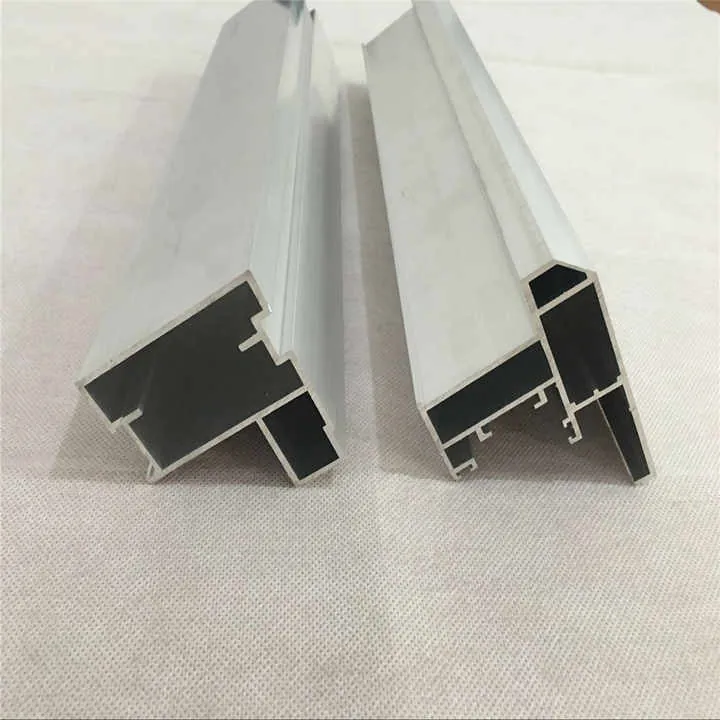
عند ربط مقطعين من الألومنيوم المبثوق، فإنك تريد أن يتحمل الوصلة الحمل، وأن تظل محاذاة، وأن تتجنب إعادة العمل المفرطة، وأن تتناسب مع نظام التصنيع الخاص بك. وفيما يلي جدول يلخص خيارات التثبيت الرئيسية:
| الخيار | الوصف | المزايا / الاعتبارات |
|---|---|---|
| المسمار والصمولة على شكل حرف T (الصمولة المشقوقة) | استخدام صامولة على شكل حرف T داخل الفتحة ومسمار لربط مقطعين جانبيين | تتميز بتصميم معياري للغاية؛ وسهلة التعديل؛ وشائعة الاستخدام في أنظمة الشقوق على شكل حرف T |
| قوس زاوي / لوحة زاوية | حامل خارجي يتم تثبيته بمسامير على جانبي كل مقطع | مناسبة للمفاصل ذات الزاوية الثابتة؛ بسيطة؛ قد تضيف سماكة إضافية |
| موصل داخلي (أسطواني، مشبك) | موصل مخفي يتم إدخاله في طرف المقطع أو جانبه | تصميم أنيق؛ متين إذا تم تصميمه بشكل صحيح؛ قد يتطلب تصنيعًا آليًّا أو فتحة وصول |
| الربط بالمادة اللاصقة | استخدم لاصقًا هيكليًّا بين القطع المقولبة | لا تتطلب ثقوبًا ميكانيكية؛ مناسبة للأسطح الملساء أو الوصلات الجمالية؛ تعتمد المتانة على تحضير السطح ونوع المادة اللاصقة |
| تقنيات اللحام / الانصهار | قطع مبثوقة ملحومة (نادرة الاستخدام في الهياكل البسيطة) | ثابت للغاية؛ معدات ثقيلة؛ أقل قابلية للتجميع؛ قد يتسبب في تشوه المنتج المبثوق |
عند اختيار خيار التثبيت المناسب لك، اسأل:
- هل سأحتاج إلى تعديل الوصلة أو تفكيكها؟
- ما هي الأحمال التي ستؤثر على الوصلة (القص، الشد، الانحناء)؟
- هل تعتبر العوامل الجمالية، أو تشطيب الأسطح، أو قيود المساحة أمورًا مهمة؟
- هل يمكنني استخدام آلات التصنيع أو آلات الحفر؟
- ما هي الشكل الهندسي للملف الجانبي؟
نصيحة عملية: إذا كنت تعمل مع شركة توفر قضبان الألمنيوم المبثوقة حسب الطلب، ففكر في تصميم ميزات التوصيل (الثقوب، الشقوق، النتوءات) في مرحلة مبكرة لتبسيط عملية التوصيل.
يغطي استخدام البراغي والدعامات فقط جميع احتياجات التوصيل الخاصة بقضبان الألمنيوم المبثوقةخطأ
تتميز البراغي والدعامات بتعدد استخداماتها، ولكن في بعض التطبيقات قد تكون المواد اللاصقة أو الموصلات الداخلية أو اللحام أكثر ملاءمةً، اعتمادًا على الحمل أو الجانب الجمالي أو سهولة الوصول
يُعد التثبيت باستخدام الصواميل والمسامير ذات الفتحات على شكل حرف T طريقة معيارية شائعة في إطارات الألمنيوم المبثوقةصحيح
تستخدم أنظمة الشقوق على شكل حرف T مسارات الصواميل والمسامير من أجل التجميع المعياري لمقاطع الألمنيوم المبثوقة
لماذا يؤثر اتجاه الحمل على اختيار المفصل؟
حتى الوصلة المصنوعة بعناية قد تفشل سريعًا إذا لم تأخذ في الاعتبار اتجاه القوى المؤثرة عليها.
يؤثر اتجاه الحمل (الشد، القص، الانحناء) على نوع الوصلة وطريقة التثبيت التي يجب اختيارها لربط قضبان الألمنيوم المبثوقة.

عند تصميم وصلة بين مقطعين من الألومنيوم المبثوق، يُعد فهم كيفية تأثير الحمل أمرًا بالغ الأهمية. فالسلوك الميكانيكي يختلف اختلافًا كبيرًا اعتمادًا على ما إذا كان الحمل يحاول فصل القطعتين عن بعضهما (الشد)، أو تحريكهما فوق بعضهما البعض (القص)، أو ثنيهما، أو إحداث التواء. وفيما يلي شرح تفصيلي لذلك:
التوتر (الانفصال)
إذا تم سحب المقطعين بشكل مباشر في اتجاهين متعاكسين، فيجب أن يتحمل الوصلة قوى الشد. وقد لا يكفي استخدام دعامة بسيطة. فأنت بحاجة إلى موصلات تثبت المقطعين أو مسامير تثبيت عابرة. تأكد أيضًا من أن قوة الجدار الألومنيومي والقطعة المُدرجة كافية.
القص (الانزلاق)
في حالة التحميل القصّي، يجب أن تقاوم أدوات التثبيت والمفاصل الانزلاق. ويمكن استخدام الدعامات أو البراغي ذات الأحجام المناسبة، ولكن يجب التحقق من متانة جدار البثق.
الانحناء / العزم
إذا تعرضت الوصلة لجهود انحناء، فستتعرض لضغوط معقدة. في مثل هذه الحالات، استخدم الدعامات المثلثة أو الدعامات الكبيرة أو الموصلات ذات المقطع الكامل.
الالتواء (اللف)
يتطلب الالتواء مقاومة للدوران. فقد يسمح المسمار الواحد بالدوران. استخدم مثبتات مزدوجة أو ألواحًا متقاطعة.
نظرًا لأن الوصلات التي تم تحسينها لتتحمل قوة معينة قد تفشل عند تعرضها لقوة أخرى، يجب تقييم الأحمال السائدة. ثم اختيار نوع الوصلة المناسب وفقًا لذلك.
إن الدعامة التي تتحمل الحمل القصّي ستتحمل دائمًا الحمل الشدّي بنفس القدر من الكفاءةخطأ
تختلف طريقة تأثير أحمال القص والشد؛ فقد لا يتحمل الدعامة المصممة لتحمل أحمال القص أحمال الشد المباشرة الناتجة عن الشد والانفصال
إن فهم ما إذا كان الحمل يؤدي إلى تفكيك الوصلة أم انزلاقها يساعد في اختيار الموصل المناسبصحيح
نعم، إن تحديد اتجاه الحمل يساعد في اختيار تصميم المثبت أو الموصل المناسب
كيف يمكن تجنب اختلال المحاذاة تحت الحمل؟
حتى مع وجود وصلة ميكانيكية متينة، فإن عدم محاذاة الأجزاء قد يؤدي إلى إفساد أداء الإطار المصنوع من الألومنيوم أو مظهره الجمالي.
لتجنب حدوث اختلال في المحاذاة تحت تأثير الحمل، يجب عليك التحكم في التفاوتات المسموح بها، واستخدام أدوات التثبيت المناسبة، وتضمين عناصر تحديد الموضع، وتصميم وصلة قضبان الألمنيوم المبثوقة بحيث تسمح بنقل الحمل.
غالبًا ما يحدث عدم محاذاة بين مقاطع الألمنيوم المبثوقة عندما تتسبب الأحمال في حركة الوصلات، أو عندما يسمح الفراغ بين أدوات التثبيت بحدوث انحراف، أو عندما لا تتم محاذاة المقاطع بدقة أثناء التجميع. وفيما يلي بعض الخطوات العملية لتجنب ذلك:
استخدام ميزات تحديد المواقع والتجميع الدقيق
تتميز الآلة بوظائف تحدد مواقع الأجزاء قبل تثبيتها:
- ثقوب مُثقبة مسبقًا متطابقة
- دبابيس التثبيت أو علامات التحديد
- موصلات داخلية محكمة الإغلاق
التحقق من الخلوص وملاءمة أدوات التثبيت
استخدم ثقوبًا ذات فتحة صغيرة وصواميل قفل لتقليل الحركة. فالملاءمة الفضفاضة تؤدي إلى حدوث انزلاق تحت الحمل.
توزيع الحمل وتقوية الوصلة
قد تنحرف الوصلات الضيقة. الاستخدام:
- أقواس أو دعامات أكبر حجمًا
- مثبتان مزدوجان
- جدران ذات مقطع عرضي سميك
ضع في اعتبارك التفاوتات المسموح بها والتأثيرات الحرارية
يتوسع الألومنيوم/ينكمش مع تغير درجة الحرارة. وتتطلب المسافات الطويلة وجود تفاوتات. لذا، يجب تضمين إمكانية التعديل.
الصيانة
قد يؤدي التحميل المتكرر إلى إرخاء الوصلات. استخدم غسالات التثبيت وتحقق من حالة أدوات التثبيت بمرور الوقت.
قائمة مرجعية:
- تنظيف أسطح التلامس
- الثقوب المتطابقة
- مثبتات محكمة الإغلاق
- الأقواس الصلبة
- فحوصات عزم الدوران
- المفاصل التي يمكن الوصول إليها
إن استخدام مسمار واحد في دعامة ضيقة يمنع دائمًا حدوث اختلال في المحاذاةخطأ
قد يؤدي استخدام مسمار واحد إلى حدوث دوران أو ارتخاء؛ لذا يجب أن يراعي تصميم الوصلة الصلابة واستخدام عدة أدوات تثبيت
يساعد إجراء المعالجة المسبقة للثقوب المتطابقة واستخدام معالم تحديد الموضع على التحكم في المحاذاةصحيح
نعم، تضمن ميزات تحديد الموضع الدقيقة محاذاة الأجزاء قبل التثبيت وأثناءه
هل يمكن أن تعزز الزوايا المثلثة وصلات المقاطع المقطعية؟
عندما يتجاوز حجم الحمولة أو حجم الوصلة قدرة التثبيت البسيط، غالبًا ما تكون إضافة الدعامات خطوة ذكية.
نعم — يمكن أن تعزز اللوحات المثلثة (لوحات التعزيز المثلثة) بشكل كبير من متانة الوصلة بين مقاطع الألمنيوم المبثوقة، وذلك من خلال زيادة مقاومة العزم وتقليل الانحراف عند الوصلة.

اللوحة المثلثة هي لوحة ذات شكل مثلث أو شبه منحرف تربط بين عنصرين لتوزيع الحمل وزيادة الصلابة ومقاومة الانحناء أو الدوران.
متى تُستخدم الزوايا التعزيزية
- أحمال الانحناء أو العزم
- القلق بشأن الانحراف
- عدم كفاية أدوات التثبيت البسيطة
- المسافات الطويلة أو الهياكل المخصصة للأحمال الثقيلة
كيف تعمل الزوايا المقواة على تقوية الوصلات
- توزيع الحمل على جدران المقطع العرضي
- تقليل أذرع الرافعة
- إضافة عملية التثليث
- مساعدة في نقل قوة القص/العزم
التصميم والتركيب
- السماكة الكافية
- تمتد على طول كل مقطع جانبي
- عدد كافٍ من أدوات التثبيت
- قوة الملف الشخصي المتوافقة
- سهولة الوصول
- مطابقة التآكل
الاستخدامات العملية
تستفيد الهياكل الثقيلة أو هياكل الآلات من استخدام الألواح التعزيزية. وحتى أنظمة الشقوق على شكل حرف T تُضاف إليها ألواح تعزيزية عند الحاجة إلى مزيد من المتانة.
المقايضات
- مواد إضافية
- تجميع أطول
- استخدام المساحة
- مظهر أقل نظافة
يمكن أن تحول الزوايا المقواة الوصلة البسيطة التي تعتمد على الدعامة إلى وصلة صلبة ذات عزم دوران عالٍصحيح
نعم، تضفي الزوايا الصلبة مزيدًا من الصلابة وتوزع الأحمال، مما يجعل الوصلة قادرة على مقاومة الانحناء وعزم الدوران
لا حاجة إلى استخدام الزوايا التعزيزية في أي وصلة من الألومنيوم المبثوقخطأ
في العديد من الوصلات المخصصة للأحمال الثقيلة أو ذات المسافات الطويلة، قد يكون من الضروري استخدام دعامات لتعزيز القوة والصلابة
الخاتمة
باختصار، فإن ربط قطعتين من الألومنيوم المبثوق بشكل جيد يعني اختيار خيار التثبيت المناسب، ومواءمة اختيارك مع اتجاه الحمل، ومنع حدوث أي انحراف عن المحاذاة من خلال التجميع السليم والدعم الجيد، واستخدام الدعامات الجانبية عند الحاجة إلى مزيد من القوة أو الصلابة. إذا اتبعت هذه الخطوات، فسيعمل الوصلة بشكل جيد وستدوم التجميعات لفترة طويلة.