ما مقدار الوزن الذي يمكن أن تتحمله عملية بثق ألومنيوم واحدة؟

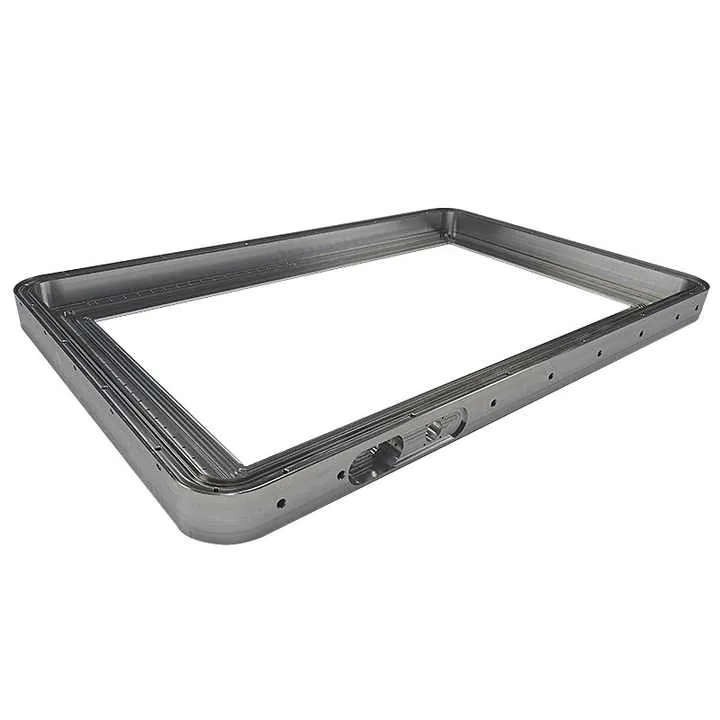
لقد واجهت ذات مرة سيناريو حيث ترهل هيكل إطار طويل من الألومنيوم تحت حمولة ثقيلة وتساءلت - ما مقدار الوزن الذي يمكن أن يتحمله هيكل الألومنيوم المبثوق حقًا؟
تعتمد سعة التحميل لبثق الألومنيوم على درجة السبيكة، وهندسة المظهر الجانبي، وظروف الدعم، وتصميم التوصيل - لا يوجد رقم واحد “كم” ينطبق عالميًا.
لنستعرض العوامل الرئيسية، والجانب الهندسي، وطرق الحساب، وكيفية مساعدة التعزيزات.
ما الذي يؤثر على قوة حمل البثق؟
عندما تختار ملفًا شخصيًا وتعلق عنصرًا ثقيلًا - إذا لم تضع في الحسبان كل شيء، فقد يحدث الفشل.
تتأثر سعة التحميل بسبيكة المادة، وطول الامتداد واتجاهه، وكيفية دعم المظهر الجانبي، وكيفية اتصاله بالأجزاء الأخرى.

سبيكة المادة والمزاج
السبيكة مهمة. على سبيل المثال، السبيكة 6063-T6 لها قوة خضوع عالية، في حين أن السبائك الأكثر ليونة مثل سلسلة 1100 لها حدود أقل بكثير. ينتج عن السبيكة الأقوى حمولة أعلى مسموح بها.
الطول وشروط الدعم
إن البثق الذي يبلغ طوله 500 مم ومدعوم من كلا الطرفين سيحمل وزنًا أكبر من امتداد 2000 مم مع إعداد الكابولي. يقلل الامتداد الأقصر من الانحناء والانحراف بشكل كبير.
المقطع العرضي والهندسة
إن عزم القصور الذاتي الأكبر يعني مقاومة أعلى للانحناء. سيتحمل المظهر الجانبي السميك الجدران والطويل حمولة أكبر من المظهر الجانبي الرفيع والصغير. يؤثر الشكل وتخطيط الجدار على القوة بشكل مباشر.
التوصيلات والتثبيت
حتى أفضل البثق يفشل إذا كانت وصلاته ضعيفة. يمكن أن تصبح الوصلات أو الأقواس المثبتة بشكل سيء نقطة الفشل. تتحمل الدعامات الثابتة دائمًا أكثر من الدعامات غير المثبتة بشكل جيد.
البيئة والأحمال الديناميكية
يقلل الاهتزاز والصدمات والقوى الدورية من القوة الفعالة. تتطلب الأحمال طويلة الأجل أو الديناميكية هوامش أمان أكبر بكثير من التطبيقات الثابتة. تلعب درجة الحرارة والتآكل دورًا أيضًا.
ملخص العوامل
| العامل | ما أهمية ذلك |
|---|---|
| السبائك والمعالجة الحرارية | يحدد القوة والصلابة |
| الطول/الامتداد والدعم | يؤثر على قدرة الانحراف والعزم |
| هندسة المقطع العرضي | يحدد مقاومة الانحناء والثبات |
| تصميم التثبيت/التوصيل | يؤثر على كيفية نقل الأحمال أو فقدانها |
| نوع التحميل والبيئة | تؤثر الظروف الخارجية على عوامل المتانة والسلامة |
إن درجة السبيكة هي الشيء الوحيد الذي يحدد مقدار الوزن الذي يمكن أن تتحمله عملية بثق الألومنيوم.خطأ
إلى جانب درجة السبائك، تلعب الهندسة والامتداد وظروف الدعم وتصميم الوصلات أدوارًا مهمة.
سيتحمل البثق ذو الامتداد الأقصر المدعوم من كلا الطرفين حمولة أكبر من البثق الكابولي الأطول من نفس السبيكة والمقطع العرضي.صحيح
لأن عزوم الانحناء والانحراف تزداد مع طول الامتداد وظروف الدعم الأضعف.
لماذا يؤثر سُمك الجدار على السعة؟
إذا قمت باختيار “بروفيل ألومنيوم 20×20” دون التحقق من سُمك جداره، فقد ينتهي بك الأمر مع عارضة متدلية.
يعطي الجدار السميك قوة أفضل وانحراف أقل. المقاطع المجوفة تقلل الوزن ولكنها قد تقلل من الصلابة ما لم يتم تحسينها.

ما هي التغيرات في سمك الجدار
- مقاومة الانحناء - تزيد الجدران السميكة من عزم القصور الذاتي. وهذا يقلل مباشرة من الانحراف تحت الحمل.
- مقاومة الالتواء - تؤثر سماكة الجدار على مدى سهولة تشوه البثق تحت الضغط أو القوة الجانبية.
- التشوه الموضعي - تنبعج الجدران الرقيقة بسهولة أكبر عندما تتركز الأحمال على مناطق صغيرة.
- القوام المشترك - يمكن للأقسام الأكثر سُمكاً تثبيت البراغي والمثبتات بشكل أكثر موثوقية، مما يقلل من المخاطر عند نقاط التوصيل.
مثال على المقارنة
يمكن أن يكون لبذرتين من نفس الحجم الخارجي - لنقل 40×80 مم - قوة مختلفة جدًا إذا كان أحدهما بجدران 2 مم والآخر بجدران 4 مم. فالسميك يقاوم الانحناء والالتواء بشكل أفضل بكثير.
اعتبارات عملية
- تؤثر سماكة الجدار على كل من الأداء والوزن.
- يجب أن توازن بين سُمك الجدار وتكلفة المواد والحمل المتوقع.
- سمك الجدار الموحد يضمن سلوكًا يمكن التنبؤ به أثناء البثق والاستخدام.
- في التطبيقات ذات الأحمال العالية، توفر الجدران الأكثر سماكة متانة وموثوقية أفضل.
| سُمك الجدار | قوة الانحناء | انحراف | قوة التثبيت |
|---|---|---|---|
| 1.5 مم | منخفضة | عالية | ضعيف |
| 2.5 مم | معتدل | متوسط | مقبولة |
| 4 مم | عالية | منخفضة | قوي |
يضاعف الجدار الأكثر سُمكًا دائمًا من سعة التحميل للبثق، بغض النظر عن العوامل الأخرى.خطأ
يحسّن الجدار الأكثر سمكًا من السعة ولكن لا يزال الامتداد والسبائك والدعامة والهندسة تؤثر على سعة التحميل الكلية.
سمك الجدار هو عامل رئيسي لأنه يؤثر على عزم القصور الذاتي والانحراف والمقاومة الموضعية للمقطع.صحيح
يساهم سُمك الجدار بشكل كبير في الخصائص المقطعية والصلابة، والتي تعتبر حاسمة في قدرة التحميل.
كيف تحسب حدود الحمولة الآمنة؟
عندما طلب مني أحد العملاء تحديد الحمولة المسموح بها لإطار ألومنيوم مخصص، استخدمت معادلات بدلاً من التخمين.
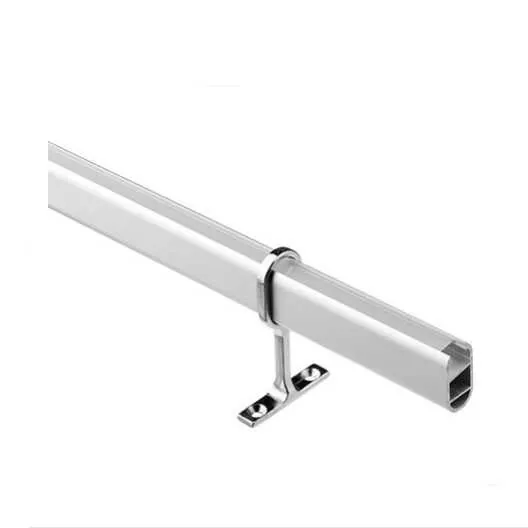
عادةً ما يستخدم حساب حد الحمل الآمن معادلات انحناء العارضة وانحرافها - اختيار الانحراف المسموح به، ثم حل الحمل المسموح به باستخدام خصائص المقطع ونوع الدعم.
الخطوات الأساسية
- تحديد الامتداد (L)، ونوع الدعم (مدعوم ببساطة، أو مدعوم ناتئ، إلخ)
- استخدام معامل المرونة الصحيح (E)، وعادةً ما يكون حوالي 70 جيجا باسكال للألومنيوم
- أوجد عزم القصور الذاتي (I) ومعامل المقطع (W) للمقطع الجانبي
- اختيار حد انحراف مقبول (غالبًا L/1000 أو L/500)
- احسب الحمل (P) باستخدام معادلات الانحراف
- تحقق من إجهاد الانحناء وتأكد من أنه أقل من قوة الخضوع للمادة
- تطبيق عوامل الأمان، عادةً 2 × 2 أو 3 × 3 للتصميم المتحفظ
مرجع الصيغة
- انحراف (حمولة مركزية):
[
\Delta = \frac{P \cdot L^3}{48 \cdot E \cdot I}
] - حل للحمل:
[
P = \frac{48 \cdot E \cdot I \cdot \cdot \delta}{L^3}
] - إجهاد الانحناء:
[
\سيغما = \frac{M}{W} = \frac{P \cdot L/4}{W}
]
مثال على ذلك
إذا كان مقطع الألومنيوم الممتد 1000 مم له I = 4000 مم⁴، وكان الانحراف المسموح به 1 مم، يمكنك حساب P وفقًا لذلك. ثم تحقق من أن إجهاد الانحناء أقل بكثير من حد الخضوع (على سبيل المثال، 200 ميجا باسكال ل 6063-T6) واضبطه.
| المعلمة | القيمة |
|---|---|
| الامتداد (L) | 1000 مم |
| E | 70,000 ميجا باسكال |
| I |