Aluminum Uses In Everyday Life?

I once built a shelving unit with aluminum extrusions and saw how lightweight yet sturdy they are. That simple project got me thinking about how much aluminum is around us.
Aluminum extrusions pop up everywhere—at home, in transportation, electronics, and even in making our living spaces more energy efficient.
Let me show you how aluminum makes daily life better, from frames to fixtures to energy-saving features.
What home items commonly use aluminum extrusions?
Aluminum extrusions are common in many home products. They offer rigidity, sleek design, and easy assembly.
At home, aluminum profiles feature in window frames, closet systems, furniture, railings, kitchen fixtures, and even pet cages.
Typical Home Applications
| Home Item | How It Uses Aluminum Extrusions | Benefits |
|---|---|---|
| Window and door frames | Profiles extruded to hold glass and sealants | Lightweight, durable, resist bowing |
| Closet organizers | Modular poles and shelves | DIY-friendly, customizable layouts |
| Under-cabinet lighting | Channels for LED strips with diffuser tracks | Simple thermal path, sleek appearance |
| Shower enclosures | Framing for glass panels | Corrosion-resistant, tough in humid areas |
| Room dividers/railings | Hollow tube profiles with connectors | Strong yet visually light |
| Desk or shelf framing | 20–40?mm T-slotted 30 Series build framing | Easy to modify, strong structure |
| Fireplace or TV surrounds | Decorative trim and vent profiles | Lightweight and attractive finish |
| Pet cages or plant frames | Lightweight yet tough frames for DIY builds | Easy build, weather-resistant |
I built a plant stand using 20 Series extrusion and T-nuts. It was lightweight, sturdy, and easy to disassemble for moving.
How is aluminum used in transportation and vehicles?

Aluminum is a highway hero. It helps vehicles go farther with less fuel by reducing weight without losing strength.
In transport, aluminum extrusions are found in car frames, rail coaches, aircraft interiors, ship fittings, and bicycle components.
Transportation Applications
| Vehicle Type | Application of Aluminum Extrusions | Advantage |
|---|---|---|
| Automobiles | Door beams, roof rails, chassis parts | Lightens vehicle weight, boosts mileage |
| Trains/Metro | Interior frames, luggage racks, seat structures | Rigid, fire-retardant, low corrosion |
| Aircraft | Overhead bins, seat tracks, floor support profiles | Impact-resistant, corrosion-proof |
| Ships/Boats | Hatches, handrails, deck fittings | Saltwater-resistant, long-lasting |
| Bicycles | Frame tubes, handlebar supports, wheel supports | Strong yet light, easy shaping |
| RVs and Trailers | Wall studs, window frames, trim parts | Saves weight, increases payload |
I once rode in an aluminum-bodied train car. The lighter shell made acceleration smoother and energy use lower compared to steel trains.
Why is aluminum preferred for consumer electronics frames?

Electronics makers love aluminum for phones, laptops, and TVs. It combines looks, strength, and thermal performance.
Aluminum extruded or machined into frames offer precision, thermal dissipation, and premium feel compared to plastic.
Electronics Use Cases
- Laptop chassis: 6000-series extrusions form screen bezels and base frames—rigid and sleek.
- Smartphone bodies: 7000-series cut from billet or thin extrusion—strong yet lightweight.
- TV and monitor frames: Narrow extruded bezels hold screens flush and add elegance.
- Smartwatch shells: Small extrusions or cast parts give robust cases with low weight.
- Audio equipment: Speaker cabinets, amplifier frames, knobs crafted for precision and look.
Why Aluminum Over Plastic?
- Heat transfer: Aluminum acts as a heatsink for processors and batteries.
- Stiffness: Holds shape better—no flex under pressure.
- Aesthetics: Feels premium and resists wear.
- EMI shielding: Blocks interference, improving performance.
An early smartphone I disassembled had a painted plastic shell that cracked around drop points. Later metal-shelled models stayed intact, thanks to aluminum.
Can aluminum extrusions improve energy efficiency at home?
Energy-saving materials aren’t just insulation and LED bulbs. Aluminum plays a quiet but vital role in improving efficiency.
Aluminum extrusions aid energy efficiency in window systems, lighting, HVAC units, and solar panel frames.
Energy Efficiency Examples
| Application | Aluminum Feature | Efficiency Benefit |
|---|---|---|
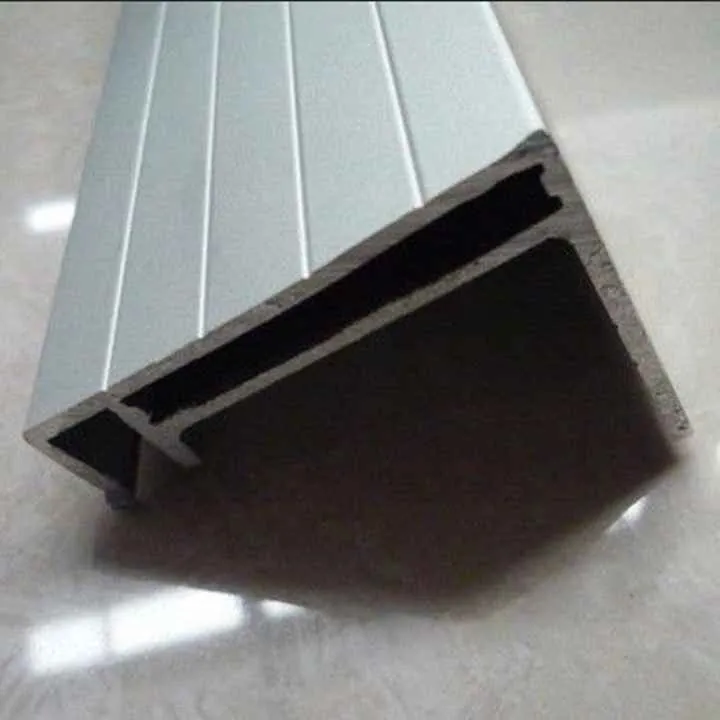
| Thermal-break windows | Profiles with interior insulating barriers | Reduces heat transfer, saves heating/cooling energy |
| LED lighting fixtures | Extruded heatsink channels | Increases LED lifespan and efficiency |
| HVAC diffuser grilles | Slim profiled louvers | Precise air direction, lower fan power needed |
| Solar panel frames | Framing for panels and mounting rails | Keeps panels cool and securely positioned |
| Greenhouse glazing | Capillary extrusions with weather seals | Helps block heat loss and streamline glazing |
In an energy retrofit project, installing thermally broken aluminum windows reduced monthly heating drafts noticeably. Our heating bills dropped after the switch.
Conclusion
Aluminum extrusions are present around us more than we realize. From windows and furniture at home, to vehicles and electronics, to saving energy—this metal is strong, light, and adaptable. Understanding where and why aluminum is used can inspire smarter design choices for everyday life.
True/False Questions
Aluminum extrusions are often used in under-cabinet lighting fixtures because they act as heatsinksTrue
The metal body conducts heat away from LEDs, extending lamp life.
Pure plastic frames for laptops offer better heat dissipation than aluminumFalse
Plastic is an insulator, while aluminum acts as a heatsink, improving thermal performance.