The Essential Role of Aluminum Profiles in Modern High-Speed Rail Stations
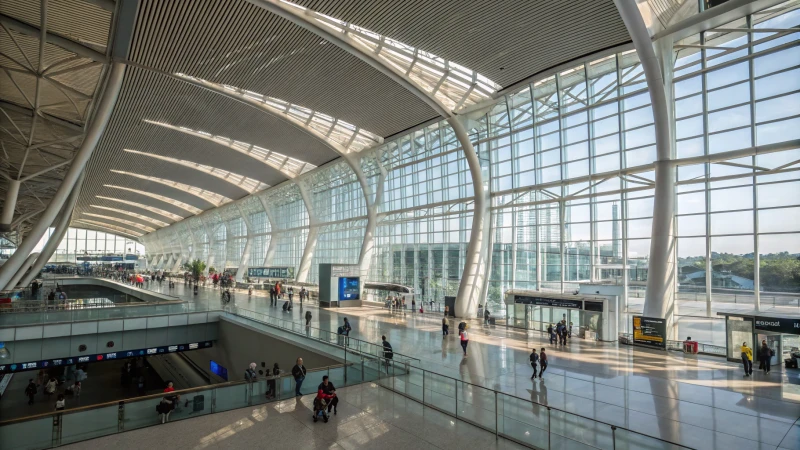
Discover how aluminum profiles are revolutionizing high-speed rail stations.
Aluminum profiles are essential in high-speed rail stations due to their lightweight, high strength, and versatile design. They enhance structural integrity, improve aesthetic appeal, and facilitate efficient installation and maintenance, making them ideal for modern public transportation facilities.
In this post, we will delve deeper into the various benefits of aluminum profiles and examine practical examples that highlight their significance in contemporary rail infrastructure.
Aluminum profiles improve the aesthetic appeal of rail stations.True
Aluminum profiles enhance the visual design of high-speed rail stations, making them more attractive.
High-speed rail stations do not benefit from lightweight materials.False
Lightweight materials like aluminum profiles are crucial for the efficiency and safety of high-speed rail stations.
What are the key benefits of using aluminum profiles in construction?
Discover the transformative impact of aluminum profiles in construction with their unique advantages.
Aluminum profiles in construction offer numerous key benefits: they are lightweight yet strong, corrosion-resistant, versatile in design, easy to install and maintain, and provide aesthetic appeal, making them an ideal choice for modern buildings.
Lightweight and High Strength
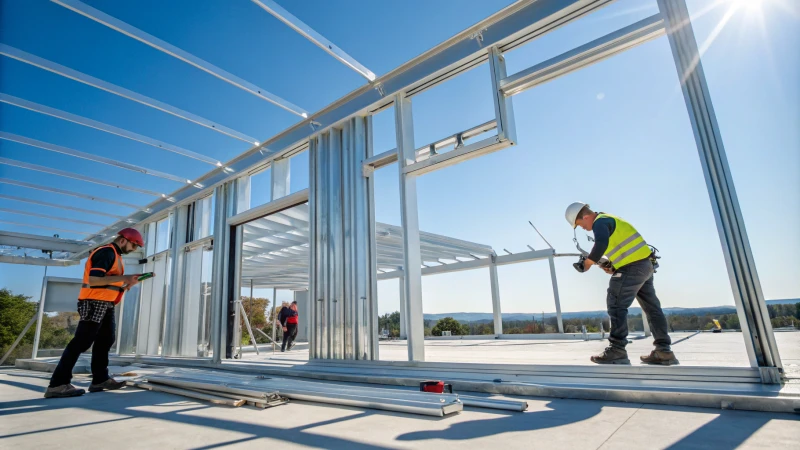
One of the standout benefits of using aluminum profiles in construction is their lightweight nature combined with high strength. This unique property allows structures to maintain stability while reducing overall weight.
For example, a high-speed railway station requires materials that can bear significant loads but still minimize the structural burden.
Aluminum profiles effectively meet this requirement, which is critical for safety and performance.
Corrosion Resistance
Aluminum profiles exhibit excellent resistance to corrosion, making them ideal for various environments, including coastal areas where salt exposure is a concern.
This resistance not only extends the lifespan of the materials but also reduces maintenance costs, as the need for protective coatings or treatments is minimized.
| Material | Corrosion Resistance | Maintenance Needs |
|---|---|---|
| Aluminum | Excellent | Low |
| Steel | Moderate | High |
| Wood | Poor | High |
Versatility and Design Flexibility
Aluminum profiles are incredibly versatile and can be shaped into various forms—bent, welded, or extruded—allowing architects to realize innovative designs.
The malleability of aluminum offers creative freedom in construction projects. Designers can experiment with shapes and functions, enhancing both aesthetics and utility.
Easy Installation and Maintenance
The installation process of aluminum profiles is straightforward, typically utilizing a snap structure that facilitates quick assembly. This advantage is crucial for minimizing disruption in public spaces like airports and railway stations.
Furthermore, the low maintenance requirements associated with aluminum help ensure that projects remain cost-effective over time.
Aesthetic Appeal
Aluminum profiles provide a modern look that can significantly enhance the visual appeal of any construction project. Their clean lines and bright finishes contribute to a contemporary environment.
For instance, using pre-painted aluminum in roofing not only offers durability but also an elegant appearance, as seen in projects like Terminal 3 of Wuhan Tianhe International Airport.
Practical Applications
The practical applications of aluminum profiles in construction are vast. Their utilization in high-speed railway stations demonstrates their multifaceted benefits, combining functionality with design.
In summary, the key benefits of using aluminum profiles in construction include their lightweight nature, strength, corrosion resistance, versatility, easy installation, and aesthetic appeal. These attributes make them a preferred choice for modern architectural projects, ensuring sustainability and innovation. *
Aluminum profiles are lightweight yet strong for construction.True
Aluminum profiles combine low weight with high strength, enhancing structural stability while minimizing overall burden in construction projects.
Aluminum profiles require high maintenance compared to wood.False
Unlike wood, aluminum profiles have low maintenance needs due to their corrosion resistance, making them more cost-effective over time.
How do aluminum profiles enhance the design and aesthetics of railway stations?
Discover how aluminum profiles play a pivotal role in enhancing both the design and aesthetics of railway stations, creating a blend of functionality and modern appeal.
Aluminum profiles enhance railway station design by providing lightweight strength, modern aesthetics through ceiling designs, easy installation, versatile shapes, and practical applications that ensure durability and style.
Lightweight and Strong Structure
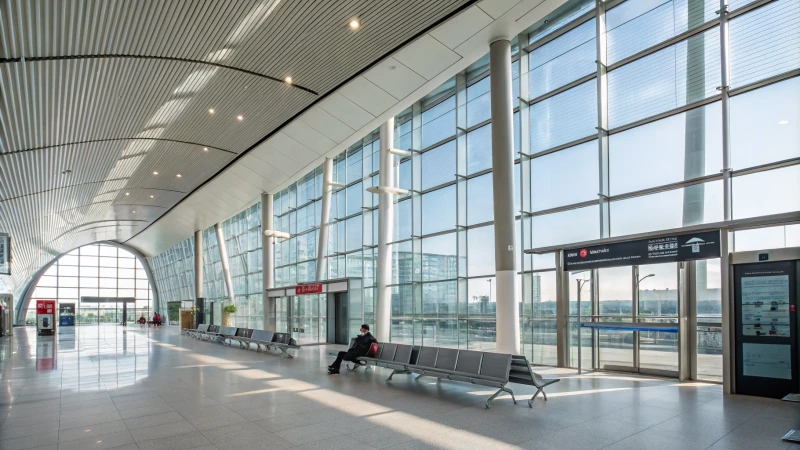
Aluminum profiles are renowned for their lightweight yet strong properties, making them ideal for constructing railway stations. The use of aluminum allows for a significant reduction in the overall weight of the structure, which is crucial when accommodating large passenger volumes and heavy luggage. This not only ensures safety but also enhances the structural integrity of the station.
For instance, the lightweight nature of aluminum helps to reduce the load on supporting structures, which can lead to more innovative designs and open spaces within the station. Such features can be explored further in this detailed analysis1.
Modern Ceiling Designs
In terms of aesthetics, aluminum profiles provide excellent options for ceiling decoration. Their sleek lines and customizable designs contribute to a modern and spacious feel within railway stations. The ability to create clean and bright interiors elevates the overall passenger experience, promoting a welcoming atmosphere.
Aluminum ceilings can incorporate ventilation systems, which not only serve a practical purpose but also enhance the beauty of the space. Examples of such implementations can be found in high-traffic areas where aesthetics and functionality go hand-in-hand. To discover more about modern ceiling designs, check out this resource2.
Easy Installation and Maintenance
The installation of aluminum profiles is simplified by their snap-fit mechanisms, allowing for quick assembly and disassembly. This feature is particularly beneficial in busy railway stations where minimizing disruption is essential. Furthermore, the durability of aluminum means that maintenance costs are low, making it an economical choice in the long run.
Below is a comparison of traditional materials versus aluminum profiles in terms of installation time and maintenance:
| Material | Installation Time | Maintenance Cost |
|---|---|---|
| Traditional Steel | High | Moderate to High |
| Aluminum Profiles | Low | Low |
This ease of installation is crucial for maintaining the operations of busy public spaces. You can find more about these comparisons here3.
Versatility in Design
Aluminum profiles offer incredible versatility, allowing architects to experiment with various shapes and forms. This malleability enables designers to create unique architectural features that enhance both function and aesthetics.
From custom bends to intricate welds, the possibilities are endless. This flexibility means that stations can be tailored to reflect local culture or artistic trends, thereby enriching the travel experience.
For inspiration on unique design applications using aluminum profiles, visit this gallery4.
Case Studies and Practical Examples
Real-world applications of aluminum profiles in railway stations demonstrate their advantages effectively. For instance, at Terminal 3 of Wuhan Tianhe International Airport, pre-painted aluminum was utilized for roofing, which combined durability with a striking appearance. Such implementations highlight how aluminum can meet both aesthetic and practical needs in high-speed rail environments.
To explore more case studies showcasing aluminum’s application in modern architecture, refer to this compilation5.
Aluminum profiles reduce the overall weight of railway station structures.True
The lightweight nature of aluminum enhances structural integrity while accommodating large passenger volumes and heavy luggage, promoting safety and innovative designs.
Aluminum ceilings improve aesthetics in railway stations.True
Sleek aluminum profiles create modern, spacious interiors that elevate passenger experience through clean and bright designs, enhancing the overall atmosphere.
In what ways do aluminum profiles contribute to energy efficiency and sustainability?
Aluminum profiles play a significant role in enhancing energy efficiency and promoting sustainability in modern construction practices. But how exactly do they contribute to these vital goals?
Aluminum profiles contribute to energy efficiency through lightweight design, improved thermal performance, and low maintenance needs. Their recyclability also promotes sustainability in construction practices.
Energy Efficiency in Design
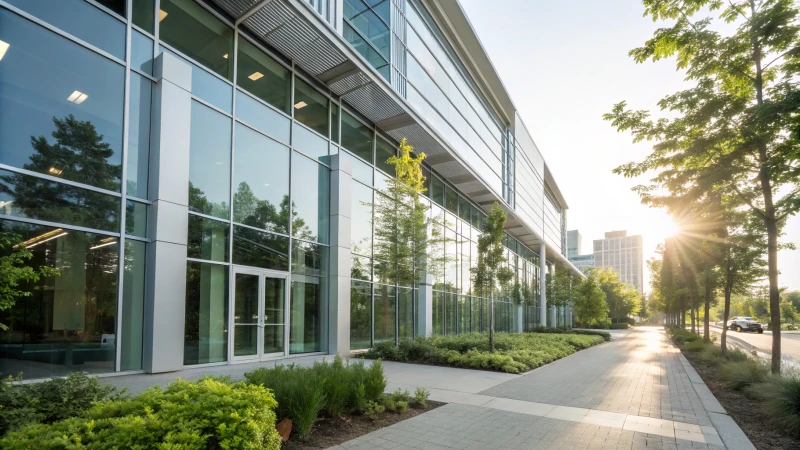
Aluminum profiles are highly sought after for their ability to improve energy efficiency in building designs. Their lightweight nature reduces the load on structural components, allowing for more efficient heating and cooling systems.
For instance, using aluminum frames in windows and doors can enhance thermal performance, minimizing energy loss. By integrating thermal breaks6 within aluminum profiles, it’s possible to further decrease thermal transfer, leading to lower energy consumption.
Sustainable Manufacturing Practices
The production of aluminum profiles has evolved significantly, focusing on sustainable practices. Manufacturers are increasingly utilizing recycled materials in their processes, which requires less energy compared to producing new aluminum from ore. The table below highlights the environmental benefits of using recycled aluminum:
| Aspect | Recycled Aluminum | New Aluminum |
|---|---|---|
| Energy Consumption | 95% less than new | Baseline value |
| CO2 Emissions | Reduced by 95% | Higher emissions |
| Resource Use | Less bauxite needed | More bauxite required |
By choosing aluminum profiles made from recycled content, builders can significantly contribute to sustainability goals while also reducing operational costs.
Long-Term Durability and Maintenance
Aluminum profiles boast a long lifespan and low maintenance requirements. This durability means less frequent replacement and repair, translating into less waste and lower environmental impact over time. Their resistance to corrosion and weathering ensures that they maintain their functionality without needing harmful chemical treatments, which contributes to sustainable building practices.
Contribution to Indoor Air Quality
Another aspect of sustainability is the impact of materials on indoor air quality. Aluminum profiles are non-toxic and do not emit harmful VOCs (Volatile Organic Compounds), unlike some alternative materials. This feature is particularly important in public spaces, such as high-speed rail stations, where air quality must be maintained for passenger comfort. By using low-emission materials, facilities can enhance overall health outcomes for occupants.
Recycling and Reusability
At the end of their life cycle, aluminum profiles are 100% recyclable without losing any material properties. This characteristic not only minimizes waste but also supports a circular economy model. Builders and manufacturers can implement take-back programs to ensure that used aluminum profiles are properly recycled, further enhancing their sustainability profile.
Innovative Applications in Construction
Lastly, the versatility of aluminum profiles allows for innovative applications that can lead to greater energy efficiency in buildings. Custom-designed profiles can be tailored to optimize natural light usage and ventilation, reducing reliance on artificial lighting and HVAC systems. Such innovations exemplify how aluminum can play a critical role in creating more sustainable living and working environments.
Aluminum profiles enhance thermal performance in buildings.True
Using aluminum frames in windows and doors improves insulation, reducing energy loss and enhancing heating and cooling efficiency in buildings.
Aluminum profiles emit harmful VOCs during use.False
Unlike some materials, aluminum profiles are non-toxic and do not release harmful volatile organic compounds, promoting better indoor air quality.
What are some real-world examples of aluminum profile applications in rail infrastructure?
Aluminum profiles play a vital role in rail infrastructure, offering numerous applications that enhance safety, efficiency, and aesthetics. Here are some real-world examples of how they are utilized.
Real-world applications of aluminum profiles in rail infrastructure include structural components of trains, station design elements, signage systems, safety barriers, and advanced sensor housings for smart train technology.
1. Structural Components of Trains
Aluminum profiles are extensively used in the structural components of trains due to their lightweight and high strength. For instance, the carriage frames are often constructed using aluminum alloys, which significantly reduce the overall weight of the train while ensuring safety and durability.
This reduction in weight directly impacts fuel efficiency, allowing trains to consume less energy during operation. Notably, rail companies have reported an increase in performance metrics when adopting aluminum for these critical structures. More information can be found about train structure designs7.
2. Station Design and Aesthetics
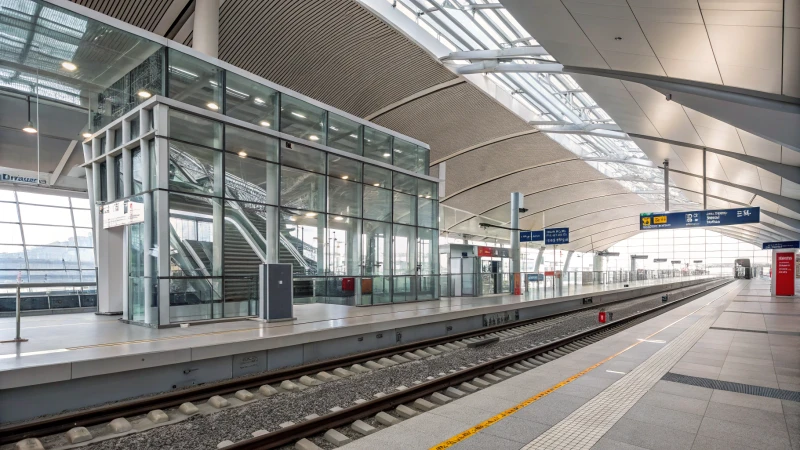
In rail infrastructure, aluminum profiles enhance both functionality and aesthetics in station design. Canopies and overhangs made from aluminum not only provide shelter but also offer a sleek modern appearance.
For example, many high-speed rail stations utilize aluminum for their exterior cladding, showcasing innovative designs that attract passengers and create a welcoming atmosphere. The combination of form and function is pivotal in modern transportation hubs. Explore the latest trends in station design8.
3. Signage and Wayfinding Systems
Aluminum profiles are also integral in developing effective signage systems within railway stations. The material’s durability ensures that signs can withstand various weather conditions, making them ideal for outdoor use.
Furthermore, aluminum can be easily shaped into various designs, allowing for creative signage solutions that are both informative and visually appealing. This enhances the overall passenger experience as they navigate through busy terminals. Discover more about effective signage9.
4. Safety Barriers and Railings
Another practical application of aluminum profiles in rail infrastructure is in the construction of safety barriers and railings. These elements are crucial for passenger safety, especially in high-traffic areas where the risk of accidents is higher.
Aluminum’s resistance to corrosion makes it an excellent choice for long-lasting safety installations. Many rail systems around the world have adopted aluminum railings that meet safety standards while blending seamlessly with the station design. Learn more about safety standards in rail10.
5. Innovative Uses in Modern Systems
Aluminum profiles are being innovatively applied in smart train systems. For instance, integrated aluminum components are used in advanced sensor housings that monitor train performance and safety conditions.
These applications highlight how aluminum not only contributes to structural integrity but also supports the technological advancements of modern rail systems. For insights into how technology is shaping railways, check out technology in rail11.
Aluminum profiles improve train fuel efficiency.True
Using aluminum in train structures reduces weight, leading to better fuel efficiency and enhanced performance metrics for rail companies.
All railway stations use aluminum for signage systems.False
While many stations utilize aluminum for signage due to its durability, not all railway stations exclusively use aluminum for this purpose.
Conclusion
Aluminum profiles enhance high-speed rail stations with their lightweight strength, corrosion resistance, design flexibility, and low maintenance needs, improving both functionality and aesthetic appeal.
-
This link offers insights into the specific architectural advantages of aluminum profiles in construction projects. ↩
-
Explore modern ceiling designs that utilize aluminum profiles for improved aesthetics and functionality. ↩
-
Learn about cost comparisons between traditional materials and aluminum profiles to understand long-term benefits. ↩
-
View a gallery of innovative design applications featuring aluminum profiles in architecture. ↩
-
Find comprehensive case studies on how aluminum is used in major railway stations worldwide. ↩
-
Discover how aluminum profiles can enhance your projects while supporting sustainability goals. This link offers valuable insights into eco-friendly practices. ↩
-
Clicking this link will provide you with detailed insights into modern train structure designs using aluminum materials. ↩
-
Discover the latest trends in rail station design that incorporates aluminum profiles for aesthetic and functional purposes. ↩
-
Learn about effective signage systems that utilize aluminum for durability and creative designs within railway stations. ↩
-
Explore safety standards and applications of aluminum barriers and railings designed for passenger protection. ↩
-
Understand how technology is influencing modern railway systems through innovative uses of aluminum profiles. ↩