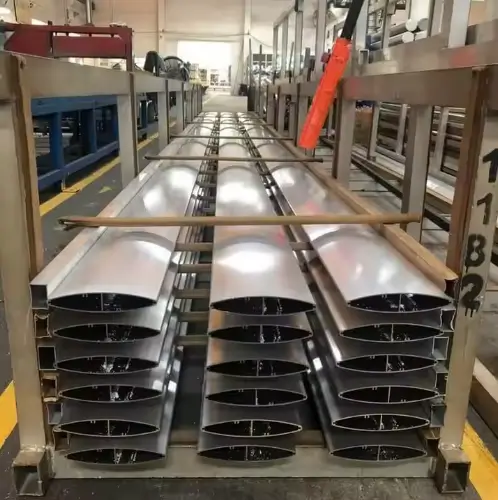
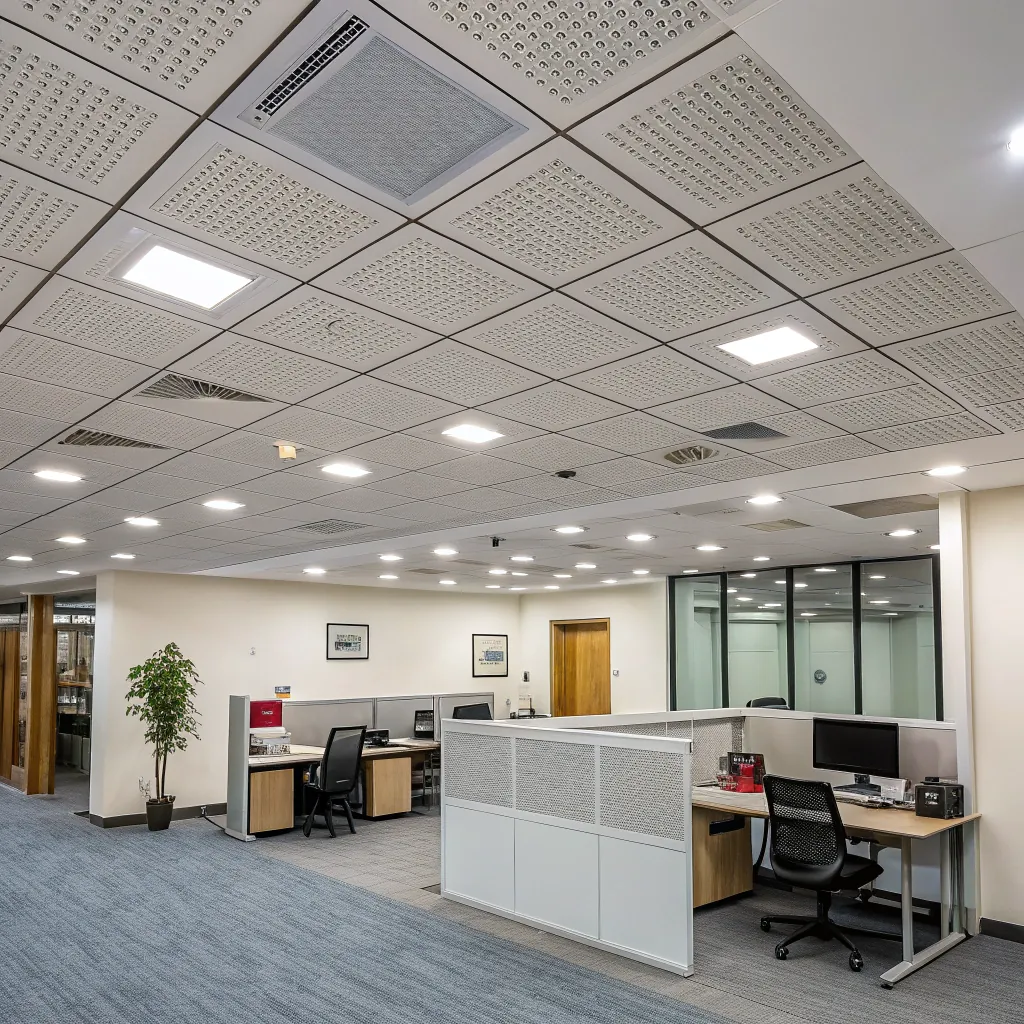
Aluminum extrusion global market demand?

Aluminum extrusions are everywhere, but the demand story can feel confusing. Buyers see price swings, long lead times, and mixed signals from different industries. That mix creates real risk for planning.
Global demand keeps rising because extrusions solve one simple problem: how to make strong, light, repeatable shapes at scale, with predictable cost and fast assembly.
The best way to read this market is to follow end-use sectors, then track energy and construction cycles, and finally confirm where capacity and investment are moving.
What sectors drive demand for aluminum extrusions globally?
Many people assume construction is the only engine. That belief can lead to wrong forecasts and missed opportunities. The market is wider and more resilient than it looks.
The biggest demand drivers are building and construction, transportation, electrical and electronics, and industrial machinery, because these sectors need lightweight structures, tight tolerances, and fast assembly.

Why extrusions fit so many sectors
Extrusion is a process that turns aluminum billets into long profiles with fixed cross sections. That sounds simple, but it unlocks three advantages that many buyers care about more than raw metal price.
- Shape freedom: complex hollows, ribs, and channels can be made in one pass.
- System thinking: a profile can combine structure, cable routing, drainage, and mounting in one part.
- Production efficiency: once the die is stable, the output is repeatable and fast.
In my daily work, the clearest signal is not only volume. It is design behavior. When engineers start redesigning assemblies into fewer parts, extrusion usage rises. One bracket becomes a slot in the profile. One welded frame becomes a bolt-together system.
Core sectors and what they buy
Different sectors buy extrusions for different reasons. Some chase strength-to-weight. Others chase corrosion resistance or a clean look. Many chase assembly speed.
| Sector | Typical extrusion uses | Main demand driver |
|---|---|---|
| Building and construction | Window/door frames, curtain wall, rails, louvers | Urbanization, renovation cycles, energy codes |
| Transportation | EV battery trays, crash beams, roof rails, bus body parts | Lightweighting, range targets, platform standardization |
| Renewable and power | Solar frames, inverter housings, cable management | Capacity additions, faster site assembly |
| Industrial machinery | Machine frames, conveyors, guards, automation cells | Modular production lines, fast retooling |
| Electronics and thermal | Heat sinks, LED housings, enclosures | Thermal needs, compact design, mass production |
What this means for global demand
Building and construction often holds the largest share in many countries, but transportation and industrial uses add stability. When housing slows, factories still expand automation. When consumer electronics slows, grid upgrades can keep power demand moving.
A practical way to judge a sector is to ask two questions.
1) Does the sector value lightweight structures or modular assembly?
2) Does it have repeat repeatable parts across many projects?
When both answers are yes, extrusion demand tends to scale.
Another factor is finishing. In architecture, anodizing, powder coating, and wood transfer finishes push extrusions into higher value projects. In industrial and transport, CNC machining, welding, and friction stir welding can turn profiles into semi-finished modules. Those deeper processes pull more extrusion volume because the profile becomes a core platform part.
Building and construction, transportation, and industrial machinery are consistent global demand drivers for aluminum extrusions because they value lightweight structures and modular assembly.True
These sectors use repeatable profiles to reduce part count, speed assembly, and meet performance targets like strength-to-weight and corrosion resistance.
Only the construction sector drives aluminum extrusion demand, so demand always falls when housing slows.False
Construction is important, but transportation, industrial automation, electrical, and renewables can offset housing cycles and keep demand more stable.
How does renewable energy growth affect demand?
Renewables sound like a small niche. Many buyers treat it as optional business. That can be costly when project pipelines surge and suppliers get booked out.
Renewable energy growth increases extrusion demand mainly through solar mounting and framing systems, plus supporting hardware like inverter housings, cable routes, and lightweight structural components.
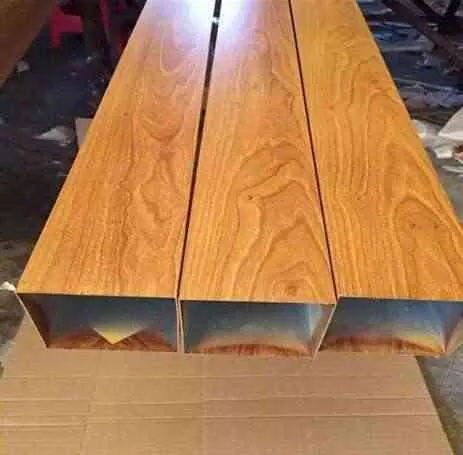
Where extrusions show up in renewables
Solar is the clearest link. Utility and rooftop projects use aluminum profiles for module frames, mounting rails, clamps, and walkways. Aluminum resists corrosion and stays light for handling. That helps installers move faster and reduce labor.
Wind is less profile-heavy than solar, but extrusions still appear in internal platforms, access systems, and electrical housings. Energy storage adds more opportunities. Battery container systems use rails, ladder racks, ventilation frames, and enclosure structures. EV charging infrastructure also uses extruded housings, posts, canopies, and cable management.
Why renewables amplify volume quickly
Renewable projects scale in a specific way. Developers replicate designs. EPC contractors standardize parts. That repeatability fits extrusion well.
Three patterns drive volume spikes:
1) Fast permitting and build schedules
When grid access and permits align, projects move fast. Contractors prefer pre-cut, pre-drilled profiles to reduce on-site work. This creates demand for tight tolerances and consistent lengths.
2) Outdoor durability needs
Many renewable parts live outdoors for decades. Corrosion resistance is not a nice-to-have. Anodizing and powder coating are common. Some regions also require higher salt-spray performance. That pushes demand toward stable alloy choices and controlled finishing.
3) Balance-of-system optimization
Developers fight for lower cost per watt. They reduce steel where possible. They choose aluminum where weight, corrosion, and installation time matter. That shifts share toward aluminum rails and brackets, even if steel remains in some structural parts.
How to read renewable demand as a buyer
A buyer can track renewable demand through a few simple signals.
- New solar and storage tenders and auctions in a region.
- Local content rules that change sourcing decisions.
- Grid investment plans, because transmission unlocks new projects.
- Price moves in modules and batteries, because cheaper hardware can accelerate installs.
A personal lesson came from a year when several solar clients ordered in bursts. They did not increase slowly. They doubled, then paused, then doubled again. The key was not seasonal weather. It was project finance timing. That is why renewable demand feels jumpy, but the long trend can still be strong.
Rapid growth in solar installations can increase aluminum extrusion demand because mounting and framing systems rely on repeatable, corrosion-resistant profiles.True
Solar projects use large volumes of standardized rails and frames, and developers prefer fast installation with durable materials.
Renewable energy growth has almost no link to aluminum extrusions because turbines and panels are mainly steel and glass.False
Even when main structures use other materials, renewables still need many aluminum profiles for frames, rails, housings, and balance-of-system components.
Can building construction trends boost extrusion usage?
Construction cycles can be scary. When interest rates rise, projects pause. When budgets tighten, buyers cut scope. This pressure can make extrusion demand look fragile.
Yes, construction trends can boost extrusion usage when buildings shift toward energy-efficient envelopes, prefabrication, and renovation, because these trends favor lightweight, standardized aluminum systems.
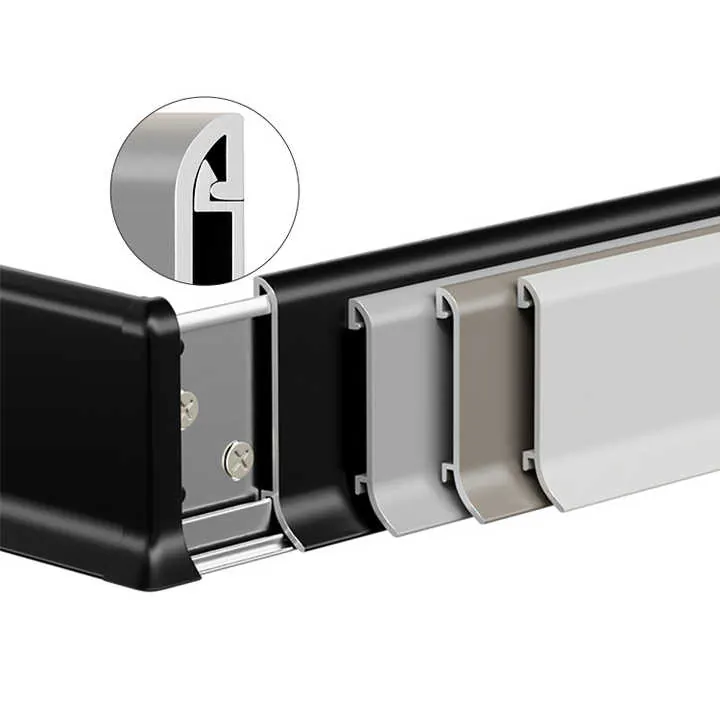
The construction trends that matter most
Construction is not one market. It is new builds, refurbishment, commercial upgrades, and public infrastructure. Each has different drivers. Still, a few trends consistently pull extrusion volume.
Energy codes and thermal performance
Energy efficiency pushes better windows, curtain walls, and shading systems. Aluminum is strong, but it is also conductive, so systems rely on thermal breaks and smart profile design. When codes tighten, architects choose higher performance systems, and profile complexity often increases.
Prefabrication and modular building
Prefabrication favors parts that are predictable and easy to assemble. Aluminum profiles fit this well. Frame systems, facade modules, and balcony systems can be built in factories and installed quickly on-site. That reduces labor uncertainty.
Renovation and retrofit
Many regions have large building stock that needs upgrades. Retrofitting windows and facades can create steady demand even when new housing slows. Renovation projects also prefer clean installation and minimal downtime, which can favor aluminum systems with standardized sizes.
A closer look at where extrusions win
Facades and curtain wall systems
Curtain walls rely on precise extruded mullions and transoms. The designs include drainage channels and pressure equalization paths. These features are easier to integrate in extrusion than in fabricated steel assemblies.
Windows and doors
Window and door profiles are high volume and design sensitive. They also benefit from surface finishes that match modern aesthetics. That pulls demand toward powder coating and anodizing.
Railings, partitions, and interior systems
Interior partitions, handrails, and ceiling systems can scale fast in commercial fit-outs. They use simpler profiles, but in large quantities.
The downside that buyers should plan for
Construction demand can be regional and policy-driven. When permit volumes drop, orders slow. But extrusion usage per building can still rise even in slower markets if the industry adopts higher performance envelopes and more prefabrication.
A practical planning rule is to separate two levers:
- Number of projects (macro cycle)
- Extrusion intensity per project (design trend)
Even if project counts fall, extrusion intensity can rise due to energy codes and facade upgrades. That is why the construction signal is not only housing starts. It is also renovation spending and commercial retrofit cycles.
Stricter building energy codes can raise aluminum extrusion usage because higher performance windows and facades often require more complex, standardized profiles.True
Energy efficiency targets push architects toward systems that use engineered profiles with thermal breaks, drainage channels, and repeatable modules.
Construction trends cannot boost extrusion usage because aluminum is being replaced by plastics in most window and facade applications.False
While some segments use plastics, many high performance systems still rely on aluminum for strength, durability, and finish options, especially in commercial facades and premium windows.
Which geographic regions show highest demand growth?
Global demand does not grow evenly. Some regions expand capacity and pull imports. Others grow slowly but buy higher value profiles. Missing this map can lead to the wrong sales focus.
The highest demand growth often shows in fast-industrializing regions and in countries investing heavily in renewables, infrastructure, and manufacturing, while mature markets grow slower but demand higher-spec products.

Growth versus value: two different pictures
A region can have high volume growth, or high value per ton, or both. A buyer should separate these. Mature markets often demand tighter tolerances, traceability, and certifications. Emerging markets may drive volume through infrastructure and housing.
Regional patterns that commonly show up
- Asia: large manufacturing base, strong construction demand in many areas, and fast EV supply chain growth in some countries.
- North America: strong demand in renovation, industrial, and EV-related projects, with growing interest in domestic supply and compliance.
- Europe: steady demand driven by energy efficiency retrofits, high standards, and renewables, often with strong sustainability requirements.
- Middle East: infrastructure, commercial construction, and solar projects can create large peaks.
- Africa: infrastructure and urbanization can drive growth, with demand patterns varying widely by country.
Why some regions accelerate faster
Acceleration often comes from policy and investment.
Industrial policy and manufacturing shifts
When governments support local manufacturing, new plants need automation frames, conveyors, and enclosures. That is extrusion-friendly demand.
Renewable buildouts and grid upgrades
Regions adding solar and storage quickly can pull in standardized profiles and push suppliers to expand.
Construction cycles and mega-projects
Large infrastructure and commercial projects can create sharp demand peaks, especially where aluminum facade systems are popular.
A simple region comparison table
| Region | Typical growth driver | What buyers should watch |
|---|---|---|
| Asia | Manufacturing scale, urban build, EV supply chains | Capacity additions, alloy shifts, lead time volatility |
| North America | Renovation, industrial expansion, EV and charging | Compliance needs, domestic sourcing trends, machining demand |
| Europe | Retrofit, high-performance facades, renewables | Certifications, low-carbon aluminum requests, high finish standards |
| Middle East | Mega-projects, commercial build, solar | Project timing, specification control, logistics planning |
| Africa | Infrastructure and urbanization | Country-level stability, payment terms, distribution networks |
How I would choose target regions in practice
When selecting where to grow, two checks help.
1) Is the region adding projects that use standardized aluminum systems?
2) Is there a supply gap in capacity, finishing, or deep processing?
If the answer is yes, growth can be real. If the answer is no, sales can still work, but it becomes a fight on price.
Another practical note: some regions buy mostly standard profiles. Others buy customized profiles that require new dies and more engineering support. Customized markets can be smaller in volume but higher in margin and stickier in relationships. This matters for B2B planning because stable repeat orders often come from customers that lock a profile design into their product platform.
Some regions can show high extrusion demand growth when they expand renewables, manufacturing, and infrastructure at the same time.True
Policy and investment can align to create rapid project pipelines that rely on standardized profiles and fast assembly.
Mature markets never drive extrusion demand because their construction growth is low.False
Even with slower new builds, mature markets can sustain demand through renovation, high-spec industrial projects, EV platforms, and stricter energy efficiency upgrades.
Conclusion
Global aluminum extrusion demand grows when sectors chase lightweight design, fast assembly, and durable finishes. Renewables and modern construction raise extrusion intensity, and regional policy and investment decide where growth shows up first.