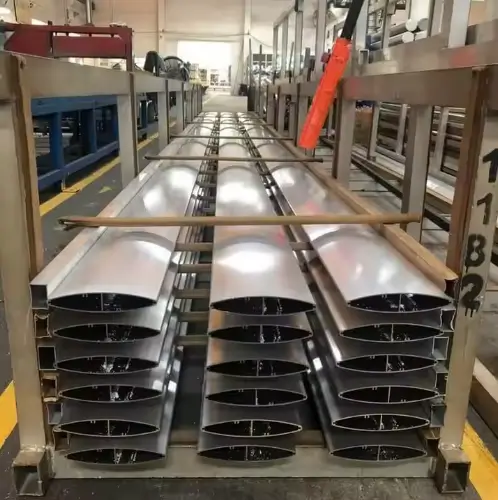
Aluminum extrusion for renewable energy systems?

The renewable energy market grows fast, but many projects fail because materials do not last long outdoors. Wrong structure choices raise cost, delay projects, and create safety risks.
Aluminum extrusion is one of the most reliable structural materials for renewable energy systems because it is light, strong, corrosion resistant, and easy to customize for solar and wind use.
Many buyers first focus on panels or turbines. But the structure below them matters just as much. When the frame fails, the whole system is at risk. This article explains how aluminum extrusion supports renewable energy systems and why it is widely used in this field.
How is aluminum used in solar or wind structures?

Solar and wind projects face high load, strong wind, and long outdoor exposure. Many projects suffer from bending frames, loose joints, or high transport cost.
Aluminum extrusion is used as frames, rails, brackets, and support beams in solar and wind systems because it offers high strength with low weight and stable performance outdoors.
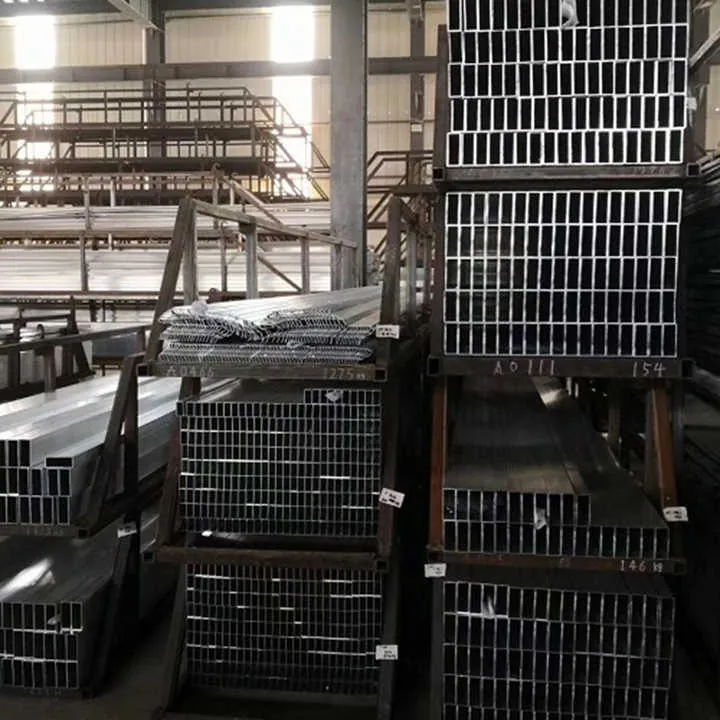
Aluminum extrusion appears in almost every part of a renewable energy structure. In solar systems, it forms mounting rails, panel frames, mid clamps, end clamps, and ground support beams. In wind systems, it is used for ladders, platforms, cable trays, internal frames, and safety rails.
Why aluminum works for energy structures
Aluminum has a high strength to weight ratio. This means the structure stays strong but is easy to move and install. For large solar farms, this lowers labor cost and shortens installation time. For rooftop systems, low weight reduces load on buildings.
Extrusion allows complex cross sections. This helps engineers combine strength, drainage, wiring paths, and bolt slots into one profile. Steel often needs welding or extra parts to do the same job.
Another key reason is consistency. Extrusion dies create uniform profiles. This helps mass production and fast assembly on site. For B2B buyers, this means less fitting work and fewer mistakes during installation.
Common solar and wind structure applications
| Application area | Role of aluminum extrusion | Key benefit |
|---|---|---|
| Solar mounting rails | Hold and align solar panels | Light and strong |
| Ground structures | Support large arrays | Fast installation |
| Rooftop brackets | Fix panels to roofs | Low roof load |
| Wind turbine platforms | Maintenance access | Corrosion resistance |
| Cable management | Protect electrical lines | Clean structure |
Aluminum extrusion also supports modular design. Many systems use bolt and slot connections. This reduces welding and makes future changes easier.
In real projects, structural failure often starts from joints. Aluminum extrusion systems use standardized fasteners and slots. This improves alignment and load sharing across the whole system.
Aluminum extrusion is widely used in both solar and wind structures because it supports modular and lightweight system design.True
Extrusion allows complex shapes, low weight, and easy assembly, which are key needs in renewable energy structures.
Aluminum extrusion is only suitable for decorative parts in renewable energy systems.False
Aluminum extrusion is used for load bearing frames, rails, and support structures in real energy projects.
Which profiles are ideal for energy applications?
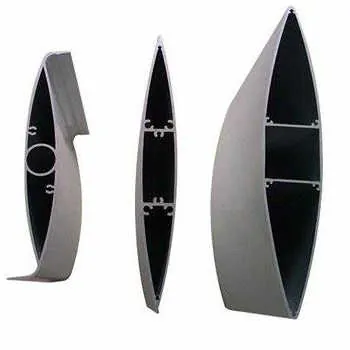
Many buyers choose aluminum but struggle to select the right profile. Wrong profiles lead to bending, wasted material, or high cost.
Ideal aluminum extrusion profiles for energy applications balance strength, weight, and installation needs, often using T slot, C channel, and hollow structural designs.
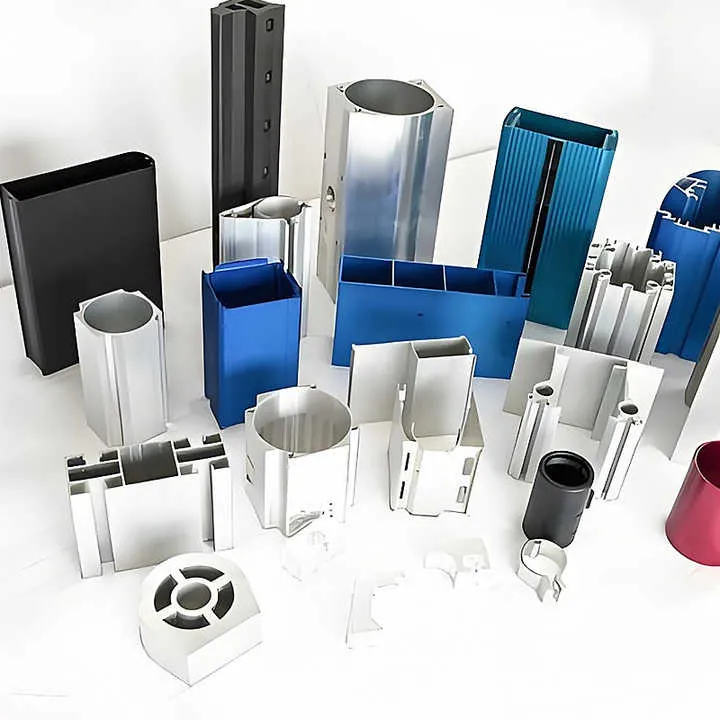
Profile selection depends on load, span, wind pressure, and installation method. There is no one size fits all solution. However, some profile types are widely used across energy systems.
Common profile types for renewable energy
T slot profiles
These profiles allow bolts to slide into slots. Installers can adjust position without drilling. This saves time on site and supports modular design.
C channel profiles
C channels are simple and strong. They are often used for rails and beams. They provide good load support with simple cross sections.
Hollow box profiles
Hollow sections increase stiffness while keeping weight low. They are common in ground mounted solar structures and wind platforms.
Custom reinforced profiles
For high wind zones or large spans, custom dies add ribs and thicker walls. This improves bending resistance without overusing material.
How engineers select profiles
Profile selection starts with load calculation. This includes panel weight, wind load, snow load, and safety factors. Engineers then choose wall thickness and section shape.
The goal is to use enough material but not too much. Over design raises cost and transport weight. Under design risks failure.
| Profile type | Typical use | Strength level | Installation speed |
|---|---|---|---|
| T slot | Adjustable frames | Medium | Very fast |
| C channel | Mounting rails | Medium to high | Fast |
| Hollow box | Ground support | High | Medium |
| Custom | Special projects | Very high | Project based |
Aluminum alloys also matter. 6063 T5 is common for standard solar frames due to good surface finish. 6061 T6 is used when higher strength is needed.
Surface treatment also affects profile choice. Anodized profiles work well for outdoor exposure. Powder coated profiles offer color options and extra protection.
In many projects, profile optimization reduces total system cost more than alloy choice. Using the right shape saves aluminum weight and shortens assembly time.
T slot aluminum extrusion profiles are popular in solar systems because they support fast and adjustable installation.True
T slot designs allow flexible positioning and reduce drilling work on site.
Hollow aluminum extrusion profiles are weaker than solid profiles in all energy applications.False
Hollow profiles often provide higher stiffness to weight ratio and are widely used in structural energy systems.
Can extrusions withstand outdoor energy conditions?
Renewable energy systems stay outdoors for decades. Rain, sun, wind, and pollution slowly damage weak materials.
Aluminum extrusions can withstand outdoor energy conditions when the correct alloy, surface treatment, and design are used.
Outdoor durability is one of the main reasons aluminum is chosen for energy systems. Unlike steel, aluminum forms a natural oxide layer. This layer protects the metal from further corrosion.
Environmental challenges in energy projects
Solar farms often sit in deserts, coastal areas, or open fields. Wind farms face constant vibration and high wind pressure. These conditions stress materials every day.
Key challenges include:
- UV exposure
- Rain and humidity
- Salt spray near sea
- Temperature change
- Dust and sand erosion
Aluminum handles these challenges well when properly processed. Anodizing thickens the oxide layer and improves wear resistance. Powder coating adds another barrier and improves appearance.
Long term performance factors
Outdoor performance depends on design as much as material. Sharp corners trap water. Poor drainage causes corrosion at joints. Good extrusion design includes water channels and smooth edges.
Fastener choice also matters. Stainless steel fasteners are common. Proper insulation avoids galvanic corrosion between different metals.
Thermal expansion is another factor. Aluminum expands more than steel. Designers include expansion gaps and flexible joints to avoid stress buildup.
| Outdoor factor | Aluminum performance | Design solution |
|---|---|---|
| UV exposure | No degradation | Anodized surface |
| Rain | Resistant | Drainage channels |
| Salt air | Good with coating | Thick anodizing |
| Heat cycles | Stable | Expansion allowance |
Many solar systems are designed for 25 to 30 years of service. Field data shows aluminum extrusion frames often outlast panels themselves.
When buyers see corrosion or deformation, the cause is usually poor processing or wrong alloy, not aluminum itself.
Properly treated aluminum extrusions can perform outdoors for decades in renewable energy systems.True
Anodizing and good design protect aluminum from weather and corrosion over long periods.
Aluminum extrusions fail quickly in outdoor renewable energy applications due to UV exposure.False
Aluminum is not damaged by UV light and performs well in long term outdoor use.
Are there corrosion standards for energy system use?
Many buyers worry about quality claims. Without clear standards, it is hard to compare suppliers or ensure long term safety.
Yes, aluminum extrusions for energy systems follow corrosion and quality standards that define material, surface treatment, and testing requirements.
Standards protect buyers and ensure consistent performance. In renewable energy projects, compliance is often required by EPC contractors and investors.
Common corrosion related standards
Aluminum extrusion standards define alloy composition, mechanical properties, and surface treatment thickness. Surface standards specify anodizing thickness or coating adhesion.
Salt spray testing is often used to simulate coastal environments. Coating thickness is measured to ensure long term protection.
What buyers should check
Buyers should request mill certificates, surface treatment reports, and test results. These documents prove that the extrusion meets project requirements.
Inspection should include:
- Alloy grade confirmation
- Mechanical property testing
- Coating thickness measurement
- Surface appearance check
| Standard focus | What it controls | Why it matters |
|---|---|---|
| Alloy standard | Chemical content | Strength and durability |
| Anodizing spec | Oxide thickness | Corrosion resistance |
| Coating test | Adhesion and color | Outdoor life |
| Salt spray test | Corrosion speed | Coastal projects |
For large projects, third party inspection is common. This reduces risk and improves trust between supplier and buyer.
In many failed projects, corrosion issues appear at cut edges or drilled holes. Good suppliers offer post machining treatment or sealing to protect these areas.
Choosing a supplier with strong process control matters as much as choosing aluminum itself.
Corrosion standards help ensure aluminum extrusions perform reliably in renewable energy systems.True
Standards define alloy, surface treatment, and testing to control long term performance.
Renewable energy aluminum extrusions do not need any corrosion standards because aluminum never corrodes.False
Aluminum resists corrosion but still requires standards and surface treatment for long term outdoor use.
Conclusion
Aluminum extrusion plays a critical role in renewable energy systems. It supports strength, durability, and efficient installation. When profiles, alloys, and standards are chosen correctly, aluminum structures deliver long term value for solar and wind projects.