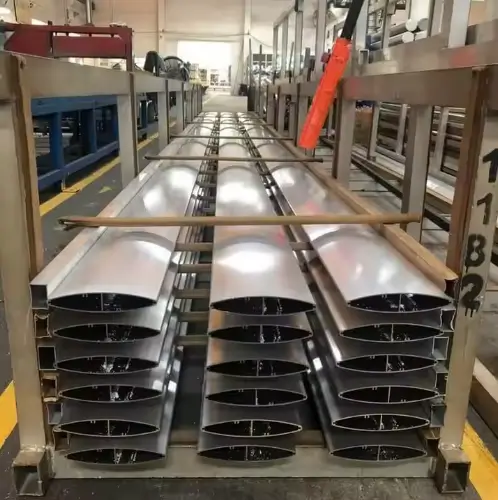
Aluminum extrusion fatigue strength requirements?
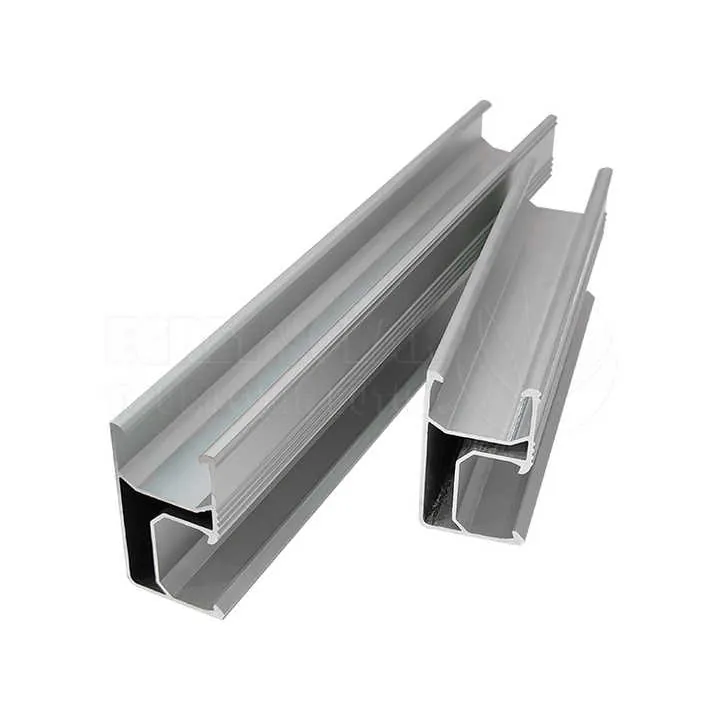
Fatigue failure often appears without warning. Many buyers focus on yield strength and miss fatigue. This gap leads to cracks, downtime, and high replacement cost.
Aluminum extrusion fatigue strength depends on alloy, temper, surface quality, and load pattern. In most industrial uses, fatigue strength is far lower than static strength and must be checked early in design.
Many projects fail not because aluminum is weak, but because fatigue behavior is ignored. Understanding fatigue early helps avoid redesign, delays, and safety risks.
What is the typical fatigue strength for extrusions?

Fatigue strength is not a single fixed number. It changes with alloy, temper, surface finish, and stress cycles. Designers often expect a clear value, but aluminum does not behave like steel in fatigue.
Typical aluminum extrusion fatigue strength ranges from 30 MPa to 100 MPa at 10 million cycles, depending on alloy and temper. There is no true endurance limit for aluminum.
This means fatigue damage keeps building as cycles increase, even at low stress.
Why aluminum has no endurance limit
Steel often shows a flat fatigue curve. Below a stress limit, it can survive infinite cycles. Aluminum does not behave this way.
For aluminum extrusions:
- Each stress cycle causes small damage
- Micro cracks grow slowly over time
- Failure can happen even under low stress
This makes cycle count critical.
Typical fatigue ranges by alloy family
Below is a general comparison used in early design. These are not guaranteed values. They help with screening only.
| Alloy | Temper | Approx fatigue strength at 10^7 cycles (MPa) | Common use |
|---|---|---|---|
| 6063 | T5 | 30 to 50 | Architectural, light frames |
| 6061 | T6 | 60 to 95 | Structural, machinery |
| 6082 | T6 | 70 to 100 | Heavy duty frames |
| 7075 | T6 | 90 to 130 | Aerospace, high load |
Surface condition can reduce these values by 20 percent or more.
Role of extrusion quality
Fatigue starts at weak points. In extrusions, these often include:
- Die lines
- Surface scratches
- Sharp corners
- Weld seams in hollow profiles
Good die design and process control reduce these risks. Smooth surfaces improve fatigue life more than increasing wall thickness in many cases.
Stress ratio matters
Fatigue strength depends on stress ratio. Fully reversed loading is more severe than one direction loading.
Designers must define:
- Maximum stress
- Minimum stress
- Mean stress
Ignoring this leads to unsafe assumptions.
Early design mistake to avoid
Many buyers only ask for tensile strength reports. This does not predict fatigue life. Fatigue strength is usually much lower than yield strength.
Aluminum extrusions have a clear endurance limit similar to steel.False
Aluminum does not have a true endurance limit. Fatigue damage continues to accumulate with increasing cycles.
Surface finish plays a major role in aluminum extrusion fatigue strength.True
Surface defects act as crack initiation points and strongly reduce fatigue life.
How does load cycling affect extrusion lifespan?
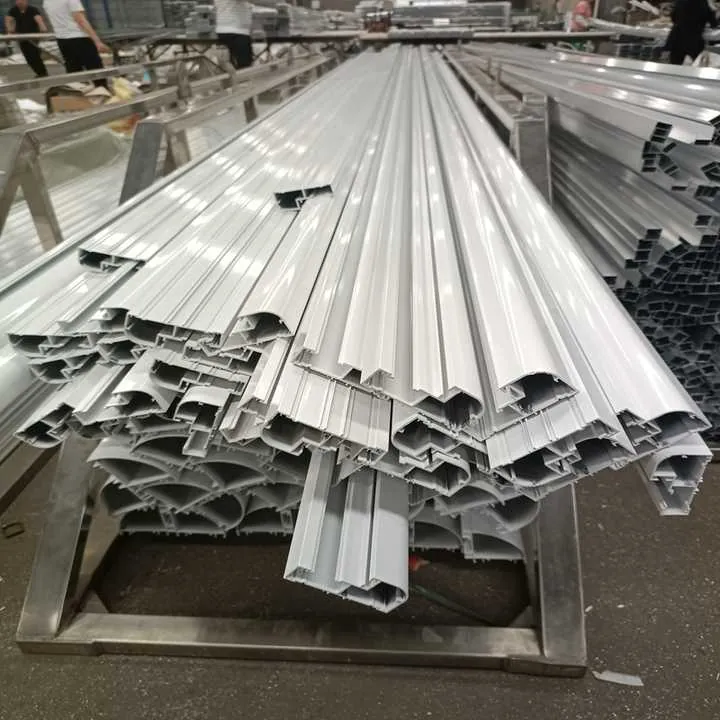
Fatigue failure is driven by repeated load, not one-time overload. Many extrusions fail under loads far below their rated strength because of cycling.
Load cycling reduces extrusion lifespan by creating micro cracks that grow with each cycle until sudden fracture occurs. Higher cycles and stress ranges shorten life sharply.
Understanding load patterns is more important than peak load.
What counts as a cycle
A cycle is one complete load change. This includes:
- Start and stop of machines
- Wind vibration
- Thermal expansion and contraction
- Repeated lifting or motion
Even small stress swings count.
S-N curve basics
Fatigue behavior is shown with an S-N curve:
- S = stress amplitude
- N = number of cycles to failure
For aluminum:
- High stress leads to fast failure
- Low stress leads to long life but not infinite
Designers often target a specific cycle life such as 2 million or 10 million cycles.
High-cycle vs low-cycle fatigue
There are two common fatigue zones.
Low-cycle fatigue
- High stress
- Plastic deformation
- Cycles usually below 100,000
- Common in seismic or shock loads
High-cycle fatigue
- Lower stress
- Elastic deformation
- Millions of cycles
- Common in machinery frames and supports
Most aluminum extrusions work in high-cycle fatigue.
Load direction and profile shape
Extrusions handle fatigue better when:
- Load paths are smooth
- Stress is evenly distributed
- No sudden section change exists
Poor designs include:
- Sharp notches
- Thin webs near holes
- Abrupt thickness change
Practical design adjustments
To extend fatigue life:
- Increase fillet radius
- Avoid sharp corners
- Use uniform wall thickness
- Reduce stress concentration
Small geometry changes often double fatigue life.
Hidden cycling sources
Some buyers only consider mechanical load. They forget:
- Temperature cycles
- Assembly stress
- Residual stress from straightening
These combine with service loads.
Real failure pattern
Fatigue cracks often start silently. They grow slowly. Then failure happens suddenly. There is often no visible warning until final break.
Fatigue failure in aluminum extrusions usually happens gradually with visible deformation.False
Fatigue cracks grow silently and final failure is often sudden with little visible warning.
Reducing stress concentration can significantly extend extrusion fatigue life.True
Lower stress concentration reduces crack initiation and slows crack growth.
Which alloys offer superior fatigue resistance?

Not all aluminum alloys behave the same under fatigue. Alloy choice has a strong impact on service life.
6000 and 7000 series alloys offer better fatigue resistance than 3000 series, with 6061-T6 and 6082-T6 being common balanced choices for extrusions.
However, strength alone does not guarantee fatigue performance.
Why alloy chemistry matters
Fatigue resistance depends on:
- Grain structure
- Precipitation hardening
- Impurity control
Heat treatable alloys usually perform better.
Common extrusion alloys compared
| Alloy | Fatigue behavior | Advantages | Limits |
|---|---|---|---|
| 6063-T5 | Low to moderate | Good surface, easy extrusion | Lower fatigue strength |
| 6061-T6 | Moderate to high | Good balance of strength and cost | Slightly harder to extrude |
| 6082-T6 | High | Stronger than 6061 | Less surface quality |
| 7075-T6 | Very high | Excellent fatigue | Cost, corrosion risk |
Why 6061-T6 is widely used
6061-T6 is often selected because:
- Stable fatigue data
- Good machinability
- Acceptable corrosion resistance
- Broad supplier availability
It is not the strongest, but it is predictable.
Role of temper
Temper changes fatigue behavior.
- T5: cooled from extrusion, lower fatigue
- T6: solution treated and aged, higher fatigue
A temper upgrade can raise fatigue strength without changing profile.
Welding impact
Welding reduces fatigue strength sharply.
- Heat affected zones soften
- Microstructure changes
- Cracks often start near welds
Designers should avoid welding in high fatigue zones or increase section size locally.
Surface treatment effects
Some treatments help, others hurt.
- Anodizing: may slightly reduce fatigue if thick
- Shot peening: can improve fatigue
- Polishing: improves fatigue
Surface control is critical.
Cost vs fatigue tradeoff
Higher fatigue alloys cost more. But replacement cost and downtime often cost more than material upgrade.
7075-T6 always provides the best fatigue solution for any extrusion application.False
While strong, 7075-T6 has higher cost and corrosion sensitivity and is not suitable for all extrusion uses.
Heat treatable 6000 series alloys generally offer better fatigue resistance than non-heat treatable alloys.True
Precipitation hardening improves fatigue behavior in most extrusion applications.
Are there standards for fatigue strength testing?
Fatigue testing must follow standards. Without standard methods, data cannot be compared or trusted.
Yes, aluminum extrusion fatigue testing is covered by ASTM, ISO, and EN standards that define specimen shape, load control, and cycle counting.
These standards guide both testing and design validation.
Why standards matter
Fatigue data varies widely. Standards ensure:
- Repeatable testing
- Comparable results
- Clear load definition
Buyers should always ask which standard was used.
Common fatigue standards
Below are widely used references.
| Standard | Scope | Typical use |
|---|---|---|
| ASTM E466 | Axial fatigue | Base material testing |
| ASTM E468 | Presentation of fatigue data | Reporting format |
| ISO 1099 | Axial fatigue | International reference |
| EN 1999 | Aluminum design | Structural applications |
Specimen vs real profile
Standard tests use smooth specimens. Real extrusions include:
- Corners
- Holes
- Weld seams
This means real fatigue strength is often lower than test values.
Component testing
For critical projects, component testing is recommended.
- Uses real profile
- Includes welds and joints
- Reflects real stress state
This is common in transport and heavy machinery.
Safety factors
Design standards apply fatigue safety factors. These account for:
- Manufacturing variation
- Surface damage
- Load uncertainty
Ignoring safety factors leads to premature failure.
Buyer checklist
When reviewing fatigue data, always confirm:
- Load ratio used
- Cycle count target
- Failure definition
- Specimen geometry
Many datasheets omit these details.
Design codes vs material data
Material fatigue data supports design codes. Design codes control final allowable stress.
Engineers must follow the design code, not only supplier data.
Fatigue test results from smooth specimens always represent real extrusion performance.False
Real extrusions include geometric features that reduce fatigue life compared to smooth specimens.
ASTM and ISO standards define consistent methods for aluminum fatigue testing.True
These standards specify loading, specimen shape, and reporting rules.
Conclusion
Fatigue strength controls long term safety in aluminum extrusions. Alloy choice, surface quality, load cycles, and standards all matter. Early fatigue planning reduces failure risk, redesign cost, and downtime.