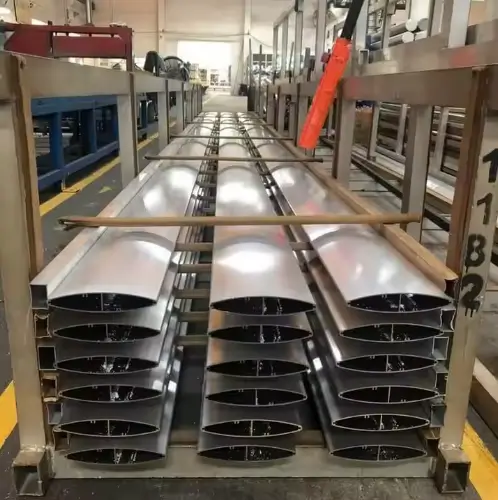
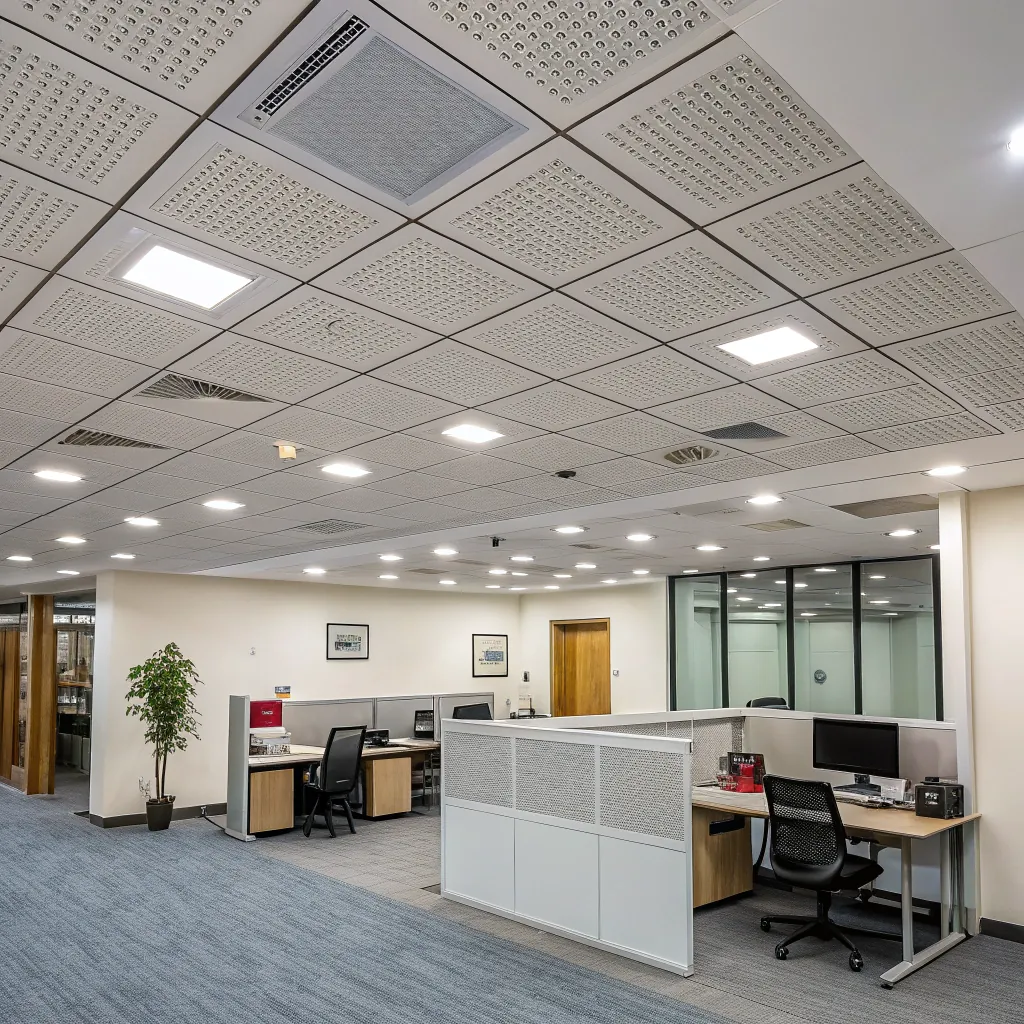
Aluminum extrusion custom mold development time?
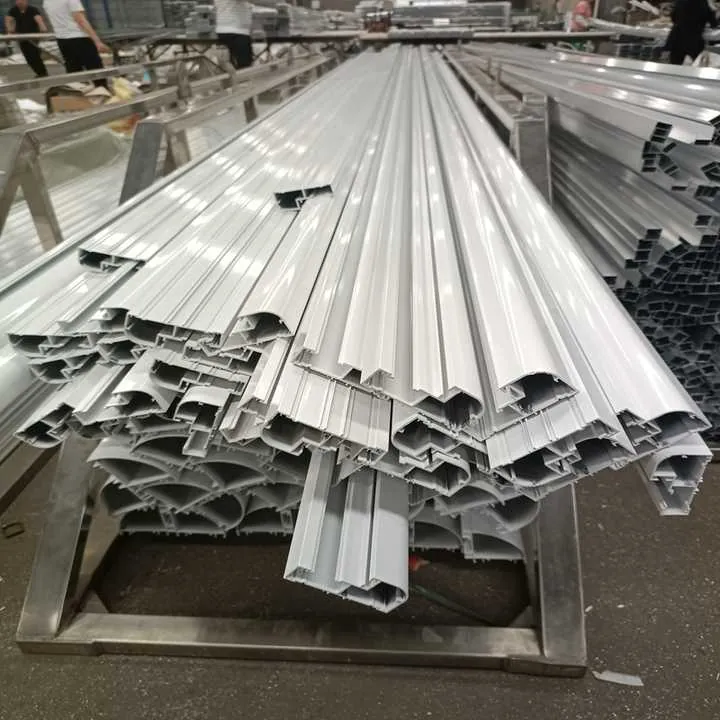
Need a custom aluminum extrusion mold but wonder how long it takes before you get final parts delivered. Timing matters for planning and cost control.
Generally mold creation takes between 4 to 12 weeks depending on complexity and readiness of drawings.
Understanding how the process works helps you set realistic timelines. Let me walk through the stages, variables, and what to expect before production begins.
How long does mold creation usually take?
Want your mold fast? Mold lead time decides when your parts can ship.
In a typical case, a simple mold is ready in about 4–6 weeks; a complex mold often needs 8–12 weeks or more.

Mold creation doesn’t follow one fixed schedule. It depends on many things. If your drawing is complete, and there’s no need for corrections, the tool shop can start quickly. But if dimensions are unclear or key specs are missing, things slow down.
Also, what kind of mold do you need? A single-cavity, solid profile mold is much faster to create than a multi-cavity, hollow die with thin walls. More geometry means more hours on the CNC machine and more polishing.
You also need a trial run. That test ensures the die produces good shapes. Sometimes the first trial works. Sometimes it doesn’t. Then they must adjust and try again. Each round might take a week or more.
Let’s say the tool shop is busy. Or the right steel is not in stock. Or your team changes the design mid-way. All these delay the schedule. That’s why professionals recommend placing mold orders early.
In short, mold creation usually takes:
- 4–6 weeks for simple shapes
- 6–8 weeks for medium-complex profiles
- 10–12+ weeks for high-complexity or multi-hollow dies
Planning extra buffer helps meet your real production deadline.
What stages are involved in mold development?
The tooling process is not just about making shapes — it’s a full journey.
Tool development includes drawing confirmation, design, machining, heat treatment, polishing, trial, and correction — each step adds time.
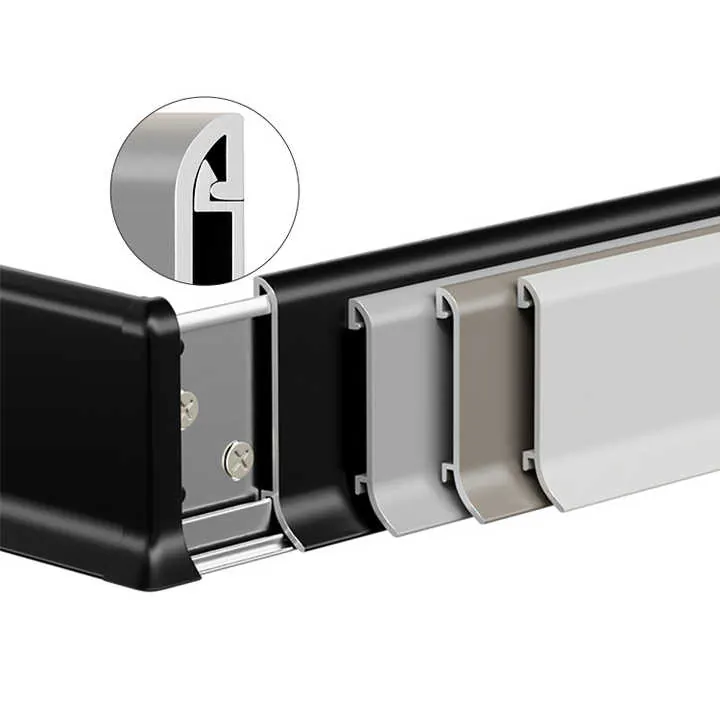
Here’s a breakdown of how aluminum extrusion dies are made:
| Stage | Details |
|---|---|
| Drawing review | Tool maker checks drawing, clarifies unclear specs, confirms dimensions. |
| Die design | Based on your profile, the engineer creates a 2D/3D die layout. |
| Raw steel prep | Die steel (usually H13) is selected, cut, and prepared. |
| Rough machining | CNC machines cut steel block into the shape of the mold. |
| Heat treatment | Tool is hardened to extend life and ensure precision. |
| Final machining | Detailed shaping and surface finishing happens here. |
| Polishing | Smooth internal surfaces reduce friction during extrusion. |
| Assembly | All parts of the mold are aligned and assembled. |
| First trial | Sample extrusion is done to check performance. |
| Correction | Based on test results, changes may be made. |
| Final approval | Once specs are met, mold is approved for production. |
Why this matters
Each stage affects the final quality. A missing tolerance or bad polish can cause defects. Stress relief during heat treatment prevents early wear. Trial runs catch real-world issues that drawings cannot predict.
If you work with experienced tool shops, many steps run in parallel to save time. Still, most shops need at least 3–6 weeks for the core steps, and 1–2 weeks for trials and corrections.
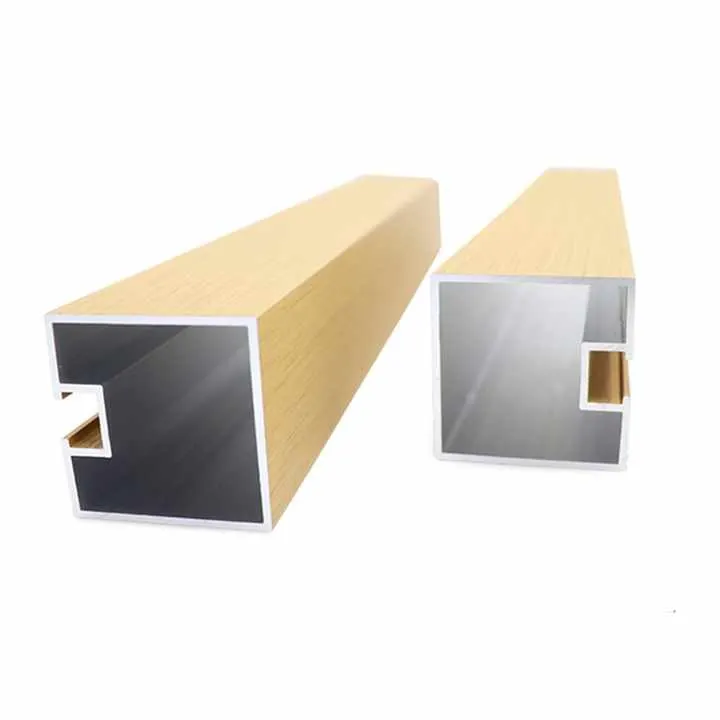
Aluminum extrusion molds go through a heat treatment stage to increase durability.True
Heat treatment is essential to harden the tool steel used in aluminum extrusion dies.
Mold development only requires CAD design and machining — no trial testing is needed.False
Trial testing is a critical step to ensure the mold works correctly and meets specifications.
Can tooling time vary by profile complexity?
Not all profiles are made equal — complexity changes everything.
Yes. The more complex the aluminum profile, the longer it takes to create and test the mold.
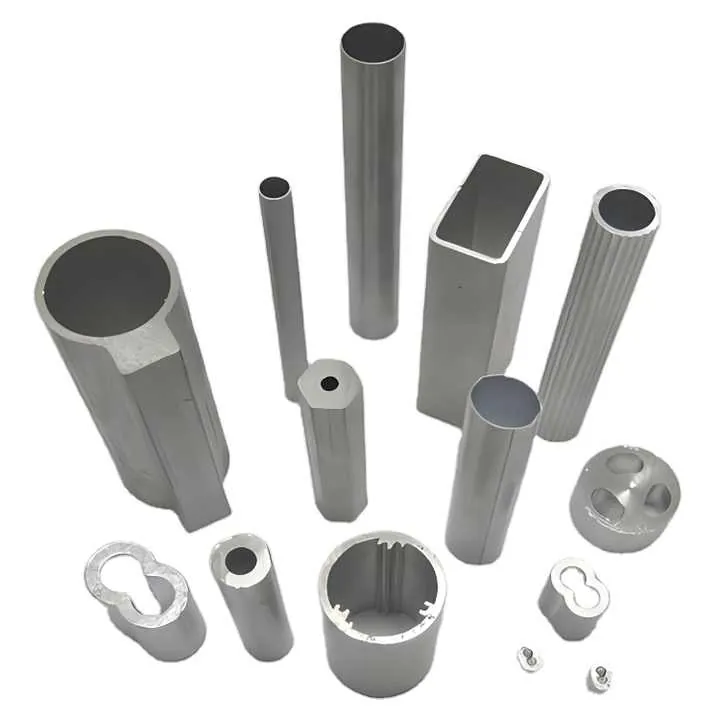
Let’s look at different complexity levels:
| Profile Type | Tooling Time | Notes |
|---|---|---|
| Simple solid | 4–6 weeks | Basic shapes, minimal testing |
| Hollow with 1 chamber | 6–8 weeks | Requires mandrel, some trial likely |
| Complex multi-chamber | 8–10+ weeks | Multiple alignment points, risk of flow issues |
| Thin-wall & deep rib | 10–12+ weeks | Needs precision polish, tight tolerance checking |
What makes a profile complex?
- Hollow parts: Need internal mandrels
- Thin walls: Need uniform flow control
- Deep fins or ribs: Risk of warping
- Tight tolerances: Extra trial and fine-tuning
- Special surfaces: May require extra polishing
Each adds machining time. Each increases the chance of rework. Let’s say you design a frame with 4 internal chambers and thin walls. One trial might not be enough. Flow problems can make walls too thick on one side and too thin on the other. Corrections can take days.
Also, profile length and size play a role. A very wide extrusion might need custom press settings, which means more trial and correction time.
Complex aluminum profiles may need more than one trial to reach the required tolerance.True
The more complex a shape is, the more likely it will need multiple correction cycles after initial trials.
All aluminum extrusion profiles, regardless of complexity, require the same tooling time.False
Simple shapes take less time, while complex profiles increase design, machining, and testing effort.
How is mold testing conducted before production?
Testing proves the mold works — it’s where specs meet reality.
Mold testing involves a controlled trial extrusion, inspection, corrections, and a second test before the mold is cleared for production.
Key steps in mold testing:
-
Trial Extrusion:
A billet is heated and pushed through the new mold. This produces a short piece of the target profile. -
Initial Inspection:
Check size, shape, surface quality. Look for cracks, waves, or uneven flow. -
Dimensional Testing:
Use calipers or 3D scanning tools to check against drawings. Focus on wall thickness, hole positions, and tolerances. -
Surface Check:
Is the finish smooth? Any burrs or rough edges? Does it meet anodizing or coating needs? -
Mechanical Testing (if required):
Pull tests or bend tests may be done if strength matters. -
Correction:
If results are off, tool maker adjusts the mold. Then it goes through a second trial. -
Final Approval:
When all checks pass, the mold is marked as approved for full production.
Why is this process needed? Without it, defects go into full production. That leads to scrap, rework, and lost time. Some projects — like architectural systems or solar frames — have zero room for dimensional error. One bad batch can delay an entire job site.
What’s the usual outcome?
- About 60% of molds pass in one or two trials
- 30% need two or more revisions
- 10% need re-design (often due to drawing errors)
That’s why we always build testing into the lead time plan.
Mold testing includes both visual inspection and dimensional measurement.True
Trial parts are tested for surface quality and measured to ensure they match the drawing.
Once a mold is machined, it goes directly to mass production without testing.False
Testing is mandatory to confirm the mold works correctly and meets design specifications.
Conclusion
Custom extrusion mold development is a detailed process, with timing affected by drawing quality, profile complexity, and testing cycles. Simple molds can be ready in 4–6 weeks, but more complex ones may need up to 12 weeks. Planning ahead ensures smoother delivery and better results.