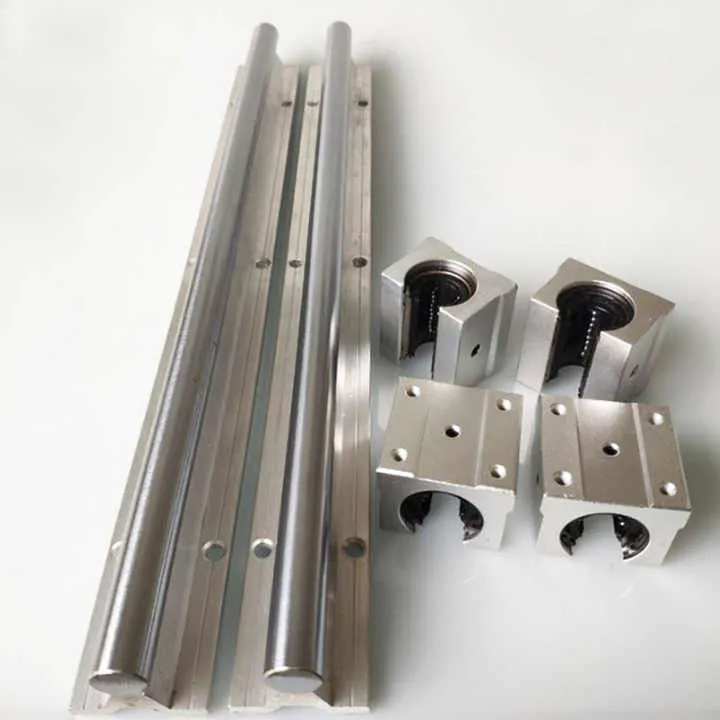
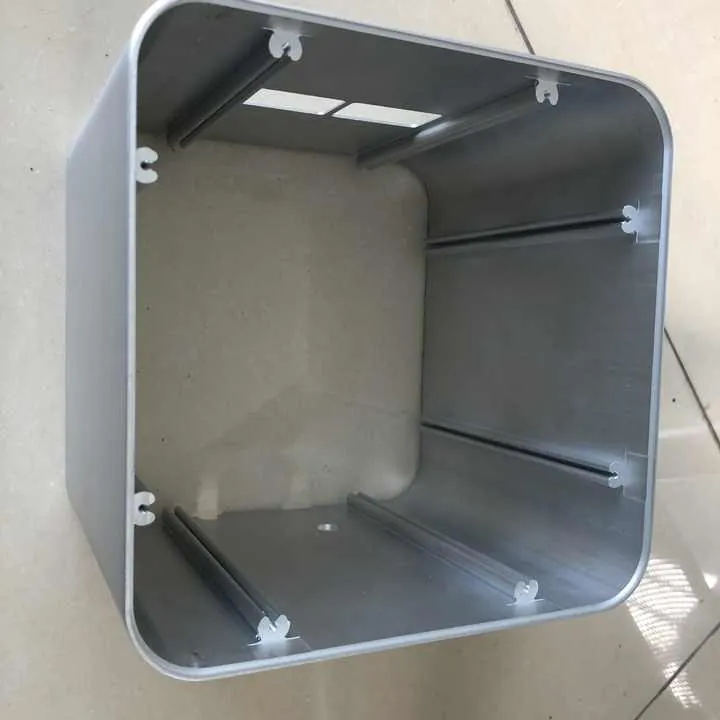
Aluminum extrusion compatibility with CNC processing?
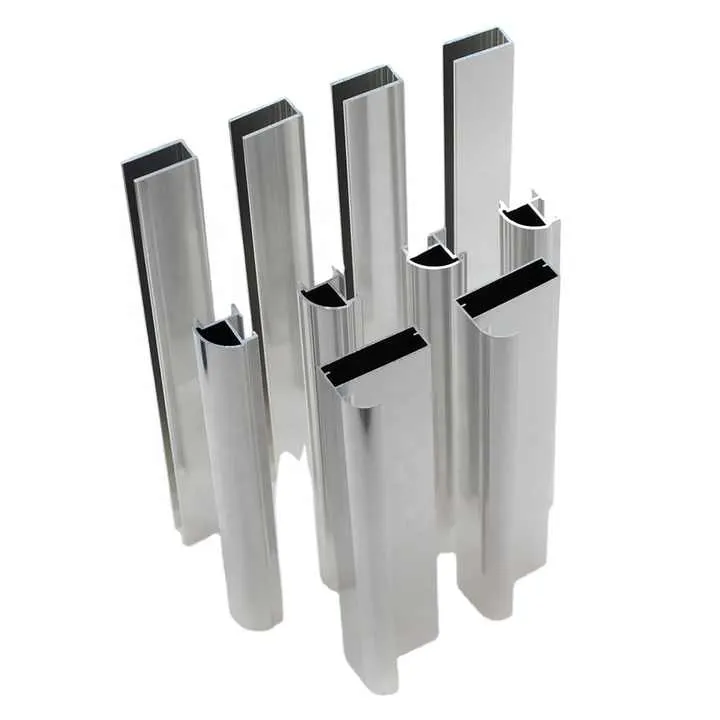
When manufacturers look at CNC machining, they often wonder if aluminum extrusion is up to the job. The worry: will extrusion hold tight tolerances and cut clean without hassle? Good news: it usually does.
Extruded aluminum works very well with CNC processing, thanks to its uniform cross‑section and soft yet stable metal structure that cuts clean and holds shape under milling and drilling.
That makes it ideal for CNC workflows in many industries. Below I explain why, how material traits matter, which CNC methods perform best, and when milling extruded profiles shows limits.
Now let’s dive deeper into each question.
Why is aluminum extrusion ideal for CNC processing?
Extruded aluminum often raises concerns: is it precise enough for CNC? That doubt can block design plans. Many ignore its strengths.
Because extrusion gives consistent shape and good surface quality, it reduces milling effort and leads to predictable CNC outcomes.
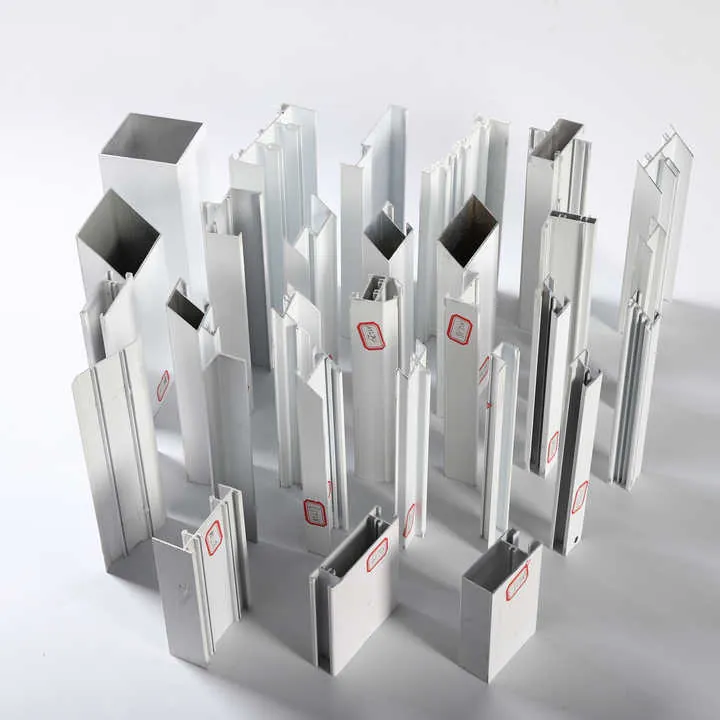
Extrusion is a process where aluminum billets are pushed through a shaped die to create a profile. The result is a part with a constant cross‑section. That uniformity is important for CNC.
First, with a consistent shape along the length, CNC programmers know exactly where material is. That helps avoid surprises in tool paths. Profiles stay the same from meter to meter, so cutting parameters remain stable.
Second, extruded aluminum has a smoother surface than many castings or rough‑cut stock. That reduces the need for heavy rough‑machining. The machine spends less time removing bulk material. That saves time and extends tool life.
Third, because extrusion happens under controlled pressure and heat, internal structure of the aluminum becomes more uniform. The grain flows along the length. That helps CNC cutting behave predictably. Chips come off cleanly. Burrs and tears are less likely.
Finally, extruded shapes often come close to the final geometry. For example, slots, channels or walls can be built into the profile. CNC then only needs cosmetic cuts or fine adjustments. This hybrid of extrusion plus CNC brings high precision with less waste.
Benefits summary
| Advantage | Why it matters for CNC |
|---|---|
| Uniform cross‑section | Consistent tool paths, predictable cuts |
| Smooth surface finish | Less rough machining, less tool wear |
| Aligned grain structure | Clean cuts, stable machining behavior |
| Built-in geometry | Reduced machining time, cost saving |
Because of these factors, extruded aluminum is often the first choice for CNC parts that need both structural strength and precise detailing. The synergy between extrusion and CNC lets manufacturers get good precision at lower cost.
Extruded aluminum profiles usually save CNC machining time because much of geometry is already formedTrue
Uniform cross‑section and built‑in features reduce material removal, cutting down CNC time.
Extruded aluminum always matches exact final dimensions so CNC becomes optionalFalse
Extrusion may come close but does not guarantee final tolerance or holes/slots precision, so CNC trimming or finishing is still needed.
How do material properties affect CNC performance?
Metals can behave differently under cutting. Some tear. Some shoot chips everywhere. That can affect finish and tolerance.
Alloy type, temper, and microstructure determine how well aluminum responds to CNC; better choice improves cut quality and reduces tool wear.

Extruded aluminum is not all the same. The base alloy, heat treatment, and temper condition matter a lot. These factors influence hardness, ductility, tensile strength, and machinability.
Key material properties for CNC
- Alloy grade: Common grades are 6063‑T5 or 6061‑T6. 6063 is softer, easier to cut, and leaves a good finish. 6061 is stronger and more rigid, but slightly harder on tools.
- Temper/heat treatment: Temper influences hardness and strength. A soft temper offers easier cutting, while a hard temper resists deformation but wears tools faster.
- Grain structure and homogeneity: Good extrusion results in aligned grain flow. That means chips break cleanly and cutting feels smooth. Poor grain flow may cause tearing or uneven surface.
- Surface hardness and coating: Sometimes the extrusion surface has hard oxide or anodized coating. That affects how CNC bit cuts. Coated surfaces may need different feed rates or special tool coatings.
Material comparison
| Alloy / Temper | Hardness / Strength | CNC Ease | Typical Use |
|---|---|---|---|
| 6063‑T5 | Low / Moderate | High — easy to cut | Window frames, light structural parts |
| 6061‑T6 | Medium‑High | Moderate — more tool wear | Load‑bearing structures, frames |
| Anodized 6063 | Surface hard | Lower — needs coated tools | Cosmetic parts, corrosion‑resistant parts |
In practice, if extrusion uses 6063‑T5, CNC mills and drills easily. Tool speed can be higher, finish smoother, burrs minimal. That suits parts where precision and appearance matter but strength is modest.
If extrusion uses 6061‑T6, CNC still works, but feeds need to be slower, tools sharper, coolant use optimized. The result is strong parts with good shape, but machining takes a bit more planning.
Also, if the profile is thick or hollow, internal stress or residual strain may matter. Sometimes stretching or warping occurs when cutting deep features. Choosing correct temper and allowing stress relief before machining helps.
Overall, the choice of material directly affects tool wear, surface finish, accuracy, and cost. Knowing the alloy and temper lets CNC engineers plan better.
6063‑T5 extruded aluminum is generally easier to machine than 6061‑T6True
6063‑T5 is softer and more ductile, which reduces cutting force and tool wear.
Anodized surface on extruded aluminum makes no difference to CNC cuttingFalse
Surface hardening from anodizing increases cutting resistance and may require coated tools or slower feeds.
Which CNC techniques work best on extruded aluminum?
Some CNC operations match extrusion better than others. Others may struggle with complex or delicate features.
Milling, drilling and tapping align very well with extruded aluminum; they take advantage of strong and uniform profiles while keeping cost and error low.
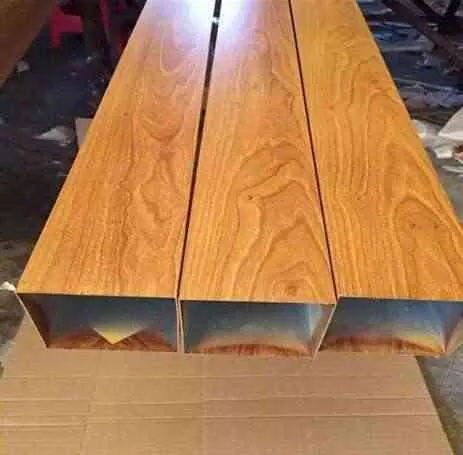
When machining extruded aluminum, some CNC methods stand out as efficient and reliable. They use the geometry and material traits to full effect.
Common effective CNC methods
| CNC Technique | Strength with Extrusion | Typical Use |
|---|---|---|
| Face milling & profiling | Good surface removal on flat areas | Creating flat faces, trimming edges |
| Slot milling & groove cutting | Built‑in profile channels save time | Forming channels for mounting or assembly |
| Drilling & tapping | Aluminum is soft enough for clean threads | Bolt holes, threaded inserts |
| Light contour milling | Maintains wall thickness and integrity | Final shaping, edges rounding |
| Chamfering & deburring | Helps finish aesthetic or functional edges | Removing sharp edges, prepping for assembly |
Because extruded parts already carry much geometry, CNC can focus on features like holes, slots, and cutouts. This reduces waste and machine time.
Milling works well because aluminum yields clean chips. That helps remove material quickly. Profiling extruded walls avoids the variable density found in castings or forgings. The outcomes are precise and repeatable.
Drilling and tapping perform reliably since aluminum’s ductility supports sharp threads without cracking. For tapped holes, coolant and correct tap speed prevent galling.
Chamfering and deburring are easier compared to cast parts. Extrusion has fewer imperfections, so edges respond well to light passes. This improves surface finish and safety.
In addition, combining extrusion with CNC enables effective production workflows. For example: first extrude a profile with rough geometry; then perform CNC drilling, milling, and tapping. That yields a high‑precision part at lower material cost.
However, some CNC techniques like heavy slotting or deep pocket milling may still be used. Their success depends on wall thickness and support. For thick walls, these operations work. For thin walls, risk of vibration or deformation grows.
In my experience with many extrusion‑CNC projects, combining extrusion with light to moderate CNC machining brings the best balance of cost, precision, and strength.
Drilling and tapping extruded aluminum is generally reliable and cleanTrue
Aluminum’s ductile nature allows for neat thread cutting without cracking or tearing.
Heavy deep‑pocket milling always works well on extruded aluminum regardless of wall thicknessFalse
Thin walls in extruded profiles may deform or vibrate during deep milling, causing poor accuracy.
Are there limitations when milling extruded profiles?
Even good processes have limits. Some features or shapes may cause trouble when cutting extruded aluminum.
Thin walls, deep pockets, or parts needing tight tolerances may challenge CNC milling on extruded aluminum. Recognizing limits helps avoid wasted parts.

Extrusion gives many benefits, but the uniform profile also brings constraints. The shape can be complex but still fixed along length. CNC cannot add material. Milling on extruded profiles must respect what is already there.
Common limitations and risks
- Thin wall deformation: If a profile has thin walls or narrow webs, deep milling or cutting heavy material can bend or shake them. Machining distortion leads to inaccuracy or rejection.
- Internal cavities or hidden hollows: Some extruded shapes have channels inside. Accessing them with CNC cutters may be impossible. The risk is tool collision or inability to reach.
- Lack of stock material: Extrusion gives exact shape. If CNC needs a thick section for tapped holes or strong joints, there may not be enough material. Retrofitting is impossible.
- Tolerance limits: Extrusion tolerance is good but not as tight as CNC‑machined stock. If part demands ±0.05 mm or finer flatness throughout, relying on extrusion plus light milling may not meet spec.
- Stress concentration and cracking: Cutting near thin walls or corners may produce stress risers. Under load or vibration, parts might crack especially if material is brittle or heat‑treated.
Design vs CNC feasibility table
| Design requirement | Risk with extrusion + CNC |
|---|---|
| Very thin walls + deep milling | Wall bending / vibration → poor accuracy |
| Internal, inaccessible geometry | CNC bit may not reach → cannot machine |
| Need extra material for threading | Not enough stock → weak joint |
| Tight overall flatness and tolerance | Extrusion tolerance too coarse → fails specs |
| High load areas near milled edges | Stress riser may cause crack or failure |
When designing for CNC milling on extrusions, it helps to plan within safe bounds. If the wall is thin, avoid deep milling. If a cavity is internal and unreachable, redesign or use different process. If tolerance is tight, consider full CNC from billet rather than extrusion.
For many projects, extrusion‑plus‑CNC works well. But when designs push structure limits — thin walls, deep cuts, tight flats — pure CNC or alternate materials may be better.
In one past project, a client ordered a thin‑wall profile for light structural frame. We tried deep pocket milling. The walls bent under the tool pressure. The part warped. We had to scrap the batch. That showed clearly the limit.
Always check wall thickness, support, and required tolerances before committing to extrusion + CNC.
Thin walls in extruded profiles can bend or deform under deep CNC millingTrue
Lack of material support causes vibration or bending when cutting deep features from thin walls.
Extruded aluminum always suits tight tolerances better than fully CNC‑machined billetFalse
Extrusion tolerances are wider and less precise than full CNC milling from billet; for high precision parts, billet CNC is better.
Conclusion
Extrusion plus CNC gives a strong mix: fast shape, good surface, and precise detailing. For most structural or cosmetic parts, it works well. When structure is delicate or tolerances tight, consider full CNC or adjust design. Think early. Choose wisely.