Aluminum extrusion common cross section shapes?

Designers often pick poor shapes. That drains material and weakens parts. The right shape saves weight and raises strength while cutting waste.
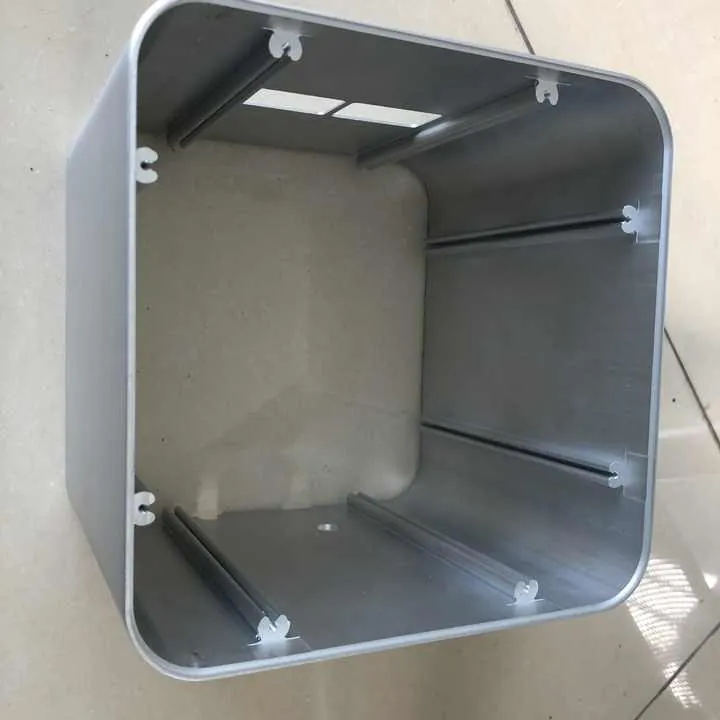
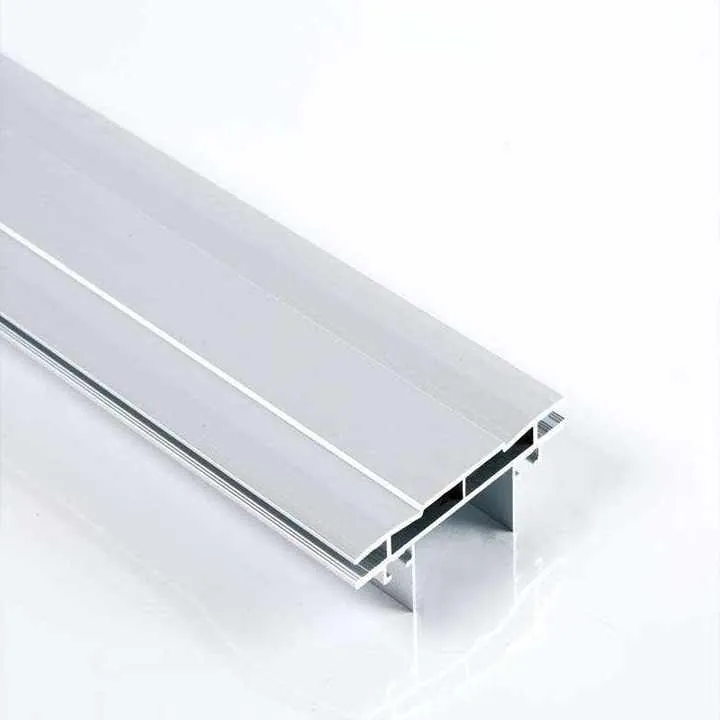
Common aluminum extrusions include rectangles, angles, channels, T‑sections, and hollow tubes. These shapes cover most needs and match many applications.
Next I show how shape choice matters and what guides that choice.
What shapes are most frequently extruded in aluminum?
Many profiles use simple shapes. Designers favor easy forms for cost and strength.
The most frequent shapes are solid rectangles, square tubes, C‑channels, L‑angles, and T‑profiles. These shapes appear often because they balance ease of production, strength, and versatility.
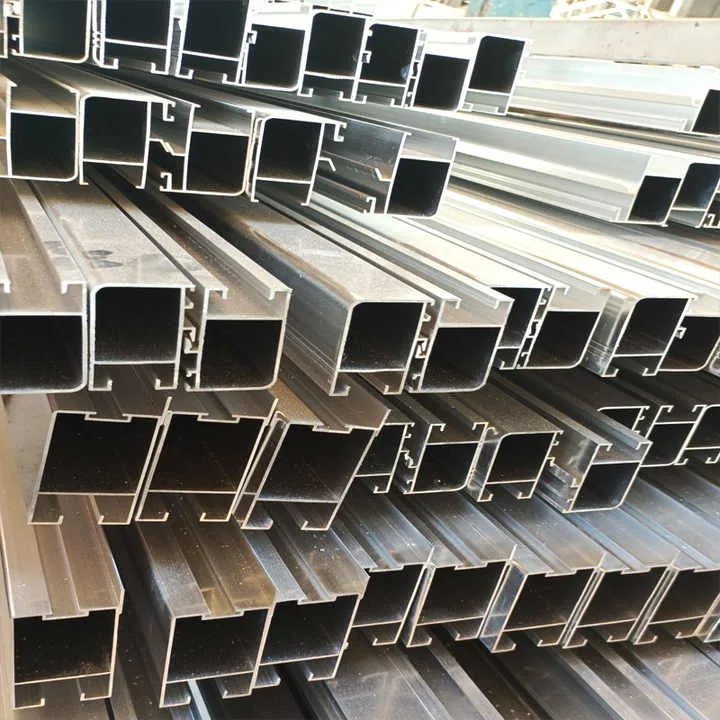
Common shapes and their features
Here is a table of common shapes and where they appear:
| Shape | Description | Typical use |
|---|---|---|
| Solid rectangle / square bar | Full solid cross‑section | Framework, supports, base plates |
| Square or rectangular hollow tube | Hollow inside, thin walls | Lightweight frames, conveyors |
| C‑channel | U‑shaped with open side | Mounting rails, rails for sliding |
| L‑angle (angle profile) | Right-angle “L” section | Corner frames, brackets, braces |
| T‑profile | T‑shaped | Structural supports, rails, reinforcements |
These shapes dominate extrusion because manufacturers reuse tooling, and buyers prefer low cost, versatile solutions.
Solid rectangle and hollow tube profiles are among the most common aluminum extrusions.True
These shapes appear frequently because they are simple, economical, and serve many structural uses.
I‑beams are the most common aluminum extrusion shape used worldwide.False
I‑beams are less common than rectangles, angles, channels or hollow tubes; typical extrusions favor simpler shapes.
How does application influence cross‑section choice?
Different jobs need different shapes. Using the wrong shape wastes material or reduces strength.
Application drives profile shape: heavy load needs solid bars, frames need hollow tubes, beams use channels or angles. The job type dictates shape design.
Matching shape to function
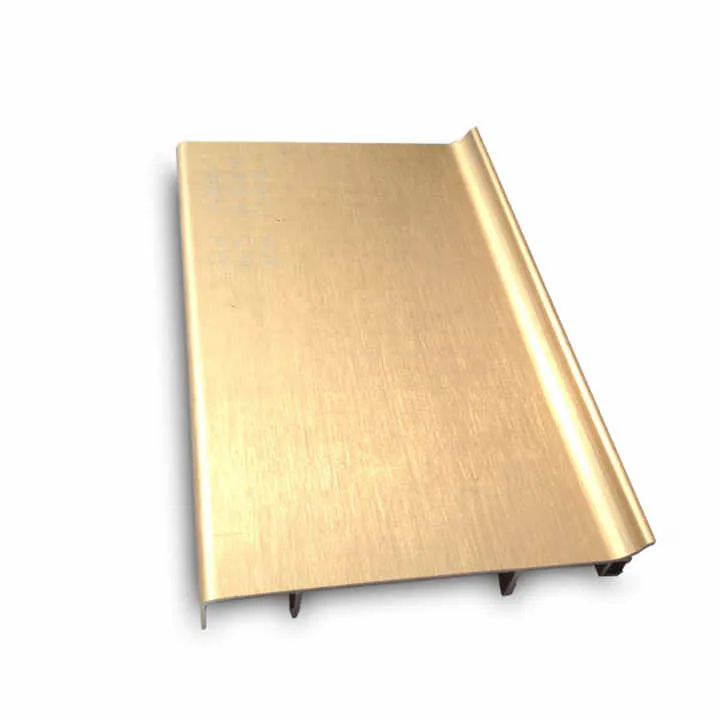
When a part must carry heavy load, use solid bar or thick-walled tube. If weight matters more, hollow tubes or thin-walled shapes help. For frames or enclosures, channels or angles give structure and allow easy assembly. T-profiles or channels are used for rails. Thin-wall custom profiles fit decorative or casing roles.
| Application | Profile choice | Why it works |
|---|---|---|
| Heavy structural support | Solid rectangle, thick-walled tube | Strongest option |
| Lightweight machine frame | Hollow tube, rectangular hollow | Saves weight, easy to mount |
| Sliding guides | C-channel, T-profile | Open side for movement |
| Corner braces | L-angle, channels | Rigid and simple |
| Thin panels or covers | Thin-wall profiles | Efficient and aesthetic |
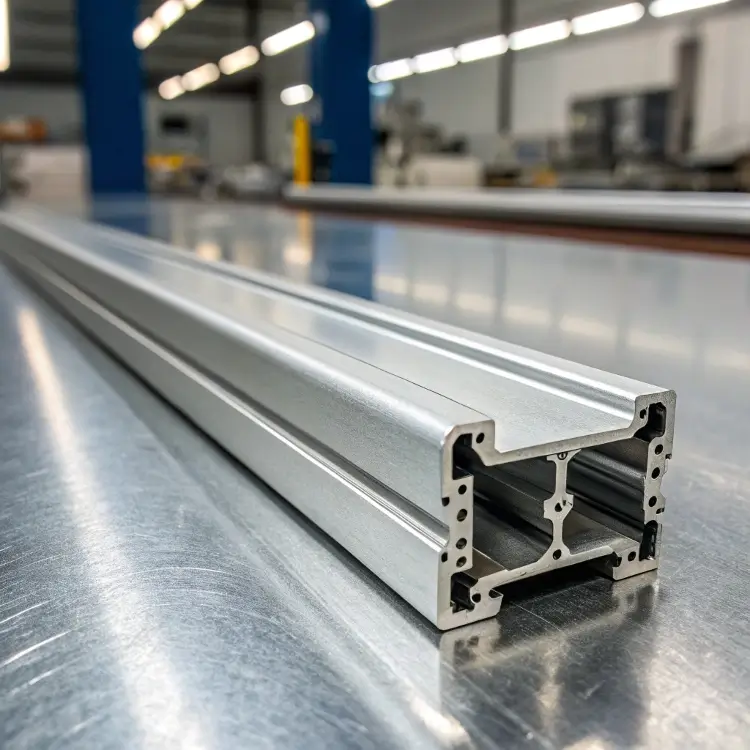
Shapes match jobs. One client used heavy solid bars for a frame—wasteful. Another used thin hollow tubes for a load-bearing arm—it bent. Right choice matters.
Engineers often choose hollow tubes for frames when weight matters and load is moderate.True
Hollow tubes reduce weight yet can provide enough stiffness and strength for moderate loads.
Any application requiring sliding parts always uses solid rectangular bars.False
Sliding parts often run in channels or T‑profiles to allow attachments or movement, not solid bars.
Can hollow shapes offer better strength-to-weight ratio?
Hollow shapes often give strength with less weight. That seems ideal. But does that always hold?
Yes. Hollow tubes can give higher strength‑to‑weight than solids. That makes them efficient for many structural uses.

Why hollow works well
Material farther from center increases moment of inertia. That boosts bending resistance. Hollow tubes with wide outer diameter resist bending well while saving material.
Example:
- Solid square bar (50 mm x 50 mm): ~785 g/m
- Hollow square (50 mm outer, 45 mm inner): ~500 g/m
- Similar stiffness, much lighter
Table: Solid vs Hollow
| Type | Weight/meter | Strength | Ideal for |
|---|---|---|---|
| Solid bar | Heavy | Strong under all loads | Heavy frames |
| Hollow tube | Light | Strong in bending, weaker in point load | Light frames |
Advantages:
- Lower material cost
- Lighter structure
- Easier cable routing
- Better thermal behavior
Weaknesses:
- Dents under local force
- Needs thicker walls for torsion
- May twist more in long spans
A hollow tube can have better strength‑to‑weight ratio than a solid bar of same outer size.True
Because material is farther from center axis, hollow tube resists bending efficiently while using less material.
Hollow profiles are always stronger than solid bars in every condition.False
Under point loads or local compression, solid bars may resist better; hollow profiles are not always superior.
Are symmetrical profiles easier to manufacture?
Symmetry helps metal flow evenly. Manufacturing may go smoother with balanced shapes.
Symmetrical profiles often extrude more smoothly and yield fewer defects. Balanced shapes give uniform material flow through the die.
How symmetry helps
Extrusion forces metal through a die. Symmetrical shapes reduce risk of:
- Uneven wall thickness
- Warping after cooling
- Die failure
Cooling also stays even. Less twist, more straight lines. Dies wear out slower too.
Asymmetrical profiles cause problems. One project used an offset “J”-shape. Output twisted unless cooling was corrected. The fix added webs inside to balance metal flow.
Symmetrical dies:
- Reduce production error
- Speed up cycle time
- Lower cost
- Extend die life
Asymmetrical shapes still have their place. But they need careful design, more time, and higher cost.
Symmetrical cross‑section profiles tend to extrude more reliably with fewer defects.True
Symmetry ensures even metal flow and uniform wall thickness, which reduces defects.
Asymmetrical profiles are always cheaper and easier to manufacture than symmetrical shapes.False
Asymmetrical shapes often cause uneven flow, require more die work and may produce defects, so they are neither cheaper nor easier.
Conclusion
Choosing the right cross‑section shape for aluminum extrusion affects strength, cost, and function. Rectangles, tubes, angles and channels fit most needs. Hollow designs improve efficiency. Symmetry helps production. Good choices lead to strong, cost-saving, reliable parts.