Aluminum Edge Trim VS Stainless Steel Trim Strip?
I have faced the challenge of choosing between aluminum and stainless steel trims many times. I know this decision affects project success deeply.
When choosing trim material, key strengths determine the best fit for each project. I will compare aluminum and stainless steel trims in detail.
What are the key strength differences between aluminum and stainless steel trims?
I once saw an installation fail easily due to wrong material choice. That taught me to check strength closely.
Aluminum trims are lighter and easier to handle, but stainless steel trims are stronger and more rigid.

I will break down main strength aspects:
Strength Comparison Table
| Property | Aluminum Trim | Stainless Steel Trim |
|---|---|---|
| Density | ~2.7?g/cm3 | ~8.0?g/cm3 |
| Tensile strength | 200–300 MPa (e.g., 6063-T5) | 500–800 MPa (e.g., 304, 316) |
| Yield strength | ~170 MPa | ~250 MPa |
| Hardness | Soft to medium | Hard and wear-resistant |
| Impact resistance | Dents more easily | Resists dents and deformation |
Why aluminum is easier but softer
Aluminum alloys like 6063-T5 have a tensile strength around 200–300 MPa and yield strength near 170 MPa. These values let aluminum bend easily on site. That is great for quick work. However, aluminum dents under heavy impact.
Why stainless steel is rigid and tough
Stainless steel alloys like 304 or 316 have tensile strength around 500–800 MPa. Yield strength is near 250 MPa. This metal resists bending and stays firm. It also handles wear and impact well.
Practical effect in installations
For simple edge trim, aluminum works fine. But for high-traffic or exposed corners, stainless steel is better. It keeps shape and resists dents. That makes it ideal for public areas or industrial sites.
Correct choice depends on use:
- Light-duty: aluminum
- Heavy-duty or structural: stainless steel
Aluminum trim is suitable for light-duty applications but not for structural loads.True
Aluminum’s tensile strength (~200–300 MPa) supports light loads, while stainless steel supports higher loads (~500–800 MPa).
Stainless steel trims are always better because they are harder.False
Stainless steel is stronger but also much heavier and costlier, making it less suitable for projects where weight and cost matter.
How do cost differences impact material choice?
I once proposed stainless steel for a project, but the client switched to aluminum to save money. That was a practical lesson.
Aluminum trims cost less both in material and installation, while stainless steel is pricier from purchase to labor.
Cost Breakdown Table
| Cost Component | Aluminum Trim | Stainless Steel Trim |
|---|---|---|
| Raw material price | Low to moderate | Moderate to high |
| Fabrication cost | Lower labor cost | Higher labor cost |
| Transportation cost | Cheaper (lightweight) | Higher (heavier) |
| Long-term cost | May need replacement | Longer life span |
| Installation tools | Basic | Specialized |
Material cost
Aluminum costs less per kilogram. That means lower raw material prices. That suits low-budget projects.
Fabrication and labor
Aluminum is softer, so cutting, bending, and installation are easier. Workers need less time and tools. Stainless steel needs stronger tools and more labor, increasing cost.
Shipping and handling
Aluminum trims weigh less, so shipping costs drop. That helps on large orders or remote sites. Stainless steel is heavier, so it costs more to ship.
Durability vs. cost
Stainless steel lasts longer with less maintenance. Aluminum might need replacement if damaged. A cost-benefit check on long life vs initial cost is important.
- Short-term budget: aluminum
- Long-term durability: stainless steel
Aluminum trims offer lower initial cost but may incur extra replacement cost over time.True
Aluminum is cheaper upfront but may need replacement due to dents, increasing long-term cost.
Stainless steel is always the cheapest option in the long run.False
Stainless steel is more durable but costs more upfront, and in low-risk uses this may not offset its higher initial price.
Which material performs better in humid or coastal environments?
I visited coastal buildings and saw that wrong trim choice caused corrosion. I learned to always pick based on environment.
In wet or salty environments, stainless steel (grade 316) performs better. Aluminum resists corrosion but still reacts in salt air.
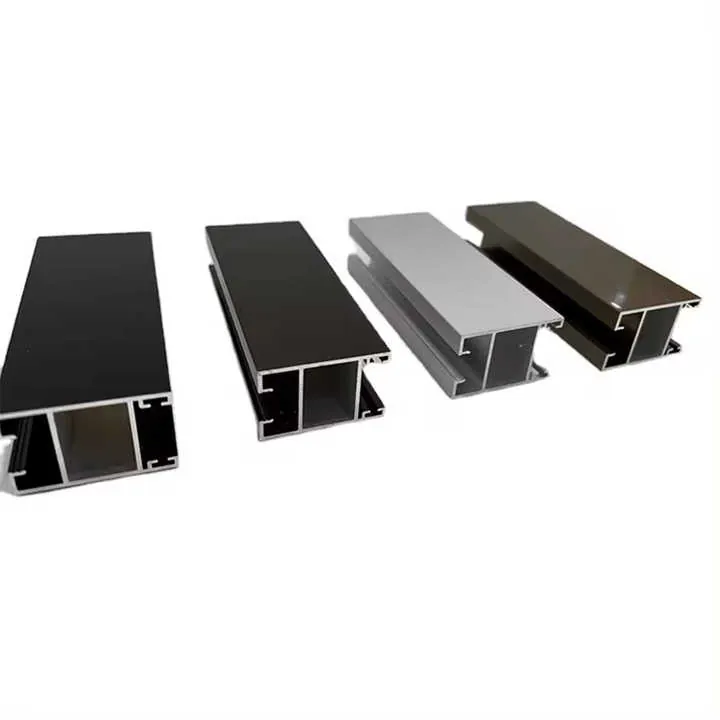
Corrosion Performance Table
| Condition | Aluminum Trim (6063-T5) | Stainless Steel Trim (304 vs 316) |
|---|---|---|
| Humid environment | Forms oxide layer; mostly resistant | Very resistant; slight rust possible |
| Coastal (salt-laden air) | Risk of pitting and corrosion | 316 resists salt best; 304 less so |
| Chemical exposure | Vulnerable to alkaline / acid | More resistant, 316 best choice |
| Maintenance need | Regular cleaning | Minimal cleaning |
Aluminum in humidity and salt
Aluminum forms a protective oxide layer. That helps resist corrosion in humidity. But in coastal or salty air, that oxide can break down. Pitting and white corrosion (aluminum hydroxide) may occur. Surface coatings help but need upkeep.
Stainless steel, especially grade 316
Stainless steel has chromium and nickel. Grade 316 has added molybdenum to resist salt well. It resists rust even in marine conditions. Grade 304 is good in humidity but less so in salt. Stainless steel trims need minimal maintenance.
Cleaning and upkeep
- Aluminum: needs regular washing and occasional re-coating
- Stainless steel 316: just rinse to remove salt; low maintenance
Use guide:
- Interiors and mild climate: aluminum is okay
- Coastal or humid + external use: 316 stainless steel
Stainless steel 316 trim resists coastal corrosion better than aluminum.True
Grade 316 stainless steel has molybdenum which protects against chloride-induced corrosion in coastal environments, while aluminum is more prone to pitting.
Aluminum trim needs no coating in coastal environments.False
Uncoated aluminum can corrode in salt air, so coatings or anodizing are needed for protection.
How does each trim type affect overall aesthetic appeal?
I worked with architects who care about looks. They choose trims based on finish and style.
Aluminum offers many finishes and colors, while stainless steel gives a sleek, modern, and premium look.
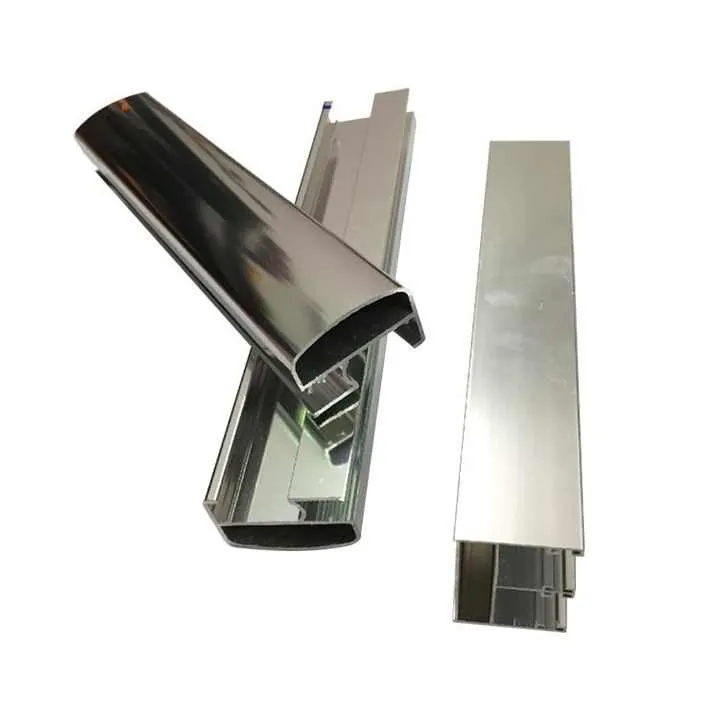
Aesthetics Comparison Table
| Aspect | Aluminum Trim | Stainless Steel Trim |
|---|---|---|
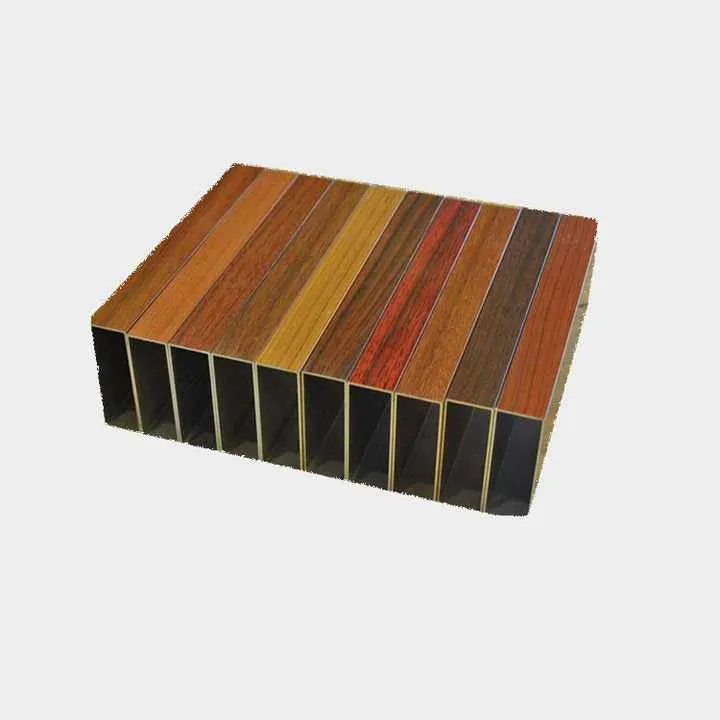
| Finish options | Anodized, powder-coat, color, wood grain | Brushed, polished, satin, mirror |
| Color variety | Wide range available | Mainly metallic tones |
| Visual style | Customizable to match design scheme | Strong, clean, minimalist, upscale |
| Texture | Can simulate wood, stone | Smooth, reflective, textured (brushed) |
| Aging look | Fades or scratches on surface | Patina or scratch-resistant polish |
| Visual weight | Light, subtle profile | Solid, bold presence |
Aluminum finishes
Anodizing gives a lasting color. Powder-coating offers many hues. Aluminum can mimic wood or stone using special prints. I used color options to match brand palette well.
Stainless steel look
It gives clean metallic tones that suit modern designs. Brushed finishes hide fingerprints. Polished mirror needs more care but looks luxurious. It offers bold and premium impression.
Aging and wear
Aluminum can show wear over time. A scratch may expose base metal. Stainless steel resists scratches and keeps the finish. It looks premium even after years.
Visual impact in design
- For vibrant or color-coded design: aluminum works best
- For minimalist, strong, high-end look: stainless steel is ideal
Stainless steel trim maintains its finish with less visible aging.True
Stainless steel resists scratches and marks better than coated aluminum, preserving its aesthetic longer.
Aluminum trim offers more color and texture options than stainless steel.True
Aluminum can be anodized or powder-coated in various colors and patterns, while stainless steel stays metallic.
Conclusion
Choosing the right trim means matching strength, cost, environment, and look. I use this guide to pick material wisely every time. It helps clients get durable, good?looking results that fit budgets.