Aluminum Corner Trim A Great Choice for Home Decor?
I have faced ugly corners in my living room. I saw chipped paint and dents. I felt annoyed. I found aluminum corner trim solved my problem nicely. Now I share why it works for home decor.
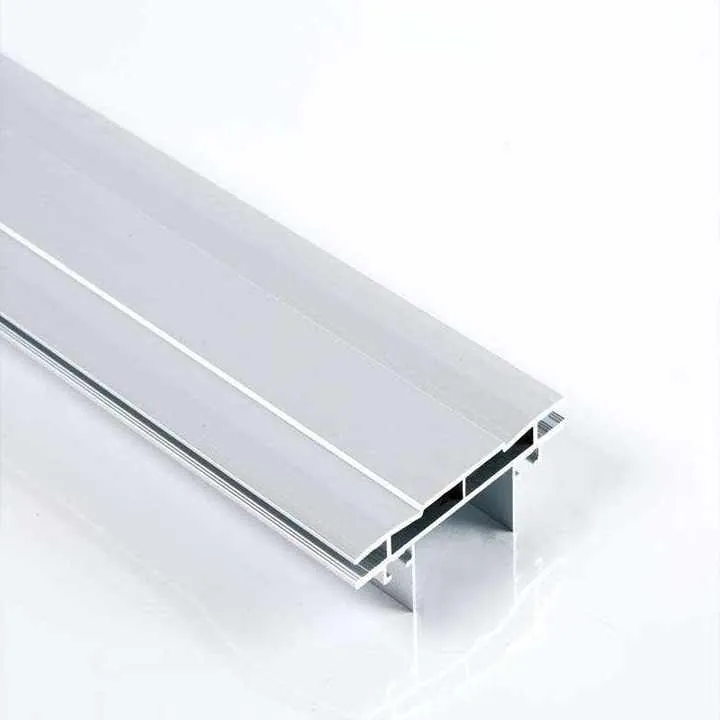
I use aluminum corner trim and it improves both look and durability of walls. It gives a clean line. It helps hide damage. It adds style with a sleek metal edge. It fits many decor styles easily. You just pick the right profile and finish.
I will guide you through benefits, style options, installation, finishes, and colors to help choose ideal trim for your space.
What are the benefits of aluminum corner trim for interiors?
I saw corners in my home wear out fast. I used aluminum corner trim and it stopped chips and cracks. It also made cleaning easier.
Aluminum corner trim protects interior corners and boosts visual appeal while staying low‐maintenance and durable.
I want you to read more because this trim can save time on repairs and add neat lines in your rooms.
Aluminum corner trim offers many benefits. It protects corners from impact, scuffs, and wear. It stops paint from peeling at edges. It also hides uneven drywall joints. In high traffic areas like hallways or living rooms it keeps corners looking sharp.
I will share deeper info next.
Protection and durability
Aluminum is strong. It resists dents, scratches, and moisture. It stands up to knocks from furniture or daily use. Unlike plastic or wood, aluminum does not crack under stress. It also resists mold and mildew. This is handy in damp areas like bathrooms or kitchens even though we focus on living areas.
Sleek modern look
The metal edge adds a clean, modern line to walls. It gives a subtle style upgrade. You can choose wide, narrow, bullnose, or square profiles. Each creates different visual effect. The clean metal edge suits minimalist, contemporary, or even industrial interiors well.
Low maintenance
You seldom need to repaint or replace trim. A quick wipe cleans dirt or fingerprints. Aluminum stays looking new for years. Unlike painted wood trim that chips paint over time, aluminum keeps its finish.
Easy to customize
Aluminum corner trim comes in many lengths, profiles, and finishes. You can cut it to fit any wall height. You can choose colors to match wall paint or metal accents in furniture. Some protect you from fire or impact by combining aluminum with rubber or PVC backing.
Cost and long term value
The initial cost may be slightly higher than plastic trim. But long term, you avoid repeated repairs or repainting. Installation is quick so labor cost can drop. Overall it gives value by saving time and maintenance cost.
Let me show a comparison table:
| Feature | Aluminum Trim | Wood or Plastic Trim |
|---|---|---|
| Impact resistance | High | Moderate to low |
| Maintenance effort | Very low | Medium |
| Moisture resistance | Excellent | Varies |
| Aesthetic modernity | Sleek, metal lines | Style may age |
| Long-term cost of upkeep | Low | High due to repainting |
Another table to highlight durability vs aesthetics:
| Benefit | How it helps interior decor |
|---|---|
| Protection | Keeps corners damage-free in busy rooms |
| Visual definition | Sharp edges add defined lines to wall transitions |
| Clean finish | No gaps or chips showing over time |
| Easy upkeep | Just wipe with damp cloth |
Which corner trim profiles suit different decor styles?
I looked at modern and classic homes. I found each style works best with certain trim shapes. I tested narrow square edges in my study and bullnose curve in my lounge. Each changed the room mood.
Different aluminum corner trim profiles match decor from minimalist to cottage to industrial, so pick profile style that fits your room mood.
Decor style and trim profile should match. A narrow square edge works in minimalist rooms. A curved bullnose edge suits classic or cottage style. A broader angled trim pairs well with industrial or modern farmhouse themes.
Here are examples:
Minimalist and modern interiors
I chose narrow square or l-shaped trims in my home office. These trims are simple and sharp. They create clean lines without adding visual bulk. The slim profile keeps walls light and airy. In rooms with monochrome or neutral tones, the square trim blends in seamlessly.
Classic and cottage interiors
In a cottage style living room, I selected a bullnose profile with a soft rounded edge. It blends well with beadboard or tongue-and-groove panel walls. The gentle curve adds warmth. It creates a softer junction that matches a cozy, traditional setting.
Industrial or modern farmhouse
I tried a wide angled edge in my kitchen remodel. This trim gave a bold outline. With visible screws or brushed finish it felt raw and rustic. The heftier shape stands out and fits exposed beam or reclaimed wood decor.
Transitional and eclectic styles
I used medium-width trim with chamfer or eased edge in my hallway. It strikes a balance between soft and bold. It suits mixed style themes where neither ultra-modern nor fully traditional elements dominate.
Table: Profile vs Style
| Decor Style | Recommended Trim Profile | Effect |
|---|---|---|
| Minimalist / Modern | Narrow square or l-shape | Clean, sleek, discreet lines |
| Classic / Cottage | Bullnose or rounded edge | Warm, soft, traditional feel |
| Industrial / Farmhouse | Wide angled or chamfered edge | Bold, raw metal presence |
| Transitional / Eclectic | Medium width eased edge | Balanced and versatile look |
This helps you choose by style: match snugly with your room design. If you want subtle edge, go narrow. If you want trim to stand out, choose wide or angled. Curved edge softens classical rooms. Straight lines suit modern rooms best.
How to install aluminum corner trim in living areas?
I installed trims in my lounge and hallway. I learned easy steps. I saved money and got clean corners. Follow these steps to install trim yourself.
You can install aluminum corner trim easily with basic tools; start with clean corners, secure with adhesive or screws, then finish with caulk or paint.
Installing is simple but must follow steps. First measure and prep. Then cut trim to fit. Apply adhesive or fasten screws. Finish seams and corners. Paint or silicone seal if needed. Below is the full process.
1. Preparation
Clean corner surfaces. Remove loose paint or plaster. Walls must be dry and smooth. Measure height of wall and cut trim pieces slightly longer. Use fine saw or trim cutter. Always wear safety gloves and goggles when cutting aluminum.
2. Applying adhesive or screws
I prefer construction adhesive like acrylic or silicone base. Apply adhesive along back side of trim. Press trim firmly into corner. Use spacers to hold in place until adhesive sets (30–60 minutes). For heavier trim you may also drive small screws at top and bottom, countersinking them. Use trim nails or small finish screws.
3. Joining trim pieces
When one piece ends, cut the other to overlap or butt joint neatly. For overlaps, slide second piece over first by 5–10 mm. Apply a bit of adhesive at joint. Align tightly. Wipe excess adhesive promptly.
4. Sealing and finishing
After adhesive cures, fill small gaps with paintable caulk. Smooth using a wet finger or tool. Let dry fully. If trim is unpainted and finish matches wall, you may not need caulk. For painted finishes, you can touch up paint edge or caulk seam to blend.
5. Final clean and inspection
Wipe trim with soft cloth to remove dust. Check for any loose spots. Test by lightly tapping. Trim should feel solid. Clean any fingerprints or adhesive residue.
Table: Tools and materials
| Item | Purpose |
|---|---|
| Tape measure | Measure wall height |
| Aluminum trim strips | Corner protection and aesthetic |
| Fine-tooth saw or cutter | Cutting trim to length |
| Construction adhesive | Bond trim to wall |
| Small screws or nails | Extra fastening if needed |
| Caulk (paintable) | Seal joints and gaps |
This step by step makes installation DIY-friendly. I found it helped me save labor cost. You can complete a living room corner in less than an hour once you get used to it. If walls are uneven, you may need to shim or add whitener before trim. But most drywall corners are straight enough for metal trim.
Be sure to check manufacturer instructions—they often provide recommended adhesives or mounting kits. Some trims come with backer strip which clips in place. If corners are 90°, square trim works. For angled corners, specialized angle trim may be needed.
What finishes and colors are available for aluminum corner trim?
I looked at many finishes. I chose anodized silver for modern rooms and painted white for minimalist. I also tested wood grain finish for rustic decor. There are many finish options.
Aluminum corner trim is available in anodized, powder-coated, brushed, stainless look or wood grain finishes to match your style and color palette.
Finish choice affects both look and durability. Anodized or brushed metal gives industrial and modern tone. Powder coated colors match wall paint or décor. Wood grain finish blends with rustic or traditional rooms. Some trims offer satin or matte textures.
Common finish options
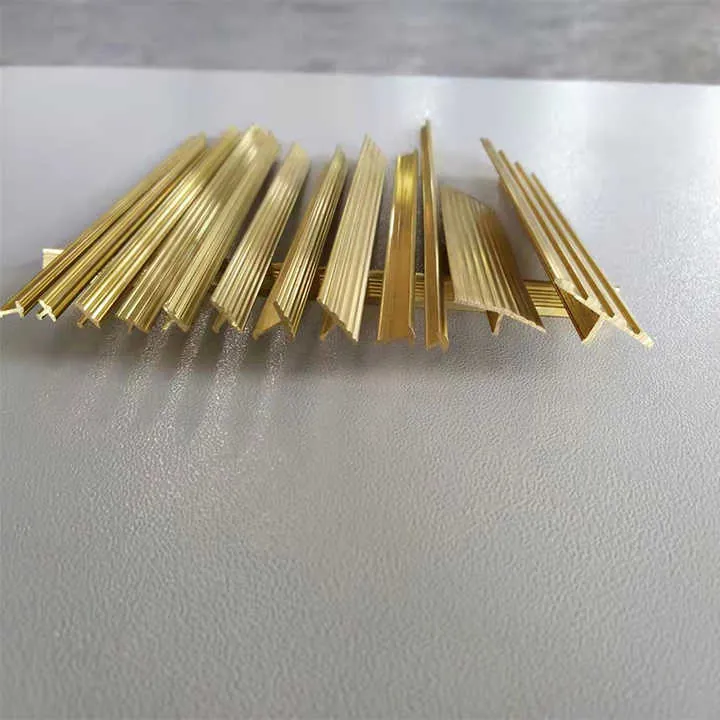
- Anodized natural or colored aluminum: Provides corrosion resistance and clean metallic shine. Available in natural silver, bronze, champagne.
- Powder coating: Comes in RAL colors (matte or gloss). Perfect to match wall colors or trims.
- Brushed metal: Adds texture and subtle shine. Good for industrial, modern themes.
- Wood grain effect: A film applied to aluminum that mimics oak, walnut or maple. Ideal for farmhouse or cottage interiors.
- Stainless look: High polish, mirror effect aluminum to mimic stainless steel. Great for sleek kitchens or bathrooms.
Color choices
Manufacturers offer a wide palette. You can choose white, black, gray, navy, red, or custom color to match paint. There are sample swatches you can request. Some brands accept custom RAL or Pantone color orders.
Durability of finishes
Anodized and powder coated surfaces resist scratches and wear better than painted wood trims. The finish won’t peel if applied properly. Wood grain coatings are protected by a clear layer. Moisture resistance remains strong.
Matching finishes to decor
In my lounge I used anodized silver trim to match stainless appliances and brushed light fixtures. In my hallway I chose white powder coating to blend with white walls. In my cottage-style bedroom I chose walnut wood grain finish for warmth.
Table: Finish types and best uses
| Finish Type | Look and Texture | Best Decor Style |
|---|---|---|
| Anodized aluminum | Metallic, smooth | Modern, minimalist, industrial |
| Powder coated color | Matte or gloss | Custom matches, crisp finishes |
| Brushed metal | Textured sheen | Industrial, transitional |
| Wood grain wrap | Warm wood appearance | Cottage, farmhouse, rustic |
Table: Color palette examples
| Finish Option | Example Colors | Decor Match |
|---|---|---|
| Anodized | Silver, bronze, champagne | Contemporary or high-tech rooms |
| Powder coated | White, black, pastel tones | Color-coordinated interiors |
| Brushed metal | Brushed silver, bronze tint | Loft, warehouse converts |
| Wood grain wrap | Oak, walnut, maple | Cozy, traditional bedroom |
Conclusion
I have shown why aluminum corner trim is smart for interior spaces. It protects walls, adds style, and fits many looks. Installation is simple and finishes are versatile. Choose the right profile and finish to match your decor. It gives long-lasting quality and clean lines.