Aluminum Anodizing: The Finish Of Choice
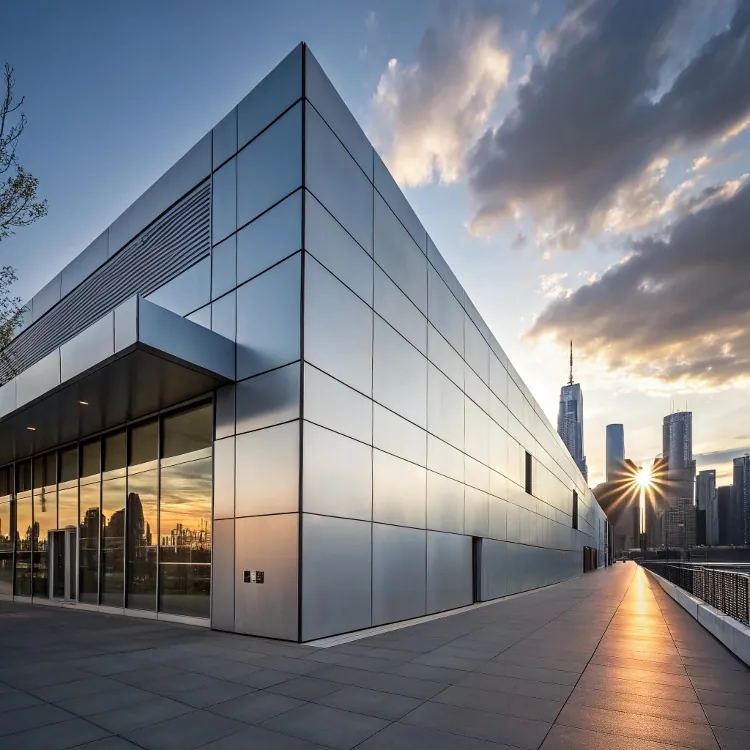
Aluminum looks great. But raw aluminum? Not so much. It scratches, it dulls, and it corrodes. That’s where anodizing steps in—making aluminum look better and last longer.
Anodized aluminum has a hard, durable, and attractive finish that resists corrosion and wear, making it ideal for both functional and decorative applications.
Anodizing does more than just protect. It transforms. From sleek architectural lines to the fine chassis of tech gadgets, anodizing is behind many premium aluminum surfaces. Let’s dig into how and why this finish stands out.
What is the finish of anodised aluminium?
It’s easy to confuse shiny aluminum with polished metal or painted parts. But anodizing creates a very different type of surface.
The finish of anodised aluminum is matte to satin, with excellent corrosion resistance, color retention1, and a consistent appearance.
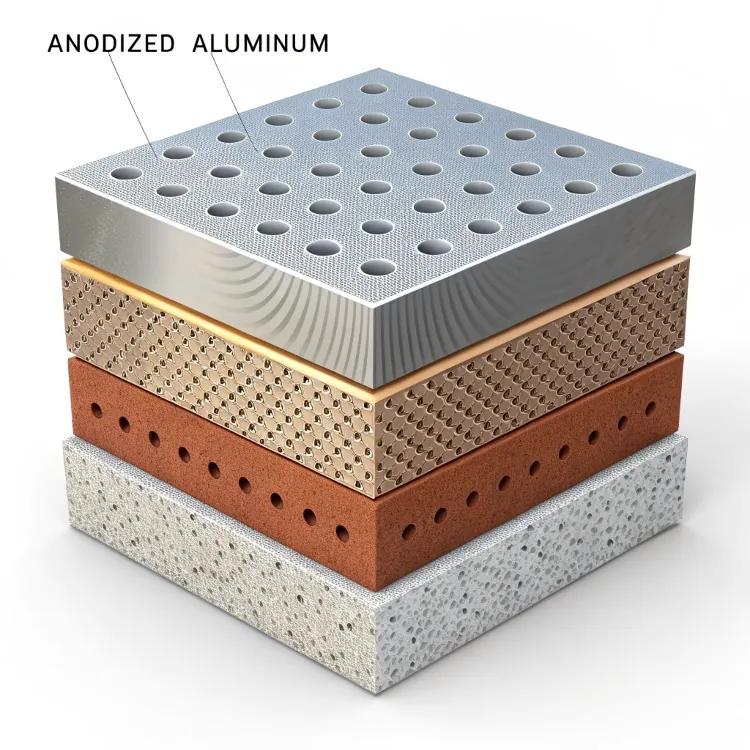
The anodized layer is not a coating. It’s part of the metal. It forms when aluminum is exposed to an electrolytic process, creating a controlled oxide layer that’s harder than the base metal. This finish doesn’t peel or chip like paint. It becomes integral.
Key Characteristics of Anodised Finish
| Property | Description |
|---|---|
| Texture | Smooth, satin-like, or slightly matte |
| Hardness | Much harder than raw aluminum |
| Color | Natural silver or dyed in various stable colors |
| Durability | Excellent resistance to abrasion and UV |
| Maintenance | Easy to clean, doesn’t require frequent upkeep |
Unlike brushed or polished aluminum, anodized surfaces resist fingerprints and minor abrasions. The finish can also be dyed in deep blacks, bronzes, reds, or even blues—common in consumer electronics and architecture.
Anodized aluminum has a coating layer that can peel off over time.False
Anodizing forms an oxide layer that becomes part of the metal itself; it does not peel.
Anodized finishes are ideal for long-term outdoor exposure.True
The anodic layer resists UV rays, corrosion, and fading, making it suitable for outdoor use.
What is the anodising method of finishing?
When I first learned about anodizing, I thought it was like painting. But the method is more chemical than cosmetic.
Anodizing aluminum involves an electrochemical process that converts the metal surface into a durable, corrosion-resistant, anodic oxide finish.
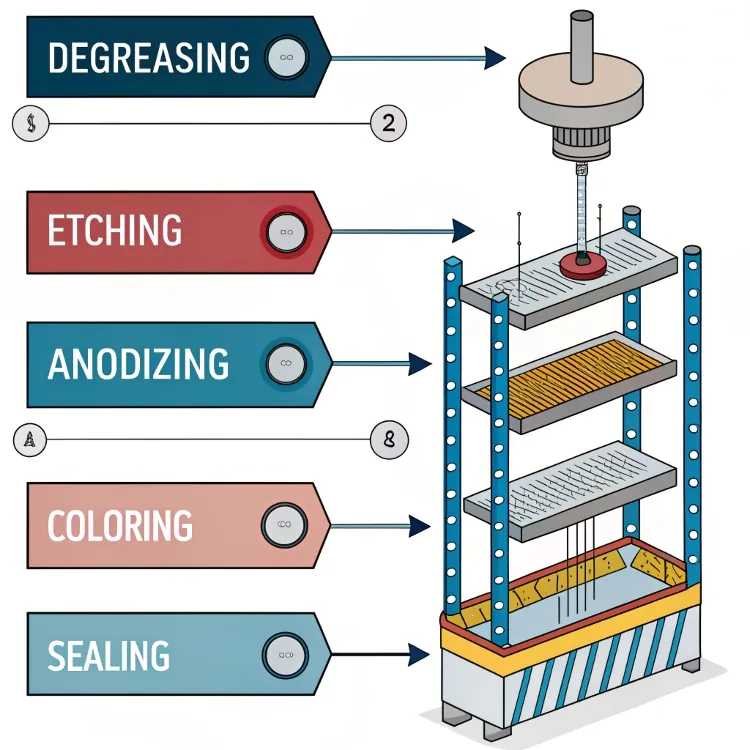
The process involves several precise steps:
Anodizing Process Overview
| Step | Description |
|---|---|
| Cleaning | The aluminum is cleaned to remove any grease, dust, or oxides |
| Etching | Often done in alkaline solution to create a uniform surface |
| Desmutting | Removes any residues from etching |
| Anodizing | Electrochemical process in an acid electrolyte bath under DC current |
| Coloring | Optional—anodic layer can be dyed or left natural |
| Sealing | Closes the pores in the oxide layer for better resistance and appearance |
The electrochemical process2 creates microscopic pores on the aluminum surface. These pores are where dyes can enter, allowing for color customization. After coloring, the pores are sealed—usually in hot water or steam—to lock in the finish.
There are different anodizing types too:
- Type I: Chromic acid anodizing (thin coatings)
- Type II: Sulfuric acid anodizing (common for decorative and industrial uses)
- Type III: Hard anodizing (thicker, wear-resistant coatings)
The anodizing process uses a powder coating to create color on aluminum.False
Anodizing uses dye absorbed into microscopic pores, not powder coating.
Sulfuric acid is commonly used in anodizing aluminum.True
Type II anodizing, the most common type, uses sulfuric acid as the electrolyte.
What is the 720 rule for anodizing aluminum?
Before I got into aluminum finishing, I had never heard of the 720 rule. But it’s crucial for precise anodizing.
The 720 rule is a guideline that relates the ampere-minutes per square foot to the thickness of the anodic layer, ensuring consistency in the anodizing process.

What the 720 Rule Means
The “720 rule3” helps calculate the required time and current to reach a desired coating thickness. It says that it takes 720 ampere-minutes per square foot to build 1 mil (0.001 inch) of anodic coating4 using sulfuric acid anodizing.
Why It Matters
This rule allows anodizers to precisely control the thickness of the oxide layer. For example:
- Want a 0.5 mil coating? You need 360 amp-min/sq ft.
- Want 2 mils for a hard anodized part? You’ll need 1,440 amp-min/sq ft.
Maintaining this precision ensures the finish performs as expected—especially for parts used in aerospace, automotive, or marine environments where every micron counts.
The 720 rule is used to measure voltage in anodizing.False
The 720 rule measures the ampere-minutes per square foot needed to build anodic coating thickness.
Anodizing thickness can be controlled using the 720 rule.True
Yes, by adjusting current and time, you can target exact anodic layer thicknesses.
Does anodizing change surface finish?
This is one of the most asked questions by clients. I’ve seen cases where customers expect a glossy look but get something matte.
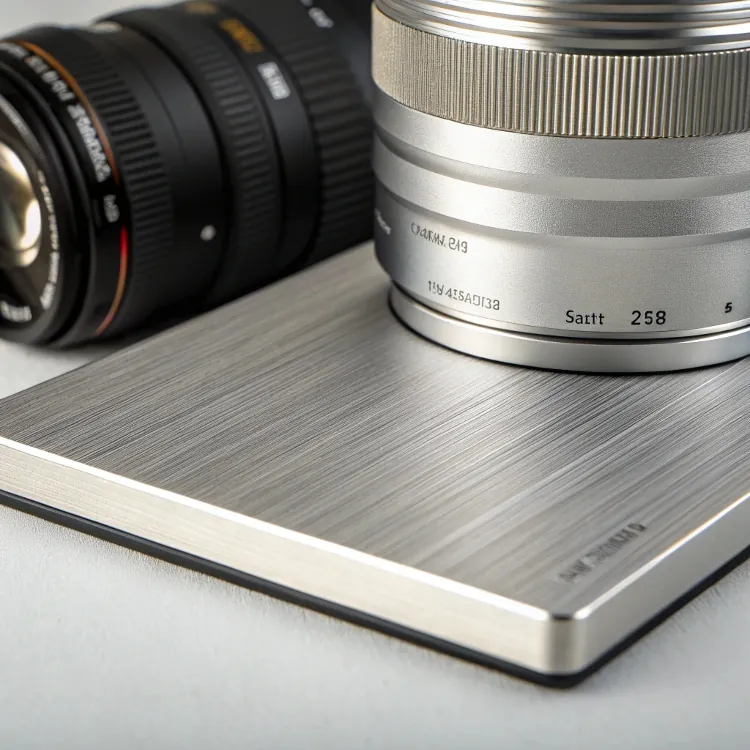
Yes, anodizing does change the surface finish. It typically results in a matte or satin appearance and may slightly dull polished surfaces.
Surface Effects of Anodizing
The final look depends on both the original aluminum surface and the anodizing5 conditions:
- Polished Aluminum: Becomes more satin, loses mirror-like quality
- Brushed Aluminum: Maintains texture, adds depth
- Raw Cast Aluminum: Becomes more even, but pores may remain visible
Why the Change Happens
Anodizing involves etching and oxide growth. These steps subtly alter the surface texture. The oxide layer scatters light, which is why the shine is reduced.
Finish Control Tips
- If gloss is important, minimize etching and use polished aluminum6.
- For consistency, use similar alloys and pre-treatment across batches.
- Consider post-anodizing polishing or sealing options.
Anodizing makes polished aluminum shinier.False
Anodizing typically reduces the gloss of polished aluminum, giving it a more matte finish.
Anodizing can enhance a brushed aluminum look.True
Yes, anodizing deepens the appearance of brushed finishes and improves durability.
Conclusion
Anodizing isn’t just a protective process—it’s a design decision. It transforms how aluminum looks, feels, and performs. Whether you want durability, aesthetics, or both, anodizing remains the top finish of choice for modern aluminum parts.
-
Discover how anodising helps maintain vibrant colors over time, making it ideal for aesthetic applications. ↩
-
Learn about the electrochemical process involved in anodizing, which is crucial for creating durable finishes on metals. ↩
-
Understanding the 720 rule is essential for achieving precise anodizing results, especially in critical applications. ↩
-
Learning about anodic coating will help you appreciate its role in enhancing aluminum’s durability and performance. ↩
-
Understanding anodizing is crucial for anticipating changes in surface finish, ensuring you achieve the desired aesthetic for your aluminum products. ↩
-
This resource will clarify the transformation of polished aluminum during anodizing, guiding you in your material choices and expectations. ↩