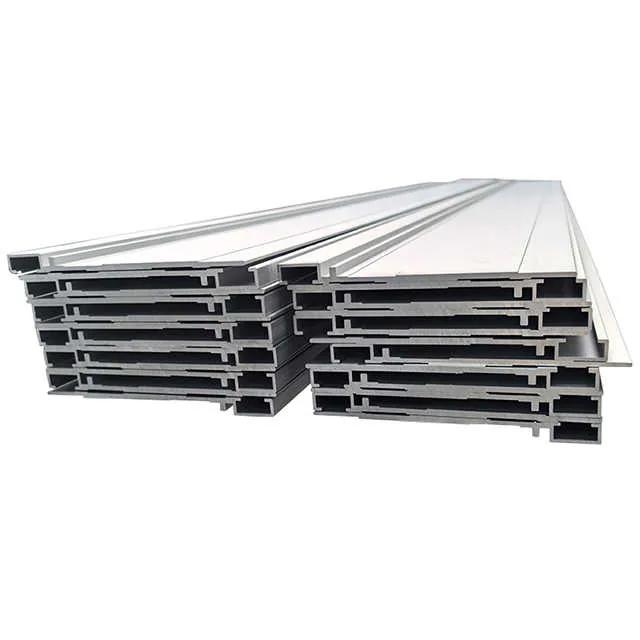
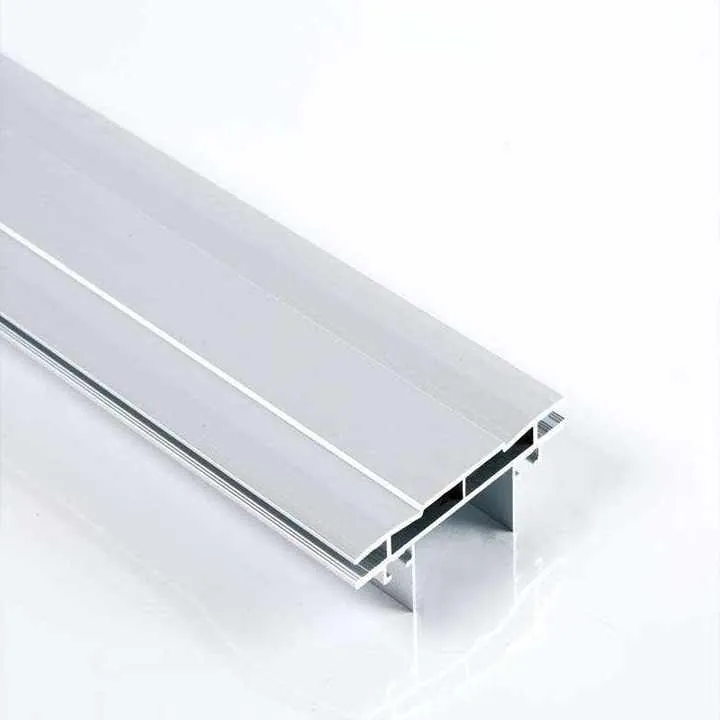
How aluminium profiles are used in airport buildings?
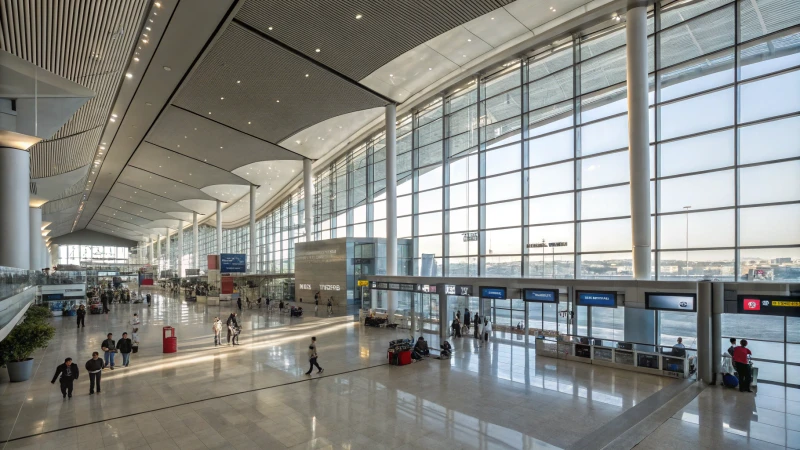
Are you curious about the role of aluminum profiles in modern airport architecture?
Aluminum profiles are extensively used in airport buildings due to their lightweight, high-strength characteristics, offering flexibility in design, easy installation, and low maintenance costs. These materials enhance both the aesthetics and functionality of airport structures, making them ideal for such high-traffic environments.
In this post, we will delve deeper into the various applications and advantages of aluminum profiles in airport architecture, providing valuable insights for architects, builders, and industry enthusiasts.
Aluminum profiles enhance airport building aesthetics.True
The lightweight and versatile nature of aluminum profiles allows for innovative designs that improve the visual appeal of airport structures.
Aluminum profiles require high maintenance in airports.False
Contrary to this claim, aluminum profiles are known for their low maintenance needs, making them ideal for busy airport environments.
What are the key benefits of using aluminum profiles in airport construction?
Aluminum profiles offer numerous advantages in airport construction, from aesthetic appeal to practical benefits. Let’s explore the key benefits that make aluminum a preferred choice for modern airports.
Using aluminum profiles in airport construction provides lightweight strength, design flexibility for large spans, quick installation, low maintenance costs, and versatility in combining with other materials for enhanced aesthetics.
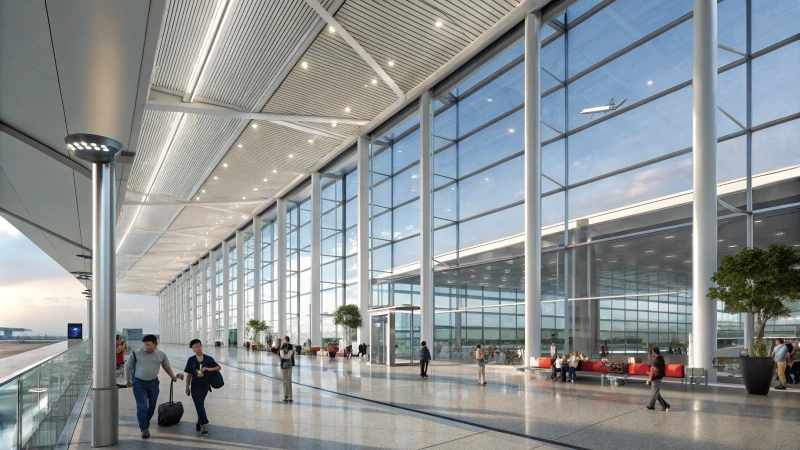
Demand for Lightweight and High-Strength Materials
Airports require materials that are both lightweight and strong due to their high-traffic nature. Aluminum profiles, such as square tubes, offer an elegant appearance while promoting safety. They help create a bright environment, enhancing passenger experience.
Their transparent design promotes air circulation, contributing to a spacious feel in terminal areas. By utilizing aluminum, airports can ensure durability without compromising on aesthetics. For more on this aspect, explore designing with aluminum1.
Advantages in Large Span Structures
Aluminum profiles are particularly beneficial in large span structures often found in airports. Their plasticity allows them to be easily bent or welded into various shapes, offering designers the flexibility to create unique architectural features.
For example, aluminum square tubes can support not only straight designs but also curves, which can significantly enhance visual appeal. This adaptability makes aluminum a popular choice among architects and engineers. To see examples of large-span applications, check out aluminum structures2.
| Feature | Aluminum Profiles | Traditional Materials |
|---|---|---|
| Weight | Lightweight | Heavier |
| Strength | High | Moderate to Low |
| Flexibility | High | Limited |
| Aesthetic Appeal | Excellent | Varies |
Quick Installation and Low Maintenance Costs
In the context of public buildings like airports, the speed of installation and maintenance is critical. Aluminum profiles are designed for quick assembly, requiring minimal tools, which accelerates the setup process.
Additionally, their low maintenance costs make them attractive for airport construction. Routine maintenance becomes more straightforward, allowing for efficient repairs and reducing overall expenses associated with upkeep. Learn more about cost-effective construction practices at cost-saving strategies3.
Integration with Other Building Materials
Aluminum profiles can be combined with various materials such as glass or wood to create diverse aesthetic effects in airports. This synergy enhances both the visual and functional aspects of construction.
For instance, pairing aluminum square tubes with glass can provide a modern look while maintaining structural integrity. Such combinations allow architects to design spaces that are both beautiful and practical. For more on material integration, refer to combining materials4.
Aluminum profiles enhance passenger experience in airports.True
Their lightweight and elegant design promotes safety and air circulation, creating a bright and spacious environment for passengers.
Aluminum profiles are heavier than traditional construction materials.False
Contrary to this claim, aluminum profiles are lightweight, making them ideal for airport construction.
How do aluminum profiles enhance the aesthetic appeal of airport interiors?
Discover how aluminum profiles are transforming airport interiors by adding aesthetic value while maintaining practicality.
Aluminum profiles enhance airport interiors by providing lightweight, versatile designs that integrate seamlessly with other materials, ensuring quick installation and low maintenance while improving passenger experiences.
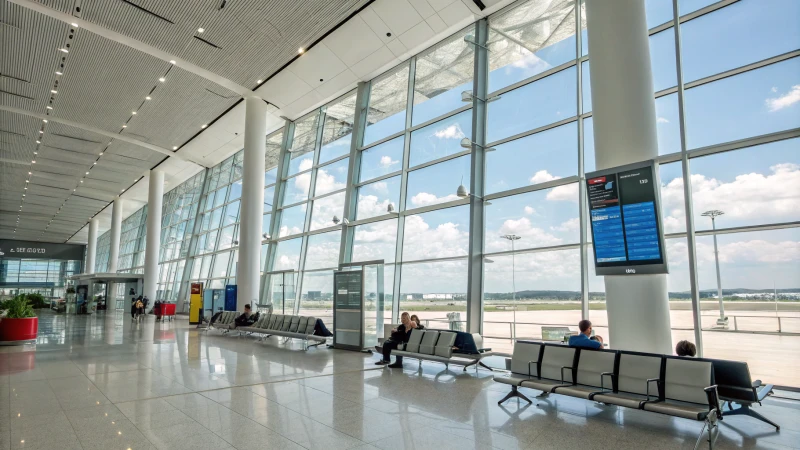
The Role of Aluminum in Design
Aluminum profiles are not just functional; they play a pivotal role in enhancing the design of airport interiors. Their lightweight nature allows for intricate designs that add elegance without compromising structural integrity.
For instance, aluminum baffle ceilings can create an upscale appearance while promoting air circulation, resulting in a spacious atmosphere. This is crucial in high-traffic areas like airports where comfort is essential. Learn more about baffle ceilings5 to explore different designs and their benefits.
Versatility in Architectural Aesthetics
The versatility of aluminum profiles enables designers to explore various forms and styles. They can be bent, welded, or shaped into complex designs that cater to modern architectural aesthetics. This flexibility is essential in creating visually appealing spaces that meet the demands of contemporary travelers.
For example, using curved aluminum profiles can soften the lines of an airport interior, making it feel more welcoming and less industrial. Check out examples of curved designs6 to inspire your next project.
Integration with Other Materials
Aluminum profiles can be seamlessly integrated with materials like glass and wood, allowing for diverse decorative effects. This combination enhances the visual appeal and provides unique stylistic atmospheres throughout the airport.
| Material | Aesthetic Effect | Functionality |
|---|---|---|
| Aluminum | Sleek, modern look | Lightweight structure |
| Glass | Transparency, openness | Natural lighting |
| Wood | Warmth, organic feel | Acoustic properties |
This table demonstrates how the integration of aluminum with other materials can enhance both aesthetics and functionality in airport design. Discover the benefits of material integration7 for your projects.
Quick Installation and Maintenance Benefits
Airports require materials that can be installed quickly and maintained easily due to their operational needs. Aluminum profiles are advantageous in this aspect; they typically require minimal tools for installation, making them ideal for busy environments.
This quick installation translates to less downtime for renovations or repairs, which is crucial in keeping airports running smoothly. Explore efficient installation techniques8 for aluminum profiles to ensure your projects are completed on time.
Enhancing Passenger Experience
Ultimately, the aesthetic appeal of airport interiors directly impacts passenger experience. By utilizing aluminum profiles to create beautiful and functional spaces, airports can significantly enhance how travelers feel in transit.
A well-designed interior promotes relaxation and comfort, crucial for long journeys. Learn about the impact of design on passenger experience9 to understand why aesthetics matter.
Aluminum profiles improve airport interior aesthetics.True
Aluminum profiles enhance the aesthetic appeal of airport interiors through versatile designs and integration with other materials, creating a welcoming atmosphere for travelers.
Aluminum is heavier than wood for airport designs.False
Contrary to this claim, aluminum is lightweight, making it ideal for intricate and functional designs in high-traffic areas like airports.
What are some innovative examples of aluminum usage in recent airport projects?
Discover how airports around the globe are innovatively utilizing aluminum to enhance their designs and functionality. From sustainable practices to stunning architectural feats, aluminum is revolutionizing airport projects.
Recent airport projects showcase innovative uses of aluminum, such as stunning ceiling designs, sustainable practices with recycled materials, and quick installation benefits. Airports like Incheon and Changi exemplify this trend through impressive architectural applications.
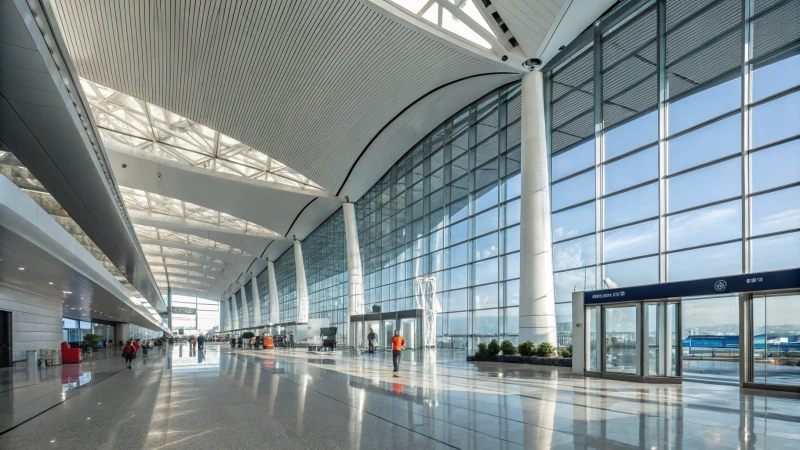
Innovative Architectural Designs Using Aluminum
Airports are increasingly embracing aluminum for its lightweight and high-strength properties, allowing for innovative architectural designs. One standout example is the Incheon International Airport in South Korea, where aluminum square tubes were used for stunning ceiling structures that not only enhance aesthetics but also promote air circulation. This design creates a spacious atmosphere, essential for high-traffic areas.
Using aluminum in ceilings and cladding can dramatically elevate the look of any airport terminal. The ability to create curved designs with aluminum adds a unique touch that straight profiles cannot achieve. For instance, the Changi Airport in Singapore features intricate aluminum frameworks that contribute to its award-winning architecture.
Benefits of Using Aluminum in Airport Projects
| Benefit | Description |
|---|---|
| Lightweight | Aluminum’s lightweight nature reduces structural load, allowing for larger spans without compromising strength. |
| Durability | Resistant to corrosion, aluminum maintains its appearance and functionality over time, even in harsh environments. |
| Low Maintenance | Easy installation and low upkeep requirements make it a practical choice for busy airport environments. |
| Versatility | Can be combined with materials like glass or wood to create unique stylistic effects, enhancing passenger experience. |
Sustainable Practices with Aluminum
Sustainability is a critical factor in modern airport design, and aluminum stands out as an eco-friendly choice. The material is highly recyclable, which aligns with the green building initiatives many airports are now pursuing. For example, the Heathrow Airport expansion project incorporated recycled aluminum into its design, significantly reducing the carbon footprint of construction.
Using recycled aluminum10 not only supports sustainability but also promotes a circular economy within the construction industry. Furthermore, airports are exploring ways to integrate solar panels and other renewable technologies with aluminum installations to further enhance energy efficiency.
Quick Installation and Functional Advantages
Aluminum’s ease of installation is another key advantage in airport projects. For instance, the Denver International Airport utilized aluminum panels for their new concourse, which allowed for rapid construction timelines while minimizing disruptions to ongoing airport operations. The straightforward installation process requires minimal tools and labor, making it an attractive option for contractors.
Additionally, the flexibility of aluminum in design allows for quick modifications and repairs, which is essential in maintaining efficient airport operations. This can be particularly beneficial when adapting spaces to accommodate growing passenger numbers or changing safety regulations.
Combining Aluminum with Other Materials
Innovative airport designs are increasingly combining aluminum with other materials to achieve stunning visual results. For example, the Dubai International Airport features striking aluminum and glass facades that create an impressive visual identity while maximizing natural light inside the terminals.
This synergy not only enhances the aesthetic appeal but also serves practical purposes such as improving energy efficiency by reducing lighting costs during daylight hours.
Aluminum’s compatibility with diverse materials allows architects to explore endless creative possibilities, making it a preferred choice in modern airport design projects.
Incheon Airport uses aluminum for its ceiling structures.True
Aluminum square tubes enhance aesthetics and air circulation at Incheon International Airport, showcasing innovative architectural designs.
Aluminum is not recyclable in airport construction.False
Contrary to this claim, aluminum is highly recyclable, supporting sustainable practices in airport projects.
How do aluminum profiles contribute to sustainability in airport architecture?
Discover how aluminum profiles play a crucial role in enhancing sustainability within airport architecture by providing lightweight, durable solutions that support modern design and efficiency.
Aluminum profiles contribute to sustainability in airport architecture by offering lightweight, high-strength materials that enhance energy efficiency, reduce maintenance costs, and enable innovative design solutions.
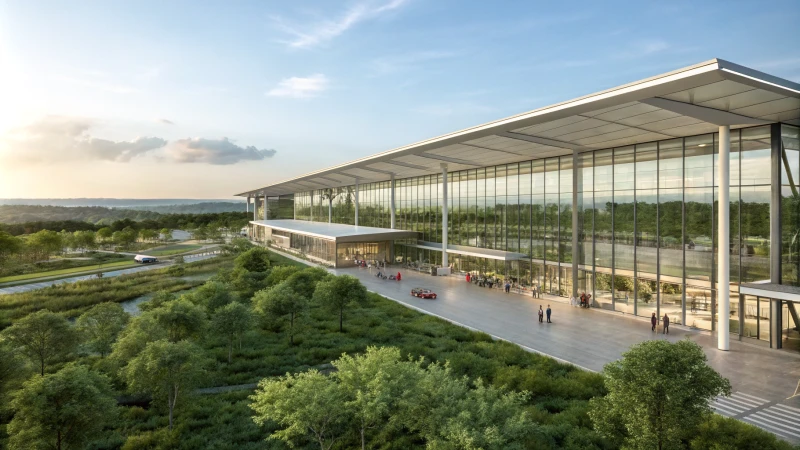
Demand for Lightweight and High-Strength Materials
Aluminum profiles are pivotal in airport architecture due to their lightweight nature and high strength-to-weight ratio. These characteristics are essential in designing structures that can withstand high traffic while being energy-efficient. For instance, aluminum square tubes are often utilized in ceiling designs not just for their aesthetic appeal but also for promoting air circulation.
This enhances the overall environment within the airport, making it brighter and more spacious. The transparent design of aluminum allows for natural light to penetrate, reducing the need for artificial lighting, which contributes to energy savings.
For a deeper understanding of the impact of materials on sustainability, check out sustainable building materials11.
Advantages in Large Span Structures
One of the standout benefits of aluminum profiles is their plasticity, which is particularly beneficial in creating large span structures. This allows architects to design unique and aesthetically pleasing forms that align with modern architectural trends.
Aluminum can be molded into various shapes through bending or welding processes, offering versatility for designers. For example, aluminum square tubes can be configured into curved ceiling designs, adding an innovative touch to airport interiors.
Moreover, this adaptability helps reduce material waste during construction, which is a significant factor in promoting sustainability. If you’re interested in learning more about innovative architectural designs, see creative architectural solutions12.
Importance of Quick Installation and Low Maintenance Costs
The rapid installation process associated with aluminum profiles is another reason for their popularity in airport construction. Their lightweight nature means that fewer tools are required for setup, enabling faster project completion.
This efficiency is vital in high-traffic environments like airports where downtime can be costly. Additionally, aluminum profiles require minimal maintenance over their lifespan, reducing long-term costs and resource consumption.
For more insights on efficient construction practices, visit efficient building methods13.
Integration with Other Building Materials
Aluminum profiles can seamlessly integrate with other materials such as glass and wood, enhancing both the aesthetic appeal and functionality of airport facilities. This multifaceted approach allows architects to create diverse environments that cater to various traveler needs.
The combination of materials not only beautifies the space but also contributes to sustainability by optimizing energy use and enhancing the passenger experience. This integration is crucial for airports aiming to reduce their carbon footprint while providing excellent service.
Explore more about integrating materials effectively in design at material integration strategies14.
Aluminum profiles enhance energy efficiency in airports.True
Their lightweight and reflective properties reduce the need for artificial lighting, promoting energy savings in airport architecture.
Aluminum construction increases material waste during airport builds.False
The adaptability of aluminum profiles helps minimize waste, contributing positively to sustainability efforts in airport construction.
Conclusion
Aluminum profiles enhance airport architecture with lightweight strength, design versatility, quick installation, and low maintenance costs, improving aesthetics and sustainability in high-traffic environments.
-
Explore how aluminum profiles can enhance airport architecture through strength and design flexibility. ↩
-
Discover innovative applications of aluminum in large span structures and how they benefit airport designs. ↩
-
Learn about the cost-saving advantages of using aluminum profiles for quick installations in public buildings like airports. ↩
-
Understand how aluminum integrates with other materials to create stunning and functional airport spaces. ↩
-
This link provides insights into innovative baffle ceiling designs using aluminum profiles, showcasing their aesthetic advantages. ↩
-
Explore various examples of curved aluminum designs that enhance architectural aesthetics in public spaces like airports. ↩
-
Understanding the benefits of combining aluminum with other materials can inspire unique design approaches for airport interiors. ↩
-
Find efficient installation techniques for aluminum profiles to ensure timely completion of airport projects. ↩
-
Learn how design impacts passenger experience in airports, emphasizing the importance of aesthetics. ↩
-
Explore innovative airport designs that utilize aluminum for aesthetic and functional advantages. ↩
-
Clicking this link will provide you with insights into sustainable building materials that can further enhance your understanding of eco-friendly construction practices. ↩
-
This link offers a wealth of information on creative architectural solutions that utilize aluminum effectively in modern designs. ↩
-
Find out more about efficient building methods that can save time and resources during construction projects. ↩
-
Learn about strategies for effectively integrating different materials in architectural design for enhanced aesthetics and functionality. ↩