What Is The Aluminum Anodizing Process?
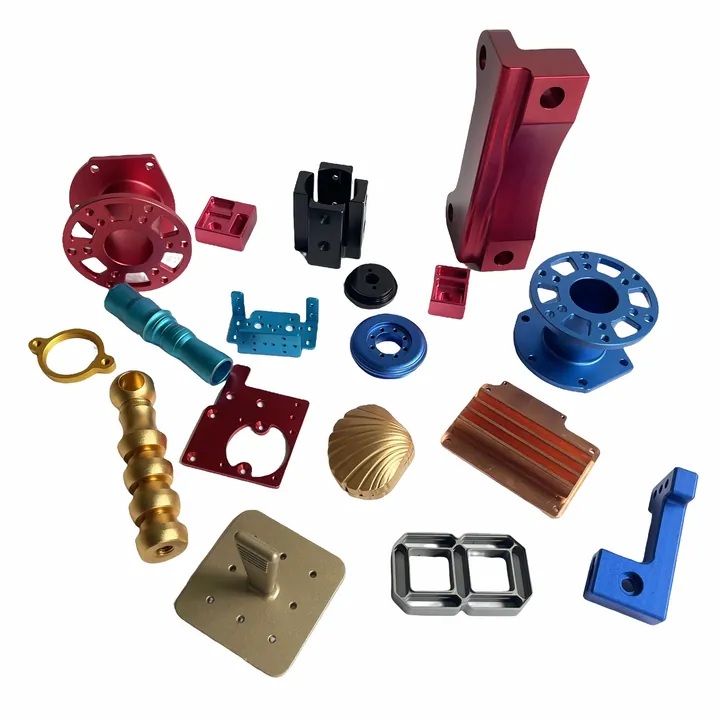
When customers hear "anodizing," they often just think of color. But it’s much more than that—it protects, strengthens, and customizes aluminum like nothing else.
Aluminum anodizing is a surface treatment process that thickens the natural oxide layer on aluminum using an electrochemical reaction, making the surface more durable, corrosion-resistant, and aesthetically appealing.
If you’re sourcing aluminum profiles for any industrial or architectural application, understanding anodizing could help you make better purchasing decisions. Let’s take a deeper look.
How Does Electrolytic Oxidation Work?
Many people confuse anodizing with painting or plating. It’s neither—it’s a controlled electrochemical reaction that happens in a water-based bath.
Electrolytic oxidation, also known as anodizing, uses electrical current in an acid bath to grow a thick oxide layer on aluminum, enhancing its durability and corrosion resistance.
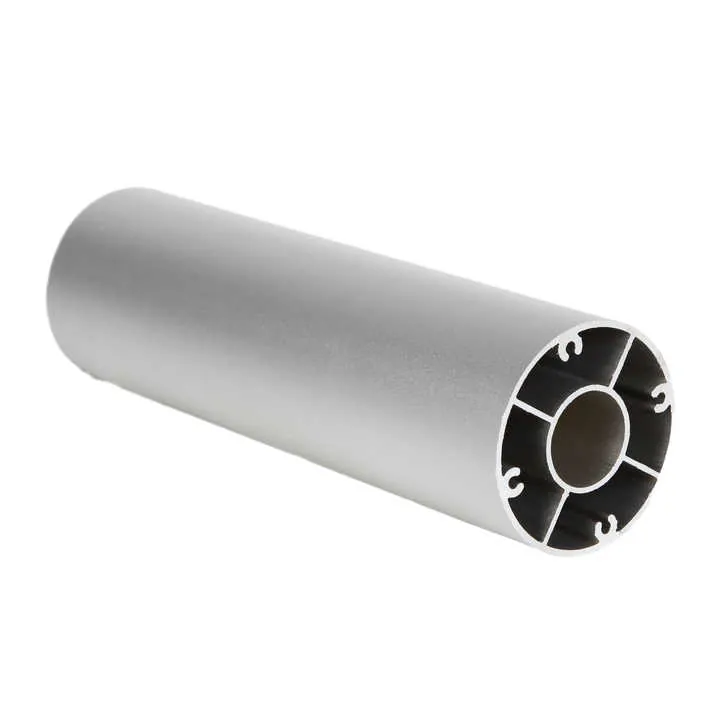
The process starts by submerging aluminum parts into a tank filled with an electrolyte, typically sulfuric acid. A direct current (DC) passes through the aluminum, making it the anode in the circuit. Oxygen ions from the electrolyte combine with aluminum atoms on the surface to form aluminum oxide. This oxide layer is not applied—it grows from the metal itself.
Why it Matters
The anodized layer is extremely hard. In fact, it’s one of the hardest naturally occurring substances after diamond. It’s also porous, allowing it to absorb dyes and sealants for both appearance and extra protection. Unlike paint, it won’t peel or chip because it’s part of the metal.
Types of Anodizing
There are three common types:
| Type | Description | Thickness Range |
|---|---|---|
| Type I | Chromic acid anodizing | 0.5–1 μm |
| Type II | Sulfuric acid anodizing | 5–25 μm |
| Type III | Hardcoat anodizing | 25–100 μm |
Each type serves a different need—from decorative finishes to heavy-duty industrial protection.
Anodizing forms a surface coating on aluminum by applying a separate layer.False
Anodizing doesn't apply a separate layer. Instead, it grows an oxide layer from the aluminum itself.
Electrolytic oxidation involves using DC current in an acid solution to create a protective aluminum oxide layer.True
This is the correct description of the electrolytic anodizing process.
What Are The Main Steps In Anodizing Aluminum?
The anodizing process seems complex, but it follows a clear sequence of preparation, oxidation, and sealing.
Anodizing aluminum involves cleaning, pretreating, anodizing in an acid bath, optional coloring, and then sealing to enhance durability.

Here’s a breakdown of the steps:
Step 1: Cleaning
Aluminum profiles are cleaned in an alkaline or acid solution to remove dirt, grease, and surface oxides. This ensures a uniform reaction later on.
Step 2: Etching or Bright Dipping
Depending on the desired finish, the surface may be etched for a matte look or bright-dipped for a shiny one.
Step 3: Desmutting
A mild acid is used to remove residues left from previous steps, especially after alkaline etching.
Step 4: Anodizing (Electrolytic Oxidation)
The aluminum is placed into an electrolyte bath, usually sulfuric acid, and electricity is applied. This forms the oxide layer.
Step 5: Coloring (Optional)
If color is needed, the porous oxide layer is dyed. There are several coloring methods like electrolytic coloring or organic dyes.
Step 6: Sealing
The pores in the anodized layer are closed using hot water or steam sealing, which locks in color and enhances corrosion resistance.
Summary Table
| Step | Purpose |
|---|---|
| Cleaning | Remove contaminants |
| Etching/Bright Dipping | Adjust surface texture |
| Desmutting | Eliminate chemical residues |
| Anodizing | Build oxide layer |
| Coloring | Add appearance |
| Sealing | Enhance protection |
The sealing step is optional and not important in the anodizing process.False
Sealing is essential to close pores and protect against corrosion and dye fading.
Desmutting is used to remove residues after etching or cleaning.True
Desmutting ensures a clean surface before oxidation.
How Long Does Anodizing Take And Which Factors Influence It?
People often ask me, “How long does anodizing actually take?” The answer depends on what you’re trying to achieve.
The anodizing process usually takes 20 to 60 minutes, depending on the desired oxide layer thickness, type of aluminum alloy, and bath conditions.
Key Factors That Affect Duration
- Oxide Thickness Required: Thicker coatings take longer. Hard anodizing may take up to 2 hours.
- Type of Electrolyte: Sulfuric acid is the most common and typically faster than oxalic or phosphoric acids.
- Current Density: Higher current densities can speed up the process but also raise the risk of burning the aluminum.
- Alloy Type: Different aluminum alloys react differently. 6063 and 6061 are ideal for consistent results.
- Bath Temperature: Lower temperatures generally lead to harder, denser coatings but slow down the process.
- Surface Area: Larger surface areas require more current and time.
Practical Scenarios
| Coating Type | Time Required | Best For |
|---|---|---|
| Type II | 20–40 min | Architectural use |
| Type III (Hardcoat) | 45–120 min | Industrial & mechanical parts |
| Decorative Dyeing | +10–20 min | Consumer products |
Higher current density always shortens anodizing time and improves coating quality.False
High current may reduce time but can damage the surface if not controlled.
Different aluminum alloys react differently to anodizing and affect processing time.True
Some alloys anodize faster and more uniformly than others.
What Benefits Does Anodizing Provide For Aluminum Profiles?
Some clients think anodizing is just for looks. It’s not. It’s a performance upgrade.
Anodizing enhances corrosion resistance, surface hardness, wear resistance, and aesthetic appeal while maintaining the aluminum’s recyclability and low weight.

Here’s why anodized aluminum is often preferred:
1. Corrosion Resistance
The oxide layer blocks moisture and oxygen, protecting the aluminum underneath even in coastal or industrial environments.
2. Surface Hardness
Anodizing increases surface hardness up to 60–70 Rockwell C, reducing scratches and mechanical wear.
3. Aesthetics
From champagne gold to jet black, anodized finishes stay vibrant longer than paint or powder coatings.
4. Thermal Stability
The oxide layer withstands high temperatures, making it suitable for light fixtures and electronics.
5. Environmentally Friendly
Anodizing is a water-based, non-toxic process. Plus, the aluminum remains fully recyclable.
Use Case Table
| Industry | Benefit from Anodizing |
|---|---|
| Architecture | Color + corrosion protection |
| Solar Frames | UV stability |
| Automotive | Wear resistance |
| Electronics | Heat resistance |
| Furniture | Aesthetic finish |
Anodizing increases the weight of aluminum significantly.False
The added oxide layer is extremely thin and doesn’t affect weight in any meaningful way.
Anodized aluminum has better resistance to scratches and corrosion.True
The thick oxide layer provides mechanical and chemical protection.
Conclusion
Anodizing is not just a cosmetic upgrade—it’s a powerful protective treatment that improves the performance, appearance, and longevity of aluminum profiles.