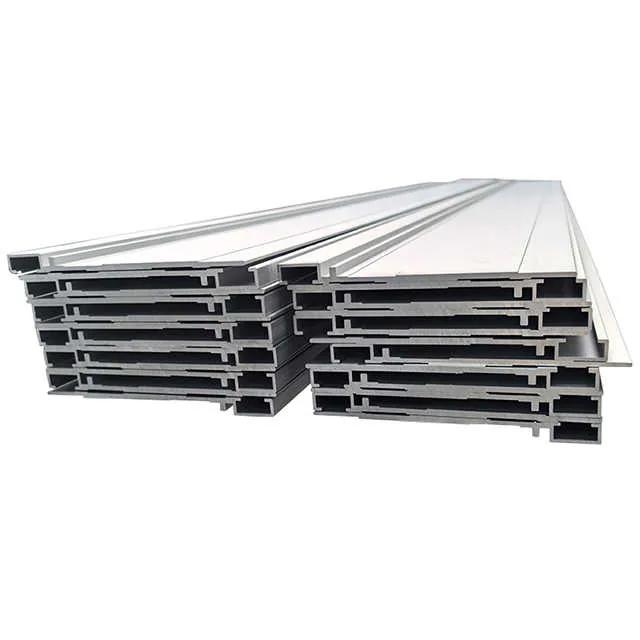
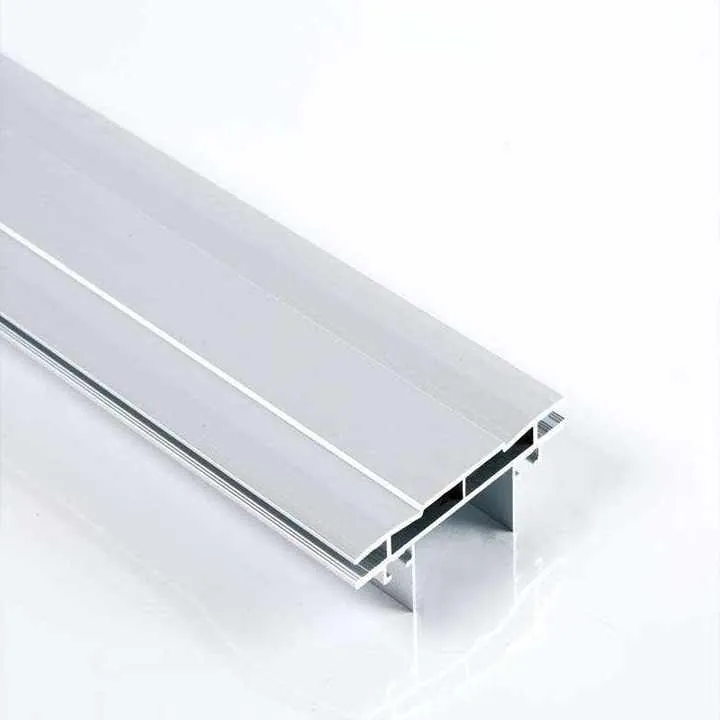
What temper designation suits the 7075 aluminum flat bar the most?
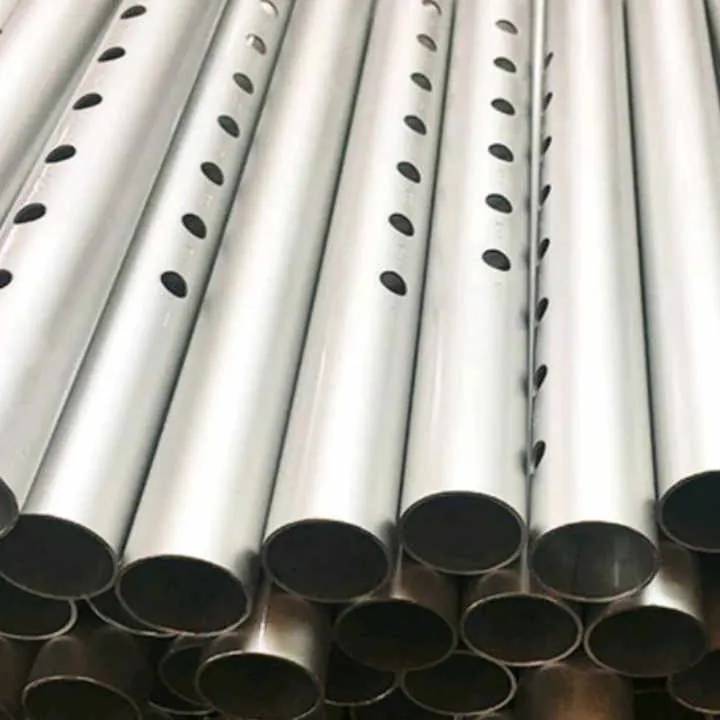
Looking for the strongest and most reliable aluminum flat bar but not sure which temper to choose?
The T6 or T651 temper is the best choice for 7075 aluminum flat bar. It provides peak strength, good machinability, and stable performance.
If you’re choosing aluminum for strength and performance, picking the right temper is essential. Let’s explore which tempers suit 7075 aluminum flat bar best and why.
What are common 7075 tempers?
Stuck deciding among O, T6, or T73? Each 7075 temper has unique traits and is designed for different needs.
The most common 7075 tempers are O, T6, T651, T73, and T7351. Each offers different balances of strength, ductility, and machinability.

Overview of 7075 Tempers
7075 aluminum is a high-strength alloy, and it responds well to various heat treatments. Each temper alters its mechanical behavior.
| Temper | Description | Typical Use |
|---|---|---|
| O | Fully annealed, softest | Deep bending, forming |
| T6 | Peak aged after solution heat treat | High strength parts |
| T651 | T6 + stress relieved | Flat bars, machined plates |
| T73 | Over-aged, stress-corrosion resistant | Aerospace parts |
| T7351 | T73 + stress relieved | Marine, aircraft skins |
Among these, T6 and T651 are the most used for structural parts, while T73/T7351 are selected where corrosion and cracking are concerns. O temper is best for forming but sacrifices strength.
7075-O temper provides the highest strength in the alloy family.False
O temper is the softest; T6/T651 provide the highest strength.
7075-T651 is a stress-relieved variant of T6 and is commonly used in flat bars.True
T651 is derived from T6 with added stress relief and is widely used in flat bar machining.
Which temper offers best strength?
Need the toughest aluminum possible for demanding applications?
The 7075-T6 and T651 tempers offer the highest tensile and yield strength, making them the top choice for structural strength.
Understanding Peak Strength
T6 treatment is optimized for maximum strength. After solution heat treatment and aging, it reaches:
- Tensile Strength: ~510–572?MPa
- Yield Strength: ~434–476?MPa
T651 has the same strength but includes stretching to relieve internal stresses.
This makes T6/T651 ideal for aerospace, automotive, and heavy tooling where mechanical stress is intense. But this strength comes with reduced ductility, so formability is lower.
Other tempers like T73 or O are weaker. For example, O temper has ~276 MPa tensile strength—almost half of T6.
T6 and T651 tempers deliver the highest strength levels available in 7075 aluminum.True
These tempers are heat treated to achieve peak tensile and yield strength.
7075-T7351 is stronger than T6.False
T7351 is more corrosion resistant but has lower tensile strength than T6.
Which temper is optimal for bending?
Trying to bend 7075 but afraid of cracks or fractures?
For optimal bending, choose T73 or O temper. They offer improved ductility and reduced cracking compared to T6.
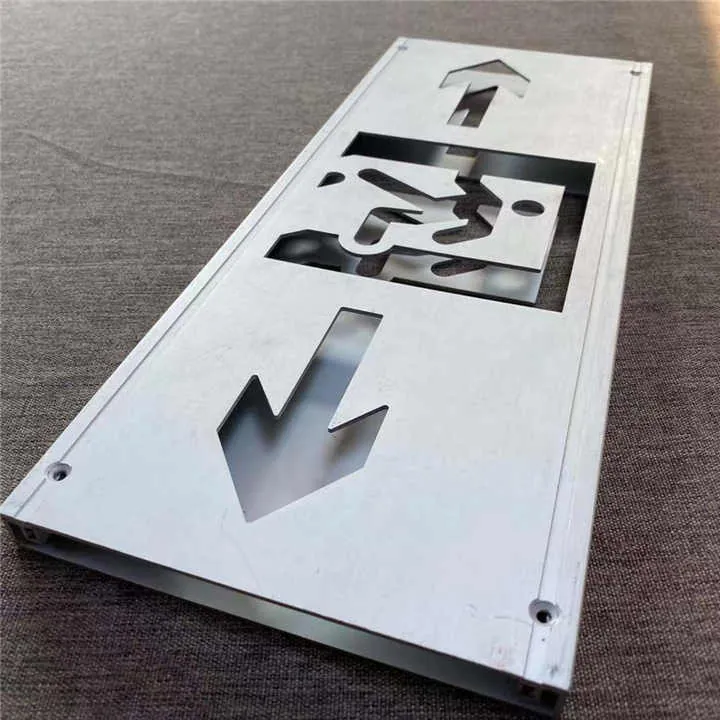
How Temper Affects Formability
T6/T651 is strong, but it’s also stiff and brittle. Sharp bends often lead to cracking. That’s why bending isn’t recommended for these unless radius is large and controlled.
T73 and T7351 are over-aged. While they have slightly lower strength, they are more ductile. This means:
- Better elongation (~11–13%)
- Lower risk of cracking
- Improved workability
O temper, being fully annealed, is soft and very easy to bend. However, it has very low strength and needs post-bend hardening.
| Temper | Bendability | Strength | Use Case |
|---|---|---|---|
| T6 | Poor | Very High | Machined parts |
| T651 | Poor | Very High | Flat bars |
| T73 | Good | Moderate | Aerospace frames |
| T7351 | Good | Moderate | Boat skins |
| O | Excellent | Low | Pre-forming |
7075-O temper is the easiest to bend but lacks strength.True
O temper is soft and ideal for forming, but has very low strength.
T6 is better for bending than T73.False
T6 is brittle and more prone to cracking; T73 is better for bending.
How does temper affect machinability?
Need clean cuts and dimensional stability in machining?
7075 aluminum in T6 or T651 temper machines the best, offering hardness, stability, and chip-breaking performance.

Machining Considerations by Temper
Machinability in aluminum depends on temper because it affects hardness, grain size, and surface toughness.
- T6 and T651: Best for machining—hard enough to break chips, stable during milling and drilling.
- T73/T7351: Still good, but slightly lower hardness may reduce finish quality.
- O temper: Poor for precision machining. Soft material can gum up tools.
High-speed machining with carbide tools and coolant helps improve performance across all tempers, but T6 leads in terms of tool wear and finish quality.
| Temper | Machinability | Notes |
|---|---|---|
| O | Poor | Gummy, unstable |
| T6 | Excellent | Hard, clean cuts |
| T651 | Excellent | Stress relieved |
| T73 | Good | Softer, easier to cut |
| T7351 | Good | Stable, slightly less hard |
7075-T651 is excellent for machining due to its hardness and dimensional stability.True
T651 is hard and stress-relieved, which helps in high-speed, precision machining.
O temper offers better machinability than T6.False
O temper is too soft and unstable; T6 is better for precision machining.
Conclusion
7075 aluminum comes in many tempers, each with different strengths. For flat bars, T651 gives the best strength and machining performance. For forming, T73 or O are better.