Processes and Applications of 6061 Aluminum: What Should You Know?

I’ve used 6061 aluminum in projects from architectural frames to drone bodies. It’s flexible, strong, and looks great when finished right.
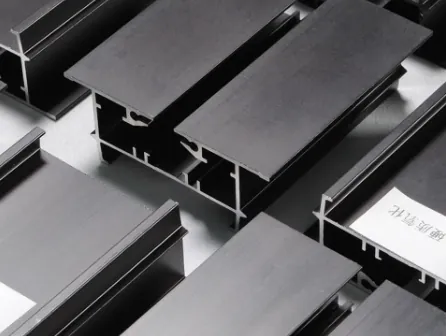
6061 aluminum is produced through extrusion, rolling, forging, and heat treatment—making it ideal for aerospace, automotive, electronics, and construction.
Let’s go over how it’s made, where it’s used, the best finishes, and some limits to be aware of.
What are key processes for 6061 aluminum production?
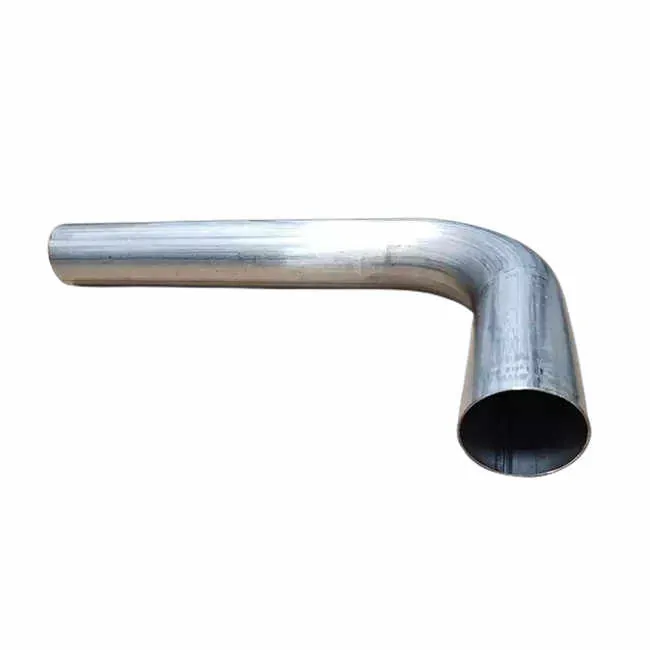
6061 is one of the most adaptable alloys for manufacturing. Here are the main methods used:
| Process Type | Description |
|---|---|
| Extrusion | Hot billet is pushed through dies to form custom shapes—great for structural and decorative profiles. |
| Rolling | Reduces thickness to form sheets and plates. Used in construction and transport panels. |
| Forging | Creates parts with improved grain structure. Good for aerospace and stress-critical parts. |
| Heat Treatment (T6) | Boosts strength by solution heating, quenching, and aging. Common for load-bearing uses. |
| Casting (limited) | Occasionally used for simple parts, but not ideal due to poor casting properties. |
6061 in the T6 condition offers high strength, good machinability, and stable dimensions after processing.
6061 aluminum is shaped primarily by extrusion and heat treatment.True
Extrusion and T6 tempering are widely used for 6061 profiles.
6061 is a good choice for complex high-pressure casting.False
6061 has poor casting fluidity compared to casting-specific alloys.
What industries use 6061 profiles?

6061 is a favorite across many industries due to its performance and appearance:
| Industry | Common Applications |
|---|---|
| Aerospace | Wings, frames, engine mounts |
| Automotive | Wheels, chassis parts, structural supports |
| Marine | Non-submerged boat components, railings |
| Architecture | Frames, beams, handrails, curtain walls |
| Consumer Products | Bicycle frames, electronics housings |
| Industrial Equipment | Machine frames, jigs, enclosures |
It balances strength and machinability—making it ideal for parts that must be both lightweight and tough.
6061 aluminum is commonly used in structural aerospace components.True
6061 provides excellent strength-to-weight and good fatigue resistance.
6061 is too weak for automotive structural parts.False
6061 is often used in wheels, subframes, and brackets.
What surface finishes work best for 6061?

6061 is known for its excellent surface finish compatibility:
| Finish Type | Performance on 6061 |
|---|---|
| Anodizing | Excellent adhesion, enhances corrosion resistance and appearance |
| Powder Coating | Uniform and durable; bonds well after pretreatment |
| Painting | Accepts paint easily with proper primer |
| Polishing | Can achieve bright or mirror-like results |
| Laser Etching | Produces clean markings for serials or graphics |
6061’s clean surface and stable oxide layer make it ideal for both industrial and decorative finishes.
6061 can be anodized for improved corrosion protection and color options.True
Anodizing enhances both appearance and surface hardness.
6061 doesn’t respond well to powder coating.False
Powder coating performs well with proper surface prep.
What limitations exist for 6061 applications?
6061 is strong and flexible—but it does have a few limits:
- Marine Corrosion: Not as resistant as 5xxx series alloys like 5083 for underwater or salt-heavy environments.
- Tight Forming: Can crack if bent too tightly, especially in T6 temper.
- Fatigue: Good, but not best. High-cyclic loads may need additional design safety.
- Post-Weld Strength Loss: T6 strength reduces after welding unless re-aged.
- Casting Limitations: Not ideal for thin-wall or complex castings due to poor fluidity.
| Limitation | Description |
|---|---|
| Corrosion Resistance | Not suitable for constant saltwater |
| Ductility | Lower in T6 state; avoid tight bends |
| Weld Recovery | Strength drops unless re-heat-treated |
| Casting Use | Poor choice for intricate die cast parts |
6061 aluminum retains full strength after welding without additional treatment.False
Welding softens the heat-treated structure; post-weld aging is needed to regain strength.
6061 can crack under tight bending if not properly formed.True
6061-T6 has lower ductility; it requires large bend radii or annealing.
Conclusion
6061 is a high-performance aluminum alloy for extrusion, rolling, and heat treatment. It shines in aerospace, construction, and product design. Just keep an eye on formability and post-weld properties when choosing it for structural use.