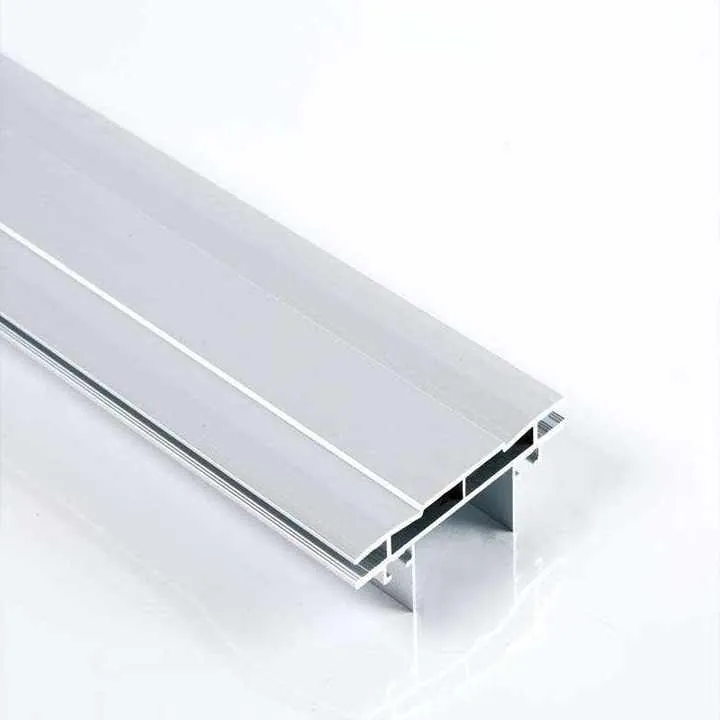

Aluminum 5083 vs 6061 for Extrusion Profiles: How Do They Compare?

I once faced a decision—use 5083 for strength and corrosion resistance, or 6061 for easy machining and finish. That choice impacted the whole project.
5083 is tougher and more corrosion-resistant. 6061 is easier to machine, better for decorative finishes, and widely used in structural designs.
How do 5083 and 6061 perform in extruded profiles?
Both alloys are excellent for extrusion, but they serve different needs:
- 5083 is a non-heat-treatable alloy with high magnesium content. It provides excellent corrosion resistance and is ideal for marine, chemical, or harsh environments.
- 6061 is heat-treatable, widely extruded, and has a good balance of strength, formability, and machinability. It’s used in many structural and architectural projects.
| Feature | 5083 | 6061 |
|---|---|---|
| Alloy Type | Non-heat-treatable (Al-Mg) | Heat-treatable (Al-Mg-Si) |
| Weldability | Excellent | Good |
| Extrudability | Fair | Excellent |
| Corrosion Resistance | Superior (marine grade) | Moderate to good |
5083 is a better fit than 6061 for corrosive environments like seawater.True
5083 has higher magnesium content, giving it superior seawater resistance.
6061 is the best choice for applications requiring minimal corrosion resistance.False
6061 has moderate corrosion resistance but isn’t ideal for marine or chemical exposure.
Which alloy offers better machinability?
- 6061 is easier to cut, drill, and machine. It’s preferred for CNC work and complex shapes.
- 5083 is harder and tends to wear tools faster. It requires slower speeds and special care.
| Machining Task | 5083 Aluminum | 6061 Aluminum |
|---|---|---|
| Drilling | Fair | Excellent |
| Turning | Moderate | Excellent |
| Milling | Difficult | Excellent |
| Tool Life | Shorter | Longer |
5083 is easier to machine than 6061.False
5083 is tougher to cut and dulls tools faster than 6061.
6061 aluminum is ideal for CNC and high-speed machining applications.True
6061 has excellent machinability, making it suitable for complex operations.
Which alloy has superior strength-to-weight ratio?
Both alloys are strong, but in slightly different ways.
| Property | 5083-H116 | 6061-T6 |
|---|---|---|
| Density (g/cm3) | 2.66 | 2.70 |
| Tensile Strength | ~317 MPa | ~310 MPa |
| Yield Strength | ~228 MPa | ~270 MPa |
- 5083 offers better toughness and ductility, especially in welds.
- 6061 offers better yield strength and stiffness, making it ideal for structural applications.
6061 offers a slightly better strength-to-weight ratio than 5083.True
Although both are strong, 6061 has better yield strength and is lighter.
5083 has higher ultimate tensile strength than 6061.True
5083 slightly exceeds 6061 in UTS, though yield strength is lower.
What are typical applications for each alloy?
5083 Applications
- Shipbuilding
- Offshore platforms
- Pressure vessels
- Cryogenic storage tanks
- Truck fuel tanks
6061 Applications
- Bicycle frames
- Aircraft fittings
- Heat sinks
- Camera parts
- Architectural railings
| Sector | 5083 Aluminum | 6061 Aluminum |
|---|---|---|
| Marine | Hulls, decks, bulkheads | Ladders, brackets, light rails |
| Aerospace | Storage tanks | Structural fittings |
| Structural | Load-bearing frameworks | Bridges, framing systems |
| Decorative | Low usage | High — anodized, polished |
5083 is used in marine hulls and cryogenic tanks.True
Its corrosion resistance and ductility make it ideal for extreme environments.
6061 is mostly used in food packaging applications.False
6061 is primarily used in structural, transport, and architectural sectors.
How do their surface finishes differ?
- 6061 is easier to polish, anodize, and powder coat. It gives a clean, bright finish ideal for decorative parts.
- 5083 is harder to anodize evenly and often shows a duller, matte appearance after surface treatment.
| Finish Type | 5083 Aluminum | 6061 Aluminum |
|---|---|---|
| Natural Anodizing | Uneven, dark finish | Smooth, bright finish |
| Painting | Acceptable | Excellent |
| Powder Coating | Good | Excellent |
| Polishing | Difficult | Good |
6061 is preferred for parts requiring a high-quality anodized finish.True
6061 provides a smooth, bright anodized surface, unlike 5083.
5083 provides the same level of surface polish as 6061.False
5083 has lower surface finish quality and is harder to polish.
Conclusion
Use 5083 when strength and corrosion resistance come first—especially in marine, chemical, or welded environments. Go with 6061 for structural, lightweight, highly-machined, or decorative applications.