7005 vs 7075 Aluminum: Which Alloy Fits Your Project Best?
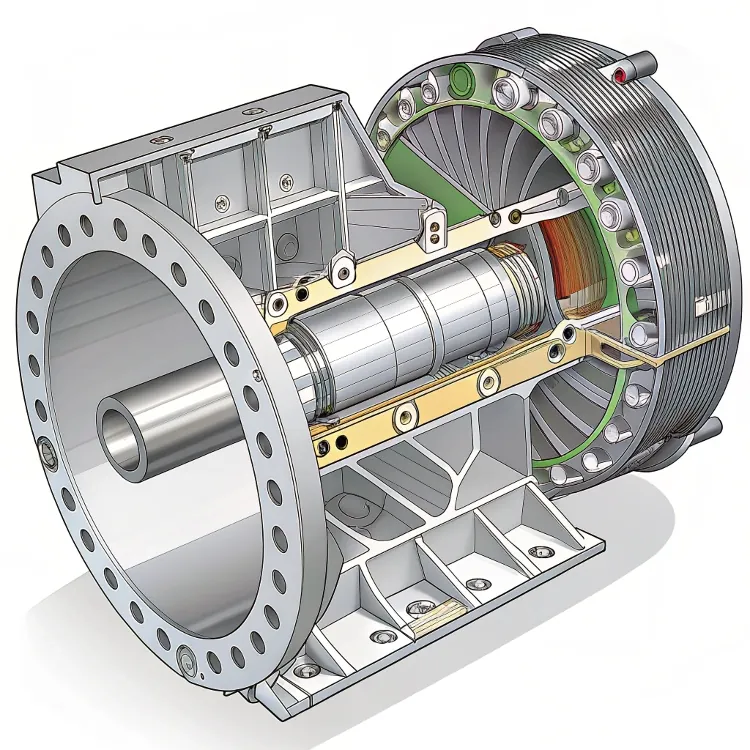
Selecting the right aluminum alloy is crucial for balancing strength, weight, weldability, and cost in your project.
7005 aluminum offers good strength and excellent weldability, making it ideal for welded structures, while 7075 aluminum provides superior strength but is less weldable, suitable for high-stress applications.
Understanding the differences between these alloys helps in making informed decisions for specific applications.
What are the main differences between 7005 and 7075 aluminum?
Choosing between 7005 and 7075 aluminum1 depends on factors like strength requirements, weldability2, and application environment.
7005 aluminum is known for its good weldability and moderate strength, whereas 7075 aluminum offers higher strength but poor weldability.
Comparison Table
| Property | 7005 Aluminum | 7075 Aluminum |
|---|---|---|
| Ultimate Tensile Strength (MPa) | ~380 | ~570 |
| Yield Strength (MPa) | ~310 | ~500 |
| Weldability | Excellent | Poor |
| Corrosion Resistance | Good | Moderate |
| Machinability | Good | Fair |
| Applications | Bicycle frames, structural components | Aerospace, military equipment |
7005 aluminum has better weldability than 7075 aluminum.True
7005 aluminum is readily weldable, whereas 7075 is generally considered unweldable due to its susceptibility to cracking.
7075 aluminum has higher tensile strength than 7005 aluminum.True
7075 aluminum offers superior tensile strength compared to 7005, making it suitable for high-stress applications.
Which alloy offers higher strength?
When strength is the primary concern, 7075 aluminum stands out due to its superior mechanical properties.
7075 aluminum exhibits higher tensile and yield strengths compared to 7005 aluminum, making it suitable for applications requiring maximum strength.
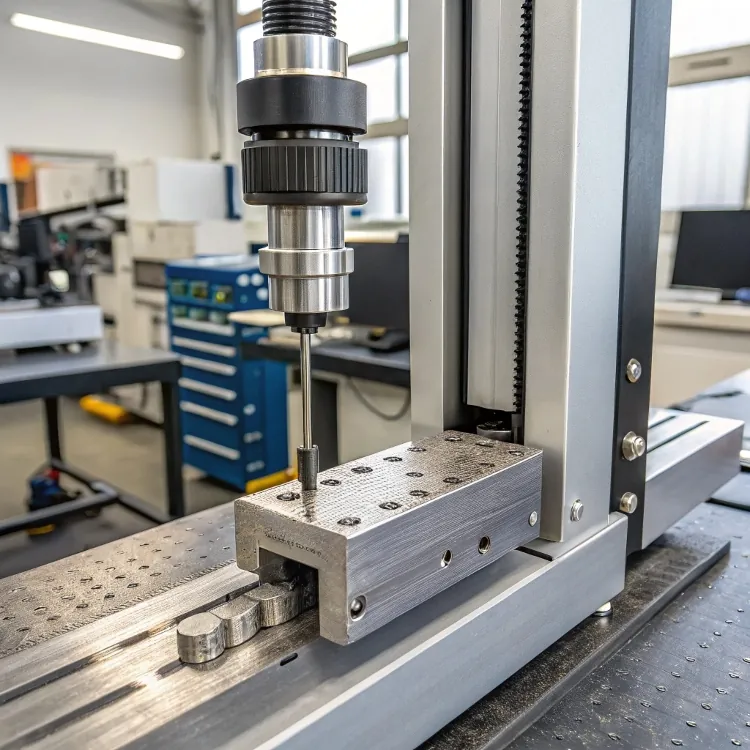
Strength Comparison
| Alloy | Ultimate Tensile Strength3 (MPa) | Yield Strength (MPa) |
|---|---|---|
| 7005 | ~380 | ~310 |
| 7075 | ~570 | ~500 |
7075 aluminum is stronger than 7005 aluminum.True
7075 aluminum has higher tensile and yield strengths, making it stronger than 7005.
7005 aluminum is stronger than 7075 aluminum.False
7005 aluminum has lower strength compared to 7075 aluminum.
How do 7005 and 7075 compare in weldability?
Weldability is a critical factor in manufacturing processes, especially for structures requiring strong joints.
7005 aluminum offers excellent weldability, while 7075 aluminum is generally considered unweldable due to its susceptibility to cracking during welding.
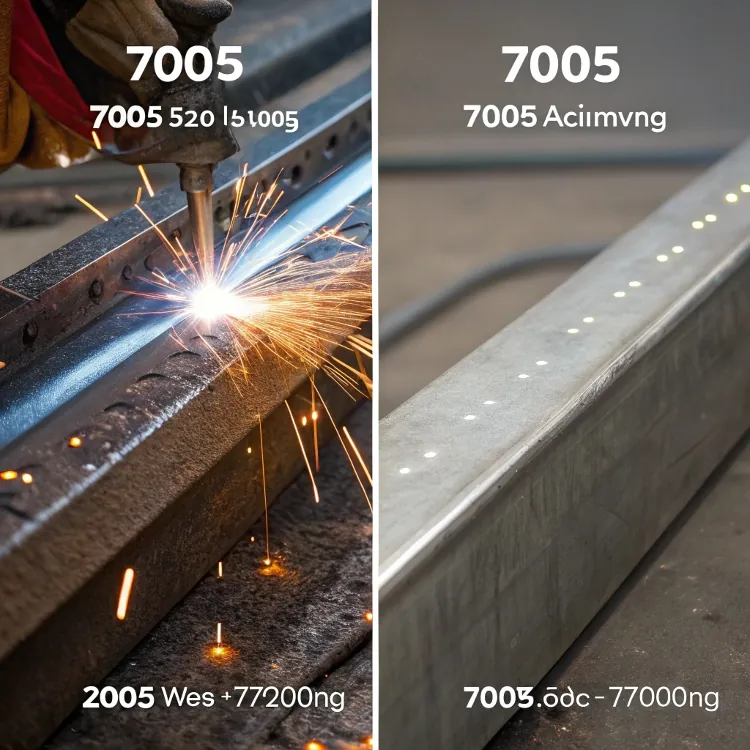
Weldability Overview
- 7005 Aluminum: Can be welded using standard techniques and does not require post-weld heat treatment.
- 7075 Aluminum: Prone to cracking during welding; specialized techniques are needed, and even then, weld strength may be compromised.
7005 aluminum is easily weldable.True
7005 aluminum can be welded using standard methods without significant issues.
7075 aluminum is easily weldable.False
7075 aluminum is prone to cracking during welding and is generally considered unweldable.
When should you choose 7005 over 7075?
Selecting between 7005 and 7075 aluminum depends on the specific requirements of your project.
Choose 7005 aluminum when weldability and corrosion resistance4 are priorities, and 7075 aluminum when maximum strength is required, and welding is not involved.

Application Guidelines
- 7005 Aluminum: Ideal for bicycle frames, structural components, and applications where welding is necessary.
- 7075 Aluminum: Suitable for aerospace parts, military equipment, and high-performance applications where strength is critical, and welding is not required.
7005 aluminum is suitable for welded bicycle frames.True
7005 aluminum's excellent weldability makes it ideal for bicycle frames that require welding.
7075 aluminum is the best choice for welded structures.False
Due to its poor weldability, 7075 aluminum is not recommended for welded structures.
Conclusion
Understanding the differences between 7005 and 7075 aluminum alloys is essential for selecting the appropriate material for your project. 7005 aluminum offers good strength and excellent weldability, making it suitable for welded structures, while 7075 aluminum provides superior strength for high-stress applications where welding is not required.
-
Discover the benefits and drawbacks of 7075 aluminum, particularly its high strength and poor weldability, to make informed decisions. ↩
-
Learn how weldability impacts the selection of aluminum alloys for various applications, crucial for engineers and manufacturers. ↩
-
Understanding Ultimate Tensile Strength is crucial for selecting materials that meet strength requirements in engineering. ↩
-
Learn why these factors are crucial in choosing the right aluminum alloy for your projects, ensuring durability and performance. ↩