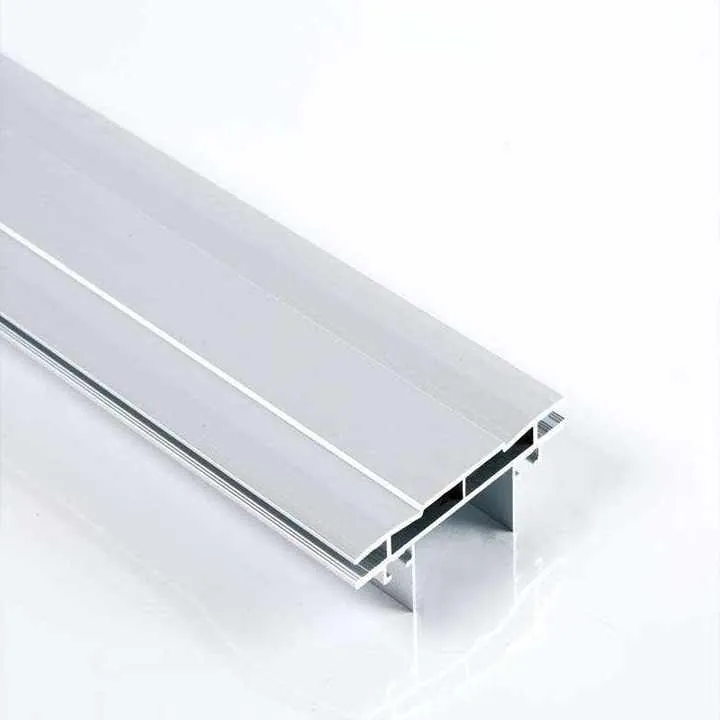
Is an aluminum window better than vinyl?

Trying to choose between aluminum and vinyl windows can be overwhelming—both have strong benefits, but they also come with clear trade-offs. Which one really performs better?
Aluminum windows are more durable and modern-looking, but vinyl windows are better insulated and usually more affordable. The better option depends on your priorities like lifespan, energy efficiency, or appearance.
If you’re upgrading your windows, this guide will help you make a smart decision by comparing what matters most—durability, efficiency, lifespan, and cost.
Which is better, vinyl or aluminum windows?

Vinyl windows often win on price and insulation. Aluminum windows are stronger and more sleek. Each has distinct advantages based on what you need from your window frames.
Energy Efficiency
Vinyl windows provide better insulation than aluminum. Vinyl is a non-conductive material, which means it naturally helps prevent heat transfer. This makes vinyl more energy-efficient, especially in areas with extreme temperatures.
Aluminum conducts heat and cold more easily. That means it can let more heat in during summer and more out during winter—unless it has a thermal break or insulated frame. These improvements add cost, but help aluminum windows compete with vinyl in terms of insulation.
Durability and Weather Resistance
Aluminum is a stronger material. It holds up well in extreme conditions, such as heavy winds or intense sun exposure. It’s also not prone to warping. Vinyl can warp or crack under prolonged exposure to heat or UV rays, though modern UV-resistant vinyl performs better than older versions.
| Feature | Aluminum | Vinyl |
|---|---|---|
| Strength | Very strong | Moderate |
| Insulation | Low (without break) | High |
| Maintenance | Low | Very low |
| Cost | Higher | Lower |
| Style/Appearance | Sleek and modern | Limited styles |
Aesthetic Options
Aluminum frames are slimmer. That means more glass and a cleaner, modern look. You can also choose from a wide range of powder-coated colors. Vinyl comes in fewer colors and has a thicker frame profile, which can make it look bulkier.
Cost Comparison
Vinyl windows1 are more budget-friendly. They are cheaper to produce and install. Aluminum windows are more expensive, especially high-quality versions with thermal breaks and coatings.
What is the disadvantage of aluminum windows?

Aluminum windows have a few key downsides that might make vinyl a better choice for some buyers. The biggest disadvantage is energy efficiency2.
Poor Insulation
Without added insulation, aluminum frames can conduct heat and cold easily. This can lead to higher energy bills unless the windows are thermally broken or specially designed. In hot or cold climates, this matters a lot.
Prone to Condensation
Because of their conductivity, aluminum frames are more likely to collect condensation. This can cause water damage if not managed properly. Vinyl, being a non-conductive material, doesn’t face this issue as often.
Cost and Maintenance
Aluminum windows typically cost more. And while they are low maintenance, they can develop corrosion—especially in humid or coastal environments. Regular cleaning and maintenance are needed to keep them looking their best.
What lasts longer, aluminum or vinyl windows?

Both aluminum and vinyl windows3 are long-lasting, but aluminum tends to outlast vinyl in the right conditions.
Lifespan
Aluminum windows can last up to 40 years or more, especially if properly coated and maintained. They resist cracking, chipping, and warping. Vinyl windows typically last around 20 to 30 years. Their longevity can be affected by extreme weather, especially heat or strong UV exposure.
Material Breakdown
Over time, vinyl can become brittle and may fade. High-quality vinyl resists these problems, but lower-grade options won’t last as long. Aluminum, although it can corrode, generally maintains structural integrity better.
| Factor | Aluminum | Vinyl |
|---|---|---|
| Expected Lifespan | 30–40 years | 20–30 years |
| Resistance to Sun | High (with coating) | Medium |
| Resistance to Cold | High | Can become brittle |
| Maintenance Needed | Medium | Low |
Does aluminum last longer than vinyl?

Yes, aluminum windows usually last longer than vinyl windows—especially in climates that are not extremely hot or wet. Their structural integrity4 and resistance to wear make them a durable choice.
Long-Term Performance
Over the long term, aluminum’s resistance to impact and structural stress gives it an edge. Vinyl frames can warp or become less rigid over time. This is especially true in high-heat areas or where windows face strong sunlight daily.
However, in terms of maintenance, vinyl has the advantage. It never needs painting, and doesn’t corrode. If you want a set-it-and-forget-it window, vinyl might be easier to live with—just not for as many years.
Conclusion
Aluminum windows are more durable and stylish, while vinyl windows are more energy-efficient and affordable. If you want longevity and strength, go with aluminum. For insulation and savings, vinyl is the better pick.
-
Explore the advantages of vinyl windows, including cost and insulation, to make an informed choice for your home. ↩
-
Understanding energy efficiency issues can help you make informed decisions about window materials and save on energy costs. ↩
-
Learn about the longevity and maintenance of vinyl windows to understand their suitability for your needs. ↩
-
Learn about structural integrity to understand why aluminum windows may outperform vinyl in durability and longevity. ↩