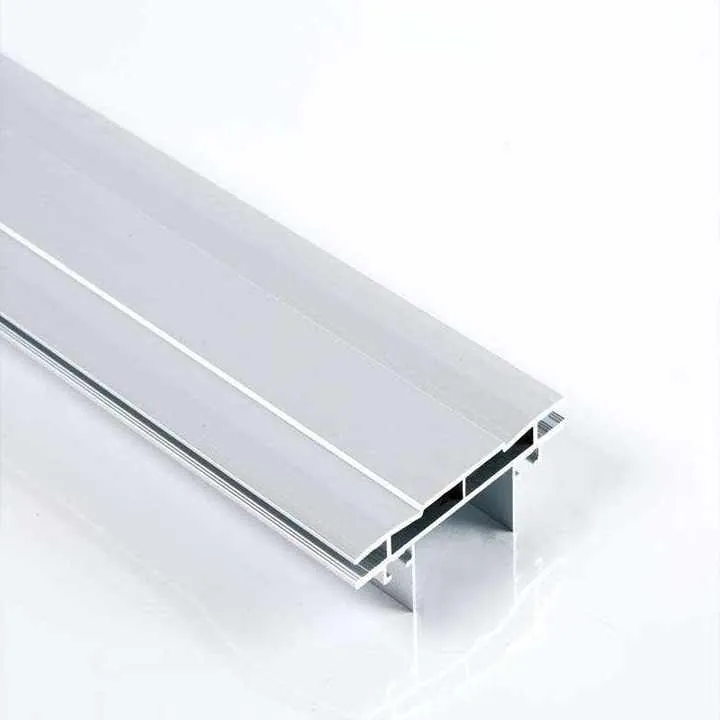
Aluminum extrusion anodizing color consistency standards?
Color mismatch ruins projects. Buyers reject parts. Delays cost money. Many factories still struggle with stable anodizing color across batches.
Clear standards, strict process control, and measurable color systems like Delta E ensure anodized aluminum maintains consistent color across profiles and production runs.
This topic matters more than most people expect. Small color shifts can break trust. Let us break down how consistency is controlled in real production.
What standards ensure anodized color consistency?
Color inconsistency leads to rejection. Clients notice even small differences. Many suppliers claim control, but few follow strict systems.
International standards like ISO 7599 and QUALANOD define requirements for anodizing thickness, sealing, and color consistency to ensure repeatable results.

Understanding the core standards
Most reliable factories do not guess color. They follow defined standards. The two most important systems are:
1. ISO Standards
- ISO 7599: Covers anodizing of aluminum for decorative and protective use
- Focuses on:
- Coating thickness
- Corrosion resistance
- Appearance consistency
2. QUALANOD Certification
- A stricter industry certification
- Requires:
- Approved chemicals
- Process audits
- Regular testing
- Color consistency control
These standards do not just define "how to anodize." They define how to keep results stable.
Why standards alone are not enough
Standards give a framework. But real consistency comes from execution.
Key process control points
| Process Step | Risk to Color | Control Method |
|---|---|---|
| Surface pretreatment | Uneven finish | Uniform etching |
| Anodizing current | Shade variation | Stable voltage |
| Dyeing process | Color shift | Controlled temperature |
| Sealing | Tone change | Proper sealing time |
Even if a factory claims ISO compliance, poor control in one step can cause visible variation.
Real-world insight
In one project, two batches followed the same standard. Still, the color looked different. The reason was simple: the etching time changed by 30 seconds. That small shift changed how light reflected on the surface.
Key takeaway
Standards are the base. Process discipline creates consistency.
Following ISO or QUALANOD standards alone guarantees identical color in all anodized parts.False
Standards provide guidelines, but real consistency depends on strict process control and execution.
Stable control of pretreatment, anodizing, and dyeing is essential to maintain color consistency.True
Each step directly affects the final color appearance.
How is color variation measured across profiles?
Many people rely on visual checks. That is risky. Human eyes are not consistent.
Color variation is measured using Delta E (Delta E) values with spectrophotometers, which quantify the difference between colors numerically.

What is Delta E?
Delta E is the standard way to measure color difference.
- Delta E = difference between two colors
- Lower value = closer match
Common tolerance levels
| Delta E Value | Meaning |
|---|---|
| 0 – 0.5 | Almost identical |
| 0.5 – 1.0 | Very small difference |
| 1.0 – 2.0 | Acceptable in industry |
| > 2.0 | Visible difference |
How measurement works
Factories use spectrophotometers to measure color.
Steps:
- Define a master sample
- Measure its color values
- Compare production samples
- Calculate Delta E
This removes guesswork.
Why visual inspection fails
Lighting, angle, and human perception all affect what we see.
Two parts may:
- Look identical in one room
- Look different in another
This is why numeric control is critical.
Multi-point measurement across profiles
Long aluminum profiles create another challenge.
Color may vary:
- From one end to another
- Between inner and outer surfaces
Standard practice:
- Measure at multiple points
- Average results
- Check max deviation
Example of real control
A project required Delta E below 1.0. The factory had to:
- Adjust dye bath temperature
- Control immersion time
- Recalibrate equipment
This level of control is not optional for high-end clients.
Key takeaway
If a supplier cannot provide Delta E reports, they are not controlling color scientifically.
Delta E provides a numerical method to evaluate color consistency.True
It quantifies the difference between colors and removes subjective judgment.
Visual inspection alone is sufficient for controlling anodized color consistency.False
Human perception varies, making visual checks unreliable without measurement tools.
Can different batches maintain exact color match?
Batch variation is one of the biggest concerns in aluminum extrusion projects. Many buyers worry about reorders.
Exact color match across batches is possible, but only with strict control of raw materials, process parameters, and reference samples.

Why batches vary
Even small changes can affect color.
Common causes:
- Different aluminum billet composition
- Changes in anodizing current
- Dye aging or contamination
- Temperature fluctuation
Controlling batch consistency
To reduce variation, factories must standardize everything.
Critical control factors
| Factor | Control Method |
|---|---|
| Alloy composition | Use same grade and supplier |
| Surface finish | Same polishing or brushing |
| Anodizing parameters | Fixed voltage and time |
| Dye bath | Regular replacement and filtration |
Use of master samples
Every serious project uses a "golden sample."
This sample:
- Defines target color
- Is stored carefully
- Is used for comparison in every batch
Without this, consistency is impossible.
Batch-to-batch tracking
Professional factories track:
- Production date
- Tank conditions
- Operator records
This allows them to trace issues quickly.
Real limitation: absolute perfection
Even with strict control, perfect match (Delta E = 0) is unrealistic.
Industry reality:
- Delta E < 1.0 = excellent
- Delta E < 1.5 = acceptable
Practical advice
Buyers should:
- Approve a master sample
- Define Delta E tolerance in contract
- Request batch reports
Key takeaway
Consistency across batches is achievable, but only with discipline and transparency.
Standard lighting conditions like D65 help ensure consistent color evaluation.True
They simulate controlled environments and reduce subjective differences.
Color inspection results remain the same regardless of lighting conditions.False
Lighting significantly affects how colors are perceived.
Conclusion
Color consistency in anodized aluminum depends on standards, measurement, process control, and lighting. When all four are managed well, stable and repeatable results become achievable.