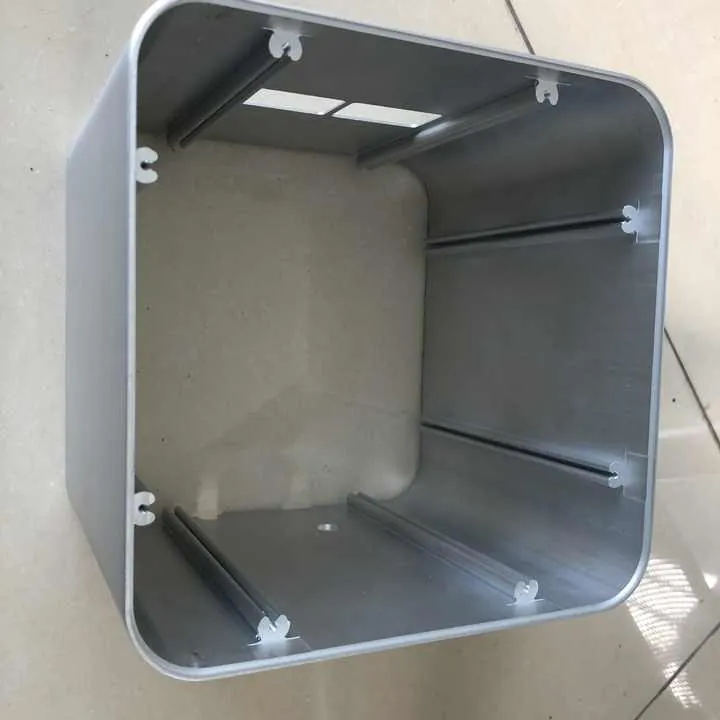
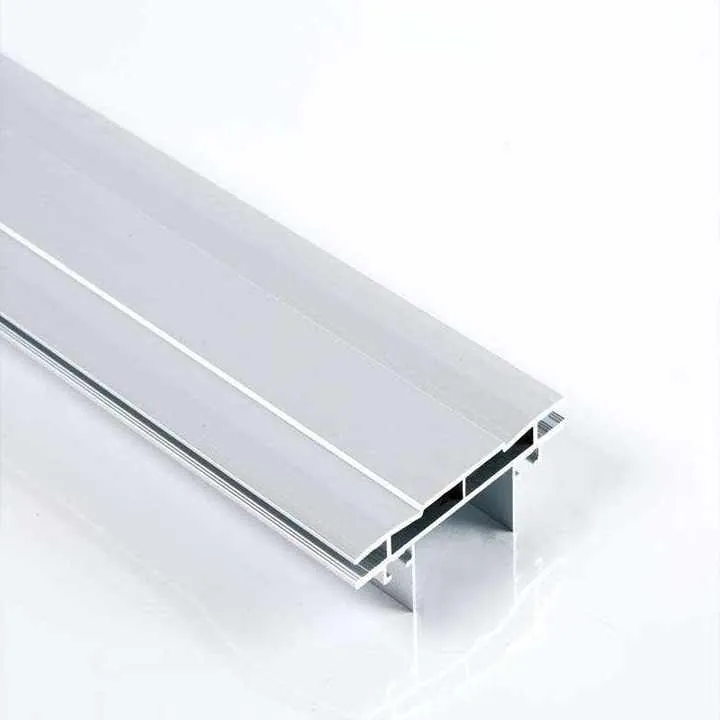
Aluminum extrusion for data center cooling?

Data centers are power-hungry, heat-generating environments. Effective cooling is crucial. Aluminum extrusions have emerged as a key player in managing heat in these systems.
Aluminum extrusions help dissipate heat in data centers by creating efficient cooling structures, such as heat sinks, cooling plates, and air channels, optimizing heat management across server components.
In this article, we will dive deeper into how aluminum extrusions contribute to cooling systems, including their design, functionality, and the best finishes to improve heat dissipation.
How are extrusions applied in server cooling systems?
Effective cooling is essential for server longevity. Aluminum extrusions are used to enhance airflow and heat dissipation, ensuring servers run optimally without overheating.
Extrusions are utilized in server cooling systems as heat sinks and cooling plates, designed to increase surface area and facilitate better airflow for efficient heat dissipation.
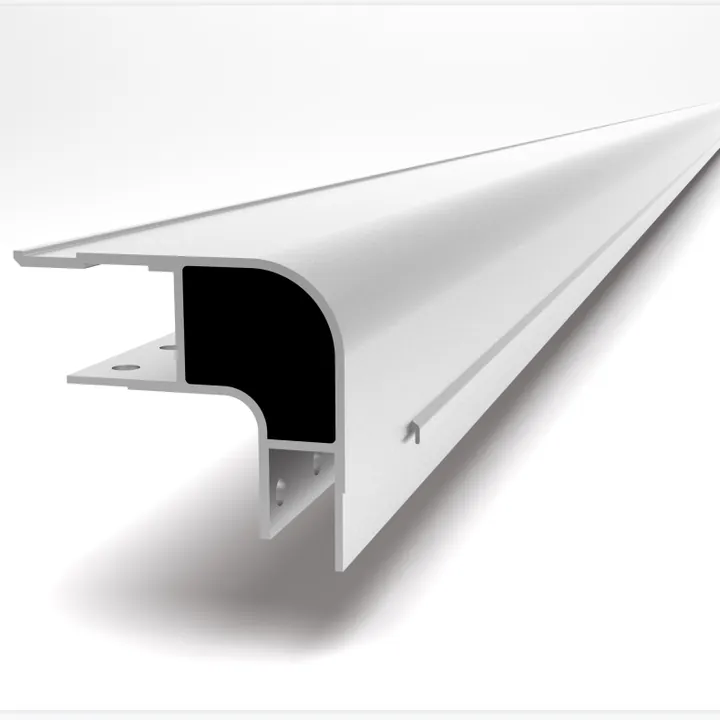
Aluminum extrusions are commonly employed in data centers to address the constant heat generated by servers. Heat sinks made from extruded aluminum offer an expanded surface area, which promotes the efficient transfer of heat from the server’s internal components into the surrounding environment. The primary goal is to reduce the heat buildup within servers, which can lead to thermal throttling and equipment failure. Aluminum’s excellent thermal conductivity makes it a popular choice for heat dissipation solutions.
In server cooling systems, aluminum extrusions are often used in the form of heat sinks, which attach directly to heat-producing components such as CPUs, GPUs, and memory modules. These heat sinks have fins or pins that increase their surface area, allowing for more contact with the surrounding air, facilitating greater heat exchange. The extrusions are designed with optimal fin spacing and height to achieve the best airflow dynamics.
Another widely used thermal profile is the pin-type extrusion. This profile is designed with cylindrical or conical pins that protrude from the surface, providing additional surface area while also enhancing the natural convection of air. Pin-type extrusions are particularly effective in applications where airflow is limited or where space is constrained.
When selecting a thermal profile, factors like the amount of heat being produced, the available space, and the type of cooling system in use must be considered. A high-density finned profile may be ideal for a system with high thermal loads, while a pin-type profile may be better suited for systems with limited airflow.
Both profiles help increase the rate at which heat is transferred from the server components to the surrounding environment, improving the overall cooling efficiency. Additionally, the choice of aluminum alloy used in the extrusion plays a role in its thermal conductivity. For instance, alloys like 6063-T5 are commonly used due to their balance of strength, durability, and thermal properties.
Aluminum extrusions are only used in air-based cooling systemsFalse
Aluminum extrusions are used in both air and liquid-based cooling systems, as they help with heat dissipation in both environments.
Aluminum extrusions improve heat dissipation by increasing surface areaTrue
The increased surface area of aluminum extrusions allows for better airflow and heat exchange, enhancing the overall cooling performance.
Which thermal profiles optimize heat dispersion?
Choosing the right thermal profile for aluminum extrusions is critical for optimizing heat dispersion in server cooling systems. But what thermal profiles work best?
Thermal profiles such as finned and pin-type extrusions maximize surface area, helping to disperse heat effectively. These profiles ensure better airflow and heat exchange efficiency.

The shape and surface area of aluminum extrusions directly affect their thermal performance. The design of the extrusion profile can significantly impact the cooling system’s efficiency by increasing the surface area available for heat dissipation. The goal is to maximize the heat transfer capabilities of the material, ensuring that the heat is dispersed evenly and quickly to avoid overheating.
One of the most common thermal profiles used in data center cooling is the finned extrusion. Finned profiles are designed with thin, spaced fins that extend from the base of the extrusion, creating an increased surface area. This design allows for more air to pass over the surface of the extrusion, improving the heat dissipation process. The optimal fin density and thickness depend on the airflow dynamics and the thermal load of the server system.
Another widely used thermal profile is the pin-type extrusion. This profile is designed with cylindrical or conical pins that protrude from the surface, providing additional surface area while also enhancing the natural convection of air. Pin-type extrusions are particularly effective in applications where airflow is limited or where space is constrained.
When selecting a thermal profile, factors like the amount of heat being produced, the available space, and the type of cooling system in use must be considered. A high-density finned profile may be ideal for a system with high thermal loads, while a pin-type profile may be better suited for systems with limited airflow.
Both profiles help increase the rate at which heat is transferred from the server components to the surrounding environment, improving the overall cooling efficiency. Additionally, the choice of aluminum alloy used in the extrusion plays a role in its thermal conductivity. For instance, alloys like 6063-T5 are commonly used due to their balance of strength, durability, and thermal properties.
Finned profiles are less efficient than pin-type profiles for coolingFalse
Finned profiles generally provide more surface area and, thus, are more effective in dispersing heat compared to pin-type profiles.
Pin-type profiles are more effective than finned profiles when airflow is limitedTrue
Pin-type profiles can enhance natural convection in systems with limited airflow, making them a good choice for certain cooling applications.
Can extrusions be used in liquid-cooled systems?
Liquid cooling systems are gaining traction in data centers due to their superior heat dissipation. But how do aluminum extrusions fit into these systems?
Yes, aluminum extrusions are integral to liquid-cooled systems. They are used in cold plates and heat exchangers, helping to transfer heat from server components to the coolant.

While air-based cooling systems are the most common method of heat dissipation in data centers, liquid cooling is becoming increasingly popular due to its efficiency, especially in high-performance environments. Liquid cooling involves circulating a coolant—typically water or a mixture of water and glycol—through channels or plates to absorb heat from server components and carry it away.
Aluminum extrusions are used in liquid-cooled systems primarily in the form of cold plates and heat exchangers. Cold plates are flat plates made of aluminum that have liquid channels built into them. These plates are attached to the server components, such as CPUs or GPUs, where they absorb heat. The coolant circulates through the channels, absorbing the heat from the cold plate and carrying it away to a heat exchanger, where the heat is dissipated.
The use of aluminum extrusions in cold plates provides several advantages. First, aluminum is highly conductive, allowing for rapid heat transfer from the server components to the coolant. Second, the extrusions can be customized to fit specific components or server configurations, ensuring efficient cooling. The design of the extrusion profile in these applications is crucial. The channels through which the coolant flows must be optimized to ensure uniform heat absorption and effective coolant flow.
In heat exchangers, extrusions help facilitate the transfer of heat from the coolant to the surrounding environment, ensuring that the coolant remains at an optimal temperature for continuous circulation. In some advanced systems, heat pipes made from extruded aluminum are used to further enhance heat transfer, allowing for higher cooling performance.
The combination of aluminum extrusions and liquid cooling enables higher heat dissipation rates, making it ideal for systems that require significant cooling, such as high-performance computing (HPC) systems and AI data centers.
Liquid-cooled systems do not require aluminum extrusionsFalse
Aluminum extrusions play a crucial role in liquid-cooled systems, enhancing heat transfer and ensuring the efficient movement of coolant.
Aluminum extrusions are often used in cold plates for liquid coolingTrue
Extrusions are used in cold plates to facilitate heat transfer from server components to the coolant in liquid-cooled systems.
What finish options improve cooling efficiency?
The finish applied to aluminum extrusions affects their cooling efficiency. What surface treatments work best for enhancing heat dissipation?
Finishes such as anodizing, polishing, and thermal coatings can improve the heat dissipation properties of aluminum extrusions, optimizing their performance in cooling systems.
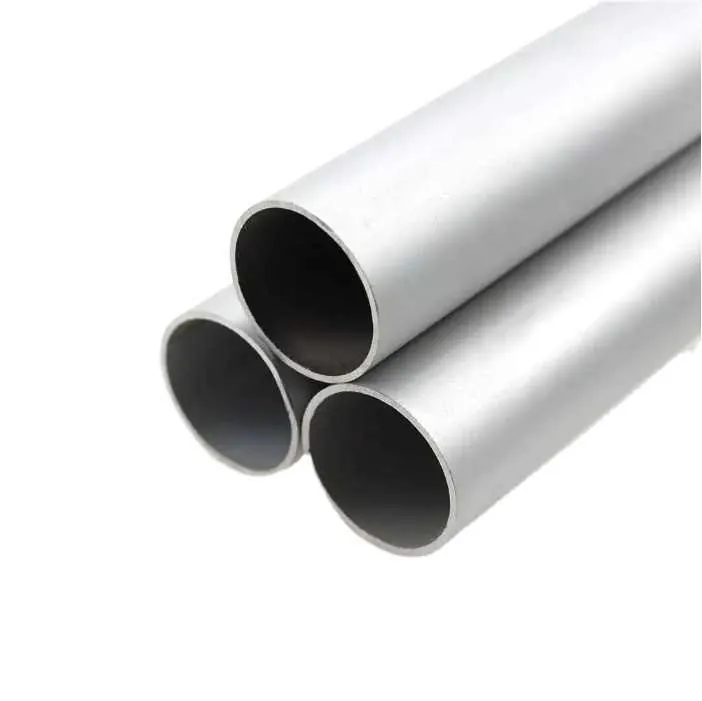
While the design of the aluminum extrusion profile plays a significant role in cooling efficiency, the surface finish also impacts how well the extrusion performs in heat dissipation. Several finish options can enhance the thermal properties of aluminum, improving the overall efficiency of the cooling system.
One of the most common finishes for aluminum extrusions is anodizing. This electrochemical process creates a protective oxide layer on the surface of the aluminum. This layer not only increases the material’s corrosion resistance but also enhances its thermal conductivity. Anodizing increases the surface area of the extrusion, allowing for more efficient heat dissipation. Additionally, anodized surfaces are often more durable and resistant to wear, making them ideal for high-performance cooling systems.
Another finish that can improve cooling efficiency is polishing. A polished surface has a smooth texture, which allows for better airflow over the extrusion, reducing the friction between the air and the surface. This can improve the rate of heat transfer and reduce the buildup of heat in the system.
Thermal coatings, such as ceramic or graphite-based paints, can also be applied to aluminum extrusions to enhance their heat dissipation properties. These coatings are designed to improve the surface’s ability to radiate heat away from the system. They can also increase the durability of the extrusion by providing additional protection against environmental factors such as moisture and corrosion.
In some cases, a combination of finishes may be used to optimize the performance of the aluminum extrusions. For example, anodizing can be applied to the base material, followed by a thermal coating to further enhance the cooling efficiency.
Overall, the right finish can make a significant difference in the thermal performance of aluminum extrusions, helping data centers maintain optimal temperatures and prevent overheating.
Polishing aluminum extrusions always improves heat dissipationFalse
Polishing may improve airflow, but anodizing often provides a more significant improvement in heat dissipation due to its increased surface area.
Anodizing aluminum extrusions improves both corrosion resistance and cooling efficiencyTrue
Anodizing increases the surface area, improving both heat dissipation and corrosion resistance, which enhances the overall performance and durability of the extrusion.
Conclusion
Aluminum extrusions are integral to effective cooling in data centers. Their design and finishes contribute to optimal heat dissipation, ensuring servers remain operational and efficient. Choosing the right profiles and surface treatments can significantly enhance the performance of cooling systems.