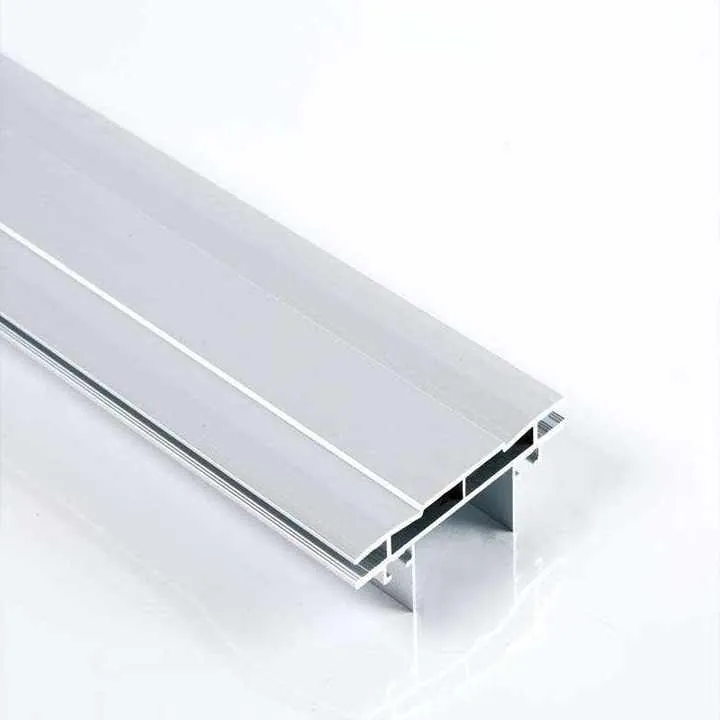
Aluminum extrusion in heavy machinery manufacturing?

Heavy machinery builders face pressure every day. Machines must carry high loads, last for years, and still stay cost controlled. Steel solves strength but creates weight, corrosion, and design limits. Aluminum extrusion often enters late, but many teams wonder if it should be part of the core structure from the start.
Aluminum extrusion already plays a critical role in heavy machinery manufacturing by balancing strength, weight, and design freedom, while supporting modular and scalable machine systems.
For many years, aluminum was seen as light duty only. That idea is outdated. Modern alloys, press capacity, and profile design changed the rules. Understanding where extrusions fit helps engineers reduce risk and unlock new options.
What roles do extrusions play in heavy equipment?
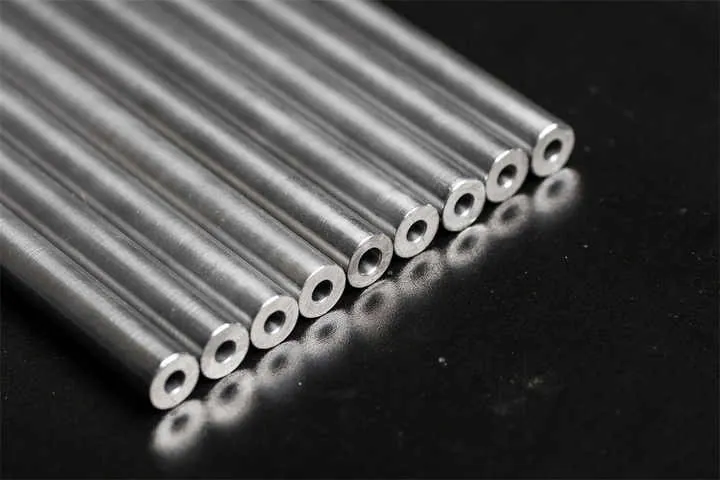
Heavy equipment must handle vibration, impact, and long duty cycles. Designers often struggle to balance stiffness with flexibility. Aluminum extrusions solve this problem by acting as both structural and functional components in one profile.
Extrusions serve as structural frames, mounting rails, protective housings, and integrated channels for cables, fluids, and fasteners in heavy equipment systems.
Aluminum extrusions are not used randomly. They are chosen where design control matters most. In many machines, extrusions act as the skeleton that supports moving systems and enclosures.
Structural support functions
Extrusions form machine frames, subframes, and support beams. Their strength comes from shape, not only material. Deep ribs, hollow chambers, and thick walls improve stiffness without adding excess weight.
Key benefits include:
- Predictable load paths
- Consistent cross section strength
- Easy length adjustment
Integration of multiple functions
One extrusion can replace many steel parts. Channels can hold wiring, air lines, or cooling tubes. Grooves accept fasteners without drilling.
This reduces:
- Assembly time
- Part count
- Alignment errors
Modularity and scalability
Heavy machines often change over time. Extruded frames allow sections to be extended or replaced without redesigning the whole system.
| Role | Steel Weldment | Aluminum Extrusion |
|---|---|---|
| Frame assembly | Fixed | Modular |
| Cable routing | External | Built in |
| Maintenance | Hard | Easy |
Long term reliability
Aluminum resists corrosion naturally. In outdoor or mining equipment, this matters. Surface treatments extend service life even more.
Aluminum extrusions in heavy equipment are mainly used for decorative covers rather than structural functions.False
Extrusions are widely used as load-bearing frames, rails, and support structures in heavy machinery.
Extrusions allow heavy equipment designers to combine structure and function into one profile.True
Profile design enables channels, ribs, and mounting features to be integrated into one extrusion.
Can extrusions replace steel in machinery frames?

Steel has been the default material for heavy machinery frames for decades. Many engineers hesitate to move away from it. The real question is not if aluminum can replace steel everywhere, but where replacement makes sense.
Aluminum extrusions can replace steel in many machinery frames when profiles are engineered correctly and load conditions are well understood.
Material choice must match real operating loads. Aluminum is lighter, but weight alone is not the main reason for change.
Strength versus stiffness
Steel is stronger per unit area, but stiffness depends on geometry. Aluminum extrusions use shape to gain stiffness.
For example:
- Larger section depth increases bending resistance
- Internal webs control deflection
- Hollow cores reduce weight
Fatigue and vibration behavior
Heavy machines vibrate. Aluminum handles fatigue differently than steel. Proper alloy selection and stress control are essential.
Design rules include:
- Avoid sharp corners
- Spread loads across surfaces
- Use thicker walls at joints
Hybrid frame solutions
Many machines use aluminum and steel together. Steel handles high impact zones. Aluminum builds the main frame.
| Frame area | Best material |
|---|---|
| Impact zones | Steel |
| Long beams | Aluminum extrusion |
| Mounting rails | Aluminum extrusion |
Safety and compliance
Standards often allow aluminum frames if calculations and testing prove safety. Engineers must validate designs through simulation and physical tests.
Aluminum extrusions are always weaker than steel frames and cannot meet safety standards.False
With proper design and validation, aluminum extrusion frames can meet industrial safety requirements.
Replacing steel with aluminum extrusions requires redesigning the frame geometry.True
Extrusion-based frames rely on shape and section design to achieve stiffness and strength.
Which profiles are engineered for high loads?

Not all aluminum extrusions are suitable for heavy machinery. Profile design decides performance. High load applications require specific shapes, alloys, and tolerances.
High load extrusion profiles use thick walls, multi chamber designs, and reinforced ribs to carry bending, torsion, and axial loads.
Profile engineering begins with load analysis. Every force must be mapped before selecting a shape.
Common high load profile types
Hollow box profiles are common. They resist bending and twisting well. T slot heavy profiles support adjustable assemblies.
Other designs include:
- I shaped reinforced extrusions
- Multi cavity beams
- Asymmetric load profiles
Alloy selection
High load extrusions often use 6061 T6 or similar alloys. These offer higher strength than standard architectural grades.
Key properties:
- High yield strength
- Good machinability
- Stable heat treatment
Wall thickness and tolerance control
Heavy duty extrusions use thicker walls. This improves load capacity and allows machining.
| Feature | Light profile | Heavy duty profile |
|---|---|---|
| Wall thickness | Thin | Thick |
| Chambers | Few | Multiple |
| Machining | Limited | Extensive |
Joint and connection design
Connections are often the weakest point. Designers use gussets, corner blocks, and reinforced nodes.
Bolted joints allow replacement. Welded joints are used only when needed.
High load aluminum extrusion profiles rely mainly on material strength rather than shape.False
Shape and geometry play a major role in load capacity and stiffness.
Multi chamber extrusion profiles improve torsional and bending performance.True
Internal chambers increase stiffness without adding much weight.
Are extrusions cost-effective for industrial machines?
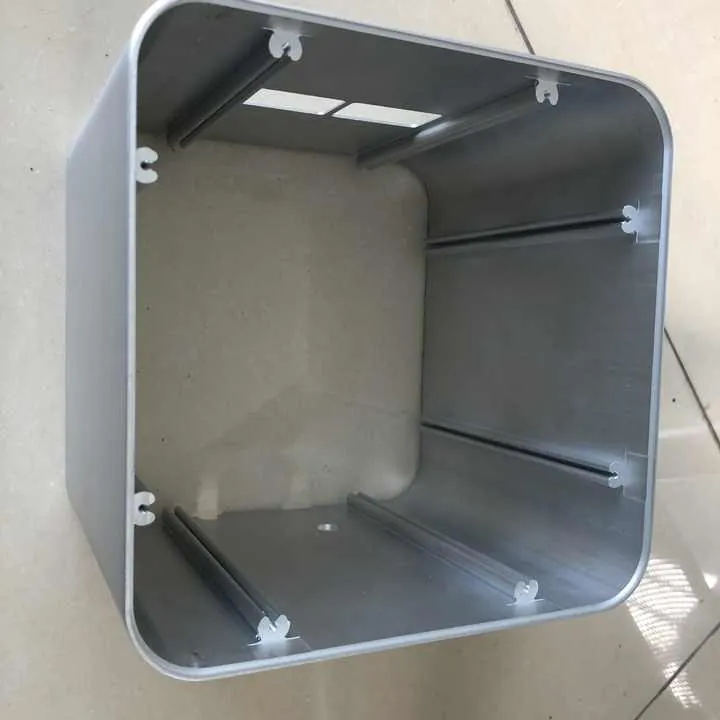
Cost is always part of the decision. Aluminum extrusions may seem expensive at first glance. Looking only at material price leads to wrong conclusions.
Aluminum extrusions are cost effective when total lifecycle cost, assembly labor, and flexibility are considered.
True cost includes more than raw material.
Tooling and production cost
Extrusion dies have upfront cost. However, they last long and support high volume.
Once the die exists:
- Per unit cost drops
- Consistency improves
- Waste reduces
Assembly and labor savings
Extrusions reduce welding. Bolted assembly is faster and cleaner.
Savings come from:
- Shorter assembly time
- Lower skill requirement
- Fewer defects
Maintenance and modification
Machines change. Extruded frames allow easy upgrades.
Steel frames often need cutting and rewelding. Aluminum frames need only reconfiguration.
Long term ownership cost
Lower weight reduces transport cost. Corrosion resistance lowers maintenance.
| Cost factor | Steel frame | Aluminum extrusion |
|---|---|---|
| Assembly labor | High | Low |
| Modification | Difficult | Easy |
| Corrosion cost | High | Low |
Aluminum extrusions are always more expensive than steel frames over the machine lifecycle.False
When labor, maintenance, and flexibility are included, extrusions can be more economical.
Extrusions reduce assembly and modification costs in industrial machines.True
Modular profiles simplify assembly and future changes.
Conclusion
Aluminum extrusion is no longer a secondary option in heavy machinery. When profiles are engineered correctly, extrusions support high loads, reduce weight, and lower long term cost. The key lies in smart design, not material myths.