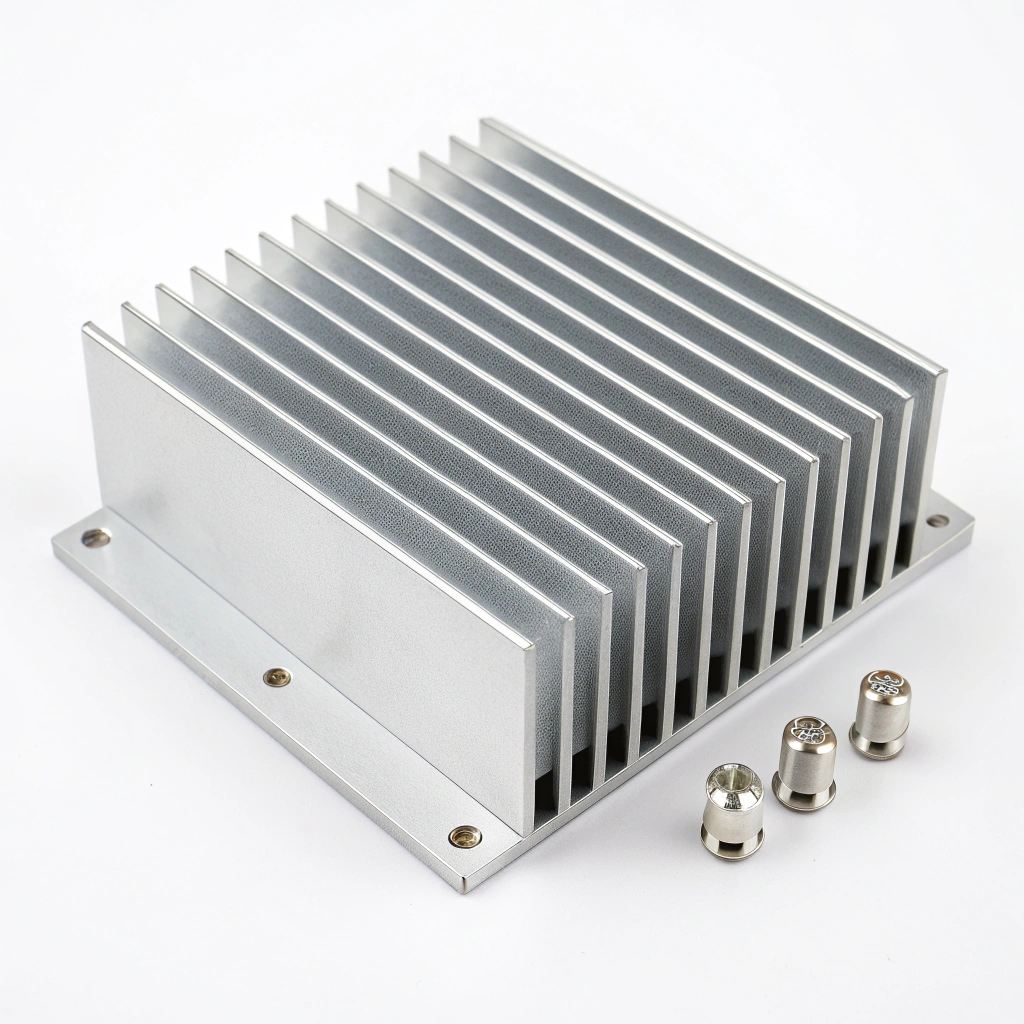
Aluminum extrusion workable temp range for industry?

Many industrial buyers focus on strength and shape. Temperature is often ignored until failure appears. Profiles bend. Loads shift. Assemblies stop. Most of these problems start with unclear temperature limits.
Aluminum extrusion workable temperature range depends on alloy, temper, load, and exposure time. Used within limits, aluminum extrusions perform reliably across many industries.
Temperature affects every aluminum profile over time. Understanding these limits early helps avoid wrong material choices and costly redesigns.
What temperature ranges suit aluminum extrusion use?
Aluminum looks stable at room temperature. In real industry, heat slowly changes its behavior.
Most aluminum extrusions are suitable for continuous use between minus 40 C and plus 120 C, with short-term exposure up to 180 C or 200 C depending on alloy and temper.

Aluminum extrusion alloys are heat treated. That treatment creates strength. Too much heat weakens it.
Common industrial alloys
The most common extrusion alloys are 6063, 6061, and 6005A. Each responds differently to heat.
| Alloy | Typical Temper | Continuous Range | Short-Term Limit |
|---|---|---|---|
| 6063 | T5 / T6 | -40 C to 100 C | 180 C |
| 6061 | T6 | -40 C to 120 C | 200 C |
| 6005A | T6 | -40 C to 110 C | 190 C |
Continuous range means years of service. Short-term means brief exposure.
Why temper matters
Temper defines how aluminum was aged. T6 offers higher strength. It also loses strength faster under heat. T5 is slightly softer but more stable under moderate temperature.
As temperature rises:
- Yield strength drops
- Stiffness decreases
- Creep risk increases
These effects appear far below melting point.
Low temperature behavior
Aluminum performs well in cold environments. It does not become brittle like some steels.
Advantages include:
- Stable strength at low temperature
- Good impact resistance
- No sudden fracture behavior
This makes aluminum suitable for cold storage and outdoor use.
Design safety margin
Good design limits working temperature to about 70 percent of maximum rated temperature. This allows for:
- Local heat concentration
- Aging over time
- Coating degradation
Ignoring margin leads to slow deformation.
Practical takeaway
Aluminum extrusions are reliable within defined temperature bands. Outside those bands, alloy selection or design must change.
Most aluminum extrusions are designed for continuous service below about 120 C.True
Above this range, long-term strength loss and creep become significant.
Aluminum extrusions can work continuously near melting temperature without performance loss.False
Mechanical properties degrade far below melting point.
How do extreme conditions affect performance?
Extreme temperatures rarely cause instant failure. Damage builds slowly and quietly.
High temperatures reduce strength and increase creep, while low temperatures mainly affect dimensional fit rather than material integrity.

High temperature effects
As heat rises, aluminum resists load less effectively.
Common risks include:
- Creep under constant load
- Permanent bending
- Loss of bolt preload
Creep can begin above 80 C when load is present.
Thermal expansion stress
Aluminum expands more than steel. When movement is restricted, stress builds.
Problems include:
- Buckling
- Joint stress
- Seal failure
Design must allow movement.
Thermal cycling damage
Repeated heating and cooling causes fatigue.
Typical issues:
- Micro cracks at corners
- Fastener loosening
- Coating cracks
Thermal cycles often matter more than peak heat.
Cold environment effects
Cold does not weaken aluminum. It changes size.
Issues include:
- Shrinkage gaps
- Alignment drift
- Seal leakage
These are design issues, not material failure.
Combined load and heat
The most dangerous cases combine heat with load, such as solar frames or conveyor systems near ovens.
Strength values must be reduced in these conditions.
High temperature mainly affects aluminum extrusion strength and creep behavior.True
Heat lowers yield strength and increases time-dependent deformation.
Extreme cold makes aluminum extrusions brittle and unsafe.False
Aluminum remains ductile at low temperatures.
Are there coatings for high-temp resistance?
Coatings are often misunderstood. They protect surfaces, not core strength.
High-temperature coatings protect aluminum extrusion surfaces from oxidation and damage, but they do not prevent strength loss of the base metal.

Anodizing behavior
Anodizing is common in industry.
Typical performance:
- Stable below 100 C continuous
- Short exposure up to 200 C
- Color fading at high heat
Hard anodizing performs better than decorative types.
Powder coating limits
Powder coatings depend on resin type.
| Coating Type | Continuous Temp | Short-Term Limit |
|---|---|---|
| Polyester | 90 C | 150 C |
| Epoxy | 110 C | 180 C |
| Silicone-modified | 200 C | 250 C |
Above limits, coatings crack or discolor.
Ceramic and special coatings
Ceramic coatings offer higher heat resistance.
Benefits include:
- Oxidation resistance
- Thermal insulation
- Harder surfaces
Cost is higher and use is selective.
What coatings cannot change
Coatings do not:
- Increase yield strength
- Stop creep
- Change alloy limits
Material choice remains critical.
High-temperature coatings protect surfaces but do not improve aluminum core strength.True
They mainly prevent oxidation and surface damage.
Ceramic coatings allow aluminum extrusions to work at any temperature.False
Aluminum alloy limits still apply.
Which industries use extrusions in heat-sensitive environments?
Many industries use aluminum successfully by respecting temperature limits.
Industries that manage heat carefully rely on aluminum extrusions even in temperature-sensitive environments.
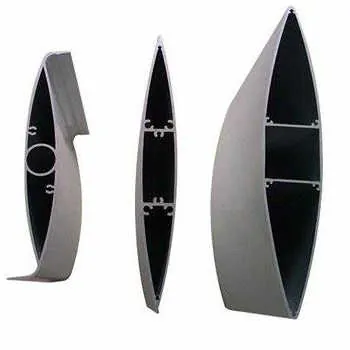
Solar and renewable energy
Solar frames face high surface temperatures.
Design focuses on:
- Expansion allowance
- Corrosion resistance
- Low structural load
Industrial automation
Factory equipment often operates near heat sources.
Applications include:
- Machine frames
- Guarding systems
- Conveyor supports
Heat shielding is common.
Transportation and rail
Vehicles face wide temperature swings.
Benefits include:
- Weight reduction
- Good fatigue resistance
- Stable cold behavior
Heat zones are isolated.
Electronics and enclosures
Extrusions act as housings and heat sinks.
Design priorities include:
- Heat dissipation
- Dimensional stability
- Assembly fit
Construction and architecture
Facade systems see sun and cold cycles daily.
Design depends on:
- Expansion joints
- Coating durability
- Long service life
Most failures come from joint design errors.
Solar and industrial automation industries commonly use aluminum extrusions in heat-exposed environments.True
They design around temperature effects using proper alloys and expansion gaps.
Aluminum extrusions cannot be used in any heat-related application.False
They perform well when limits are respected.
Conclusion
Aluminum extrusion workable temperature range is clear but often overlooked. Alloy, temper, load, and exposure time define performance. With realistic limits and proper design, aluminum extrusions serve reliably across many industries.