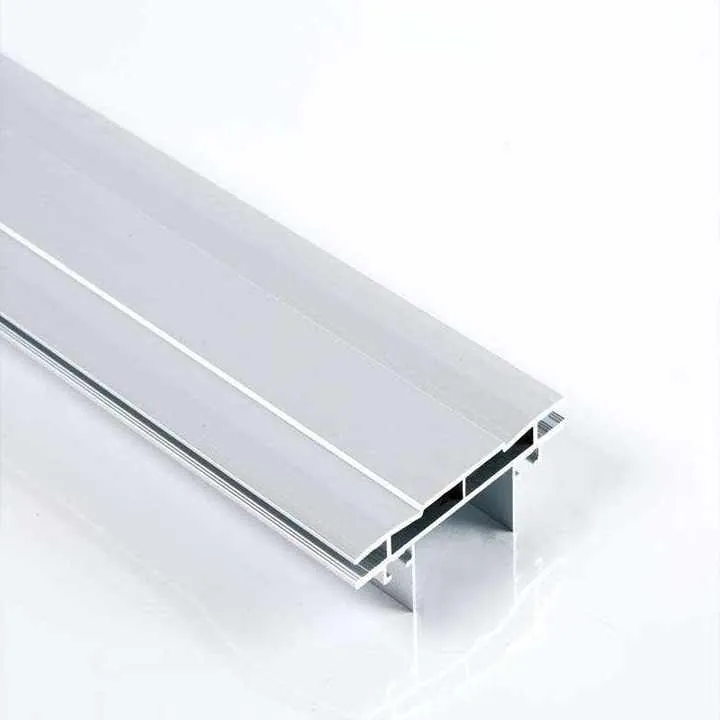
Aluminum extrusion recommended transport mode?
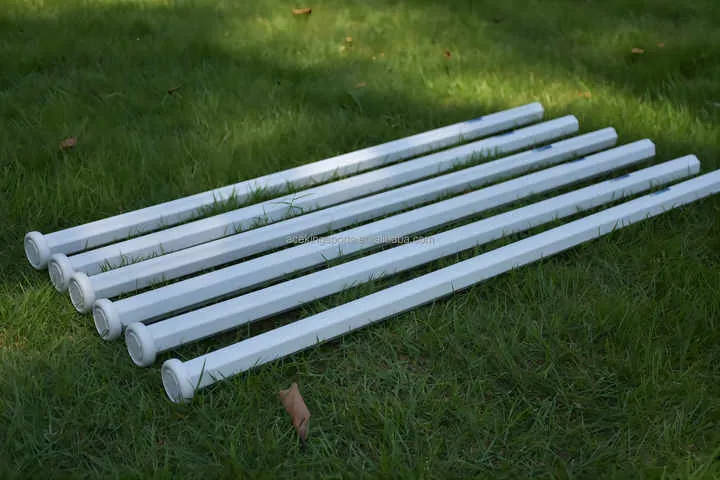
Shipping aluminum extrusion sounds simple at first. But many buyers face delays, damage, and high costs. These problems often come from choosing the wrong transport mode.
The best transport mode for aluminum extrusion depends on profile length, order volume, distance, budget, and delivery time. Sea freight is usually best for long and bulk profiles, while air and rail serve special cases.
Once this core idea is clear, the real work starts. Each transport option has limits and hidden trade-offs. Understanding them helps avoid risk and wasted cost.
Which transport mode suits long aluminum profiles?
Shipping long aluminum profiles is not easy. Many buyers learn this only after the first shipment gets rejected or delayed.
Long profiles often exceed standard container limits. If the wrong mode is chosen, the result can be high fees or forced cutting.
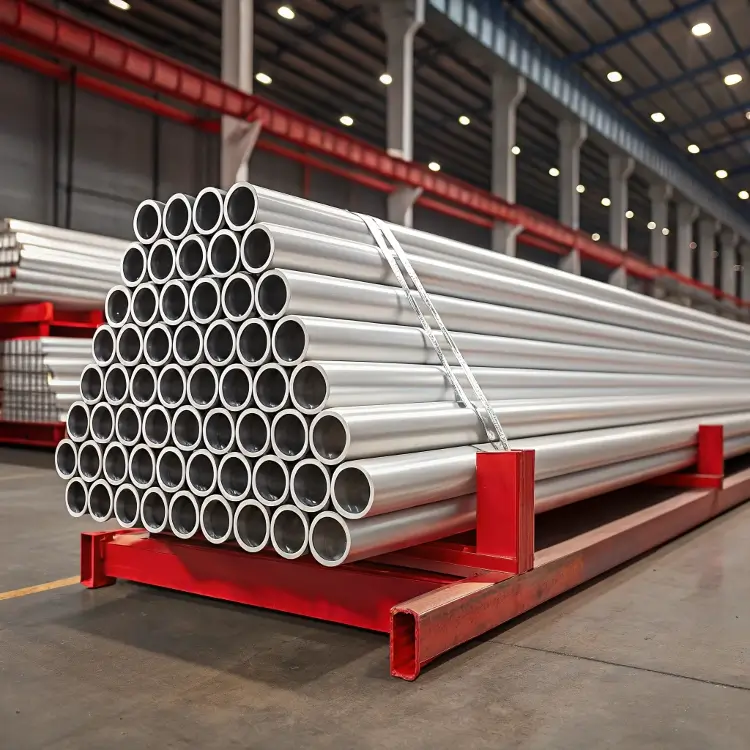
Sea freight using special containers or bulk loading is the most suitable option for long aluminum profiles over 6 meters, especially for B2B wholesale orders.
Why length matters more than weight
Aluminum extrusion is light but long. This creates a logistics problem.
Most standard containers have fixed internal lengths:
| Container type | Internal length |
|---|---|
| 20ft container | ~5.9 m |
| 40ft container | ~12.0 m |
| 40ft HC | ~12.0 m |
Profiles longer than 6 meters cannot fit into a 20ft container. Many architectural and industrial profiles fall into this range.
When profiles exceed container size, options become limited.
Common sea freight solutions for long profiles
There are three practical solutions used in real projects.
1. 40ft containers
Profiles up to 12 meters fit well. This is the most cost-efficient method.
It allows:
- Full protection
- Standard port handling
- Lower insurance risk
This is the preferred option for most export orders.
2. Open top or flat rack containers
Used when profiles exceed 12 meters.
These containers:
- Cost more
- Need special lashing
- Face higher port handling fees
They are still widely used for large construction projects.
3. Bulk vessel shipping
Used for very large volumes and very long profiles.
This method:
- Requires strong packing
- Needs experienced logistics partners
- Is economical only at scale
Why air freight is rarely suitable
Air freight has strict size limits. Long profiles often exceed aircraft door size.
Even when possible:
- Costs are extremely high
- Handling damage risk increases
- Length surcharges apply
Air freight is only used for short samples or emergency parts.
Practical experience from factory shipments
In real export operations, long profiles almost always go by sea. Even when delivery time is tight, sea freight remains the only workable option.
Cutting profiles to fit air freight often creates downstream assembly problems. This cost is higher than waiting longer for sea transport.
Sea freight is the most suitable transport mode for aluminum profiles longer than 6 meters.True
Standard containers and special sea freight solutions can handle long profiles safely and economically.
Air freight is a practical solution for most long aluminum extrusion shipments.False
Aircraft size limits and very high costs make air freight unsuitable for long aluminum profiles.
How do costs compare between air and sea shipping?
Transport cost is often the deciding factor. Many buyers ask for the cheapest option without understanding the cost structure.
Air and sea freight pricing work in very different ways.
Sea freight is far cheaper than air freight for aluminum extrusion, especially for heavy or long profiles, often costing only 5 to 10 percent of air shipping cost.
How air freight pricing works
Air freight is charged by chargeable weight.
Chargeable weight is the higher of:
- Actual weight
- Volumetric weight
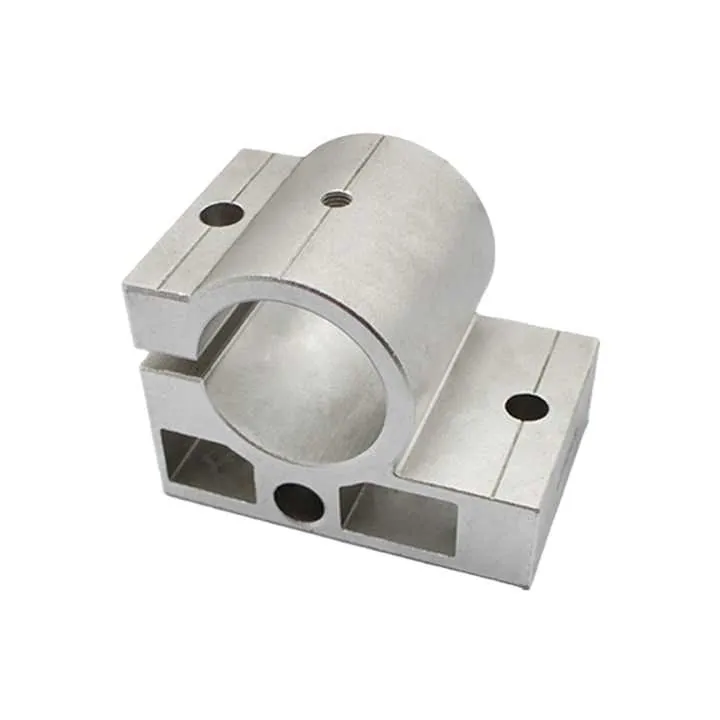
Aluminum extrusion has high volume relative to weight. This pushes air costs up.
Example:
- Long hollow profile
- Light weight
- Large cubic size
This results in very high chargeable weight.
How sea freight pricing works
Sea freight is priced by container or cubic meter.
This favors:
- Long profiles
- High volume
- Heavy packaging
Once a container is paid for, the marginal cost of extra aluminum is low.
Cost comparison example
| Transport mode | Typical cost level | Best use case |
|---|---|---|
| Air freight | Very high | Samples, urgent spare parts |
| Sea freight | Low | Bulk orders, long profiles |
| Rail freight | Medium | Regional cross-border shipments |
Hidden costs many buyers miss
Air freight looks fast but hides extra costs:
- Airport handling fees
- Customs priority fees
- High insurance rates
Sea freight involves:
- Port charges
- Longer cash cycle
- Inventory planning
But overall, sea freight remains cheaper.
Cost versus risk balance
Air freight increases risk of:
- Profile bending
- Forklift damage
- Poor stacking
Sea containers allow:
- Better fixing
- Wooden support frames
- Stable stacking
This reduces damage claims and rework cost.
When air freight still makes sense
Air freight can be justified when:
- Order quantity is very small
- Profiles are short
- Production line shutdown risk exists
In these cases, cost becomes secondary.
Sea freight usually costs far less than air freight for aluminum extrusion shipments.True
Sea freight pricing favors bulky and long goods, making it much cheaper than air freight.
Air freight is cheaper than sea freight for large aluminum extrusion orders.False
Air freight chargeable weight rules make it far more expensive for bulky aluminum profiles.
Is rail freight viable for regional deliveries?
Rail freight is often overlooked. Many buyers think only in terms of air or sea.
For regional trade, rail can be a strong option.
Rail freight is viable for aluminum extrusion within the same continent or nearby regions, offering a balance between cost and speed.

Where rail freight works best
Rail freight works best in:
- China to Europe routes
- China to Central Asia
- Intra-Europe shipments
Distance matters. Rail becomes competitive between 1,000 and 8,000 kilometers.
Advantages of rail transport
Rail offers:
- Faster transit than sea
- Lower cost than air
- Less handling than multi-port sea routes
For buyers with moderate urgency, this balance is attractive.
Size and length limitations
Rail wagons have limits but are flexible.
Many rail services allow:
- Long cargo on flat wagons
- Special project cargo handling
Still, coordination is needed early.
Rail cost structure
Rail freight cost sits in the middle.
| Factor | Rail performance |
|---|---|
| Speed | Medium |
| Cost | Medium |
| Capacity | Medium |
| Reliability | High on fixed routes |
Rail also avoids port congestion risks.
Packaging considerations for rail
Rail vibration differs from sea motion.
Proper packaging includes:
- Strong wooden crates
- Extra fixing points
- Anti-slip materials
Without this, surface damage may occur.
Real-world use cases
Rail is often chosen for:
- European distributors
- Automotive supply chains
- Just-in-time projects
It supports stable delivery schedules.
Rail freight can be a practical option for aluminum extrusion within regional markets.True
Rail offers a balance of speed and cost for cross-border regional deliveries.
Rail freight is unsuitable for long aluminum profiles due to strict size limits.False
Rail wagons can handle long cargo with proper planning and equipment.
What factors influence transport mode selection?
Choosing a transport mode is not just about price. Many factors interact.
Ignoring one factor often creates problems later.
Transport mode selection depends on profile length, order volume, delivery time, budget, destination, and risk tolerance.

Profile design and length
Length is the first filter.
Short profiles allow flexibility. Long profiles limit options.
Design decisions at the drawing stage affect logistics cost later.
Order volume and frequency
Large volume orders favor:
- Sea freight
- Full container loading
Small but frequent orders may justify:
- Rail
- Partial container loads
Delivery time expectations
Urgent projects push toward:
- Air or rail
Planned construction projects allow:
- Sea freight with buffer time
Destination infrastructure
Not all destinations handle all modes.
Factors include:
- Port capacity
- Rail connectivity
- Customs efficiency
Some inland regions favor rail over sea.
Risk management and damage tolerance
Aluminum profiles can bend or scratch.
Modes with fewer handling points reduce risk.
Sea containers often provide better control than airports.
Total landed cost thinking
Smart buyers look beyond freight cost.
They consider:
- Packaging
- Insurance
- Inventory holding cost
- Delay penalties
The cheapest freight is not always the lowest total cost.
Internal coordination matters
Engineering, purchasing, and logistics must align.
Late design changes often force expensive transport upgrades.
Early planning avoids this trap.
Transport mode selection should consider more than just freight cost.True
Factors like length, risk, timing, and destination strongly affect the best transport choice.
The cheapest transport mode is always the best option for aluminum extrusion.False
Ignoring risk, timing, and damage cost can make the cheapest option more expensive overall.
Conclusion
Choosing the right transport mode for aluminum extrusion requires clear understanding of length, cost, time, and risk. Sea freight suits most bulk and long profiles, rail serves regional needs, and air remains a last resort for urgent cases.