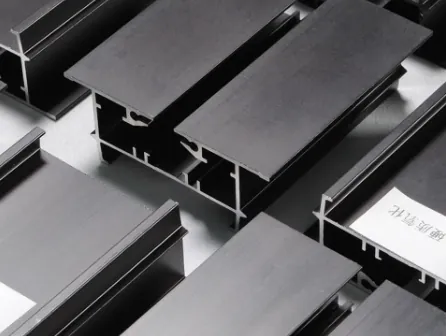
Aluminum extrusion shipping damage prevention tips?

Opening glance reveals how often aluminum extrusions arrive bent, scratched, or dented. That problem can break trust with customers and cause big losses.
Strong packaging, careful stacking, and clear handling rules can shield extrusions from damage before they reach the buyer.
This article shows how packaging, stacking, shock indicators, and transit monitoring work together to cut risks. It helps exporters protect shipments.
If you wonder how to send aluminum profiles safely across oceans or across the country, read on.
How can packaging reduce shipping-related damage?
Even small dents or scratches in extruded aluminum can ruin its value.
Good packaging can buffer impacts, keep profiles from rubbing, and control moisture — reducing freights’ damage risk.

Proper packaging matters. It includes right materials, wrapping method, and securing structure.
Aluminum extrusions often consist of long, thin profiles. These are vulnerable to bending, twisting, or surface scratch. Poor stacking inside a crate or no padding at contact points can lead to surface damage or warping.
Good packaging starts with choosing materials that cushion and separate each profile. Some options: foam sheets, corrugated cardboard layers, plastic film, wooden blocks, and end‑caps. For long profiles, protect the ends: they take most of the shock in handling. Foam or plastic caps cushion ends, prevent dents. Use inner separators: thin foam or cardboard placed between each piece avoids metal-to-metal contact that leads to scratching.
Then wrap the bundle tightly. Use stretch film or shrink wrap to keep parts from shifting. Loose parts inside crate will move during transit and hit crate walls or other parts. Wrapping keeps them together and stable.
Third, moisture and corrosion control matters. Aluminum resists rust but some alloys or surface treatments may stain or oxidize under humidity. Use desiccant bags or moisture‑proof liners. Seal crates well.
Finally, external crate strength counts. Crates should handle weight and strains from stacking or forklift forks. Use wood or plywood crates. Reinforce corners and base so crate does not collapse or twist. Add support beams for long profiles.
Here is a table summarizing packing materials and why they help:
| Packing Material | Purpose and Benefit |
|---|---|
| Foam sheets or blocks | Cushion impacts, protect from denting |
| Cardboard separators | Prevent metal-to-metal contact and scratching |
| Plastic stretch or shrink wrap | Hold bundle tight to avoid shifting |
| End caps (foam/plastic) | Protect fragile ends from crush damage |
| Moisture‑proof liner or desiccant | Guard against humidity and oxidation |
| Strong wood/ply crates | Provide structural strength and resist mishandling |
Good packing does not stop at one layer. It uses multiple protection levels. It keeps surfaces safe, ends safe, and inner pieces stable.
Mistakes happen when packers skip steps. I saw crates with long profiles just tied with rope. On arrival many profiles were scratched or bent. Weak crates failed under forklift pressure, causing warping.
Use a check list: end caps, inner separators, wrap, moisture barrier, strong crate. Inspect before shipping. If each profile stays in place, and crate stays solid, risk goes down a lot.
Strong packaging reduces the risk of dents and scratches during shipment.True
Padding, separators, and secure wrapping prevent metal contact and impact damage during transit.
Just tying extrusions with rope is enough to protect them during global freight shipping.False
Rope alone does not prevent shifting, impact, or protection from humidity and end‑point damage.
What are best practices for stacking aluminum profiles?
Stacking wrong inside a crate can bend or scratch aluminum profiles.
Best stacking spreads weight evenly, aligns profiles, and avoids pressure points — this preserves shape and surface.
Stacking needs care. First, align profiles so none stick out. Uneven lengths lead to pressure on ends or sides. Pressure points can dent or warp profiles. Profiles must lay flat. Use supports under the full length. Wooden beams beneath at intervals help. Do not let long profiles sag inside crate.
Second, separate layers. Use wooden or foam slats between layers. Without separators, bottom profiles carry the weight of those above. That can cause bending, especially for long, thin extrusions. Thin profiles bend under even moderate weight if unsupported.
Third, avoid side pressure. Profiles should not press against crate walls. Walls may crush into soft sections. Leave small gap or use protective strips along walls.
Fourth, limit stack height. Higher stacks increase pressure at bottom. Even strong crates give way. Calculate load per layer. If profiles weigh much and stack gets tall, spread over multiple bundles or use stronger crates.
Fifth, bundle similar profiles together. Mixing thick and thin profiles leads to uneven weight distribution. Thin ones may bend under heavy ones. Organize by size and shape.
Here is a sample stacking guideline:
| Stack Level | Support Placement | Additional Notes |
|---|---|---|
| Bottom | Full length wooden beams | Support long profiles fully |
| Intermediate | Foam/cardboard separators | Prevent metal-on-metal contact |
| Side walls | Protective strips or padding | Avoid contact with crate walls |
| Max height | Based on total weight | Prevent overload at bottom |
| Bundle type | Uniform profile bundles | Avoid mixing heavy and light items |
Good stacking should make each profile stable and pressure-free. All weight flows through supports not through thin parts of aluminum.
In earlier shipments I saw crates where profiles were stacked without separators. On arrival many thin profiles were bent. The bends were small but enough to cause rejection. I also saw crates with too many layers. Bottom profiles deformed under pressure. It cost time and money to sort and reject.
Also, stacking needs planning for shipping mode. In road freight, vibration and shifting happen. In ocean freight, crates may tilt. Extra braces help. Use cross‑bracing for long crates. Secure crate inside container so it cannot tip or slide.
Good stacking reduces both bending and surface damage. It makes handling easier too. Forklifts can load full crates, not fragile bundles. That reduces handling steps.
Using separators and supports between layers prevents bending and surface damage.True
Supports take load off aluminum, separators avoid scratches and avoid direct pressure on profiles.
Stacking as many profiles as possible in one crate always increases shipping efficiency without risk.False
Over‑stacking causes pressure on bottom layers leading to bending or warping.
Are shock indicators useful during freight handling?
Many damages happen during handling and transport shocks.
Shock indicators reveal if a shipment experienced impacts. They warn receivers to inspect and reject damaged goods if needed.
Shock indicators are small devices or labels applied on crates. They show if crate was dropped, tilted, or subjected to heavy shock. Some use pendulums or breakable vials; others use color-changing materials on tilt or impact. If indicator shows red or broken, that means crate may have been hit hard. Then receiver must check inside carefully.
These tools bring awareness. Freight handlers often move many packages. They may not realize long crates with aluminum need special care. A shock label reminds them: “Handle gently.” That reduces rough handling. Also, indicators give legal proof. If crate arrives damaged and indicator triggered, exporter can claim insurance or ask carrier to take responsibility. Without it, carrier may deny claim saying damage happened after delivery.
I used shock indicators for several shipments. In two cases contact points at crate ends were damaged even though crate seemed intact outside. Indicator showed strong impact. Carrier accepted responsibility. That saved money and reputation.
Still, indicators do not protect cargo directly. They only record events. They do not absorb shock. That means packaging and stacking must exist. Without them cargo can break even if indicator did not trigger. If packing is weak, indicator cannot stop damage.
Also, shock thresholds matter. If indicator triggers at low shock, shipment may be flagged often even without damage. That can lead to false alarms. On the other hand, if threshold too high, serious impacts may not register. Choose indicator designed for weight and fragility of aluminum crate.
It is good practice to use both impact and tilt indicators. Tilt indicator warns if crate was flipped. Many aluminum extrusions bend if crate was turned upside down. Impact indicator catches hard drops. Together they give better coverage.
In conclusion using shock indicators gives valuable data and helps in claims. But they do not replace careful packing and stacking.
Shock indicators offer legal proof of mishandling and help detect impact events.True
Indicators show if crate experienced shocks or tilts, helping recipients and shippers detect possible damage exposure.
Shock indicators can replace proper packing and stacking of aluminum extrusions.False
Indicators only show impacts; they do not protect profiles from bending or scratches.
How do exporters monitor damage risks in transit?
Exporters must track shipments until delivery to catch damage early and stop future losses.
Monitoring includes inspections at hand‑off, setting handling rules, using tracking tools, and logging delivery conditions to reduce risks.
First, verify packaging and stacking before shipment leaves warehouse. Use checklists: ends capped, inner padding, crate strong, profiles stable. Take photos of loaded crates. That gives baseline condition.
Second, mark handling instructions clearly on crate. Use labels like “Fragile – Aluminum Profiles”, “This Side Up”, “Handle With Care”. Many handlers work quickly. Labels help them notice fragility. Also include crate weight, center of gravity, and safe lifting points. For long crates note forklift points.
Third, apply shock and tilt indicators. As said earlier, they help record mishandling. On arrival check them. Also inspect crate exterior for dents or punctures. If indicator triggered or exterior shows damage, open crate in front of carrier or inspector, and take photos of aluminum inside. Document defects immediately.
Fourth, track shipment with tracking numbers and container IDs. For long voyages use container monitoring. Some shipping lines offer shock and tilt sensors inside containers. Those record vibration, tilt, or drops during ocean transport. Exporter can request sensor data or use third‑party sensor service. That helps identify when damage may have occurred.
Fifth, use quality control and acceptance test at destination. Ask customer or freight forwarder to sign damage report at time of delivery. That report notes crate and cargo condition. This helps in claims or insurance.
Sixth, analyze damage trends. Keep records of every shipment: weight, crate type, packing method, route, handling experience, damage found, cost of rejection or rework. Over time patterns appear. Maybe shipments to certain route often show scratches. Then packing method or crate design needs change. Maybe shipping via certain carrier has more impacts. Then avoid that carrier or add extra padding.
Here is a table showing monitoring steps and their purpose:
| Monitoring Step | Purpose |
|---|---|
| Pre‑shipment photo & checklist | Document baseline packing and stacking |
| Clear handling instructions | Alert handlers to treat crates gently |
| Shock and tilt indicators | Record impacts or tilts during transit |
| Container sensors or tracking | Monitor abuse during transport |
| Delivery damage inspection & report | Document actual damage upon arrival |
| Damage record analysis | Find weak points and improve packing/route |
In several projects I found pattern: shipments via certain ports had more damage. I switched crate design and added stiffeners. Damage dropped sharply. I also started using tilt indicators. That caught mishandling early. I negotiated better terms with freight forwarder based on records.
Monitoring does not guarantee zero damage. But it gives data. Data helps you improve. It gives proof when you claim compensation. It forces suppliers and carriers to care more. Over time your shipping quality improves.
Pre‑shipment checklist and photo help prove condition before shipping.True
Baseline documentation shows how goods looked at dispatch, which helps support claims if damage appears on arrival.
Once shipment leaves sender, exporters cannot influence handling or reduce damage risk.False
With monitoring, instructions, indicators, and proper crate design, exporters can influence handling quality and reduce risk even during transit.
Conclusion
Good packaging, stacking, shock indicators and monitoring work together to cut down shipping damage. Each step matters to protect aluminum extrusions. Careful effort at origin pays off at delivery.