Aluminum extrusion strength for heavy load designs?

Many engineers worry when aluminum beams bend or fail under heavy load. Poor profile design or wrong alloy weakens even big sections.
Choosing right extrusion geometry, thickness, and alloy ensures aluminum profiles handle heavy load reliably.
Strong design depends on more than size and looks. It involves understanding how metal behaves under stress. Continue reading to learn what makes extruded aluminum strong — and when it might replace steel.
What determines strength in extruded aluminum profiles?
Strong aluminum extrusions do not come from chance. Strength depends on shape, alloy, wall thickness, and how load is applied.
Strength of an extrusion comes from its cross‑section geometry, alloy grade, and internal stress distribution.
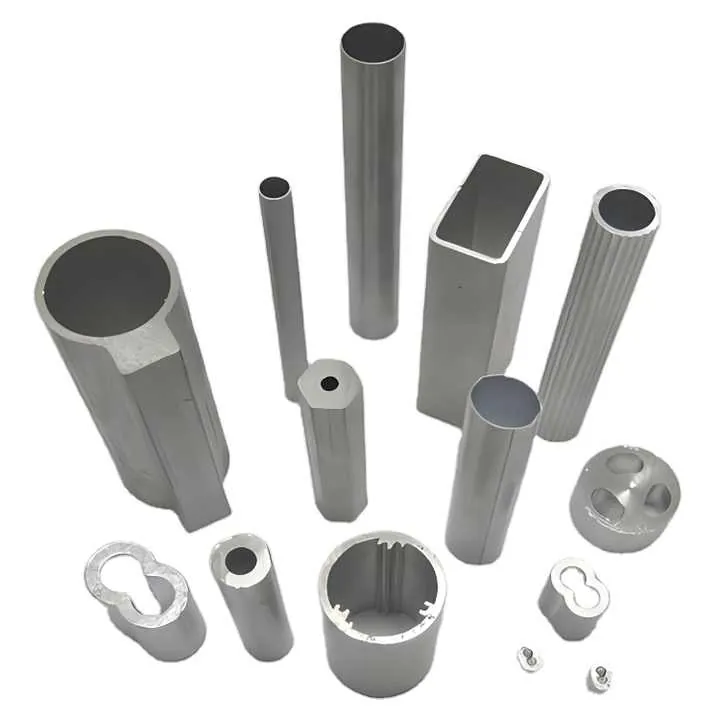
A beam’s ability to hold load depends on how its cross section resists bending, twisting, or compression. A simple flat bar bends easily. A well‑designed profile with flanges, webs, ribs, or hollow sections resists bending much better. The geometry defines how stress spreads across the section.
Also the alloy matters. Different aluminum grades have different strength, yield stress, and modulus. A soft alloy bends easier. A higher‑grade alloy resists more load before deforming.
Heat treatment and temper state also affect strength. Some extruded parts get heat‑treated (for example T6 treatment) after extrusion. That increases hardness and strength. If extrusion stays in softer temper, it handles less load.
How load is applied affects strength too. Uniform load over long span causes bending. Point load or uneven load adds stress in small regions. Fixing or mounting points also matter — holes or cuts reduce strength.
Overall load capacity depends on:
- Cross‑section geometry (ribs, walls, hollows, flanges)
- Wall thickness and distribution of material
- Alloy and temper condition
- Load direction, support points, and distribution
A well‑designed extrusion uses material where stress is high — along outer fibers in bending or near webs for shear. It avoids wasted metal where stress is low. This efficient design can reduce weight while keeping strength high.
Therefore strength comes not only from how much metal you use, but how you use it. A clever profile can outperform a solid bar of same weight.
How do wall thickness and geometry affect loads?
Thin walls and weak shape bring risk. Heavy loads need walls thick enough and geometry that resists bending or buckling.
Thicker walls and strong geometry make extrusions much stronger under bending, compression, or torsion.

When a beam bends under load, outermost fibers carry tension or compression. A hollow profile with thin walls spreads material far from the neutral axis. If walls are too thin, the material near edges cannot resist stress. The beam deforms or buckles. Making walls thicker or adding flanges or ribs moves more material away from neutral axis. This gives more bending resistance without huge weight increase.
For compression or axial load (like a column), geometry matters a lot. A slender tube may buckle early. A thicker‑walled tube, or one with internal ribs, handles compression better. Also, shape symmetry helps avoid twisting or uneven stress if load shifts.
Here is a simple comparison table:
| Profile Type | Wall Thickness / Design | Load Capacity Behavior |
|---|---|---|
| Flat bar | Thin, no ribs | Bends easily under side load |
| Hollow square tube | Thin‑walled | Light load capacity, risk of buckling under long span |
| Tube with thick walls | Thick walls | Good compression capacity |
| Profile with ribs/webs | Strategic ribs, hollows | High bending and torsion strength |
Good geometry can also control torsion or twisting when load is uneven or off‑center. For example, asymmetric profile resists bending in one direction but may twist under sideways load. Balanced shapes (tubes, I‑beams, closed sections) resist twisting better.
Wall thickness is only part of strength. Where the material is placed matters more. Two profiles with same cross‑section area but different shape have different strength. A thin‑walled tube may weigh same as a thick flat bar. But tube resists bending better if material is far from center.
Also, adding ribs or webs inside a hollow profile increases stiffness. It reduces weight compared to a full bar but keeps strength high. This helps in light‑weight designs like frames, machine bases, or structural supports.
In real designs, careful geometry plus adequate wall thickness allows extrusions to carry heavy loads. Designs must consider expected load type: bending, compression, torsion. Then pick geometry and thickness accordingly.
Which alloys are best for structural performance?
All alloys are not equal. Some aluminum alloys offer higher strength. These make big difference in load-bearing designs.
Alloys like 6061‑T6 and 6082‑T6 deliver strong structural performance. They resist bending, yield stress, and fatigue under load.

Common structural aluminum alloys used in extrusion include 6061, 6082, and 6005‑T5. Among them, 6061‑T6 is most popular. It gives good yield strength and tensile strength. 6082‑T6 is common in Europe. It has similar strength and good weldability.
Below is a table comparing some popular alloys roughly:
| Alloy & Temper | Typical Yield Strength | Typical Tensile Strength | Typical Use Case |
|---|---|---|---|
| 6061‑T6 | ~ 240 MPa | ~ 290 MPa | Structural frames, machine parts |
| 6082‑T6 | ~ 250 MPa | ~ 310 MPa | Heavy structures, load‑bearing profiles |
| 6005‑T5 | ~ 180 MPa | ~ 240 MPa | Medium strength profiles, general use |
Higher strength alloys resist bending and deformation under load. They also perform better under cyclic loads or fatigue. That matters when structures bear dynamic or changing loads.
Heat treatment after extrusion improves mechanical properties. For 6061 or 6082, T6 treatment increases strength and hardness. If extrusion stays in softer condition (like T4 or T5), strength is lower. Designers must confirm temper state.
Also, surface finish and post‑processing matter if corrosion or wear is a risk. A strong alloy but poor surface or corrosive environment can fail over time. Anodizing or proper coating helps preserve strength over service life.
In heavy load design, pick alloy not just for strength but for fatigue, weldability, and corrosion resistance. That ensures long‑term performance, not only initial load capacity.
Can extrusions replace steel in load-bearing parts?
Some ask: can extruded aluminum replace steel beams or parts under heavy load? The answer is: sometimes yes, but with conditions. Aluminum can work when design, thickness, and alloy suit the load.
Extrusions can replace steel when design optimizes geometry and use proper alloy. But for very high loads, steel may still be safer.
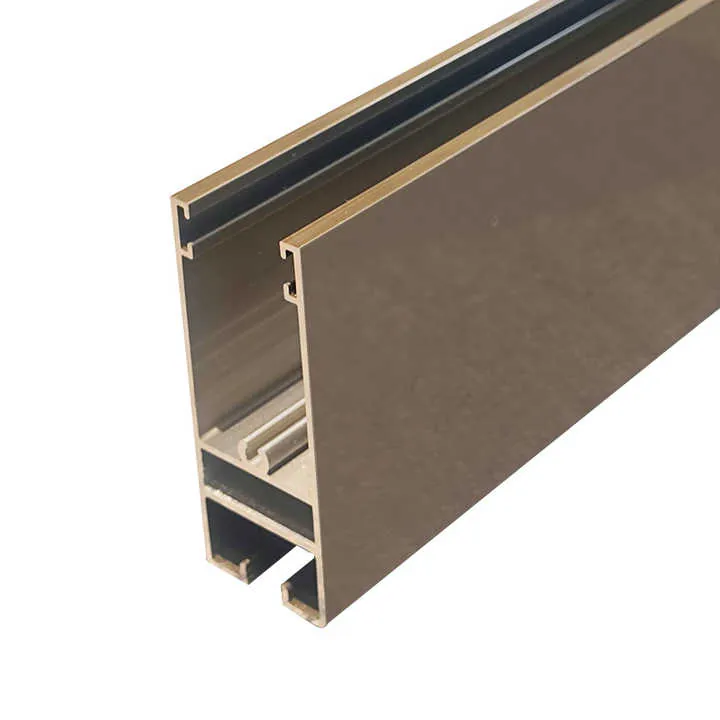
Aluminum has lower density compared to steel. That makes it lighter. For many applications, weight saving matters more than absolute strength. If design aims for light but strong enough structure, aluminum extrusion can replace steel. For example: frames for machinery, supports for platforms, structures needing corrosion resistance, or where ease of machining matters.
However, steel has higher modulus of elasticity and higher yield strength. That means a steel beam of same size resists bending more and carries heavier load. If load is very heavy, or safety margin must be high, steel may be better.
Also, aluminum tends to deform more under long‑term load (creep) at high temperature. For static heavy load over time, aluminum may show more deflection. That reduces long‑term reliability compared to steel.
Another factor is joint and fastening. Steel welds easily and joints handle heavy loads. Aluminum welding or fastening may need more care. If extrusion has many joints or bolted connections, aluminum design must carefully consider stress concentration, fatigue, and bolt preload.
In many cases where load is moderate or safety margin allows, aluminum extrusions deliver good performance while saving weight. But for heavy structural load — like beams holding tons, columns in building — steel or heavier alloy may still be safer.
If the design is optimized (good geometry, thick walls, strong alloy) aluminum may replace steel in parts like machine frames, gantries, rail supports, platforms, or medium‑duty load-bearing members.
But for load-bearing parts with high stress, dynamic load, or safety critical, steel remains top choice.
Conclusion
Aluminum extrusion strength depends on shape, thickness, alloy, and load type. Proper geometry and strong alloy let extrusions handle heavy loads. In many cases aluminum replaces steel for lighter, corrosion‑resistant structure. But for highest loads or critical safety, steel stays safest.