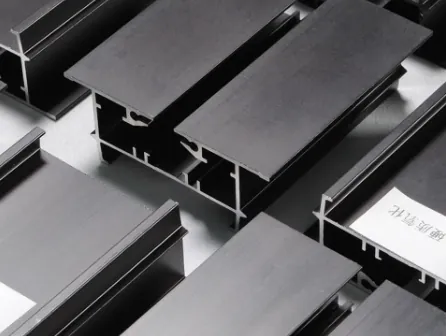
Aluminum extrusion standard tolerance requirements?
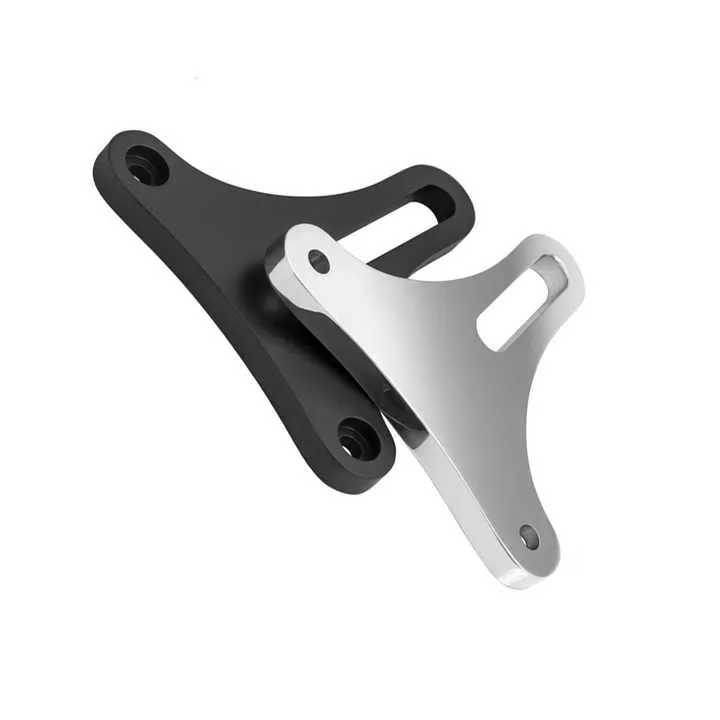
At times, parts made with aluminum extrusion drift from their intended sizes. This causes headaches in assembly and waste.
Understanding standard tolerance rules helps prevent those issues and ensures parts fit right every time.
Below I walk you through typical tolerances, how standards define classes, which sectors need tight fits, and why tolerance impacts function.
What are typical dimensional tolerances for extrusions?
Extrusion parts seldom come out exactly as drawn. Small deviations appear.
Typical tolerance for aluminum extrusions usually falls in a range of ±0.1 mm to ±0.5 mm, depending on section size and wall thickness.
This range gives a rough view of what most extrusions deliver.

When examining standard aluminum extrusions, size and wall thickness drive how tight tolerances can be. Thin walls or intricate shapes may allow only ±0.2 mm. Larger or heavier profiles often get ±0.3 mm or more. Wall thickness beyond a certain size adds material wiggle room.
Also, straightness and twist matter. Profiles longer than a meter often allow small bends or warps. These may run up to a few millimeters over length, though cross‑section tolerance stays tight.
Here is a simple table showing common ranges:
| Section size / wall thickness | Typical tolerance (width/height) | Typical wall thickness tolerance |
|---|---|---|
| Small profiles (≤ 20 mm width) | ±0.1 to ±0.2 mm | ±0.05 to ±0.1 mm |
| Medium profiles (20–50 mm) | ±0.2 to ±0.3 mm | ±0.1 to ±0.15 mm |
| Large profiles (> 50 mm) | ±0.3 to ±0.5 mm | ±0.15 to ±0.25 mm |
These numbers represent basic, generally acceptable tolerances. They apply if no special finishing or machining is done.
If more precision is required, finishing methods such as CNC machining or surface grinding may trim tolerances down to ±0.05 mm or even tighter. But such steps add cost and time.
Frequent discussions with fabricators reveal that most clients accept ±0.3 mm for profiles used in building frames or window frames. They find this range enough for aligning parts with screws or bolts.
In short, typical aluminum extrusions deliver sizes close to but not exactly at design. The tolerance band covers small variation. Engineers must plan for those when designing assemblies.
How are tolerance classes defined in aluminum standards?
Tolerances need common rules. Standards give those rules.
Tolerance classes in standards define ranges based on profile size, shape, and intended use, often described as “class A”, “class B”, “class C,” etc., with class A being the tightest.
These classes give a shared language to talk about quality.

In practice, a standard (for example from a national or international aluminum body) will break down profiles by:
- Cross‑section size and complexity
- Wall thickness
- Intended use (decorative, structural, mechanical)
- Acceptable length, straightness, and twist variation
And then assigns a class. For example:
| Class | Description | Typical use cases |
|---|---|---|
| Class A | Tightest tolerances for precise parts | Mechanical assemblies, sliding parts |
| Class B | Medium tolerances for general use | Window frames, furniture frames |
| Class C | Looser tolerances for large structures | Structural beams, support frames |
A designer asks for class A when the part must mate precisely with other pieces, maybe with minimal gaps or when sliding parts must align. Class B or C might be fine when the parts just need general fit or structural support.
Standards may also define separate tolerances for wall thickness, length, and straightness. For example, wall thickness might have ±0.05 mm under class A, ±0.15 mm under class B. Straightness tolerance might be 0.5 mm over 1 meter for class A, 2 mm for class C.
Using classes helps all parties—designers, suppliers, fabricators—understand what to expect. No need to send full dimension tables for each job. A simple “we need class A” already implies stricter checks and better quality control.
For custom extrusion orders, always ask the supplier what standard or internal tolerance class they follow. Clarify if class applies to shape, wall thickness, or both. Confirm whether finishing or machining will tighten tolerances.
Applying these levels can save time and prevent rework later.
Which industries require the tightest extrusion tolerances?
Some fields push tolerances to the limit.
Industries needing precise alignment, like automotive parts, aerospace structures, and mechanical components, demand the tightest extrusion tolerances.
They need parts that fit and function exactly.
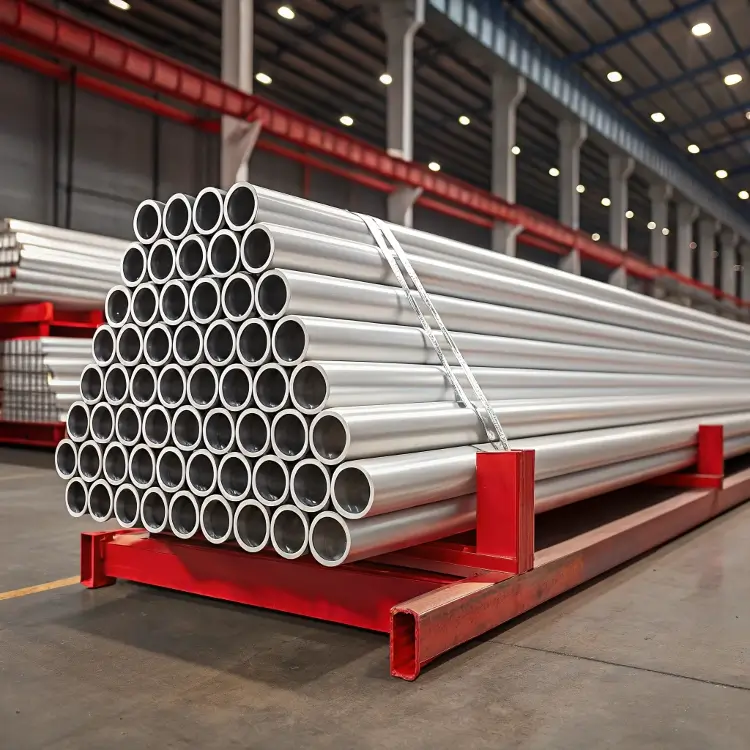
Examples:
- In automotive assembly, extruded aluminum parts may form frames where exact fit avoids vibration or noise. Some parts must align within ±0.1 mm.
- In aerospace, safety and weight matter. Components for mounts or beams often require tight fit to ensure structural integrity under stress.
- In machinery design, sliding rails, enclosures, and equipment frames often use extrusions. Misalignment may cause binding, wear, or failure.
Here is a table showing industries and their typical tolerance strictness:
| Industry | Typical tolerance class required | Reason for tight tolerance |
|---|---|---|
| Aerospace | Class A | High stress, safety, tight assembly |
| Automotive | Class A or upper‑Class B | Fit precision, noise/vibration control |
| Machinery / Robotics | Class A | Accurate motion and alignment needed |
| Furniture / Windows | Class B or Class C | Strength over precision, aesthetic assembly |
| Structural frames | Class C | Load bearing over tight fit |
I have seen customers in automotive and machinery ask for class A extrusion with wall thickness tolerance ±0.05 mm and straightness within 0.3 mm per meter. Others doing window frames accept ±0.3 mm.
Tighter tolerance almost always increases cost. The extrusion process becomes more controlled. Quality inspection takes more time. Reject rate rises. Some shapes may not hold tight tolerances at all.
Therefore only industries that truly need tight fit pay for class A work. Others accept looser tolerances to save cost.
Can tolerance ranges affect product functionality?
Tolerance range may seem small. But it can change how a product works.
Yes. A looser tolerance range can cause parts to misalign, slide poorly, leak, rattle, or fail under load — so tolerance directly affects product function.
Small errors can add up.

Here are ways tolerance matters:
Fit and assembly issues
If two extruded parts must slot together, and one is 0.4 mm too wide while the slot is at nominal size, the parts may not fit. Or they might force-fit, damaging surfaces.
Even small skew or twist causes gaps. In window frames, such gaps can let water or air leak in.
Mechanical performance
For sliding parts — like drawers, rails, industrial bearings — small angular twist or uneven wall thickness adds friction. That may wear parts faster or lead to jamming.
If a frame carries load, uneven walls concentrate stress unevenly. Under heavy load the part may warp or crack.
Aesthetics and finish
For visible furniture or architectural parts, slight differences break symmetry. Paint or anodized surfaces may show seam lines or joints wrongly.
Also, for parts bound by tolerance, finishing (like anodizing) adds small thickness. If original tolerance was tight, finish may cause misfit.
Cumulative error
When an assembly has many extruded parts, each with a small variation, the total misalignment may grow large. 0.2 mm error per part in a 10‑part assembly may lead to over 1 mm mismatch — enough to break fit or interfere with function.
Cost and scrap
Tight tolerances mean more scrap and more inspection. This raises cost. But loose tolerance may cause failure or returns.
Because of these effects, designers must plan tolerance carefully. Engineers should:
- Decide how much variation is acceptable at design time.
- Consider whether parts will be finished or machined later (finish adds thickness).
- Choose standard tolerance class matching use case.
- Communicate clearly with supplier what tolerance is needed: width, wall thickness, straightness, twist.
Precision may cost more. But it can save rework, leaks, safety issues, or product failure.
Only ignore tight tolerances if design can absorb variation — like large structural frames, or parts hidden inside other assemblies.
Conclusion
Aluminum extrusion tolerance matters a lot. Typical tolerances range ±0.1 to ±0.5 mm. Standards use classes (A, B, C) by shape and use. Tight‑tolerance needs arise mainly in aerospace, automotive, and machinery. Loose tolerances can hurt fit, function, and final quality. Use the right tolerance class — or pay later.