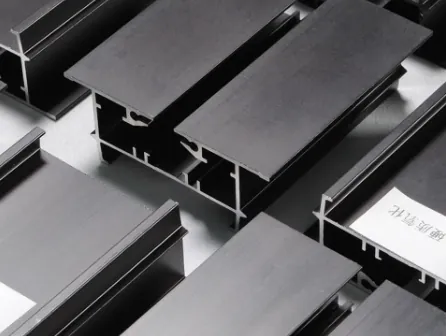
Why it takes at least 7 days to make aluminium profile moulds?

Are you curious about why it takes over a week to craft an aluminium profile mould?
The process of making aluminium profile moulds takes at least 7 days due to a series of essential steps, including cutting mould steel, rough turning, heat treatment, and precision machining. Each stage is time-consuming yet critical to ensure the mould’s quality and durability.
Understanding the intricacies behind this timeline reveals the complexities and precision required in creating aluminium profile moulds. Let’s delve deeper into each step to appreciate the meticulous craftsmanship involved.
Aluminium moulds require heat treatment for durability.True
Heat treatment strengthens the mould, ensuring longevity and performance.
Precision machining is the quickest step in mould making.False
Precision machining is time-consuming due to its detailed and accurate nature.
What Are the Initial Steps in Aluminium Mould Creation?
Starting your journey in aluminium mould creation? Understanding the initial steps is key. These processes lay the foundation for precise and durable moulds.
The initial steps in aluminium mould creation involve preparing the mould steel, executing rough turning, and undergoing heat treatment. These processes ensure the steel’s precision and durability for effective moulding.

Preparing the Mould Steel
The journey begins with selecting high-quality mould steel. This choice impacts the durability and performance of the final product. The first physical step involves cutting the steel to the required dimensions. This precise cut can take up to an hour, ensuring accuracy.
Executing Rough Turning
After cutting, rough turning reshapes the outer circle of the forged steel, which may initially be slightly oval. This process involves adjusting to create a perfect round shape, crucial for ensuring that the mould functions as intended.
Undergoing Heat Treatment
This step is pivotal for enhancing the mould’s strength and durability. Typically, moulds undergo heat treatment for 24 hours, with larger ones requiring up to 48 hours. This process involves repeated tempering, which strengthens the material by altering its internal structure.
CNC Machining and Further Processes
Post heat treatment, CNC (Computer Numerical Control) machining refines the mould’s surface. Following this, wire cutting and Electric Discharge Machining (EDM) enhance precision. For detailed components, slow wire cutting, though time-consuming, ensures accuracy.
| Process | Time Required | Purpose |
|---|---|---|
| Cutting Mould Steel | Approximately 1 hour | Initial shaping |
| Rough Turning | Varies based on size | Outer circle adjustment |
| Heat Treatment | 24-48 hours | Strengthening |
| CNC Machining | Varies | Precision refinement |
| Wire Cutting & EDM | Several hours | Detailed component creation |
For more detailed insights, exploring CNC machining details1 could enhance your understanding of how these machines contribute significantly to precision.
Considerations in Process Efficiency
The efficiency of these processes can be influenced by machine types and operation speeds. Medium wire machines operate faster than slow wire machines but may sacrifice some accuracy. Understanding these nuances can help optimize production time and quality.
For those new to this field, learning about EDM techniques2 offers valuable perspectives on achieving intricate designs in aluminium mould creation.
Explore how different heat treatment methods3 affect material properties to select the best approach for your specific project needs.
Cutting mould steel takes approximately 1 hour.True
The cutting process is precise and typically takes about an hour.
Heat treatment for moulds lasts only 12 hours.False
Moulds usually undergo heat treatment for 24 to 48 hours.
How Does Heat Treatment Affect Mould Durability?
Unlock the secret to extending your mould’s lifespan with heat treatment. Discover how this process enhances durability, ensuring your moulds withstand the test of time and rigorous use in industrial settings.
Heat treatment significantly improves mould durability by altering the microstructure of the material, increasing hardness, wear resistance, and stress relief. This process reduces the likelihood of defects, extending the mould’s service life.
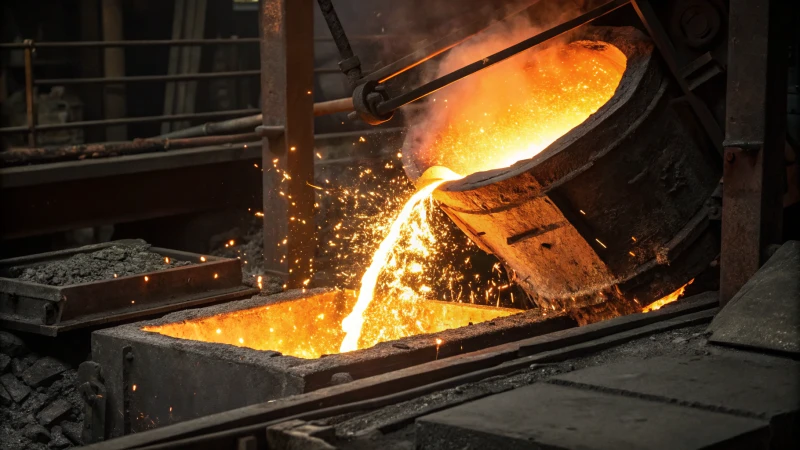
Understanding Heat Treatment Processes
Heat treatment involves heating and cooling metals to change their physical and mechanical properties without altering the product shape. For moulds, this process can enhance attributes like hardness and tensile strength.
- Annealing: Softens the metal, making it more ductile and improving machinability.
- Quenching: Involves rapid cooling to increase hardness, crucial for tool steel moulds4.
- Tempering: Reduces brittleness after quenching, striking a balance between toughness and hardness.
Effects on Mould Durability
-
Increased Hardness: Through processes like quenching, heat treatment hardens the mould surface, offering resistance against wear and tear. This feature is vital for injection moulding applications5, where repetitive use can degrade moulds quickly.
-
Stress Relief: During operations, moulds are subjected to significant thermal and mechanical stress. Heat treatment relieves these stresses, minimizing warping or cracking risks.
-
Microstructural Changes: Altering the internal structure of mould materials via heat treatment enhances properties like toughness and strength. These changes make the moulds less susceptible to metal fatigue6.
| Heat Treatment Method | Effect on Mould Durability |
|---|---|
| Annealing | Improves ductility and machinability |
| Quenching | Increases surface hardness |
| Tempering | Balances toughness and hardness |
Real-World Applications
In industries like automotive manufacturing, where durability is paramount, heat-treated moulds are a standard. For example, car body panel7 production relies on moulds capable of withstanding high-pressure stamping processes repeatedly without deforming.
Moreover, modern heat treatment technologies like induction heating offer precise control over these processes, allowing manufacturers to tailor properties according to specific needs.
To explore further, consider looking into advanced techniques like vacuum heat treatment or plasma nitriding, which offer distinct advantages for specific alloy compositions8. These methods can be game-changers in enhancing durability while maintaining efficiency in manufacturing cycles.
Quenching increases mould surface hardness.True
Quenching rapidly cools the metal, enhancing surface hardness for durability.
Annealing decreases mould machinability.False
Annealing actually improves machinability by softening the metal and increasing ductility.
What Role Does CNC Machining Play in Mould Production?
CNC machining is pivotal in the mould production industry, enabling precision, efficiency, and versatility. Explore how this technology revolutionizes manufacturing, from design to completion.
CNC machining is crucial in mould production due to its precision, speed, and ability to handle complex designs. It allows for high-quality moulds with reduced waste and faster turnaround times.
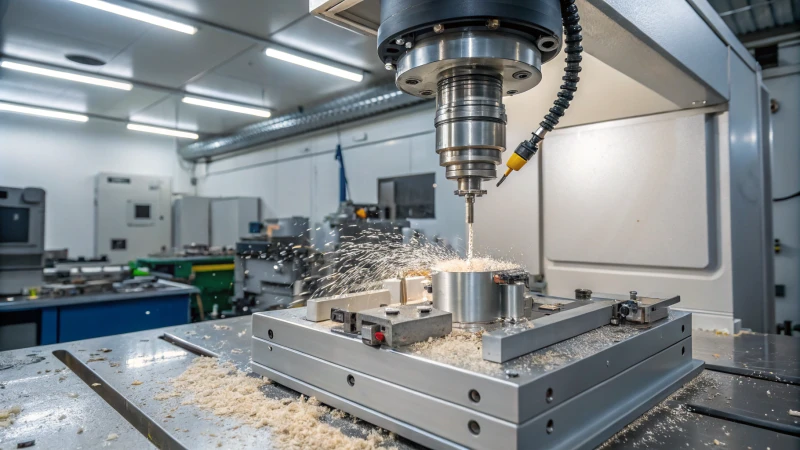
Precision in Complex Designs
CNC (Computer Numerical Control) machining allows manufacturers to create intricate and precise moulds that were previously difficult to achieve. This precision is vital when dealing with detailed designs required for complex moulds. CNC machines follow exact digital instructions, ensuring consistent quality across multiple units.
For instance, a detailed aluminium profile mould9 can be produced with tight tolerances, something that’s critical for applications requiring high precision.
Enhanced Efficiency and Speed
The automation capabilities of CNC machining significantly reduce the time required for mould production. Traditional methods involve manual adjustments, which are time-consuming and prone to human error. In contrast, CNC machining minimizes these delays by automating the production process.
- Time Efficiency: A process that traditionally took weeks can now be completed in days.
- Consistency: Every mould produced is identical, eliminating variability.
Moreover, CNC machining supports rapid prototyping, allowing designers to test and refine their designs quickly.
Material Versatility
One of the major advantages of CNC machines is their ability to work with a wide range of materials. Whether it’s aluminium, steel, or plastic, CNC machines can handle them all with ease. This versatility is particularly beneficial in industries where different materials10 are required for varied applications.
Here’s a brief table showing common materials used in mould production and their CNC compatibility:
| Material | CNC Compatibility |
|---|---|
| Aluminium | High |
| Steel | High |
| Plastic | Moderate |
| Copper | High |
Reduction of Waste
CNC machining is an environmentally friendly option due to its precision and efficiency. It reduces material wastage because it only removes material necessary for creating the mould’s shape. This aspect is particularly important for businesses focused on sustainability and cost-efficiency, aligning with values like environmental consciousness11.
In summary, CNC machining offers numerous benefits to mould production, including enhanced precision, efficiency, material versatility, and waste reduction. By incorporating this technology, manufacturers can significantly improve their production processes and deliver high-quality moulds efficiently.
CNC machining reduces mould production time by weeks.True
CNC automation significantly speeds up the process, reducing time from weeks to days.
Plastic has high CNC compatibility in mould production.False
Plastic has moderate CNC compatibility compared to materials like aluminium or steel.
Why Is Wire Cutting Crucial in the Mould-Making Process?
In the intricate world of mould-making, precision and efficiency are paramount. Wire cutting stands as a pivotal process, ensuring detailed and accurate moulds necessary for high-quality production.
Wire cutting is essential in mould-making because it enables precise cutting of hardened materials with minimal waste. It offers high accuracy, essential for detailed mould components, making it a vital step in the manufacturing process.
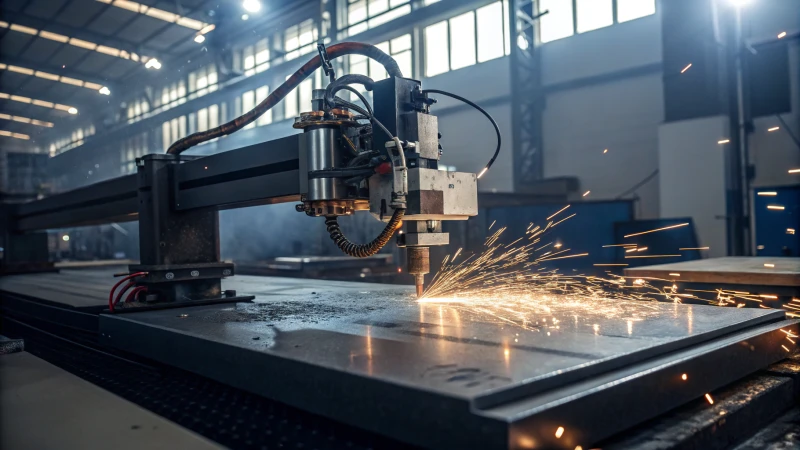
Understanding Wire Cutting
Wire cutting, particularly Electrical Discharge Machining (EDM), uses a thin wire as an electrode to cut through metal. This process is crucial in mould-making due to its ability to cut hardened materials12 with extreme precision and minimal waste.
| Feature | Benefit |
|---|---|
| Precision | Cuts within microns of tolerance |
| Efficiency | Minimal setup and no tooling needed |
| Material Range | Handles tough alloys with ease |
Advantages over Traditional Cutting Methods
Traditional methods like milling can struggle with hard materials and complex shapes. Wire cutting shines in these areas, providing smooth, burr-free edges which reduce the need for additional finishing processes.
- Complex Geometries: Wire cutting excels in creating intricate designs that other machining methods13 can’t handle efficiently.
- Surface Finish: It leaves a fine surface finish, crucial for moulds requiring minimal post-processing.
Application in Mould-Making
In mould-making, accuracy is key. Wire cutting allows for:
- High Precision: Essential for components that must fit together seamlessly.
- Repeatability: Consistent results across multiple moulds, ensuring quality control standards14.
For instance, when producing aluminium profile moulds, wire cutting helps maintain the strict tolerances required. Its ability to handle different material thicknesses without distortion makes it indispensable in modern manufacturing15 environments.
Comparing Wire Cutting Speeds
| Type of Wire Cut | Speed (hours per operation) |
|---|---|
| Slow Walking | 4 |
| Medium Walking | 2 |
Slower cuts are used for high-precision needs, while medium speeds are preferred when speed is essential without sacrificing quality. Understanding these differences helps manufacturers choose the right approach for their specific mould-making tasks.
Wire cutting is only used for soft materials.False
Wire cutting excels in cutting hardened materials, not just soft ones.
EDM wire cutting requires minimal setup time.True
EDM wire cutting is efficient, needing little setup compared to others.
How Can Delays Be Mitigated During Mould Manufacturing?
In the intricate world of mould manufacturing, minimizing delays can significantly enhance productivity and reduce costs. But how can you effectively mitigate these delays?
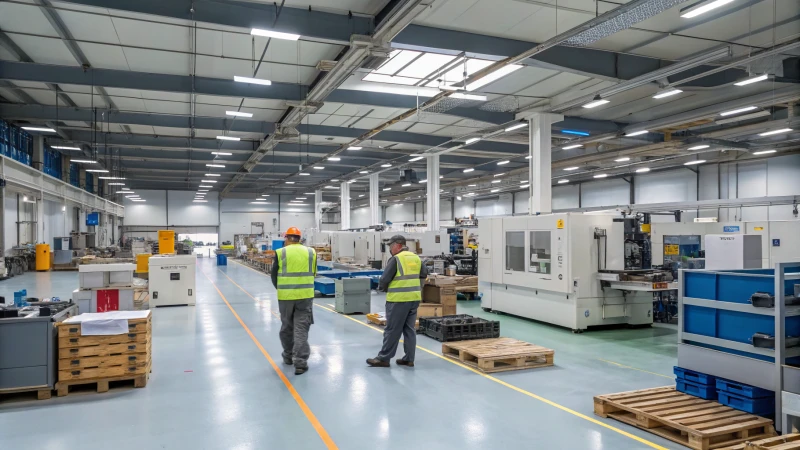
Delays in mould manufacturing can be mitigated by implementing lean manufacturing principles, utilizing advanced technology for precision, enhancing supplier communication, and regularly maintaining equipment to avoid unexpected downtimes.
Streamlining Communication with Suppliers
One of the primary causes of delays is miscommunication with suppliers. Regular, clear communication ensures that design requirements16 and timelines are understood. Utilizing collaborative tools can bridge gaps between teams.
Implementing Lean Manufacturing Principles
Adopting lean manufacturing principles can optimize production efficiency. This involves eliminating waste and streamlining processes. Techniques such as 5S or Just-In-Time can be pivotal. Here’s a simple breakdown:
| Lean Technique | Description |
|---|---|
| 5S | Sort, Set in order, Shine, Standardize, Sustain |
| Just-In-Time | Production based on demand, reducing inventory waste |
Leveraging Advanced Technology
Incorporating CNC machines and automated systems17 can enhance precision and reduce human error. This technology minimizes the need for rework, which is a common delay factor.
Regular Equipment Maintenance
Equipment failure is another delay culprit. Establish a routine maintenance schedule to ensure machinery operates at peak efficiency. Predictive maintenance tools can preemptively identify potential issues.
Training and Development
Investing in employee training ensures the workforce is skilled and adaptable to changes. Workshops on new technologies or methodologies can keep the team updated and efficient.
Efficient Resource Allocation
Properly allocating resources and prioritizing tasks can prevent bottlenecks. Using project management software helps in tracking progress and reallocating resources effectively.
In summary, by adopting these strategies, manufacturers can significantly reduce delays in their production cycles. Consider implementing these methods to streamline your operations and improve efficiency.
For further reading on optimizing your manufacturing processes, explore additional resources or industry guidelines to stay competitive in the fast-paced manufacturing landscape. Explore more18.
Miscommunication with suppliers causes most delays.True
Clear communication ensures design requirements and timelines are met.
Lean manufacturing principles increase production waste.False
Lean manufacturing aims to eliminate waste and streamline processes.
Conclusion
Creating aluminium profile moulds takes at least 7 days due to essential processes like cutting, rough turning, heat treatment, and precision machining, ensuring quality and durability.
-
Clicking this link provides in-depth insights into CNC machining’s role in enhancing mould precision. ↩
-
This link explores EDM techniques, offering knowledge on achieving intricate designs effectively. ↩
-
Discover how various heat treatment methods impact mould durability and performance. ↩
-
Learn why tool steel is favored for its hardness and wear resistance in mould making. ↩
-
Discover how heat treatment improves longevity and performance in injection moulding processes. ↩
-
Understand the factors leading to metal fatigue and how heat treatment can mitigate these effects. ↩
-
Explore the role of heat-treated moulds in producing durable car body panels. ↩
-
See how advanced heat treatments tailor properties of specific alloys for enhanced durability. ↩
-
Discover how CNC technology enhances the precision of aluminum profile molds, ensuring perfect fits and finishes for high-quality applications. ↩
-
Learn about the diverse range of materials suitable for CNC machining, offering flexibility and innovation in mold production. ↩
-
Explore how CNC machining minimizes waste and supports sustainable manufacturing practices through efficient material usage. ↩
-
Discover which materials are commonly cut using wire EDM for enhanced mould durability. ↩
-
Explore why wire cutting outperforms traditional machining in certain manufacturing scenarios. ↩
-
Learn how consistent precision from wire cutting contributes to rigorous quality standards. ↩
-
Understand wire cutting’s significance in today’s advanced manufacturing processes. ↩
-
Understanding the role of effective communication with suppliers can prevent misunderstandings and production delays. ↩
-
Learn how automation reduces errors and enhances precision, speeding up manufacturing processes. ↩
-
Discover strategies to enhance your manufacturing operations’ efficiency and effectiveness. ↩