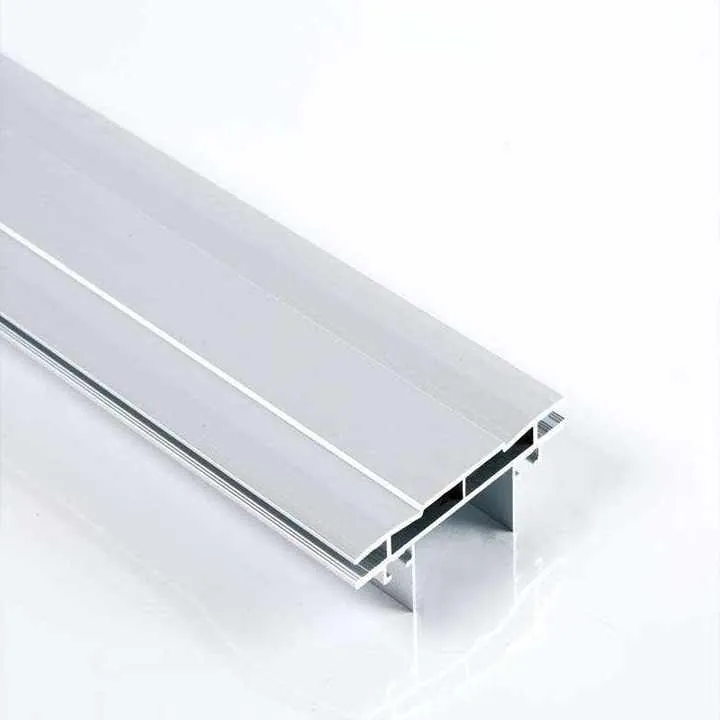
What is Aluminum Extrusion Profiles?
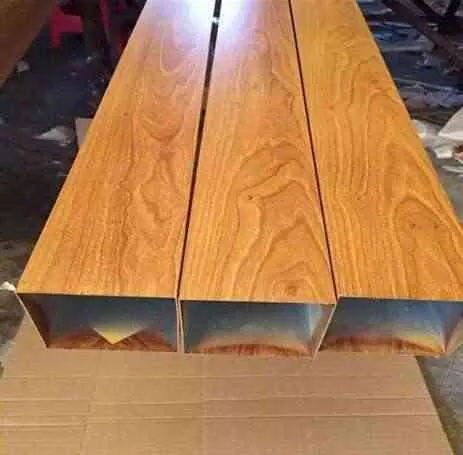
In today’s manufacturing world, companies face pressure to produce parts quickly and cost‑effectively. They need materials that are strong, easy to adapt, and fast to work with. Aluminum extrusion profiles meet those demands by offering flexible design with efficient production.
Aluminum extrusion profiles are long, shaped sections of aluminum created by forcing molten metal through a specially designed die, resulting in continuous lengths with specific cross‑sections ready for various applications.
Now that the idea is clear, let’s continue to explore how these profiles are defined, how they work, where they are used, and how accessories can link into them.
How Extrusion Profiles Are Characterized?
When examining extrusion profiles, it is essential to understand the core traits that define them. The way the profiles are described helps buyers, engineers, and fabricators select the right type for a given job.
An extrusion profile is characterized by its cross‑section shape, alloy material, temper (strength condition), dimensional tolerances, and surface finish.

Cross‑Section Shape
The most visible trait is the shape of the profile. This shape is determined by the die used during extrusion. The die opens define the outer and inner contours of the profile. Complex shapes with multiple cavities or channels are possible. For example, a T‑slot profile or a hollow tube profile. The shape affects how the profile will engage with fasteners, what strength it offers, and how it mates with other parts.
Alloy Material and Temper
| Profiles are made from aluminum alloys like 6063‑T5 or 6061‑T6. Each alloy gives different mechanical properties. For example, 6061‑T6 has higher strength and is often used where structural load matters. The temper designation (such as T5 or T6) informs the treated heat condition and thus the performance. | Alloy | Temper | Typical Use |
|---|---|---|---|
| 6063‑T5 | T5 | Framing, general purpose | |
| 6061‑T6 | T6 | Structural, heavy load |
Dimensional Tolerances
Dimensional accuracy is critical. The extrusion process can vary slightly. A profile may have tolerances in width, height, wall thickness, and flatness. These tolerances ensure parts will fit with other components without excessive modification. For example, a profile must allow bolts to slide easily in the slot but not so loose that the structure shifts under load.
Surface Finish and Treatment
The finish of the profile matters for appearance, corrosion resistance, and downstream treatment. Common finishes include plain mill finish, anodized, powder coated, or wood‑grain transfer. The finish can impact cost, but also performance. A smooth anodized surface is good for clean rooms or visible facades; a colored powder coat may match branding.
This combination of factors—shape, alloy, temper, tolerance, and finish—defines the character of an aluminum extrusion profile. When specifying a profile, these parameters must match the design goal. For instance, a modular framing system needs tight slot dimensions for connectors; a curtain wall system may focus more on surface finish and weather resistance.
Summary Table of Characterization
| Characteristic | Why it matters |
|---|---|
| Cross‑section shape | Defines fit, function and compatibility |
| Alloy material | Determines strength and suitability |
| Temper (T‑condition) | Affects mechanical performance |
| Dimensional tolerances | Assures fit and assembly ease |
| Surface finish/treatment | Impacts aesthetics and environmental durability |
Understanding these traits makes it easier to choose and specify the right profile in design or procurement. Recognizing how each trait links back to the application helps avoid mismatches in performance or cost.
Why Profiles Offer Modular Functionality?
Modularity is one of the core reasons engineers and procurement teams choose aluminum extrusion profiles. These profiles allow flexible design, fast assembly, and easy modification.
Profiles offer modular functionality because their standard slot systems, connector compatibility, and uniform dimensions allow components to be assembled, re‑configured, or expanded without custom fabrication.

What Does Modularity Mean in This Context?
Modularity means building systems from standard, interchangeable parts that snap together or bolt with minimal custom work. A profile with T‑slots or grooves allows a connector or nut to slide in, then fasten. This lets designers assemble frames, machines, guard rails, or workstations quickly. If the requirement changes later, the structure can adapt with minimal waste.
Standard Slot Systems
Many profiles share slot widths and dimensions across a manufacturer’s system. For example, a 10 mm slot width may accept a standard T‑nut or sliding nut. That means fasteners, end caps, brackets, hinges all fit the same profile line. These standard slot systems reduce custom tooling. Designers know what parts to buy. Engineers can reuse drawings and layouts. Maintenance teams can stock common hardware.
Connector Compatibility
Connectors are the key to modularity. Straight brackets, corner cubes, pivot hinges, gussets—all exist for modular profile systems. They enable building frames of many shapes: square, rectangular, triangular. Profiles can incorporate panels, doors, motors, sensors, lights. Because the system uses sliding nuts or drop‑in T‑nuts, re‐adjustment is easy. For example, one might add a shelf to a machine frame by sliding in a T‑nut on an adjacent slot and bolting the bracket.
Uniform Dimensions and Adaptability
Profiles are manufactured in standard lengths (for example, 1000 mm, 2000 mm, etc.). Having uniform lengths means production and inventory are simpler. If a frame needs to grow, you order another length. If it needs to shrink, you cut it down. Uniform profiles also help alignments when building multi‑part systems. For example, a linear rail and carriage assembly may mount onto identical profile lengths for symmetry and balance.
Benefits of Modular Functionality
Because of modularity, systems built with profiles offer:
- Faster design to build time.
- Lower tooling cost and less custom manufacturing.
- Easier maintenance and reconfiguration.
- Scalable systems: you can start small and expand by adding profile lengths and connectors.
- Better inventory control: you stock standard profiles and accessories rather than custom parts each time.
Critical Considerations
Modularity is powerful, but not always perfect. The designer must ensure that slot strength, connection rigidity, and alignment meet the application load. For heavy structural or dynamic loads, a modular profile system may need reinforcement—gussets, welding, or special brackets. Also, although standard slot systems simplify design, the chosen profile line must support the required hardware and accessories. If the design uses accessories from one system and profiles from another incompatible system, problems may arise.
By understanding how modularity works in profile systems, one can plan for flexibility and future growth. It makes the difference between building a frame once and building a system that evolves over time.
Where Standardized Profiles Are Applied?
Standardized profiles appear in many fields. From factory automation to architectural facades, their use spans across industries.
Standardized aluminum extrusion profiles are applied in machine frames, workstations, automation cells, solar panel mounting, architectural curtain walls, and conveyor systems because they offer repeatability, ease of assembly and global supply.

Industrial Automation and Machine Frames
In manufacturing plants, machine frames and enclosures must be built fast and assembled reliably. Standard profiles allow engineers to design frames that hold motors, sensors, conveyors, and robots. The uniform slot system supports mounting linear rails, pneumatic tubing, cabinets, and lighting. Since many factories operate globally, having standardized profiles makes procurement easier across multiple sites.
Workstations and Benches
Ergonomic workstations for operators are often built with profiles. The design might need adjustability for height, tilt, or tool placement. Standard profiles allow these adjustments without rebuilding from scratch. Using the same slot system, accessories like monitor arms, tool trays, or lighting can mount directly. This flexibility is useful in lean manufacturing and offices alike.
Solar Panel Mounting Systems
In renewable energy, mounting systems for solar panels face high environmental loads: wind, snow, expansion, contraction. Standardized aluminum profiles provide high strength‑to‑weight ratio, corrosion resistance, and repeatability in assembly. Many solar mount systems use aluminum extrusion profiles to form rails, supports, and frames. Uniform profiles help installers worldwide source parts locally.
Architectural Curtain Walls and Facades
In construction, curtain walls, window frames, and facade elements often use aluminum profiles. Standard profiles help architects and contractors achieve consistent aesthetics and rebuild across projects. The profiles may include channels for glass, gaskets, seals, and rain‑drain systems. The standardization helps ensure parts are available globally and that replacements can be installed when needed.
Conveyor Systems and Material Handling
Material handling lines rely on conveyors, guards, supports, and sensor mounts. Standard profiles help system integrators build modular conveyor legs, guiding rails, sensor mounts, and operator stations. Standard slot widths and connector systems reduce installation time and allow easy reconfiguration when the line changes.
Summary Table of Applications
| Application Area | Why Profiles Are Suitable |
|---|---|
| Machine frames / automation | Speed, flexibility, global supply |
| Workstations / benches | Adjustability, modular accessories |
| Solar mounting systems | Strength, lightweight, corrosion resistance |
| Architectural facades | Consistency, aesthetics, global availability |
| Conveyor / material handling | Modular layout, ease of change |
Given the wide application areas, standardized aluminum profiles are often chosen when a system needs to be scalable, maintainable, and operable worldwide.
Can Profiles Integrate Accessories?
Profiles themselves provide the structure, but accessories bring functionality. The interplay between the profile and accessories defines what the system can do.
Yes, aluminum extrusion profiles can integrate a broad range of accessories—such as fasteners, connectors, panels, sliders, hinges, t‑nuts, end‑caps and sensors—because the slot geometry enables secure and modular attachment.

Variety of Accessories and Their Roles
Here are common accessory categories:
- Fasteners and T‑nuts: These slide into the T‑slot of the profile and lock components in place.
- Connectors: Corner brackets, gussets, pivot joints, and end plates enable angled connections, load bearing joins, and motion.
- Panels and Covers: Sheet metal, acrylic panels, or plexiglass can mount into the profile slots to form guards or walls.
- Hinges and Doors: Profiles can host internal grooves for hinges or sliding doors for enclosures.
- Linear motion components: Slides, carriages, rails mount onto profiles for machine tool axes or conveyor supports.
- Electrical and sensor accessories: Cable management clips, sensor mounts, lighting supports integrate into profile slots.
- End‑caps and Feet: Finishing accessories provide aesthetics, protection, and leveling for profile systems.
How Integration Works in Practice
Because the profile has standardized slot geometry, the accessory design can assume fit into that slot. For example, a 10 mm wide slot accepts a 10 mm wide T‑nut from the accessory provider. The installer slides the T‑nut into the slot, positions it, then fastens the mating part (bracket, panel, motor) with a bolt. This process repeats across the structure.
One can build a protective machine guard: the main frame made of profiles, side panels mounted via brackets, doors attached with hinges to a profile slot, sensor mounts inserted for safety switches, cable channels clipped into slots for wiring. All accessories fit without drilling custom holes in the profiles.
Benefits of Accessory Integration
- Efficiency: No custom tooling or fabrication required for every part.
- Scalability: Add or replace accessories without rebuilding the whole frame.
- Maintenance: Upgrades or changes are easier—just unscrew and shift a component.
- Global sourcing: Accessory manufacturers often make standard fittings for popular profile systems—this simplifies procurement in different regions.
Important Fit and Compatibility Considerations
- Slot size must match accessory hardware: Mixing incompatible profiles and accessories from different systems can lead to loose fits or inability to assemble.
- Load capacity of profile and accessory must be verified: A connector might fit, but may not support the required load or moment.
- Alignment and precision matter: If accessories such as linear bearings or rails mount on profiles, the flatness and alignment of the profile matters. Warped or poorly supported profiles can cause motion issues.
- Surface finish and treatment of the profile affect accessory behavior: For example, a soft anodized surface may wear faster when sliding components are attached; mounting lubrication or correct finish may be required.
Example Workflow Table
| Step | Task | Key Check |
|---|---|---|
| 1 | Choose profile system and slot size | Slot width matches accessory specs |
| 2 | Select required accessories | Fasteners, brackets, panels, sensors |
| 3 | Design assembly in modular fashion | Ensure future adjustability |
| 4 | Verify load and alignment | Profile wall thickness, gussets, reinforcement |
| 5 | Install and integrate accessories | Slide nuts, tighten bolts, check movement and fit |
In sum, the integration of accessories into aluminum extrusion profiles turns raw structural elements into full systems. Whether building machine frames, modular offices, or solar arrays, the success depends on matching the profile system with compatible accessories and verifying mechanical requirements.
Conclusion
Aluminum extrusion profiles provide a flexible, efficient, and scalable solution for modern manufacturing and construction needs. They are defined by their shape, alloy, temper, tolerance, and finish. Their modular nature allows quick assembly and re‑configuration. They are used across industries from automation to architecture. They integrate seamlessly with a range of accessories to build full systems. Choosing the right system and accessory match ensures performance, speed, and future adaptability.