
What are aluminum extrusions for?
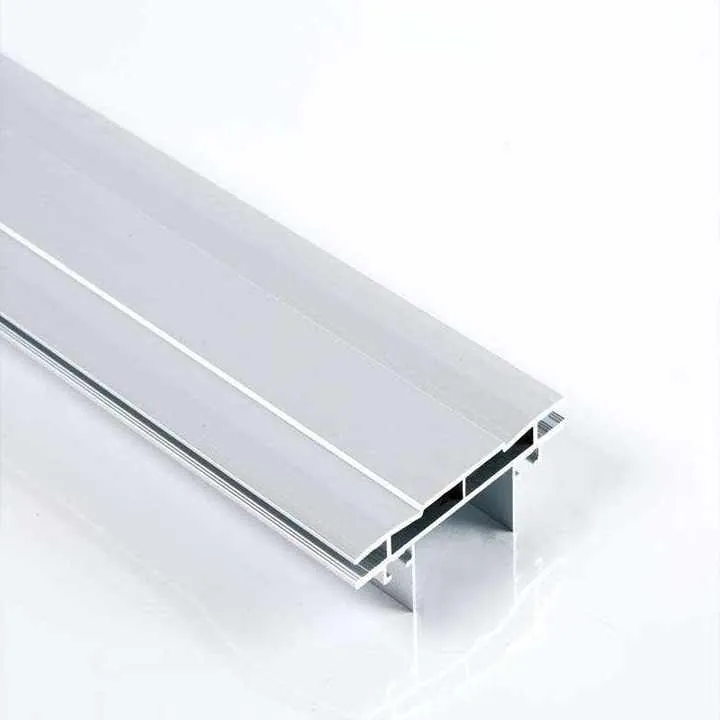
Many industries face needs for strong, lightweight, and versatile structural components. Aluminum extrusions answer those needs by providing long‑length profiles with custom cross‑sections, ready for assembly and finishing. They are widely used because they combine strength, manufacturability, and cost‑effectiveness.
Aluminum extrusions serve as building blocks in structural framing, automation equipment, outdoor systems and modular designs—making them a key choice in B2B manufacturing applications.
In the sections that follow, I’ll explore how extrusions perform in four major application areas, what advantages they bring, and what you should consider when you use them.
How do extrusions support structural framing?

Extruded aluminum profiles are heavily used in structural framing systems. They offer a good strength‑to‑weight ratio, integrate slots or channels for fast assembly, and allow re‑use and reconfiguration of the frame. For machine guards, factory workstations or structural enclosures, extrusions provide a flexible alternative to welded steel.
Why they fit framing
- They are lighter than steel but still take substantial load when designed correctly.
- Many profiles include T‑slots or channels which accept fasteners and accessories easily.
- The modular nature means you can build, adjust, or dismantle the frame with less labour.
- Surface finishes and corrosion resistance allow visible or exposed structural use.
Key design considerations
| Factor | Why it matters |
|---|---|
| Load capacity | Aluminum has lower modulus and yield than some steels, so the profile geometry, wall thickness and alloy choice matter. |
| Connection strength | The frame strength depends on how joints are made—brackets, bolts, plates need good design. |
| Span and deflection | Longer unsupported spans will result in more deflection—design accordingly. |
| Surface finish & environment | For exposed frames, corrosion protection and finish quality contribute to durability and appearance. |
Summary
When you need structure—machine bases, protective enclosures, industrial frames—look at extruded aluminum profiles not just as light metal tubes but as engineered structural elements with channel systems. They give speed, flexibility and decent strength for many load cases.
Aluminum extrusion profiles with T‑slots are widely used for structural framing in factories and machine enclosures.True
T‑slot framing systems based on extruded aluminum are common in industrial settings for their modularity and load capacity.
Aluminum extrusions are always stronger than welded steel beam frames of the same dimensions.False
While they offer many advantages, aluminum extrusions do not always exceed the strength or stiffness of similarly sized welded steel beams; design matters.
Why extrusions benefit automation equipment?

In automation and production environments—such as conveyors, robotic work cells, inspection stations—there is a need for frames and supports that adapt quickly, attach devices easily, and handle dynamic loads. Aluminum extrusions fit this use case very well.
Advantages in automation
- Modularity and reconfiguration: You can build a frame, add components, adjust positions, and reuse parts.
- Lightweight: Lower weight means less inertia, easier motion, support for moving parts, and less weight on structure.
- Ease of assembly and change‑over: Extrusions reduce welding and permanent fabrication, so you can modify equipment faster.
- Finish and durability: Anodised or coated extrusions hold up in industrial environments (dust, coolant, moderate corrosion) while still looking clean.
Typical use‑cases
- Machine frames and enclosures around robots.
- Conveyor supports and guiderails.
- Adjustable workstations, jigs and fixtures.
- Sensor mounts, panel supports, cable trays integrated into the extrusion slots.
Design tips
- Account for dynamic loads (moving equipment, start/stop action).
- Choose profile size and alloy carefully (for load, vibration, rigidity).
- Use industrial‑grade connectors and brackets—not just generic screws.
- Build with future adaptability in mind: leave channels to add future modules.
Using T‑slot aluminum extrusions allows rapid reconfiguration of automation equipment frames.True
The modular design of T‑slot profiles makes them ideal for building and reconfiguring machine frames and automation equipment.
Aluminum extrusion frames cannot support industrial conveyor systems because the profiles are too weak.False
With the right profile, alloy and connectors, aluminum extrusion frames are used in many industrial conveyor and automation systems.
Where are extrusions used outdoors?

Outdoor applications impose extra demands: weather, corrosion, UV exposure, temperature cycles, aesthetic finish. Aluminum extrusions excel here due to natural corrosion resistance, lightweight transport/installation, and design flexibility. They are used in construction, outdoor furniture, solar frameworks, and more.
Benefits for outdoor usage
- Corrosion resistance: Aluminum forms an oxide layer naturally and can be anodised or powder‑coated for extra durability.
- Lightweight transport/installation: Large outdoor elements such as awnings, frames, railings benefit from reduced weight.
- Design freedom: Extrusion allows complex cross‑sections, hidden channels, integrated fixings, and custom aesthetic shapes.
- Sustainability: Aluminum is recyclable, which matters in outdoor and architectural products.
Typical outdoor applications
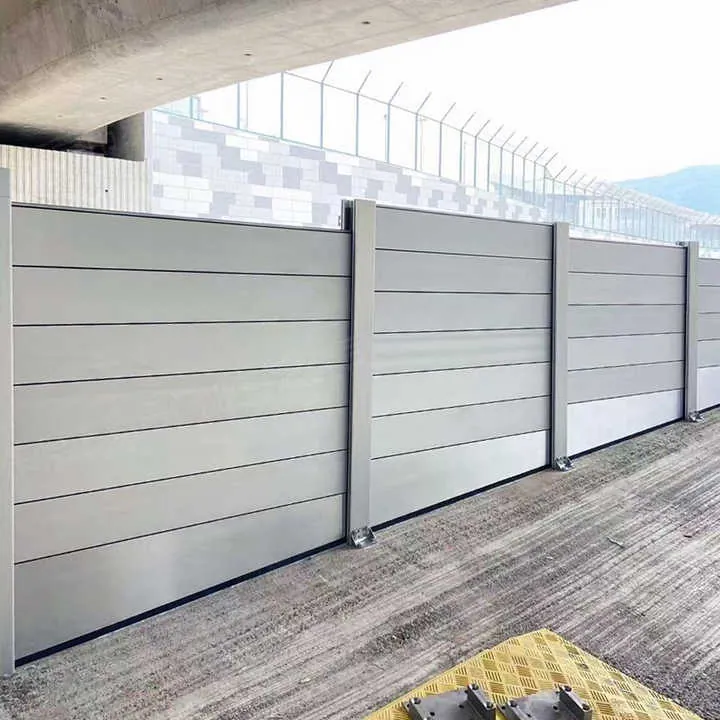
- Building façades, curtain walls, window and door frames.
- Shade structures, pergolas, awnings, outdoor enclosures.
- Solar panel mounting frames.
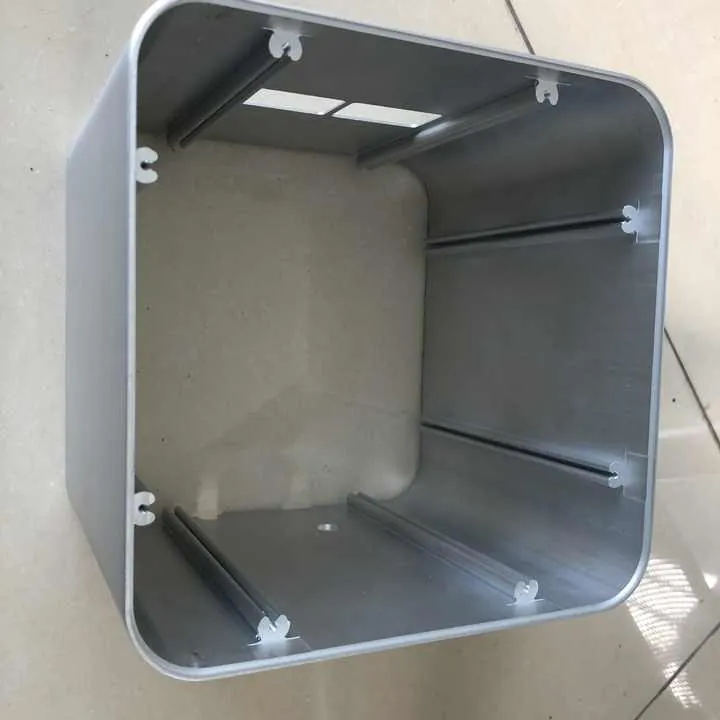
- Outdoor machine enclosures or equipment housings in wet/humid environments.
- Outdoor furniture, fixtures and canopy systems.
Design considerations
- Choose proper alloy and temper for outdoor strength and fatigue.
- Use surface treatments (anodising, powder coat) to maintain appearance and durability.
- Provide drainage and ventilation in the profile to avoid water traps and joint corrosion.
- Account for thermal expansion and contraction in large outdoor structures.
Extruded aluminum profiles are widely used in outdoor furniture and shade structures because of their corrosion resistance.True
Outdoor uses of aluminum extrusions exploit their weather resistance and lightweight nature, making them common in shade structures and outdoor furniture.
Extruded aluminum cannot be used for building curtain‑wall systems outdoors because it lacks necessary strength.False
In fact, many curtain wall systems use extruded aluminum mullions and profiles because they meet strength, durability and aesthetic requirements.
Can extrusions enable modular designs?

Modular design is increasing in popularity—systems that can be scaled, reconfigured or repurposed. Aluminum extrusions are ideal enablers of modular design because the profiles and T‑slot systems support repeatable units, easy assembly/disassembly, and adaptability across industries.
Why modular design fits extrusions
- Standardised profiles: Many profile systems are built with standard dimensions (e.g., 20×20 mm, 40×40 mm) and compatible accessories.
- Reconfiguration friendly: Slots allow bolts and connectors to be moved, modules to be loosened and adjusted without complete rebuild.
- Scalable systems: You can extend frames, add modules, create multi‑unit assemblies with minimal waste and time.
- Cross‑industry use: Modular systems built from extrusions appear in furniture, retail displays, labs, machine cells, architectural fit‑outs.
Implementation tips
- Define your modular grid early: what is the module size, how modules connect, how they can expand.
- Use standard connectors, brackets and accessories rather than bespoke pieces for ease of future change.
- Design for disassembly: ensure that modules can be changed without major disruption.
- For aesthetic or public‑facing installations, choose profile finishes and consider visible design of extrusions.
Use‑cases
- Modular office partitions, furniture systems.
- Exhibition stands, retail displays that need quick assembly and change.
- Reconfigurable manufacturing cells or factory layouts.
- Adjustable shelving, storage systems, workbenches which change with need.
Aluminum extrusion systems support modular design by providing standardised profiles and connectors that enable quick assembly and reuse.True
The modular nature of T‑slot extruded aluminum systems enables repeated use, adaptation and quick assembly across applications.
Once built, aluminum extrusion modules cannot be changed or reused without welding.False
One of the strengths of extruded aluminum modular systems is that they can be disassembled, reconfigured or reused without welding.
Conclusion
Aluminum extrusions are versatile structural components that work in four major application areas: structural framing, automation equipment, outdoor systems and modular design. If you are in B2B manufacturing or supplying systems requiring strong, lightweight, reconfigurable structure, extruded aluminum profiles should be a key part of your materials strategy.