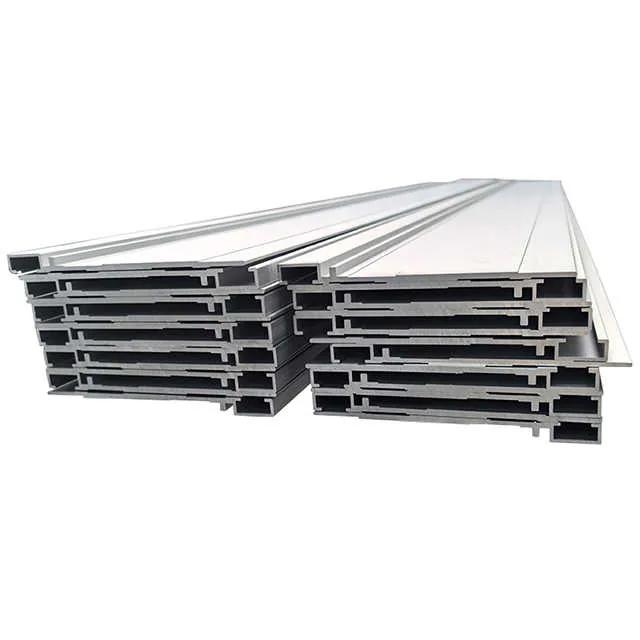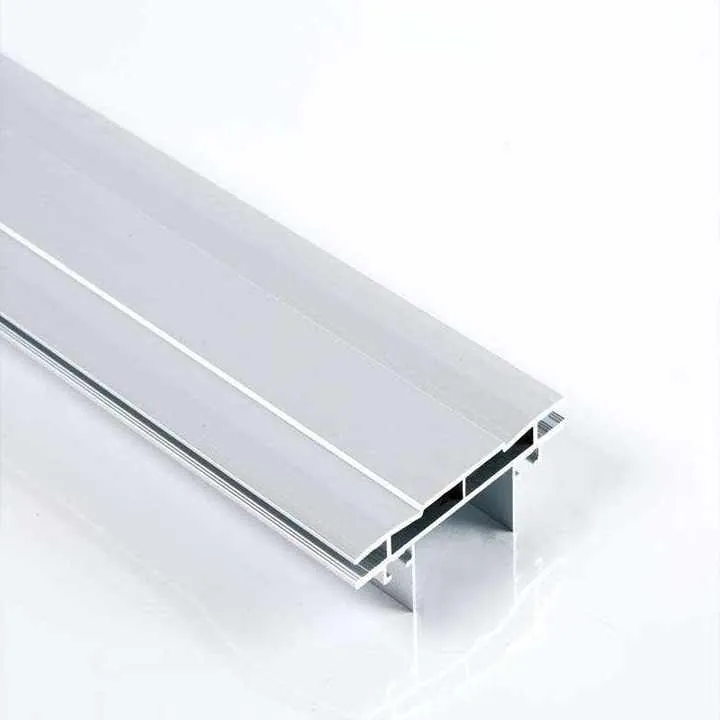

How to build a van slide with 80/20 aluminum extrusion?
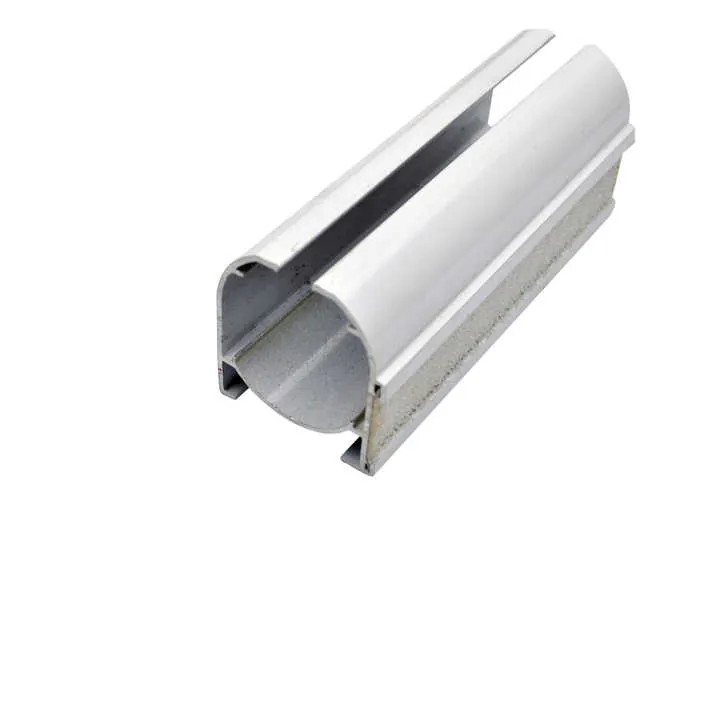
If you’ve ever tried organizing gear in a van, you know the struggle. Building a custom slide-out platform can change everything—especially with 80/20 aluminum.
You can build a durable and customizable van slide using 80/20 aluminum extrusion by assembling a frame, installing heavy-duty rails, and integrating smooth-sliding and safety features.
Van builds require both strength and flexibility. With aluminum extrusions, you get both—plus the added benefit of easy modifications.
What components form a sliding frame?

When I first designed my slide, I thought all I needed was a platform and a set of rails. I quickly realized it’s all about structure. Without a solid frame, even the best rails will fail.
The basic components of a sliding frame include aluminum extrusion profiles, joining plates, corner brackets, t-nuts, and mounting hardware.
Main Components You’ll Need
Aluminum Extrusion (80/20 type)
- Recommended size: 15 Series (1.5"x1.5") or larger for load support
- Cut to size based on drawer dimensions
Corner Brackets
- Ensure rigidity and right angles
- Use inside or outside corner gussets
T-slot Nuts & Bolts
- Slide into the channel to mount accessories and connectors
Base Plate or Drawer Platform
- Use plywood or aluminum sheet bolted to the frame
- Optional: carpet or rubber matting for grip
Accessories (Optional)
- Handles, straps, latches, drawer slides
| Component | Purpose | Notes |
|---|---|---|
| Aluminum Profile | Main frame structure | Select based on load weight |
| Corner Brackets | Reinforce corners | Needed for structural integrity |
| T-Nuts | Fasten accessories | Choose drop-in or roll-in style |
| Platform | Carry equipment | Secure with bolts or brackets |
Assembly Tips
- Pre-drill or tap holes in extrusions if needed
- Use square to confirm alignment before tightening
- Label each piece to simplify assembly
Corner brackets are used to strengthen and align the joints of an aluminum extrusion frame.True
They help maintain square angles and resist racking forces.
Standard wood screws can be used directly into the T-slot of an aluminum extrusion.False
Aluminum extrusions require T-nuts or threaded inserts for secure fastening.
Why heavy-duty rails are required?

When I tested my first prototype with regular drawer slides, it failed. The slide sagged under gear weight and jammed halfway. That’s when I learned: not all slides are created equal.
Heavy-duty rails are essential because van slides often carry heavy gear, endure vibration, and require full-extension under load.
Key Specs to Consider
- Load rating: Many van applications need slides rated for 200–500 lbs
- Extension: Full or over-extension lets you access gear easily
- Lock-in/lock-out: Prevents unintentional sliding during travel
Types of Heavy-Duty Slides
Industrial Drawer Slides
- Commonly used in service trucks and toolboxes
- Typically steel, zinc-coated
Linear Rails with Bearings
- Allow smoother travel, often quieter
- Require precise alignment
Aluminum Extrusion-Mounted Rails
- Slide inside custom channels or use UHMW tape for glide
| Slide Type | Max Load | Extension | Pros |
|---|---|---|---|
| Drawer Slide | 250–500 lbs | Full | Built for mobile use |
| Linear Rail | 100–300 lbs | Full/Over | Very smooth, low noise |
| UHMW Slide | Up to 150 lbs | Custom | Lightweight, budget option |
Real-World Considerations
- Match your rail to your payload. A fridge, toolbox, or camp kitchen can easily weigh 100–300 lbs.
- Use rear supports to prevent sag.
- Add stops or locking features to control travel length.
Heavy-duty drawer slides with lock-in features are ideal for van slide-out systems carrying heavy loads.True
They prevent movement during driving and support high loads.
Standard kitchen drawer slides are strong enough for all van slide systems.False
They typically can’t handle the load, vibration, and travel distance needed in mobile environments.
How to ensure smooth slide movement?

One of the most annoying things in a van build is a drawer that jams or scrapes. You want to be able to pull it out with one hand, even when it’s loaded.
Smooth slide movement depends on proper alignment, low-friction surfaces, and well-lubricated, balanced mounting.
Key Techniques for Smoother Slides
Proper Alignment
- Mount rails level and parallel
- Check squareness with a carpenter’s square
- Uneven mounting causes binding or dragging
Use of UHMW Tape
- Ultra-high-molecular-weight tape acts as a self-lubricating glide
- Apply to surfaces where metal rubs
Bearing Slides or Ball Tracks
- Ball-bearing rails provide the least resistance
- Greased rails move quietly and easily
Spacing and Support
- Prevent side loads that tilt or twist the frame
- Add floor or side supports if needed
| Method | Function | Benefit |
|---|---|---|
| UHMW Tape | Reduce friction | Quiet, low maintenance |
| Bearing Rails | Guided motion | Smooth, controlled movement |
| Alignment Tools | Ensure squareness | Prevent jamming and wear |
Maintenance Tips
- Clean rails periodically to remove debris
- Reapply lubricant every few months
- Tighten loose bolts or brackets to prevent rattle
Misalignment of slide rails can cause the drawer to jam or drag.True
If rails aren't parallel or level, it increases resistance and misfit.
You don’t need to lubricate heavy-duty rails since aluminum doesn’t rust.False
Lubrication helps reduce wear and keeps movement smooth, even on aluminum systems.
Can locking pins improve safety?

One time, I parked on a slight slope, and the slide came flying out as I opened the back doors. That’s when I realized: without locks, your slide is a hazard.
Locking pins and latch systems keep the aluminum slide safely secured in place, preventing accidental movement during travel or parking.
Types of Locking Systems
Spring-Loaded Pins
- Simple, mechanical locking
- Pull to release, self-engages when retracted
Lock-in/Lock-out Slides
- Built into certain heavy-duty rails
- Use lever release to engage/disengage
Custom Latches or Magnetic Catches
- Used for low-load drawers or temporary locks
- Not suitable for heavy gear
| Lock Type | Method | Load Rating | Reliability |
|---|---|---|---|
| Lock-in Rail | Built-in | High | Excellent |
| Spring Pin | Manual | Medium | High |
| Magnetic | Passive | Low | Low |
Best Practices for Safe Locking
- Always use two locking points (left and right)
- Position locks at the rear for easy access
- Choose lock strength based on slide weight
Locks prevent damage to equipment, and most importantly, they protect people from injuries caused by sudden drawer movement.
Using spring-loaded pins on both sides of the slide improves safety and stability.True
Two-sided locking prevents uneven force or twisting during transit.
Locking pins are optional if your van slide is lightweight.False
Even light drawers can shift and cause injury or damage during movement.
Conclusion
Building a van slide with 80/20 aluminum extrusion is a smart way to combine strength, customization, and reliability. With the right components, rails, smooth-glide techniques, and locking mechanisms, your DIY slide will be safe, sturdy, and a pleasure to use on the road.