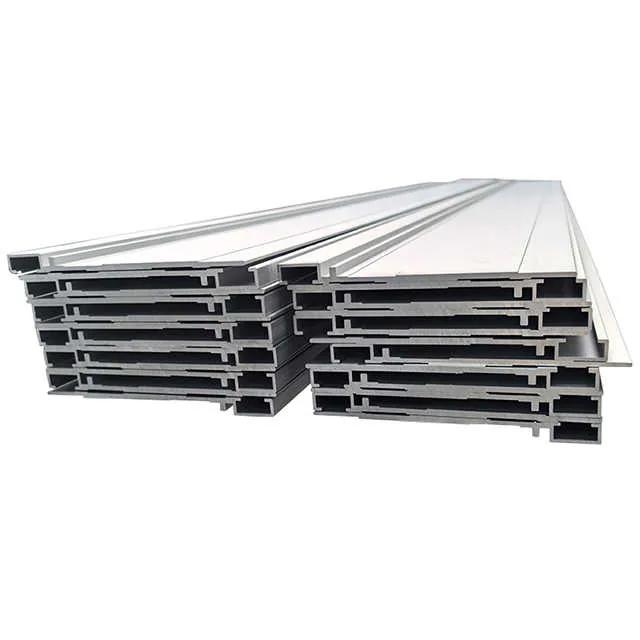
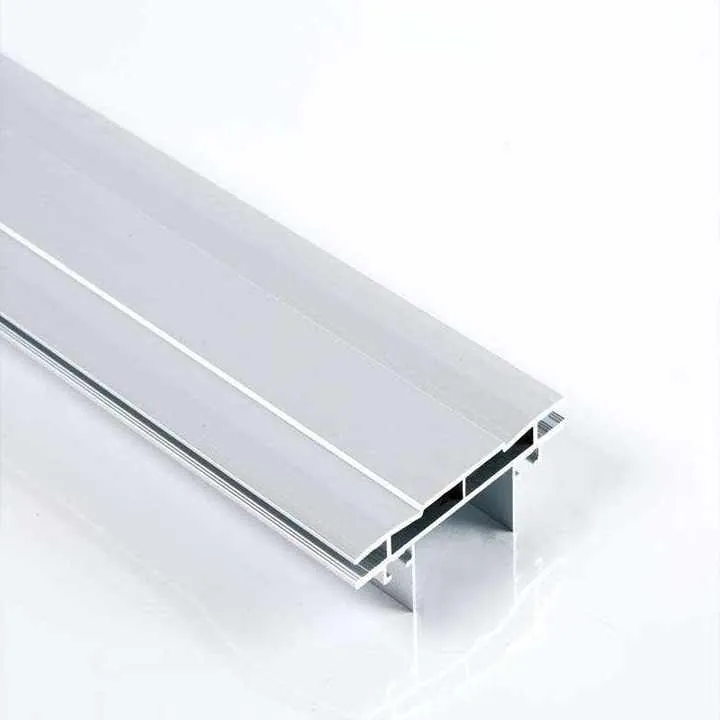
how to bend aluminum extrusion channel led?
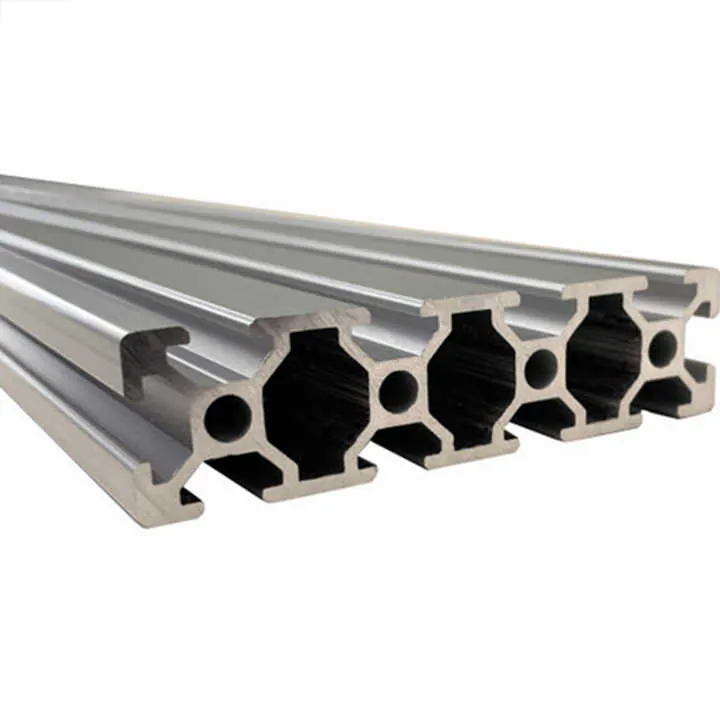
I once had a project where the aluminum LED channel needed to wrap around a curved ceiling. The first attempt cracked the extrusion and distorted the diffuser—so I learned the hard way what it takes to do it right.
Successfully bending a LED aluminum extrusion channel means using the right method, respecting thin-wall behavior, protecting the diffuser cover, and ensuring uniform curvature.
If you keep reading, I’ll walk you through all the key steps.
Let’s get started by digging into the what, why, how and what tools matter.
What methods shape LED channels?
When you need to curve a channel for LED strips—like a cabinet cove or an arch—you’ll find several methods available.
There are multiple bending methods such as roller bending, ram/press bending, stretch bending and rotary draw bending, each suited to different profile shapes and requirements.
Here’s a breakdown of common methods and considerations for LED-channel style extrusions:
Methods and when to use them
- Roll bending (three-roller method): Good for long straight sections and moderate radius curves without sharp kinks.
- Ram bending/compression bending: Used for one-off bends, but risk of local distortion is higher.
- Stretch bending: Reduces side-wall buckling, good for larger radius and high-quality appearance.
- Rotary draw bending: Mostly for tubes or round profiles; can work with special tooling.
Specific to LED channels
LED channels often have thin walls, internal cavities, and diffuser covers. Tips include:
- Use a large bend radius to avoid wall thinning or cracking.
- Provide internal support during bending for narrow or deep extrusions.
- Decide if the diffuser should be removed before bending or use a flexible version.
Roll bending is the most flexible method for a long, smooth arc bending of aluminum extrusionsTrue
Roll bending allows the profile to be gradually formed into a large radius, ideal for long sections.
Ram bending or compression bending is always best for thin-wall LED channels without special toolingFalse
Ram bending may distort or collapse thin walls unless special support or tooling is used.
Why thin walls require gentle forming?
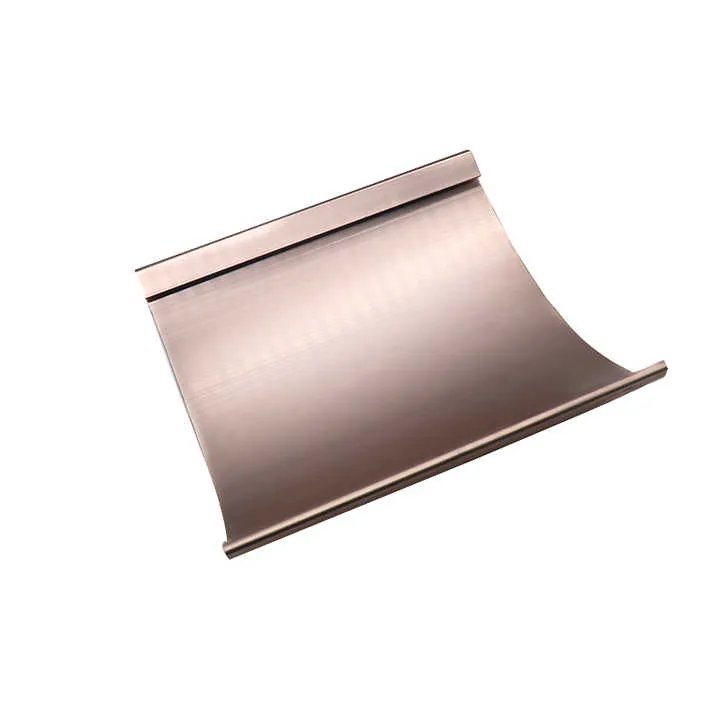
LED extrusion channels typically have thinner walls and delicate geometry compared to heavy structural extrusions.
Thin-walled extrusions are more prone to cracking, buckling, distortion and side-wall deformation if the bend is too tight, or the method applies uneven forces.
Why issues happen
- Outer walls stretch and thin during bending.
- Inner walls compress and may buckle or wrinkle.
- Asymmetrical shapes twist more easily.
- Harder alloys crack more easily without softening.
What to do
- Use a minimum bend radius suited to wall thickness.
- Insert internal supports if the profile is deep or narrow.
- Pre-bend in soft tempers (like T4) before hardening.
- Apply gradual, uniform force during bending.
Thin-walled light-channel extrusions require a larger bend radius than heavy structural extrusions to avoid wall damageTrue
Thin walls are less able to accommodate localized strain, so a larger radius reduces stress per unit area.
If you bend a thin wall extrusion at any radius without a mandrel or support, you will always get a perfect curveFalse
Without support, the wall may wrinkle or twist.
How to protect diffuser during bending?
The diffuser or lens inside LED aluminum channels is often more fragile than the extrusion itself.
Protecting the diffuser during bending means planning whether it stays in during the bend, using flexible covers, or removing it prior to forming to reduce risk of damage.

Options
- Remove the diffuser before bending to avoid cracking.
- Use soft or flexible diffusers if bending with it installed.
- Pad or isolate the cover from direct tool contact.
- Bend slowly to avoid rapid deformation that cracks the lens.
Surface protection
- Anodized or coated channels may crack or flake during bending.
- It’s best to apply surface finishes after bending if possible.
- Always test that the diffuser still fits after the bend.
Removing the diffuser before bending ensures no lens damage and is best practice for LED channel bendsTrue
Without the diffuser in place, the bending stress affects only the aluminum.
Leaving a rigid acrylic diffuser cover in place during a tight radius bend poses no risk of crackingFalse
Rigid diffusers may not flex sufficiently and may crack or detach.
Can rollers maintain uniform curvature?
Yes — using rollers (like in a roller bending machine) can help maintain a consistent, uniform curvature.
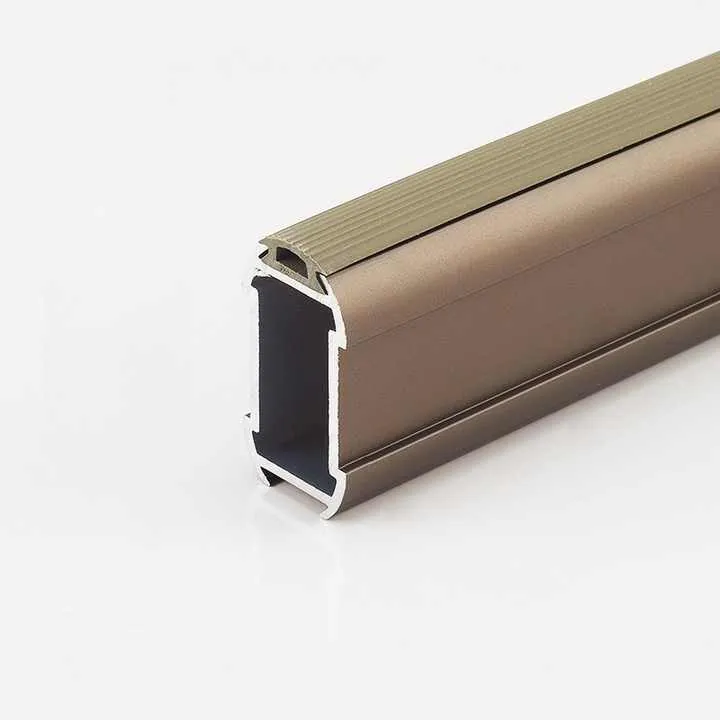
Roller bending (three-roller or multi-roller setup) is often preferred for long runs of LED channel because it distributes bending force gradually and reduces localized stress.
How it works
- Three rollers apply controlled pressure.
- Profile is passed gradually through the system.
- Curvature is adjusted by modifying roller pressure and spacing.
Best practices
- Match roller contours to the profile’s geometry.
- Compensate for springback — the aluminum will slightly rebound after bending.
- Support asymmetric profiles during feeding to avoid twisting.
Roller bending is ideal for producing long, smooth arcs in aluminum LED channels with uniform curvatureTrue
Roller bending distributes bending forces gradually and yields consistent radii.
Roller bending does not require any consideration of minimum bend radius or wall thickness for thin-walled LED channelsFalse
Even with rollers, thin walls need careful radius planning.
Conclusion
Bending LED aluminum extrusion channels isn’t trivial but with proper method, respect for thin-wall behaviour, diffuser protection and good use of roller systems you can achieve clean, consistent curves. Choose the right bending method for your channel geometry and project needs, avoid tight radii on thin walls, remove or protect diffusers carefully, and use roller setups for uniform curvature. With these practices you’ll reduce rejects and deliver high-quality curved LED lighting profiles.