
What is aluminum extrusion scrap?
Aluminum is expensive to waste, yet every extrusion line generates leftover material—often more than people expect.
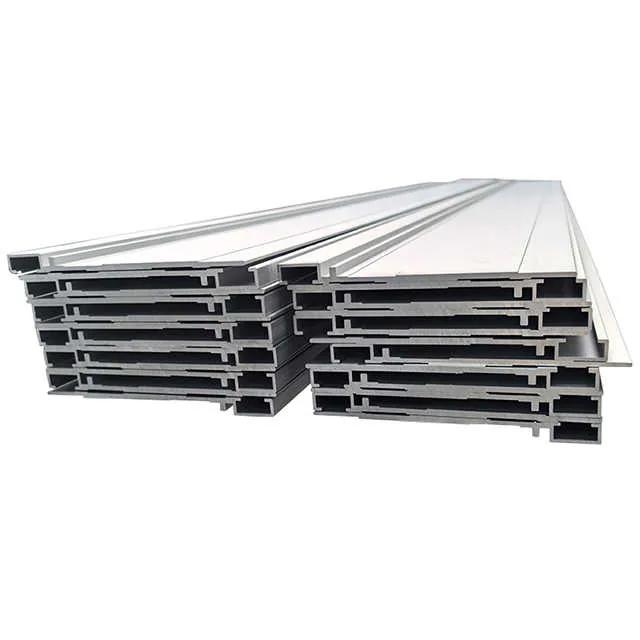
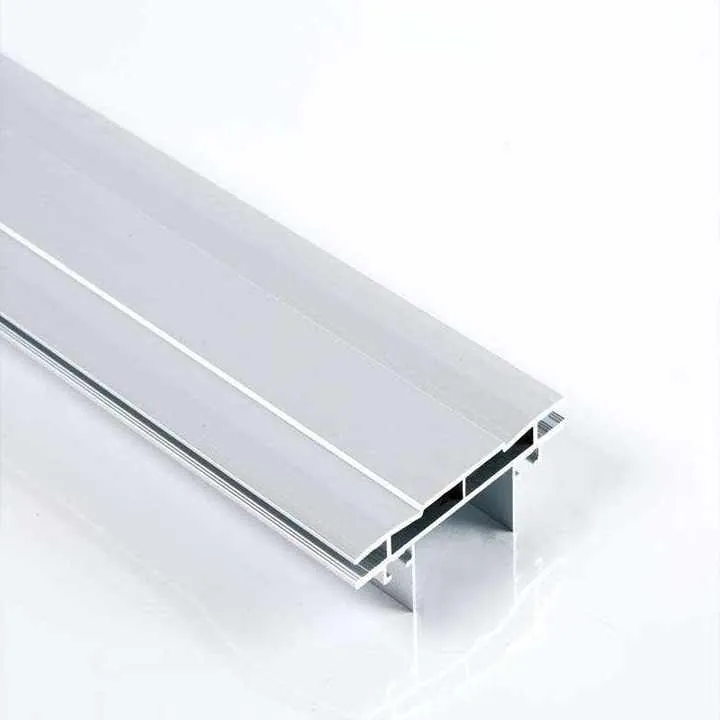
Aluminum extrusion scrap refers to the leftover, trimmed, or rejected aluminum that results during or after the extrusion process.
Aluminum scrap is not useless waste—it’s valuable material that, when properly handled, can be melted and reused to reduce cost and environmental impact.
How is extrusion scrap generated?
Most people think extrusion only produces clean profiles, but scrap shows up at nearly every step.
Extrusion scrap is generated during billet trimming, die changeovers, startup runs, profile cutting, and due to quality rejections or surface defects.
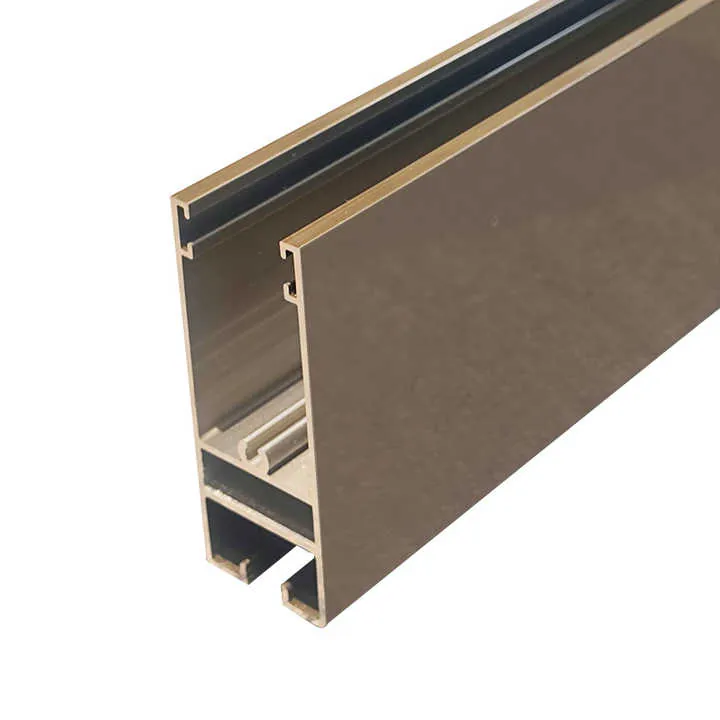
Scrap is an unavoidable byproduct of aluminum extrusion manufacturing. Even the most efficient operations will create some form of leftover or rejected material.
Common sources of extrusion scrap
| Source of Scrap | Description |
|---|---|
| Billet butt ends | The remaining piece of billet that cannot be pushed through the die |
| Start-up lengths | Early pieces from a new billet that don’t meet quality standards |
| Die change losses | Material that’s stuck or wasted during tool changes |
| Off-spec profiles | Profiles that are bent, twisted, cracked, or have surface contamination |
| Sawing and trimming | Excess ends removed during length cutting |
| Handling and transport | Profiles damaged in stacking, conveying or cooling |
In my factory, we see scrap at all these stages. For instance, during startup, the press operator always discards the first section. It doesn’t have the right pressure, temperature, or surface finish. This is standard practice to maintain high-quality standards.
Some scrap is predictable—like the butt ends that are too short to push through the die. Others are unexpected—like a scratch from the puller or a profile that cooled unevenly. These all contribute to the overall scrap rate.
Understanding each source helps us control losses and design better processes.
Start-up lengths are often discarded because they don’t meet quality standardsTrue
Early material from a new billet often has uneven temperature or poor surface finish and is intentionally discarded.
Billet butt ends are reused in the same extrusion cycle without meltingFalse
Butt ends are not reused directly—they are collected as solid scrap and must be remelted before being used again.
Why recycle aluminum extrusion scrap?
Some companies treat scrap as waste, but that means throwing away both money and material.
Recycling aluminum extrusion scrap reduces raw material costs, lowers environmental impact, and improves overall production efficiency.

In our operation, scrap recycling is not an afterthought—it’s part of our business model. Why? Because recycled aluminum saves money, saves energy, and is easier to remelt compared to producing primary aluminum.
Economic benefits
Aluminum is valuable. When you throw away extrusion scrap, you’re discarding material that cost hundreds of dollars per ton. Even if you remelt in-house or sell to a recycler, you recover most of that cost.
A ton of aluminum scrap can be worth 70–90% of the value of virgin aluminum ingots, depending on quality. And clean extrusion scrap has some of the highest resale values among aluminum waste types.
| Aluminum Type | Estimated Recycled Value (USD/ton) |
|---|---|
| Clean extrusion scrap | $1,200 – $1,500 |
| Mixed aluminum | $800 – $1,000 |
| Painted or oily scrap | $600 – $900 |
Environmental impact
Producing primary aluminum is energy-intensive. Recycling aluminum requires only 5% of the energy compared to refining bauxite into pure aluminum. So recycling helps lower your factory’s carbon footprint.
In our sustainability report, we’ve cut emissions by 30% in the last three years, largely by reusing more of our extrusion scrap internally.
Operational efficiency
Recycling internally also simplifies raw material planning. When we remelt scrap and cast new billets, we reduce our dependence on external suppliers and protect ourselves from aluminum price swings.
Recycling aluminum scrap uses only a fraction of the energy required for primary productionTrue
Recycling aluminum typically uses about 5% of the energy needed to produce new aluminum from bauxite.
Extrusion scrap has no economic value once removed from the pressFalse
Extrusion scrap retains significant value and can be sold or recycled internally, depending on quality and contamination.
Where is scrap collected in production?
Scrap isn’t just swept off the floor—proper collection systems are needed to maintain quality and traceability.
Scrap is collected at multiple points in the production line, including behind the press, in the saw area, at quality control stations, and near storage zones.

We organize our extrusion floor with clearly labeled scrap bins at every key process stage. This helps prevent contamination and allows us to trace where scrap came from.
Typical scrap collection zones
- Press exit – This is where the start-up and butt ends are dropped. They fall directly into scrap buckets.
- Saw station – After cutting profiles to final lengths, the trimmed ends are collected here.
- QC inspection – Profiles that fail quality checks are tagged and moved to scrap cages.
- Handling zones – Damaged material from conveyors or forklifts is set aside for recycling.
- Tool change area – Any material stuck in the die or left behind during a change gets dumped into a dedicated bin.
Each type of scrap has a different level of contamination and is handled accordingly. Clean scrap (unpainted, dry, free of grease) is remelted in-house. Dirty or coated scrap is sold to third-party recyclers.
Why sorting matters
Mixing painted, oily, or dirty scrap with clean alloy reduces the quality of remelted billets. That’s why we train our workers to separate types of scrap on the spot.
It also helps with accountability. If a spike in scrap comes from a certain press or shift, we investigate the cause and apply corrective actions.
Scrap should be sorted by type and source to maintain melt qualityTrue
Sorting ensures clean scrap can be recycled in-house without reducing alloy quality, while contaminated scrap is processed separately.
Scrap from the saw area is always clean and free from contaminationFalse
Scrap from sawing may include coolant, burrs, or handling oils, and must be inspected before remelting.
Can scrap be reused efficiently?
Reusing scrap sounds ideal—but doing it well takes equipment, planning, and discipline.
Yes, extrusion scrap can be efficiently reused by remelting and recasting it into new billets, as long as it is clean and properly processed.

We’ve invested in in-house remelting facilities, and the return has been clear. Most of our clean extrusion scrap goes into the furnace, where we cast it back into 6063 or 6061 billets. This creates a closed-loop process.
How reuse works
- Collection – Clean scrap is gathered from the press and saw line.
- Sorting – Any painted or contaminated material is removed.
- Melting – Scrap is melted in a controlled furnace. We adjust the alloy composition as needed.
- Casting – The molten aluminum is cast into billets, just like primary aluminum.
- Extrusion – These billets are loaded into the press and extruded again.
Factors for efficient reuse
- Alloy control: Maintain consistent chemistry. Mixing scraps from multiple alloys can create off-spec billets.
- Oxide control: Scrap has more surface area, which oxidizes easily. We skim and degas carefully during melting.
- Contamination: Oils, paints, and dust must be avoided. Only clean scrap goes into the remelt furnace.
- Batch tracking: We label every batch of recycled billet so we know its origin and properties.
This system lets us reuse up to 70% of our total extrusion scrap. We’ve reduced raw material costs and tightened process control.
Challenges to consider
Not every factory can remelt scrap. Melting aluminum safely requires investment in furnaces, filters, fume control and trained staff. For many, selling scrap to a reliable recycler is still a better option.
Extrusion scrap can be reused efficiently if properly sorted and meltedTrue
Clean, sorted scrap can be melted, cast, and reused with minimal loss in quality or performance.
All aluminum scrap, regardless of alloy, can be melted together for reuseFalse
Mixing different alloys can produce billets with off-spec chemistry, leading to extrusion defects.
Conclusion
Aluminum extrusion scrap isn’t waste—it’s an opportunity. If you understand how it forms, where it’s collected, and how to reuse it, you’ll cut costs and increase sustainability. In my experience, smart scrap handling turns a production challenge into a competitive advantage.