Heat sink sample and prototyping process?
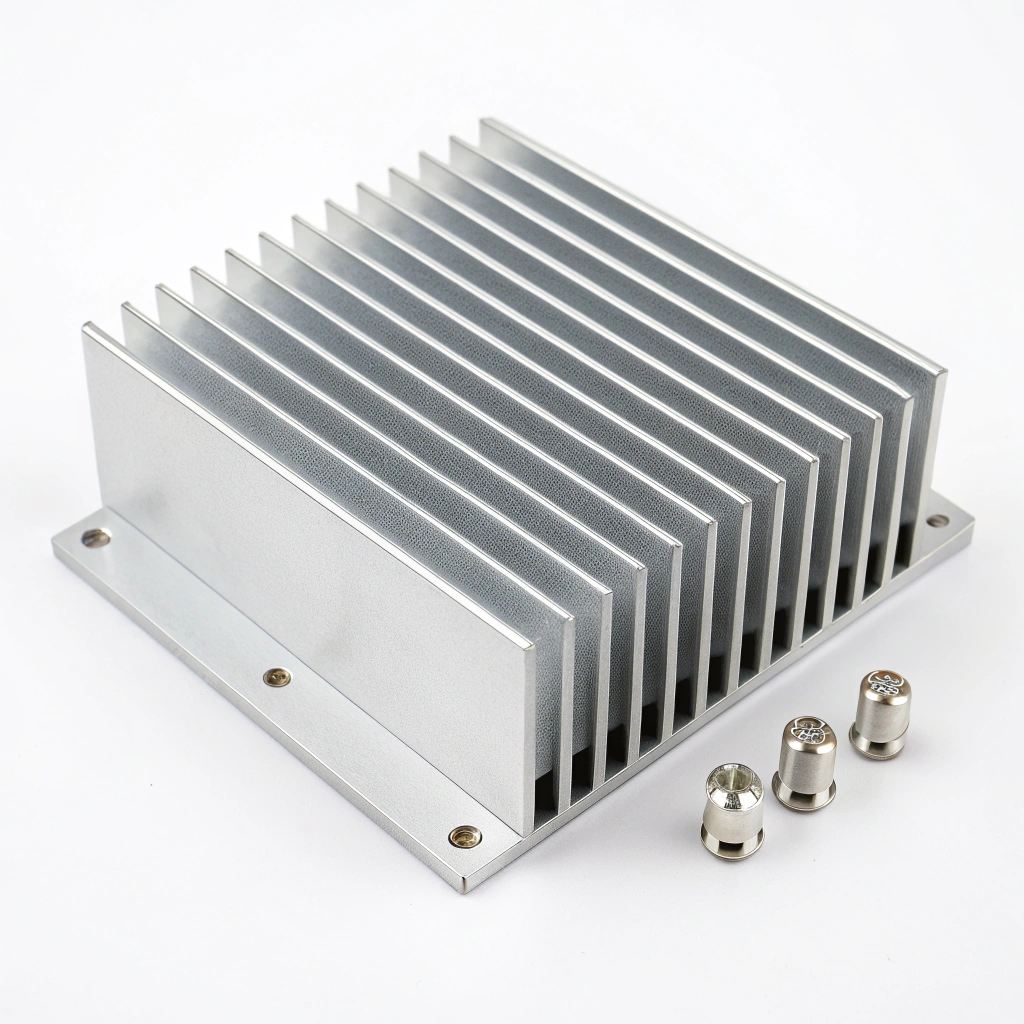
Have you ever faced product overheating just days before launch? That’s the problem I help you solve.
Yes — a clear prototype workflow makes the difference. With a structured sample stage, rigorous testing, and flexible design change allowances, you can move from concept to production confidently.
In the rest of this article I walk you through each key question. I share what steps form the workflow, how long sample production takes, what tests validate performance, and whether design changes are allowed during prototyping. Let’s dive in.
What steps form the prototype workflow?
What sequence ensures a reliable heat sink sample? Getting the steps wrong here can lead to costly rework.
The prototype workflow typically involves requirements definition, thermal modelling (CFD), design iteration, tooling for sample build, sample production, testing & validation.
When I walk through a prototype workflow for a custom heat sink, I follow a structured path. First I define the requirements: how much heat must be dissipated (in watts), what ambient temperature environment, what space or mounting constraints. This aligns with the guidance from thermal‑management experts.
Next, I move into thermal modelling and simulation: we build CFD or analytic models to estimate thermal resistance, fin geometry, airflow, etc. Experts show that simulation plus test correlation is key. At this stage, design iteration happens: you adjust fin spacing, material choice (e.g., 6063‑T5 or 6061‑T6 aluminium), base thickness, mounting method, etc.
Then comes drawing and tooling preparation for prototype build: we create production‑representative tooling or soft‑tooling to make sample units. This step takes about 6‑8 weeks depending on complexity.
Once tooling is ready, we run the sample production: manufacture one or several units (depending on batch) using the selected manufacturing process (e.g., extrusion, CNC machining, die‑cast).
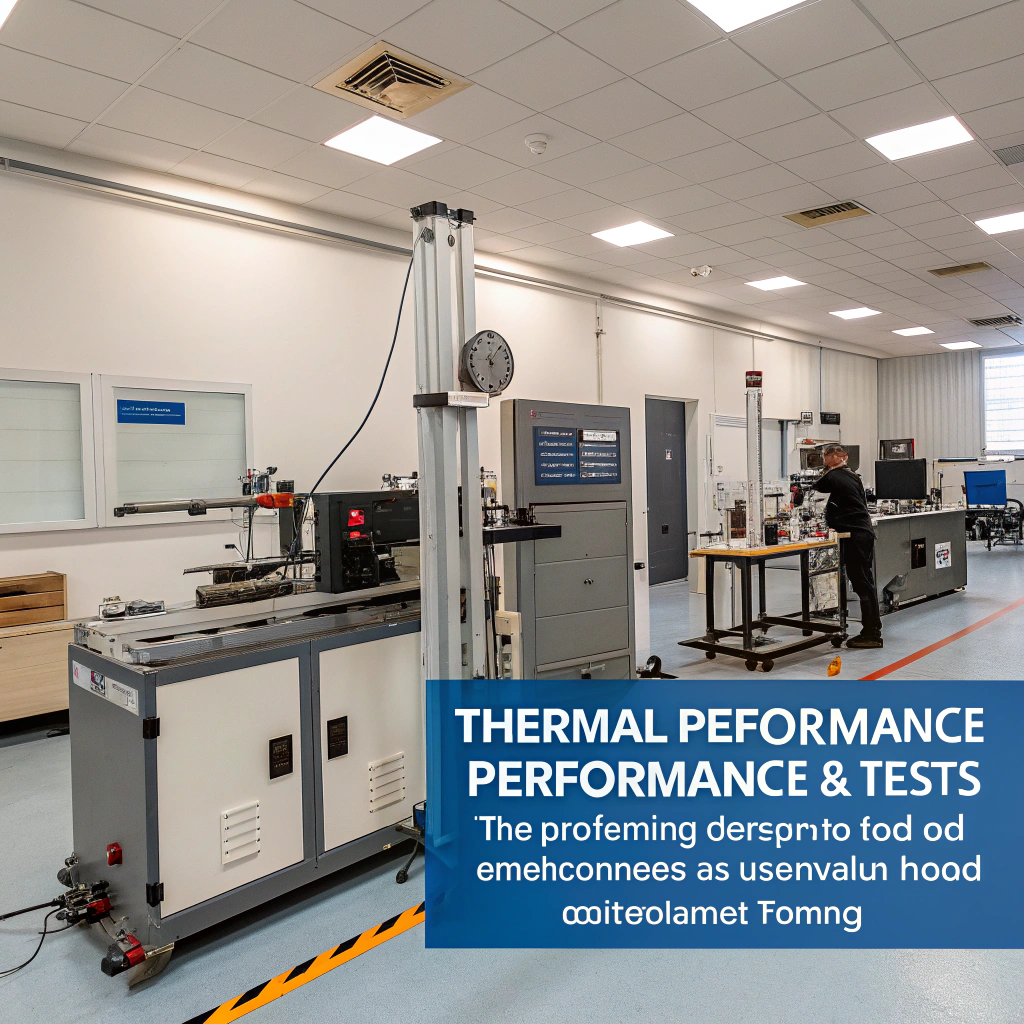
After we have the physical samples, we conduct testing & validation: thermal performance tests (thermal resistance, ΔT under load), mechanical tests (dimensional accuracy, mounting), sometimes vibration or shock if required.
Finally, based on test results and customer feedback, we proceed to design refinement (if needed) and then move to full production design. This loop may iterate until performance and manufacturability are approved.
In summary, the workflow can be tabulated like this:
| Step | Description |
|---|---|
| 1. Requirements definition | Heat load, ambient, geometry, mounting constraints |
| 2. Thermal modelling & simulation | CFD or analytic calculations of fin geometry, airflow, resistance |
| 3. Design iteration & drawing | Adjust material, shape, features, tooling drawings |
| 4. Tooling / prototype build preparation | Soft‑tooling / sample tooling production |
| 5. Sample production | Manufacture of actual heat sink prototypes |
| 6. Testing & validation | Thermal test, mechanical test, sometimes reliability or environmental tests |
| 7. Design refinement & approval | Adjustments based on test/feedback → production ready |
The prototype workflow must always start with thermal modelling before tooling preparation.True
Thermal modelling helps define geometry and performance targets before expensive tooling is made.
Sample production can start without any design iteration or simulation.False
Skipping design iteration/simulation increases risk of failure or costly tooling rework; best practice includes simulation before production.
How long does sample production take?
How many weeks until you have a physical heat sink sample? If you are unsure, you risk missing key launch dates.
Typical prototype sample production (including soft tooling) takes about 6‑8 weeks; full development may run 1‑4 months depending on complexity.
Lead time for sample production depends on several factors: design complexity (fin density, extrusion length, CNC features), material choice, tooling readiness (soft tooling vs hard tooling), manufacturing method, and revision cycles. A custom heat sink developer states that the prototype build stage (soft tooling + sample build + internal testing) takes about 6‑8 weeks for many designs. However the overall development (CFD iterations + build) may take 1‑4 months depending on the number of iterations and customer response time. In another case, a supplier noted “delivery time 15‑20 days after sample confirmed & down payment” for production parts, once the sample was approved.
Here are some key time‑drivers:
Time‑drivers and typical durations
- CFD/Design iterations: If many design changes are required, simulation + drawing might span several weeks.
- Tooling preparation: Soft tooling or low‑volume fixtures take time; depending on method may add 2‑4 weeks.
- Sample manufacturing: Once tooling is ready, building a handful of units may take days to a week.
- Testing & feedback cycle: After sample manufacturing, performing thermal/mechanical tests, reporting results, and potentially revising design adds additional time.
- Customer response time: Your feedback or design change decisions may extend the timeline.
Typical timeline for a medium‑complexity heat sink prototype:
- Week 1‑2: Requirements & initial modelling
- Week 3‑4: Detailed design drawings, simulation verification
- Week 5: Soft tooling or sample fixture preparation
- Week 6‑7: Sample manufacture & internal testing
- Week 8: Customer review, feedback, possible adjustments
A prototype sample build for a custom heat sink always takes less than 4 weeks.False
Many sources indicate 6‑8 weeks as typical for prototype build including soft tooling.
Once the sample is approved, production parts can be delivered in 15‑20 days.True
Some suppliers cite 15‑20 days lead time after sample approval for production parts.
Which tests validate prototype performance?
What tests must your heat sink sample pass to be “good”? Skipping key tests can result in under‐performing cooling, overheating or system failures.
Validation typically includes thermal resistance/ΔT testing under load, mechanical inspection, environmental stress tests (thermal cycling, vibration), and airflow or CFD correlation tests.
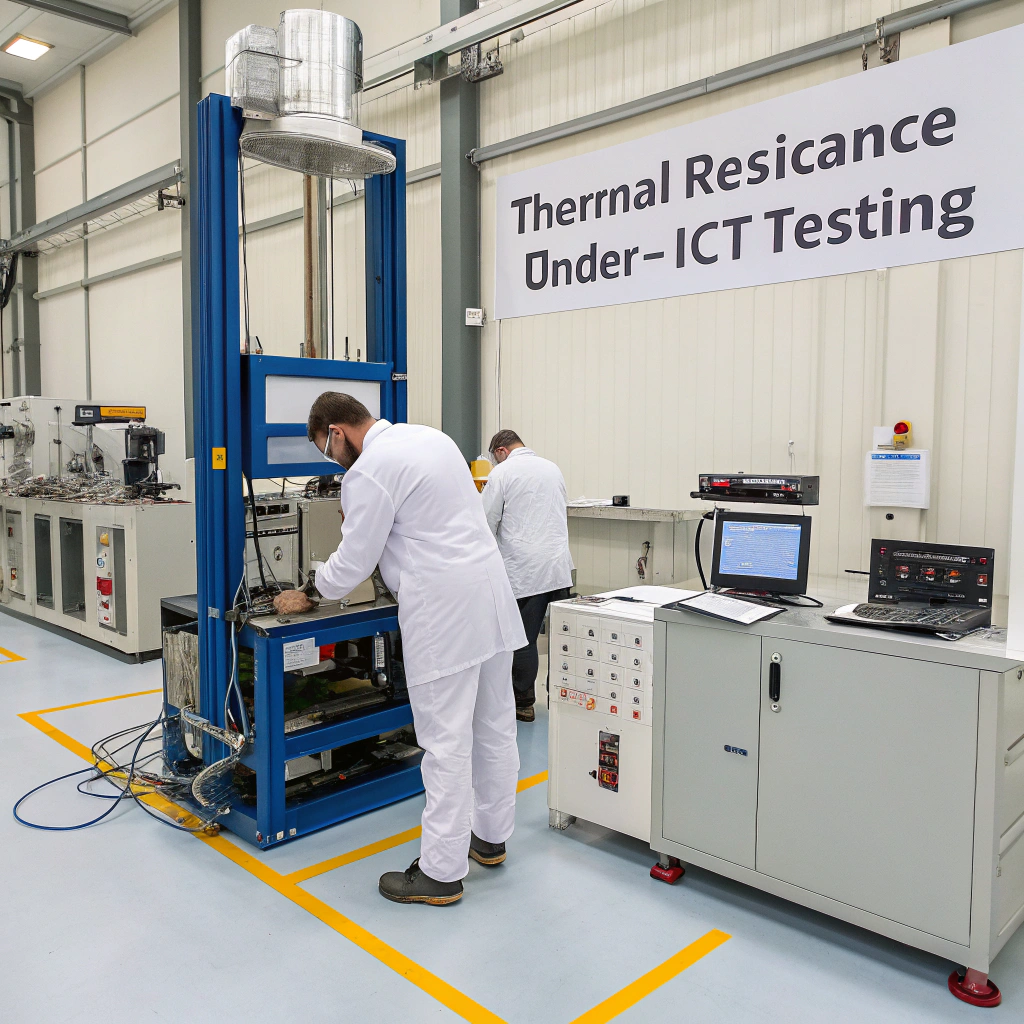
When I evaluate a prototype heat sink, I focus on a mix of thermal, mechanical, and environmental tests. Here is a breakdown with common methods and why they matter.
Thermal performance tests
- Measure the thermal resistance (°C/W) or delta‑T (temperature rise) when a known heat load is applied.
- Use a thermal chamber or test rig to simulate ambient and loading conditions.
- Compare the measured performance with the CFD predictions or design targets.
- Also evaluate influence of mounting/thermal interface material (TIM).
Mechanical & dimensional tests
- Check fin height, spacing, base flatness, mounting hole locations.
- Inspect for warping, burrs, surface finishing issues.
- Perform mechanical reliability tests if applicable.
Environmental & reliability tests
- Thermal cycling: −40 °C to +100 °C for many cycles.
- Vibration, humidity, airflow path verification.
- Simulation correlation: confirm test vs CFD results.
| Test Category | Key Metrics | Why it matters |
|---|---|---|
| Thermal performance | ΔT at known load, °C/W | Verifies cooling capacity meets spec |
| Mechanical / dimensional | Fin spacing, flatness, mounting tolerance | Ensures fit and manufacturability |
| Environmental stress | Thermal cycles, humidity, vibration | Assesses reliability over time & conditions |
| Airflow / convection | Air velocity vs temperature drop | Ensures cooling works under real conditions |
| Simulation correlation | Measured vs simulation results | Validates design rules and modelling accuracy |
Thermal resistance measurement is the single most important test for a heat sink prototype.True
Because it directly shows how well the heat sink will dissipate heat under load, which is fundamental to its function.
Once the prototype physically fits the system, no further tests are required.False
Physical fit does not guarantee thermal performance or reliability under environmental conditions; testing is still required.
Are design changes allowed during prototyping?
Can you still tweak your design once the sample is built? Yes — but timing and cost matter.
Yes — design changes are typically allowed during the prototyping phase, though each change may add time and cost. The earlier the change, the lower the impact.

When I work with clients on prototype heat sinks, I emphasise that design changes during prototyping are not only allowed — they are expected — but we must manage them wisely.
Points to consider
-
Change timing is critical
Early changes are low-cost. Late changes are expensive. -
Change management
We document every change request, updated drawings, time, and cost. -
Impact on production
Too many changes delay launch and add cost. -
Manufacturing method
Soft tooling and CNC allow faster changes. Hard tooling is costly to adjust. -
Cost vs benefit
If the improvement is clear, I support it. Otherwise, I defer changes to next revision.
Best practice recommendations
- Lock core specs early.
- Simulate before sample tooling.
- Allow soft tooling for early revisions.
- Plan for 1–2 revisions.
- Freeze design after validation.
You cannot make any design changes once a prototype is produced.False
Prototypes are meant for revision; design changes are allowed but may incur cost/time if late.
Making design changes during prototyping always adds cost and time.True
Any change requires additional work (simulation, tooling adjustment, manufacturing), hence cost/time impact.
Conclusion
I have walked you through the sample and prototyping process for a heat sink—explaining the workflow steps, typical lead times, essential tests, and how design changes are managed. With this understanding, you can plan your prototype phase clearly and avoid surprises as you move toward production.