MOQ requirements for a heat sink manufacturer?
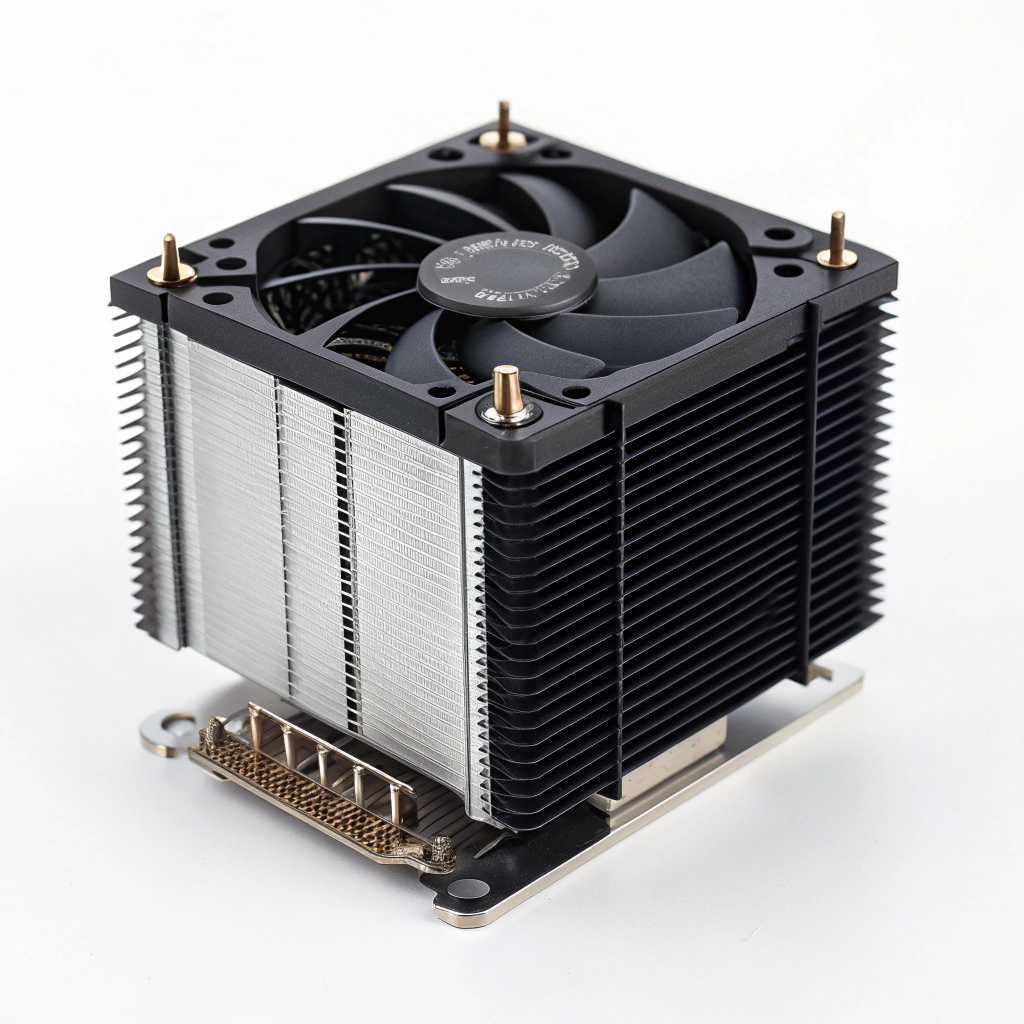
Have you ever wondered why a manufacturer for heat sinks asks for a certain minimum order quantity (MOQ) and what it means for your project?
MOQ means the minimum quantity you must order for a custom heat sink production run, and it is set by the manufacturer to cover tooling, setup, and production costs.
In this article I will walk you through what typical MOQs look like in the heat‑sink world, why they exist, how you can negotiate them, and what industry trends are shifting those MOQ policies.
What MOQ do heat sink manufacturers require?
Imagine you want just a few units of a custom aluminum heat sink and the factory says “sorry, MOQ is 1000 kg”. That can feel like a barrier.
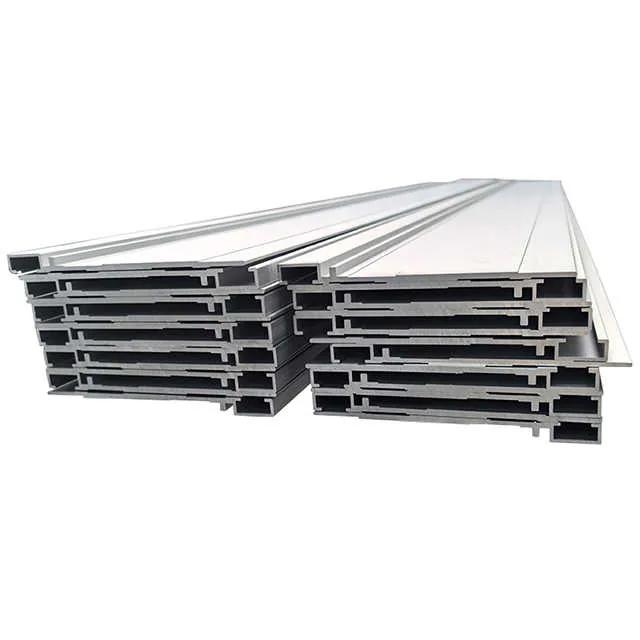
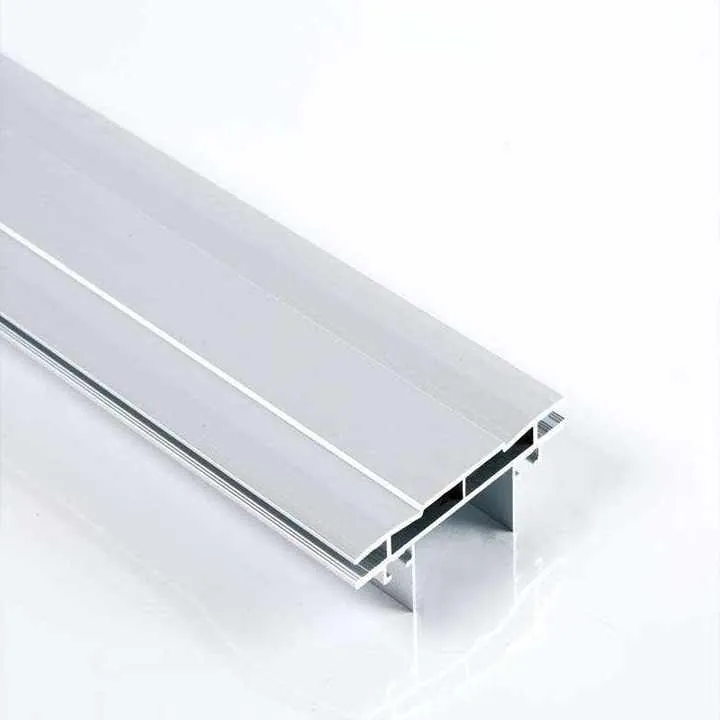
Typical MOQs for custom extruded heat sinks can run as high as 1,000 kg (about 1.1 US tons) while some standard stock parts may have much lower MOQs—even single‑unit orders.
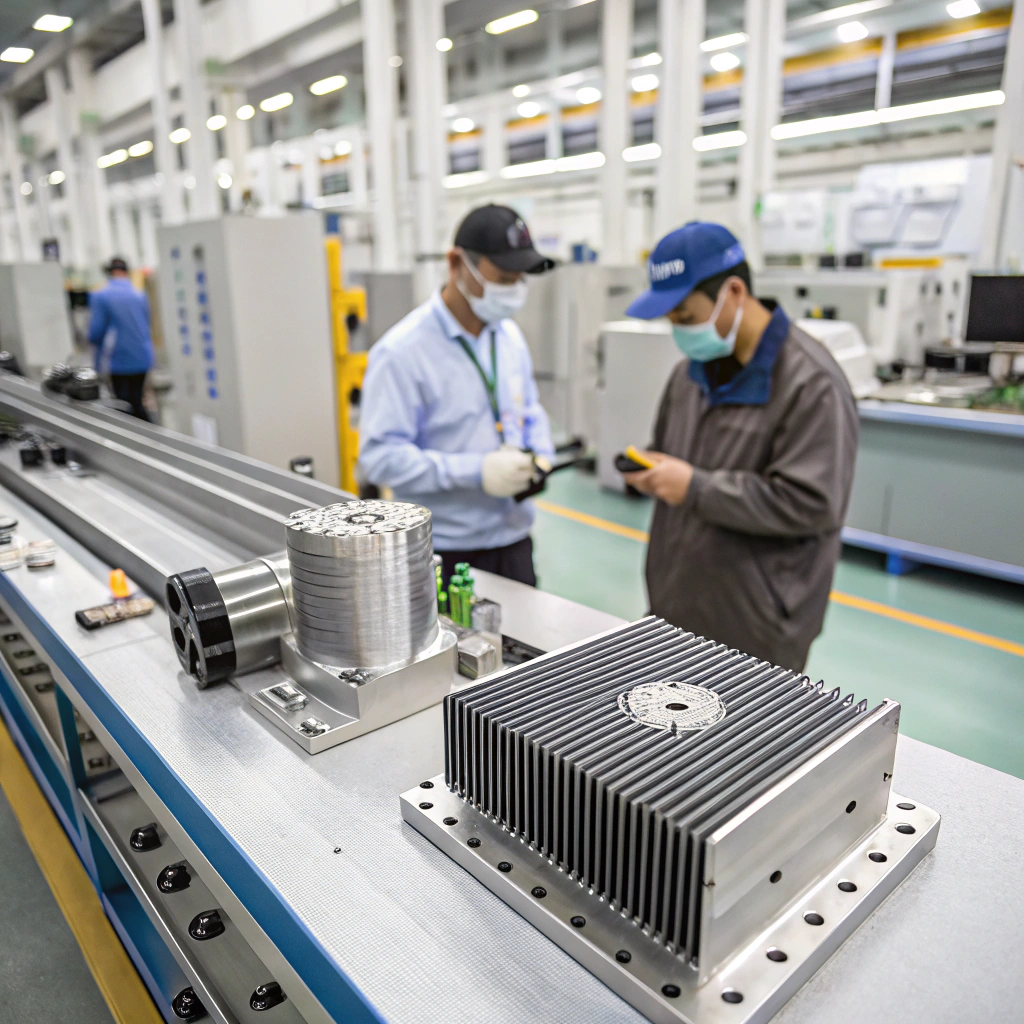
When I first entered the thermal‑management sourcing world I assumed MOQs would always be low. But I discovered they vary widely depending on the process, material, tooling and whether the part is standard or custom. For example:
- If the part uses a standard extrusion profile die the manufacturer may already have tooling and inventory, so the MOQ can be very low (sometimes one sample unit or a small batch).
- If the part requires a new extrusion die or custom profile then the manufacturer will set a high MOQ to amortize the tooling and setup cost.
- Also the manufacturing process matters: processes like stamping or die‑casting often involve high tooling cost and therefore higher MOQ.
- Some suppliers offering a wide stock of standard heat sinks report “Low MOQ” or even “no MOQ” for off‑the‑shelf items.
| Process or situation | Typical MOQ outcome |
|---|---|
| Standard stock heat sink | Very low MOQ (even 1 unit or few) |
| Custom extrusion die required | High MOQ (hundreds of kg or more) |
| Complex process (die cast or stamping) | Higher MOQ to cover tooling costs |
So when you deal with a heat sink manufacturer you must ask: Is this a standard profile or a new custom die? What is the tooling/setup cost? That will drive the MOQ they set. For my company and clients I always ask for the minimum quantity, the cost breakpoints, and whether the supplier is willing to accept smaller runs with some cost premium. That helps determine whether the project is viable.
Custom extruded heat sinks often require MOQs around 1 000 kgTrue
Manufacturers of extruded profiles often set high MOQs to amortize tooling and billet costs.
All heat sink manufacturers accept one‑unit orders for custom profilesFalse
Some manufacturers require high MOQs especially when new tooling is required to amortize costs.
Why do manufacturers set MOQ levels?
It may feel unfair to you as a buyer, but there are real cost pressures that lead manufacturers to set MOQs.
Manufacturers set MOQs to ensure the economics of tooling, setup, material scrap, and production efficiency are covered so the production is viable.
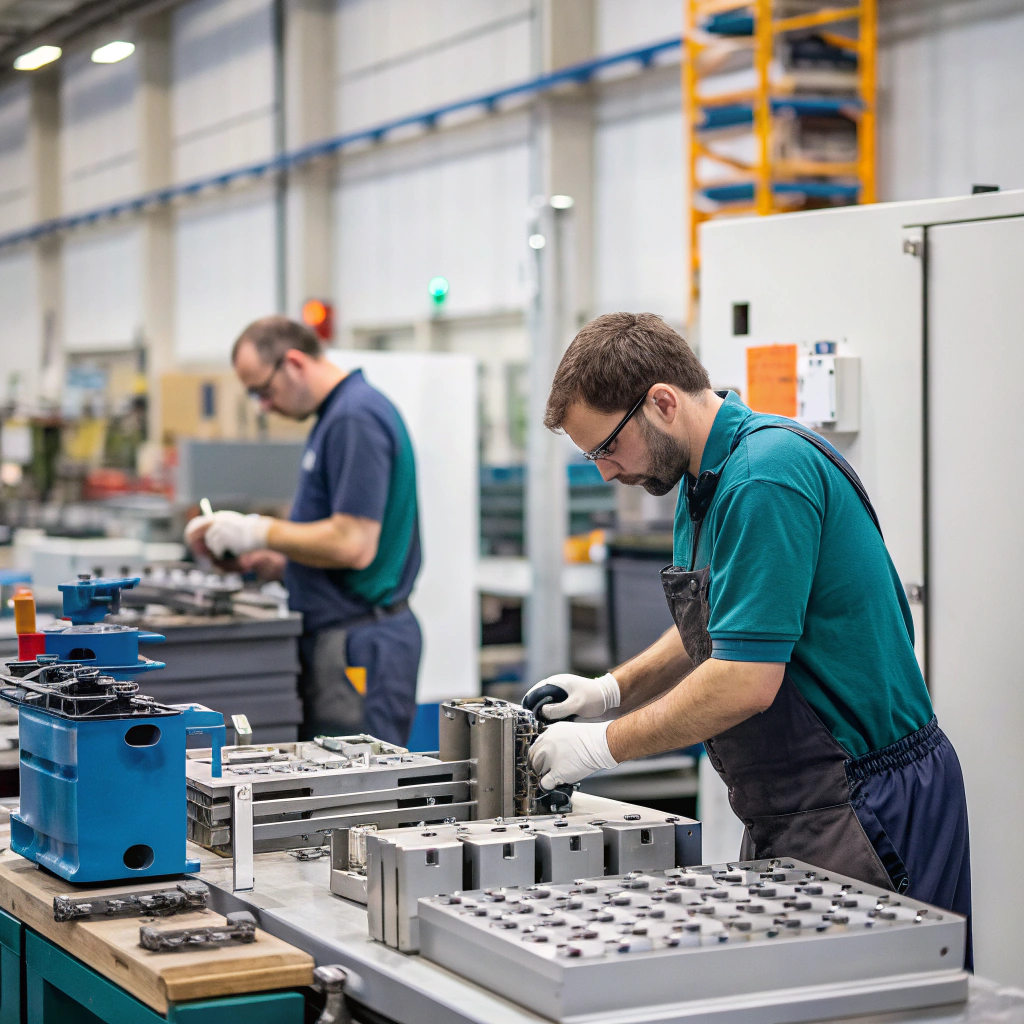
In my experience working with manufacturers and sourcing teams I found several key reasons for MOQ:
Tooling & Setup Costs
Many heat sink processes require dedicated tooling: extrusion dies, forging dies, stamping tools, or molds. These tools cost money, and their cost must be amortized over volume. If only a handful of units are ordered, the cost per part becomes very high.
Material & Waste Considerations
For extrusion processes, the manufacturer will schedule a billet, extrude a long length, cut to size, and handle scrap. If a small quantity is ordered, the waste and handling cost per part is larger. The economics of scale are critical.
Production Efficiency & Setup Time
Even after tooling, there is machine setup time, finishing (anodizing, machining), inspection, and packing. If few units are made, these fixed costs dominate. Manufacturers set MOQs to ensure these fixed costs spread across many units.
Inventory & Standard Profiles
Some manufacturers offer standard profiles already made and stocked. In those cases the MOQ may be very low because tooling and stock already exist. This is why sometimes you see “Low MOQ” for standard heat sinks.
Risk and Commitment
Manufacturers need to manage their risk: raw material purchase, scheduling production, committing capacity. A higher MOQ means the buyer is committed and the manufacturer’s risk is lower. Also post‑production, storage, and shipment all cost money.
Tooling costs are a major reason for high MOQs in custom heat sink productionTrue
High tooling and setup costs need to be amortised, so manufacturers set higher MOQ accordingly.
MOQ is set purely to maximise manufacturer profit margin, regardless of cost structureFalse
MOQ is linked to amortising tooling, material and setup costs, not simply profit margin.
How to negotiate MOQ with a manufacturer?
You don’t have to accept the first MOQ figure the manufacturer gives. You can negotiate better terms if you come prepared.
By preparing data, offering compromises (higher unit cost for smaller run, phased shipment, selecting standard profiles) and showing your growth potential you can negotiate a lower MOQ or more favourable terms.

When I help clients source heat sinks, we use a strategy to negotiate MOQ with several angles. Here are practical steps and tips:
1. Understand the Cost Structure
Ask the manufacturer: what are the fixed costs (tooling, setup), what are the material minimums, what is the scrap or waste factor? If they show you that a die costs X and they expect to amortize it over Y units, you can discuss ordering fewer units at a slightly higher per‑unit cost.
2. Offer a Higher Unit Price for Lower MOQ
Many manufacturers will accept smaller runs if you accept a higher unit price. For instance, you might say: “If I order only 200 units instead of 1000, I will pay 20% more per unit and accept longer lead time.”
3. Use Existing Tooling or Standard Profile
If possible, choose a heat sink shape or profile that the manufacturer already has. Standard inventory often allows very low MOQ. So asking: “Do you have existing tooling I can use?” can greatly reduce MOQ.
4. Phase the Order
Propose a phased ordering plan: e.g., “I will order 100 units now as a pilot, then commit to 1000 units over next 6 months.” This shows long‑term volume potential and gives the manufacturer assurance.
5. Share Risk / Pay Tooling Fee
In some cases you can agree to pay part of the tooling cost or accept a non‑recurring engineering (NRE) fee. That can reduce MOQ requirement.
6. Build Relationship & Volume Forecast
If you demonstrate your buying potential or forecast future growth, the manufacturer may be more flexible. They may treat you as a strategic partner rather than one‑off.
| Scenario | MOQ requested | Suggested compromise |
|---|---|---|
| New custom profile, no tooling | 1000 units | Offer 200 units at higher per‑unit cost |
| Existing tooling, standard profile | 50 units | Ask for 25 units with slightly more cost |
| New tooling but long‑term commitment | 500 units | Split tooling cost + commit future volume |
You can negotiate MOQ by agreeing to a higher per‑unit cost for a smaller runTrue
Manufacturers are often willing if fixed cost is covered via higher unit cost rather than large quantity.
Once the manufacturer sets an MOQ it cannot be changed under any circumstancesFalse
MOQ is usually negotiable depending on tooling, volume commitment, buyer relationship and pricing.
What trends influence MOQ policies?
The manufacturing world is shifting fast and MOQ policies for heat sinks are evolving with it.
Trends such as smaller product lifecycles, more customization, digital manufacturing, and supply‑chain disruptions are pushing MOQs lower or making manufacturers more flexible.

In my role I’ve seen several macro‑trends that affect how manufacturers set MOQs. Let me walk through key ones:
Customization and Low‑Volume Demand
Many sectors now demand more unique heat sink designs in smaller volumes. Manufacturers respond by offering micro-runs or reduced MOQ to win this segment.
Advances in Tooling and Digitalization
CAD, CNC, 3D prototyping, and die libraries make smaller runs more practical. As these technologies improve, setup time and costs drop, and MOQ follows.
Inventory Pressure and Global Supply Chains
More businesses want smaller batch sizes and faster delivery cycles. With disruptions in global trade, both sides want to reduce stock, which encourages lower MOQs.
Sustainability and Scrap Minimization
Reducing excess production and waste is now part of ESG goals. Offering customers lower MOQ helps meet sustainability targets by producing closer to actual demand.
Regionalized Production
Some heat sink suppliers are investing in regional plants with more flexible capacity. This localization supports small-volume, fast-delivery needs with lower MOQ.
| Trend | Impact on MOQ |
|---|---|
| Demand for customization | Pushes MOQ lower for niche solutions |
| Better tooling and digital design | Reduces setup cost, supports small runs |
| Supply chain and inventory risks | Favors lower MOQ to reduce stock |
| Sustainability focus | Encourages right-size production runs |
| Localized or regional manufacturing | Enables low MOQ and faster responsiveness |
Manufacturers are increasingly lowering MOQs due to demand for low‑volume custom heat sinksTrue
Suppliers offer smaller batch runs and more flexible terms to capture niche markets.
MOQs are rising steadily in all heat sink manufacturing sectorsFalse
While some large‑volume custom runs still need high MOQ, the general trend is more flexibility for smaller volumes, not uniformly increasing MOQs.
Conclusion
As you source heat sinks you should treat MOQ as a negotiable outcome, not a fixed obstacle. By understanding the tooling, process and cost drivers, using negotiation tactics, and leveraging current trends you can find a supplier that fits your volume and budget.