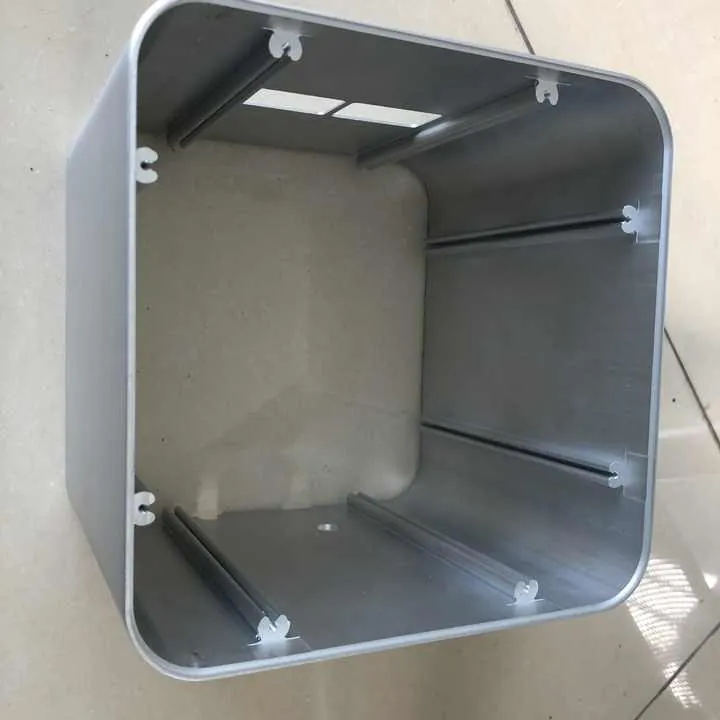
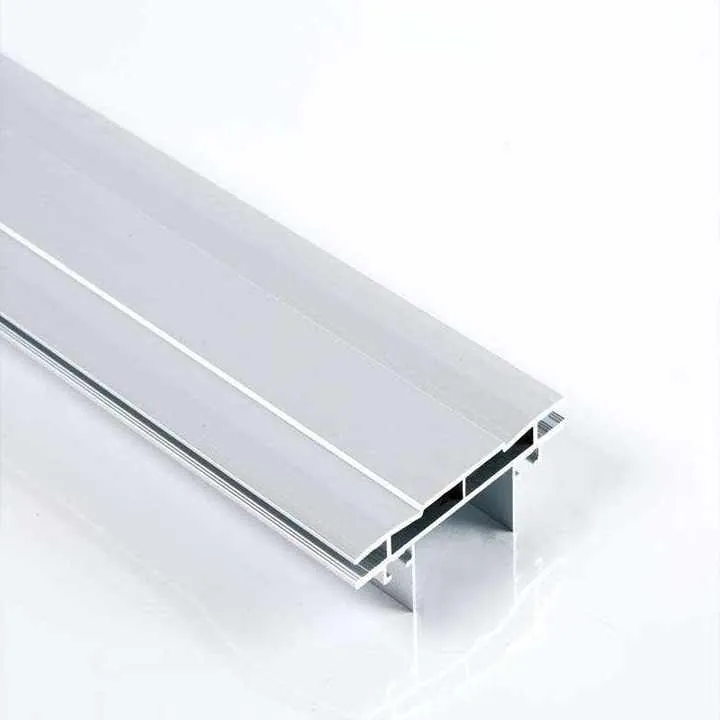
What coolant additives protect liquid cooling plate?
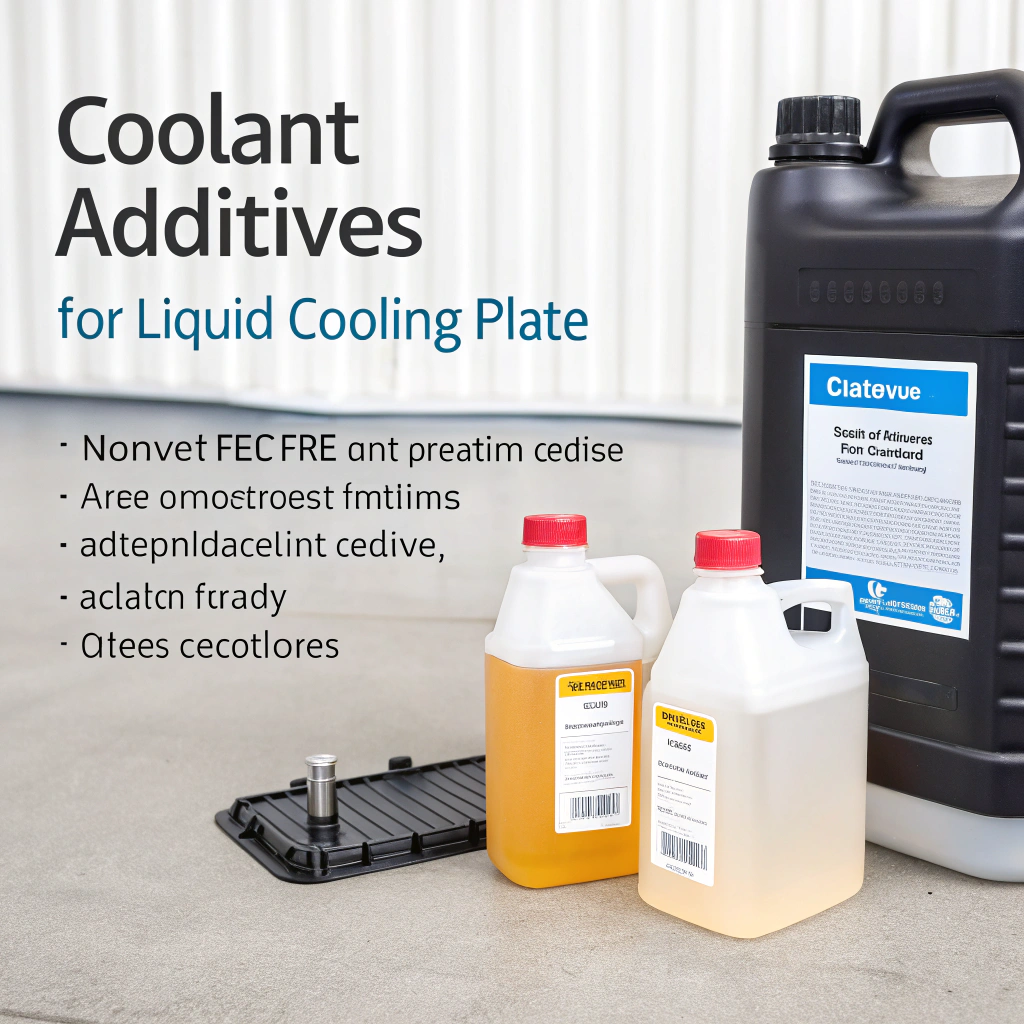
Many engineers struggle with corrosion and scaling in liquid cooling systems. Over time, the coolant reacts with aluminum or copper surfaces, forming oxides that reduce thermal conductivity and block channels.
Coolant additives protect liquid cooling plates by preventing corrosion, scaling, and microbial growth, ensuring stable performance and long system life.
These additives form a chemical barrier inside the cooling loop, keeping the system clean and efficient. But choosing the right one is not always simple, as different materials and coolants require different formulations.
What are coolant additives?
Coolant systems do not work effectively with water alone. Even pure water becomes reactive over time, dissolving metal ions and causing corrosion or scaling.
Coolant additives are chemical compounds mixed with base fluids to prevent corrosion, control pH, and improve heat transfer stability in cooling systems.

Coolant additives usually include corrosion inhibitors, pH stabilizers, anti-foaming agents, and biocides. Each plays a specific role in maintaining fluid performance.
Common Components of Coolant Additives
| Additive Type | Function | Common Chemicals |
|---|---|---|
| Corrosion Inhibitors | Prevent metal oxidation | Nitrites, Silicates, Phosphates |
| pH Buffers | Maintain chemical stability | Borates, Carbonates |
| Anti-Foaming Agents | Reduce bubbles and cavitation | Silicone oils, Polyethers |
| Biocides | Prevent bacterial growth | Isothiazolinones, Benzalkonium chloride |
| Anti-Scaling Agents | Prevent mineral buildup | Polycarboxylates, Phosphonates |
Each group interacts differently with the base fluid. For instance, ethylene glycol or propylene glycol coolants require inhibitors that are stable under higher temperatures. Meanwhile, water-based systems depend on inhibitors that protect aluminum without forming deposits.
Real-world Context
When I worked on liquid-cooled energy storage systems, we had severe pitting corrosion inside the cold plates. Switching to a glycol-based coolant with silicate inhibitors doubled the service life and reduced maintenance costs by 30%. The right additive mix changed everything.
Why do additives enhance corrosion resistance?
Corrosion is one of the most common failure modes in any liquid cooling system. It silently damages internal surfaces until heat transfer drops or leakage starts.
Additives enhance corrosion resistance by forming a passive film on metal surfaces, preventing direct contact between metal and reactive ions in the coolant.
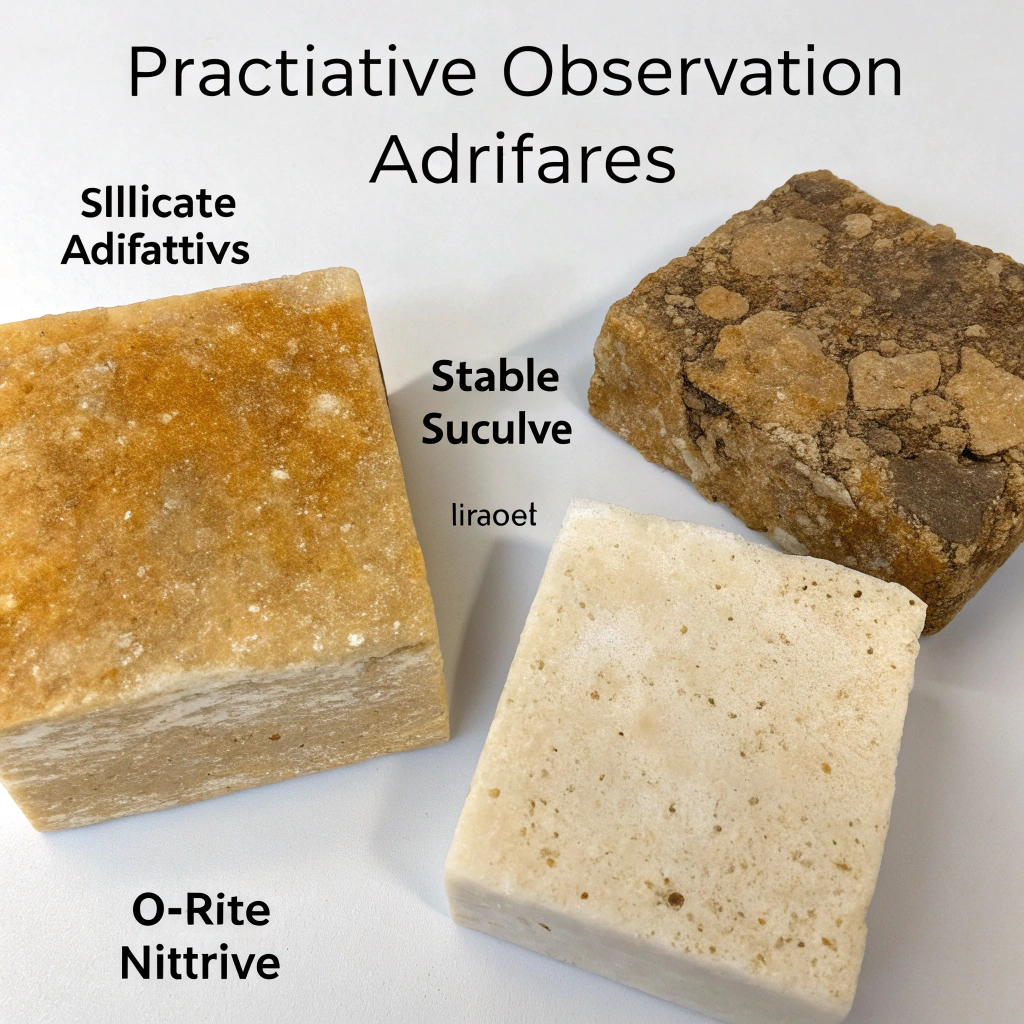
When water circulates through aluminum or copper channels, ions in the fluid—like chloride or sulfate—attack the surface. This reaction accelerates under heat. Corrosion inhibitors neutralize these ions and form protective coatings that keep the metal intact.
How Additives Work Chemically
1. Surface Film Formation
Some inhibitors, such as silicates or phosphates, deposit a thin, insoluble layer on the metal. This layer acts as a shield, isolating it from oxygen and moisture.
2. Electrochemical Control
Other additives, like nitrites and molybdates, reduce the electrical potential difference between anodic and cathodic sites on the metal. This slows the electrochemical reaction that drives corrosion.
3. pH Buffering
Maintaining pH between 8.0 and 9.0 is essential. Additives with borate or carbonate ions neutralize acids that form in the coolant. Without them, acidic corrosion accelerates quickly.
Comparison: Protected vs. Unprotected Plates
| Condition | Corrosion Rate (mm/year) | Visual Surface Result |
|---|---|---|
| Without Additives | 0.25 | Deep pitting, discoloration |
| With Silicate Additives | 0.03 | Smooth, stable surface |
| With Nitrite Additives | 0.05 | Minimal oxidation |
Practical Observation
When we tested identical liquid cooling plates—one with plain water and one with inhibited glycol—the inhibited plate showed zero visible corrosion after 1000 hours of cycling. The untreated plate developed brown oxide spots and clogging. This experiment convinced our entire R&D team to mandate additive testing before every system launch.
How to select and dose additives?
Choosing additives for a cooling plate is not about picking a popular brand. It is a technical decision based on system design, operating conditions, and materials.
Selecting and dosing additives correctly ensures compatibility with system materials, prevents over-concentration, and maintains coolant stability across temperature cycles.
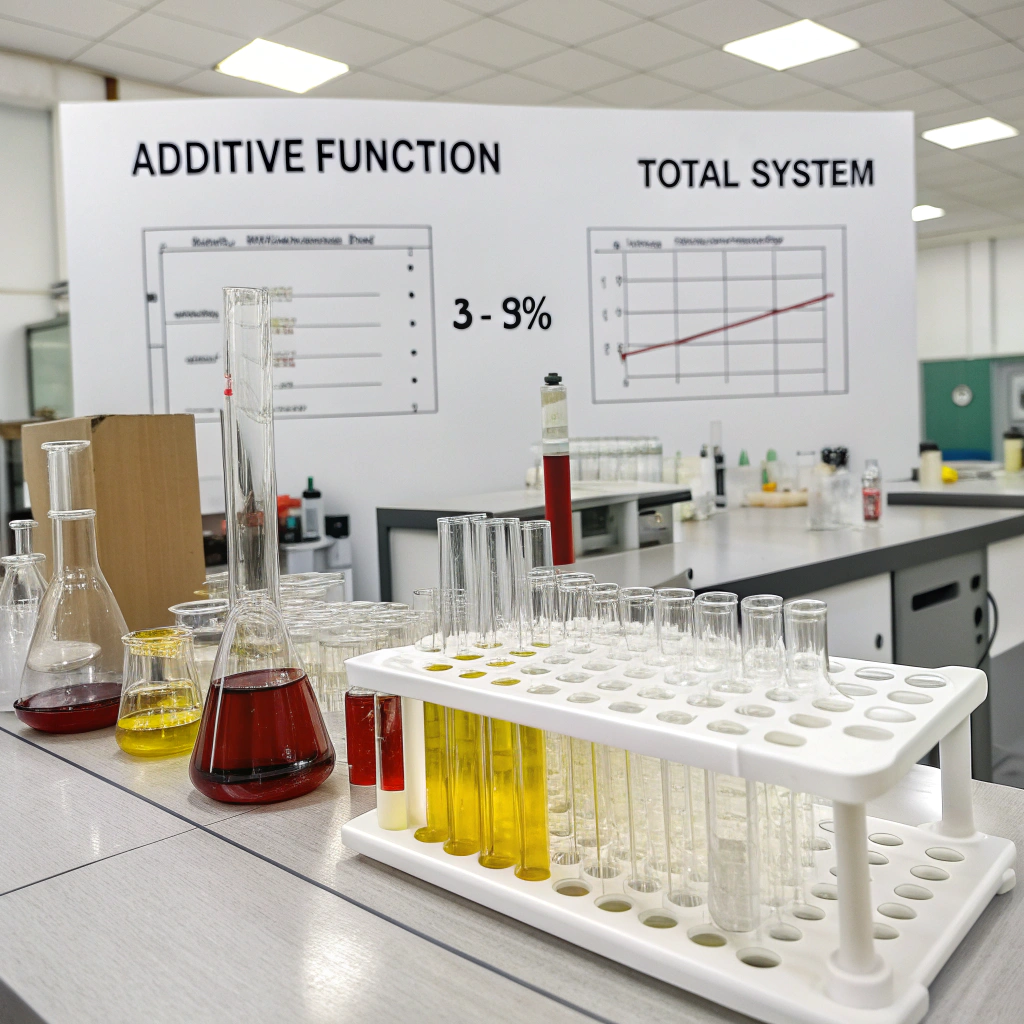
A wrong additive choice can be worse than no additive at all. For instance, mixing silicate-based inhibitors with phosphates often leads to gel formation, which clogs channels. Proper selection requires understanding your system first.
Key Selection Parameters
1. Base Fluid Type
- Water-based systems need additives that prevent aluminum oxidation.
- Glycol-based systems (ethylene or propylene glycol) require temperature-stable inhibitors.
2. Material Compatibility
Check compatibility with metals like copper, aluminum, stainless steel, and brass. Avoid inhibitors that react with solder joints or seals.
3. Operating Temperature Range
Higher temperatures accelerate chemical breakdown. Choose thermally stable additives for systems above 80°C.
4. Flow Rate and Fluid Velocity
Faster flow increases erosion risk. Some inhibitors add lubricity to reduce mechanical wear on channels.
Dosing Guidelines
Additives must be mixed at the manufacturer’s recommended concentration. Typical dosage ranges are:
| Additive Function | Typical Dosage (%) | Notes |
|---|---|---|
| Corrosion Inhibitor | 3–8 | Based on total system volume |
| Biocide | 0.1–0.3 | Should not exceed toxicity limit |
| Anti-Foam Agent | 0.05–0.2 | Excess causes film instability |
| Buffer & pH Stabilizer | 1–2 | Maintain pH 8–9 range |
Maintenance Practice
Over time, inhibitors get consumed. Periodic testing of pH, conductivity, and inhibitor levels helps maintain system reliability. In my workshop, we schedule checks every 6 months. When pH drops below 7.8, we refresh the additive mix. This simple habit saved multiple systems from premature corrosion.
Case Example
One of my clients used pure water in a laser chiller loop. After eight months, the aluminum plate showed oxidation. After switching to a glycol coolant with molybdate and tolyltriazole additives, corrosion stopped entirely. That single change extended the service interval from one year to three years.
What new eco additives are available?
In recent years, environmental safety has become a big concern. Traditional additives such as nitrites and phosphates are effective but harmful to ecosystems. Disposal regulations now require low-toxicity and biodegradable alternatives.
New eco coolant additives use organic acids, carboxylates, and bio-based inhibitors to protect metals while reducing environmental impact.
Trends in Eco-friendly Additives
1. Organic Acid Technology (OAT)
OAT additives use carboxylate salts to form a chemical bond with metal surfaces. They provide long-term corrosion protection (up to 5 years) and work well in mixed-metal systems.
2. Hybrid Organic Acid Technology (HOAT)
HOAT combines organic acids with small doses of silicates or nitrates for faster protection. It’s ideal for aluminum cooling plates, commonly used in EVs and power electronics.
3. Phosphate-free and Nitrite-free Systems
These eliminate water pollution risks. Instead, they use biodegradable inhibitors such as sebacate or adipate salts.
4. Bio-based Corrosion Inhibitors
Recent research has shown plant-derived extracts, such as tannins and alkaloids, can inhibit corrosion effectively. They are renewable and non-toxic.
Advantages of Eco Additives
| Eco Additive Type | Lifespan | Environmental Impact | Typical Application |
|---|---|---|---|
| OAT | 4–5 years | Low | Data centers, EV cooling |
| HOAT | 3–4 years | Moderate | Power electronics, industrial chillers |
| Bio-based | 2–3 years | Very low | Lab systems, small chillers |
Practical Perspective
When we transitioned to OAT-type additives for a semiconductor cooling project, we saw several benefits:
- The coolant stayed clear for years with no residue.
- No odor or skin irritation during maintenance.
- Easier waste disposal and compliance with European REACH standards.
Real-World Eco Solutions
Companies now offer pre-mixed eco coolants that simplify use. Some examples include:
- Carboxylate-based propylene glycol coolants for EV battery cooling.
- Hybrid organic acid inhibitors for high-efficiency aluminum plates.
- Non-toxic biocide blends using biodegradable agents like DMDMH.
Long-Term Outlook
Eco additives will continue to replace traditional ones as industries face stricter waste regulations. They not only protect the system but also demonstrate corporate environmental responsibility. For manufacturers supplying to Europe, Japan, or the U.S., using eco coolants has already become a commercial advantage.
Conclusion
Coolant additives are essential for protecting liquid cooling plates from corrosion, scaling, and microbial damage. Choosing the right formulation, applying proper dosage, and shifting toward eco-friendly solutions ensures longer system life and lower maintenance costs while keeping performance stable.