Why Does Liquid Cooling Plate Lose Efficiency?
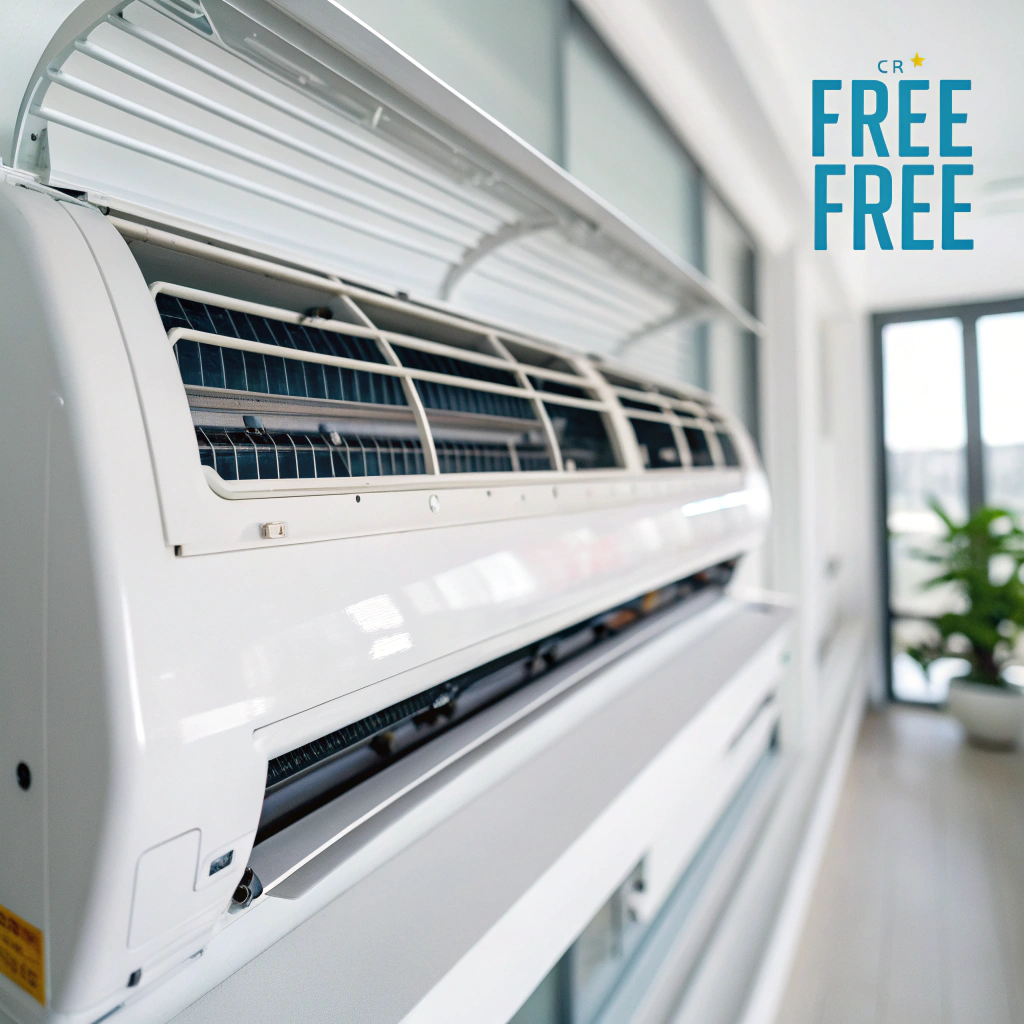
Have you noticed that even the best cooling systems lose their power over time? Let’s dive into why liquid cooling plates become less efficient and how you can prevent it.
Liquid cooling plates lose efficiency due to fouling, scaling, and other factors that reduce heat transfer. Understanding these issues can help you maintain optimal performance for longer.
If you’re wondering why this happens or how to prevent it, you’ve come to the right place. Let’s take a deeper look at the main causes.
Why Does Fouling and Scaling Affect Efficiency?
Fouling and scaling are two of the most common issues that affect the performance of liquid cooling plates. Let’s see how these factors harm efficiency.
Fouling and scaling occur when unwanted materials accumulate on the surfaces inside the cooling plates, creating an insulating layer that hinders heat transfer and reduces overall cooling performance.

When a liquid cooling plate is working optimally, heat is transferred effectively from the source to the coolant. However, fouling—whether it’s due to biological growth, dust, or mineral buildup—creates a barrier between the heat source and the cooling fluid. This layer of debris can drastically reduce the rate of heat transfer. Scaling, which happens when minerals like calcium and magnesium precipitate out of hard water, can form similar barriers.
The issue with these contaminants is that they don’t just sit on the surface; they also affect the internal flow of the coolant. When there is a layer of dirt or scale inside the cooling channels, the coolant cannot flow as freely. This can lead to hot spots where the coolant doesn’t absorb as much heat. In severe cases, it can completely block flow through certain sections, leaving the plate inefficient.
Fouling and scaling are not just minor issues—they can significantly shorten the lifespan of a cooling system. To keep everything running smoothly, cleaning should be part of regular maintenance. For instance, using chemical cleaners to remove calcium deposits can keep the system free from the performance-sapping buildup.
Key Takeaways:
- Fouling and scaling reduce heat transfer by insulating the surfaces of cooling plates.
- Regular cleaning and maintenance can prevent these issues.
- Hard water is often a major contributor to scaling, so consider using softened water in your systems.
Factors Contributing to Fouling and Scaling
| Cause | Description | Impact on Efficiency |
|---|---|---|
| Dust and Dirt | Particles from the environment settling inside the system | Insulates the cooling surface |
| Biological Growth | Bacteria or algae that grow in stagnant conditions | Reduces heat transfer rate |
| Hard Water | High mineral content, leading to calcium buildup | Clogs channels, reducing flow |
Fouling and scaling are only caused by external contaminants.False
Fouling and scaling can also be caused by internal factors like the quality of coolant and system maintenance.
How Can You Prevent Performance Loss?
Knowing how to prevent efficiency loss is crucial for anyone using liquid cooling plates. Let’s explore some methods to keep things running smoothly.
Preventing performance loss involves regular cleaning, using the right coolant, and maintaining the right flow rate to ensure optimal heat transfer efficiency over time.
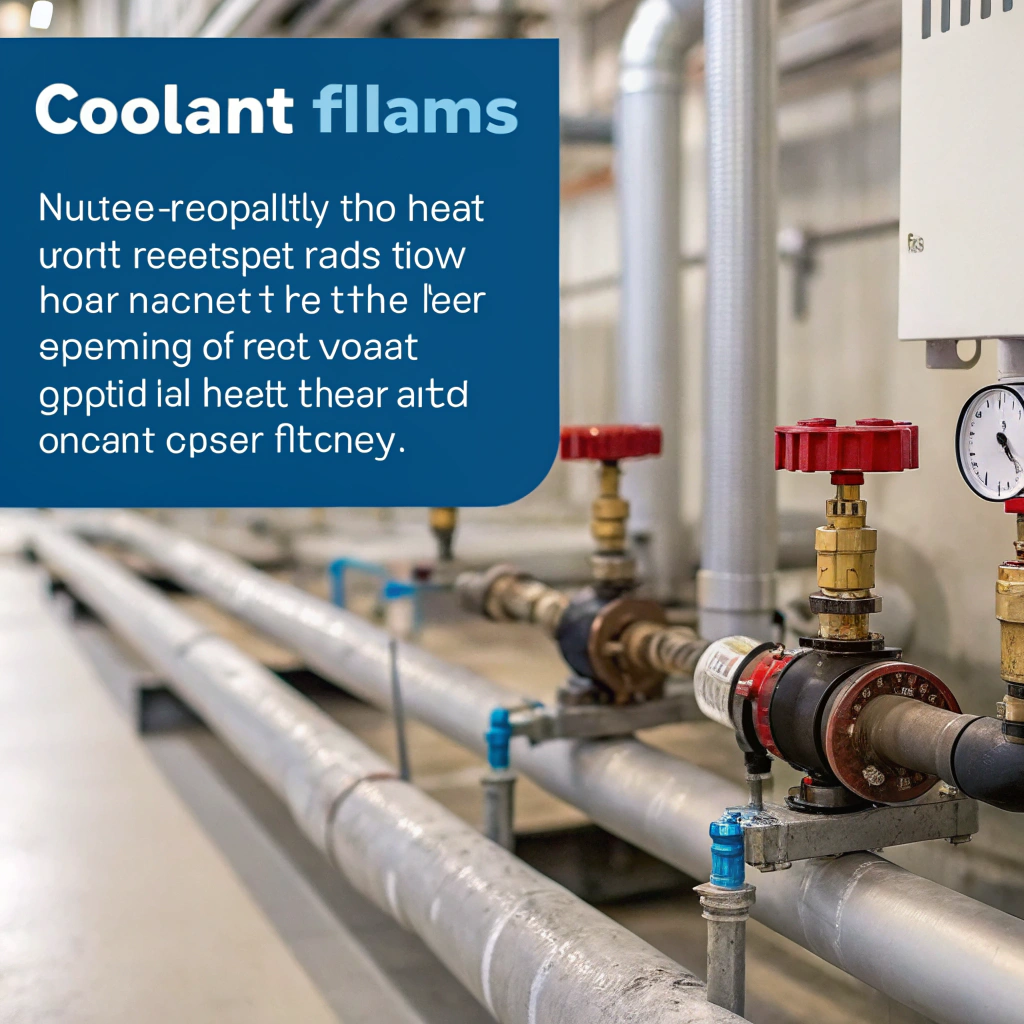
To avoid performance loss, it’s essential to address both the system’s cleanliness and the quality of the coolant. Regularly flushing the system helps remove any debris or minerals that could cause fouling or scaling. Chemical cleaners or descaling agents can be used to break down mineral deposits.
Another critical factor is the type of coolant used. Some coolants are more prone to degradation and fouling, especially when exposed to high temperatures or when they’ve been in the system for extended periods. It’s worth investing in high-quality coolants that are less likely to cause scaling or biological growth. Also, be sure to monitor coolant properties regularly, as changes in viscosity or chemical composition can lead to inefficiencies.
Maintaining the right flow rate is another easy but effective way to ensure the system stays efficient. If the coolant flows too slowly, it may not effectively remove heat from the system, causing hot spots. On the other hand, too fast a flow rate could cause mechanical wear and tear on the components.
Pro Tips for Preventing Performance Loss:
- Choose high-quality coolants that resist fouling.
- Clean the cooling system at regular intervals.
- Keep an eye on coolant quality to ensure it’s performing at its best.
Cooling Maintenance Checklist
| Task | Frequency | Recommended Action |
|---|---|---|
| Clean cooling plate | Every 3-6 months | Flush system and remove debris using chemical cleaners |
| Monitor coolant quality | Monthly | Check pH level and fluid viscosity |
| Check flow rate | Quarterly | Adjust pump speed if necessary |
Maintaining the cooling system only requires occasional cleaning.False
Regular monitoring and adjustment of coolant and flow rate are essential for long-term efficiency.
What Are Some New Methods for Preventing Performance Drop?
Technology is advancing, and new methods are helping prevent cooling performance drops. Let’s look at some of the latest innovations.
New technologies like self-cleaning coatings, microchannel designs, and smart coolant systems are revolutionizing how liquid cooling systems maintain efficiency.

Recent innovations are tackling the problem of cooling plate performance drop head-on. For example, self-cleaning surfaces are an exciting development. By applying superhydrophobic coatings to cooling plate surfaces, manufacturers have created surfaces that repel water and contaminants. This reduces the accumulation of dust, biofilms, and other debris that typically cause fouling. The coating makes the liquid bead up and slide off, effectively cleaning the surface as it flows. This is a promising solution that could significantly reduce the frequency of manual cleaning and maintenance.
In addition, microchannel designs are enhancing the efficiency of cooling plates. By creating smaller, more intricate channels, microchannel designs increase the surface area in contact with the coolant, allowing for better heat dissipation. These designs can also improve coolant flow distribution, ensuring that the liquid reaches every part of the cooling plate and removes heat more effectively. This means fewer areas are left uncooled, reducing the likelihood of hot spots.
Smart coolant systems are also emerging as a useful tool for maintaining performance. These systems use sensors and algorithms to monitor coolant quality and flow rate in real-time. By automatically adjusting parameters like flow rate or coolant temperature, these systems can optimize the cooling process without human intervention. The result is a more efficient system with fewer performance drops.
Emerging Technologies in Cooling:
| Technology | Benefit | Potential Impact on Efficiency |
|---|---|---|
| Self-cleaning surfaces | Repels contaminants, reducing fouling | Reduces cleaning frequency, maintains efficiency |
| Microchannel designs | Increases heat dissipation by expanding surface area | Improves heat transfer rate |
| Smart coolant systems | Monitors and adjusts coolant properties in real time | Maintains optimal performance without manual intervention |
Self-cleaning coatings completely eliminate the need for maintenance.False
Self-cleaning coatings reduce the frequency of maintenance but don’t eliminate the need for it entirely. Regular checks and occasional cleaning are still important.
Conclusion
In conclusion, liquid cooling plate efficiency drops over time due to fouling, scaling, and improper maintenance. By using the right cleaning methods, coolants, and technologies, you can restore and maintain performance to extend the life of your system.