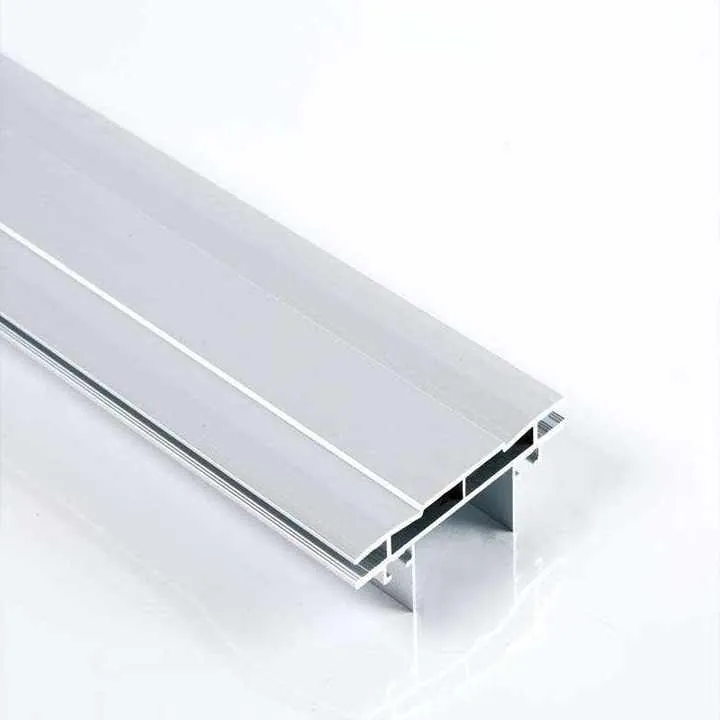
Is a liquid cooling plate good for inverter cooling?
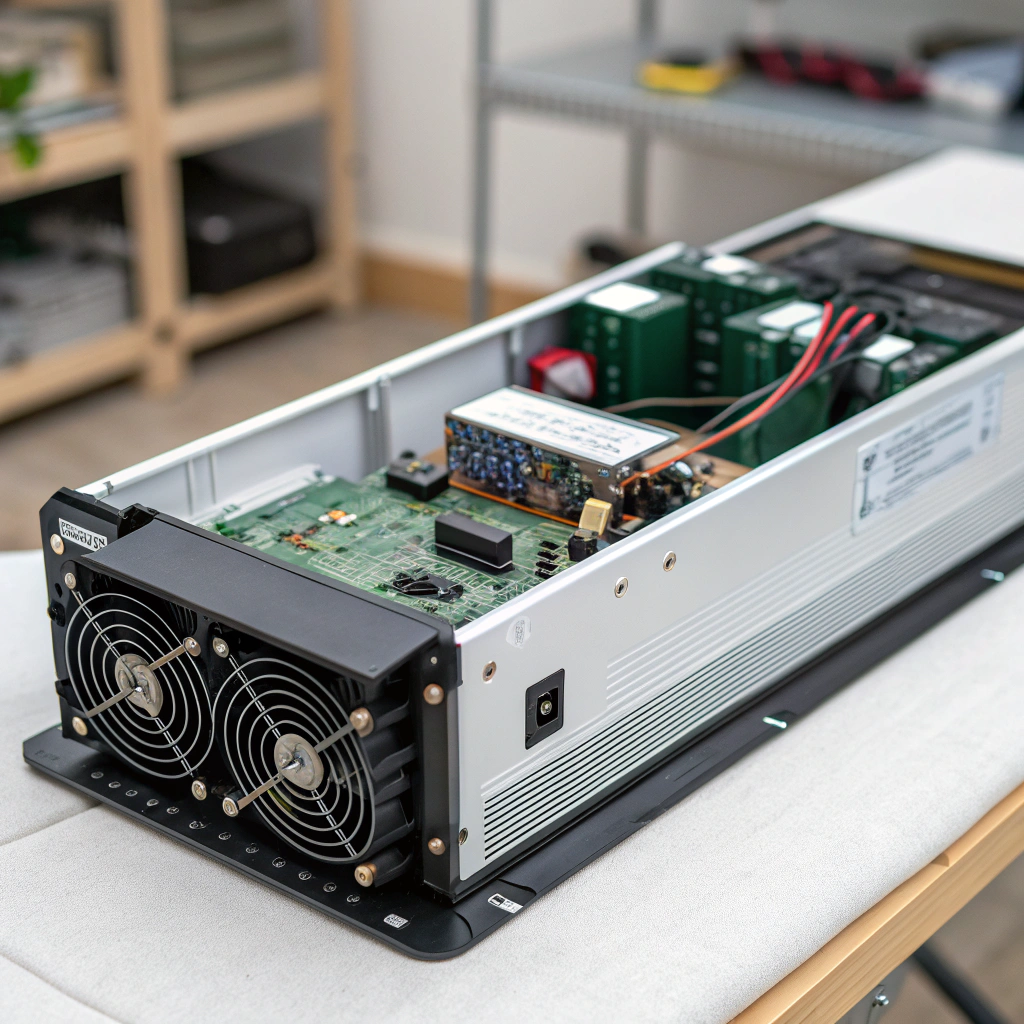
You may worry that your high‑power inverter is overheating and failing prematurely — what if a liquid cooling plate can solve that problem effectively?
Yes — a well‑designed liquid cooling plate can be very good for inverter cooling, especially in high‑power or high‑density systems where air cooling fails.
In the rest of this article I’ll explain what inverter cooling means, why cooling plates are used, how to design them for high‑power inverters, and what new cooling technologies are available.
What is inverter cooling?
Imagine your inverter generating a lot of heat and no way to remove it — that creates a serious performance and reliability problem.
Inverter cooling refers to the thermal management techniques used to remove heat from the power electronics inside an inverter (for example a DC‑AC converter or motor drive) so the device stays within safe temperature limits.
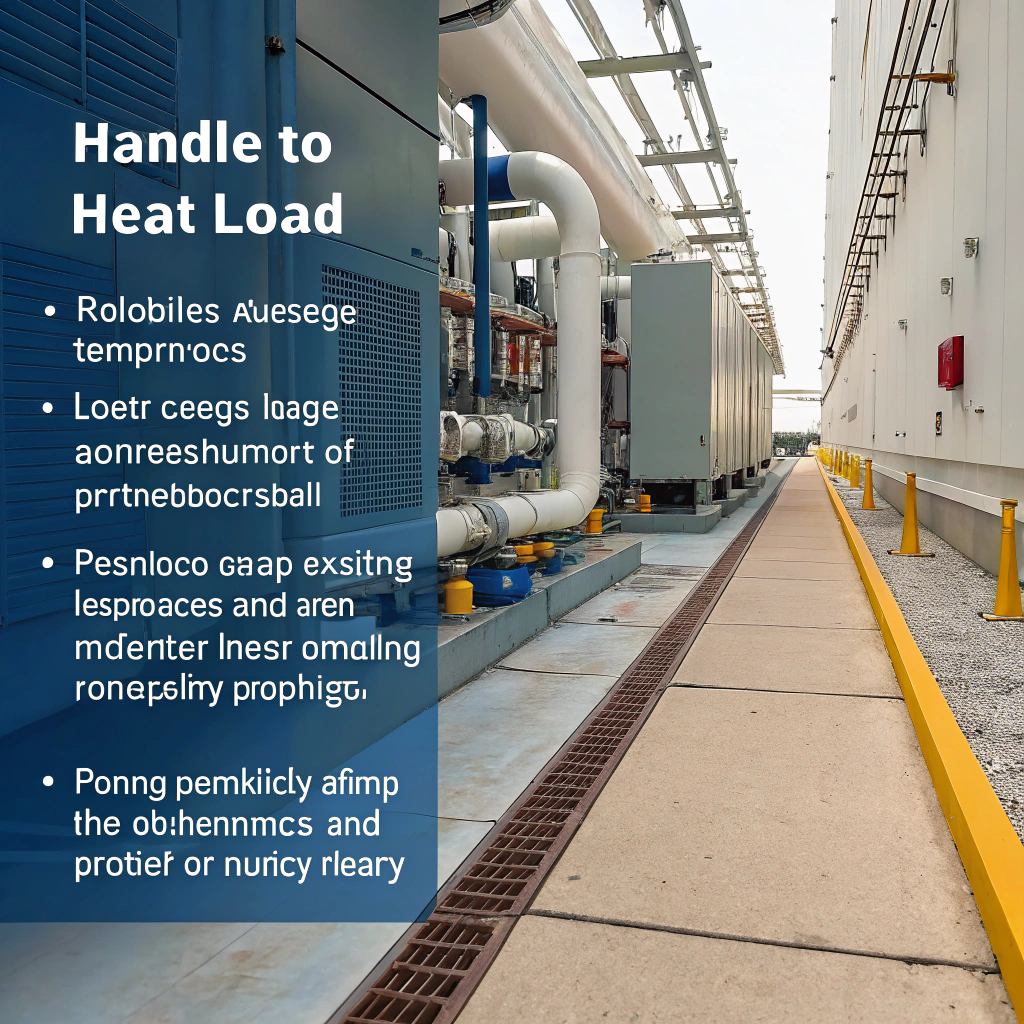
Inverters are key power‐electronic devices: they convert DC to AC (or AC to DC) and handle high currents, switching at high frequency, driving loads such as motors, solar panels, UPS systems, etc. Because the switching devices (IGBTs, MOSFETs, diodes) dissipate heat (due to conducting losses, switching losses, stray losses), that heat must be removed to keep device junctions, modules and their packaging within safe temperatures.
If the temperature rises too high or fluctuates widely, it can reduce efficiency, accelerate ageing of the semiconductor modules, degrade insulation or bonding, increase failure rate, and ultimately shorten life. Because of that, thermal design for inverters is critical. The cooling may be done by ambient air (natural convection), forced air (fans), liquid cooling (plates, loops), or hybrid techniques.
Inverter cooling encompasses several aspects:
- Ensuring good thermal contact between the semiconductor module and the heatsink or cold‐plate (thermal interface materials, compression, flatness)
- Choosing a cooling medium and path (air vs liquid) so that the heat flux and temperature rise are controlled
- Designing the physical structure of the heatsink/cold plate and the fluid flow path to handle the heat load and maintain uniform temperature across modules
- Ensuring reliability (leakage, flow, corrosion, coolant, pump, piping) and system level integration (pump, radiator, sensor, control)
- Considering ambient environment (temperature range, dust, humidity, altitude) and system packaging constraints (space, vibration, serviceability)
Inverter cooling helps reduce heat buildup and maintain safe temperatures for internal components.True
This is true because cooling is needed to keep temperatures within limits, ensuring the inverter operates reliably.
Inverter cooling only involves choosing a high-speed fan to blow on the components.False
Cooling involves multiple thermal paths and components, not just fans. It includes interfaces, cold plates, and flow loops.
Why are cooling plates used for inverters?
When air alone can’t remove the heat fast enough, cooling plates step in and offer a stronger path to heat removal.
Cooling plates (especially liquid cold plates) are used for inverters to provide a low thermal resistance path for heat removal, handle high heat fluxes, ensure uniform module temperature and support compact, high‑density packaging.
Let’s break down why cooling plates are often chosen for inverter thermal management.
1. High heat flux from power electronics
Inverter modules can generate considerable heat in small areas (e.g., IGBT modules, power stacks) so the local heat flux (W/cm²) can be high. Standard air‐cooled heatsinks may struggle to remove that heat without large size, heavy fins, large fans, or very low ambient temperature.
2. Lower thermal resistance, better uniformity
A cooling plate (cold plate) is a metallic plate with internal channels through which coolant flows. It sits in thermal contact with the inverter module, absorbing heat. The liquid can extract heat much more efficiently than air. It also ensures more uniform cooling across multiple modules.
3. Compactness and packaging
Liquid cold plates allow more compact designs because you don’t need huge convective surfaces or large fans. They can be integrated into enclosures, support vertical or horizontal mounting, and allow dual‐sided cooling.
4. Reliability, noise, and efficiency
Liquid cooling systems can reduce fan noise, maintain more consistent temperatures, and support higher power density.
5. Design flexibility
Cooling plates allow tailoring of the flow path, channel geometry, pressure drop, and material choice, making them ideal for high‑end systems or custom modules.
Cooling plates are used because they help transfer heat from inverter modules more effectively than air.True
They provide better heat transfer due to the use of liquids with higher thermal conductivity and capacity.
Cooling plates are only used in low-power residential inverter systems.False
They are mainly used in high-power, industrial, or compact applications where air cooling is insufficient.
How to design for high‑power inverter cooling?
Designing for high‑power inverter cooling means thinking through every part of the thermal path and system integration.
For high‑power inverter cooling you must optimise module contact, select appropriate materials and fluid path, size the cold plate and pump/radiator loop, and ensure uniform flow and temperature under all conditions.
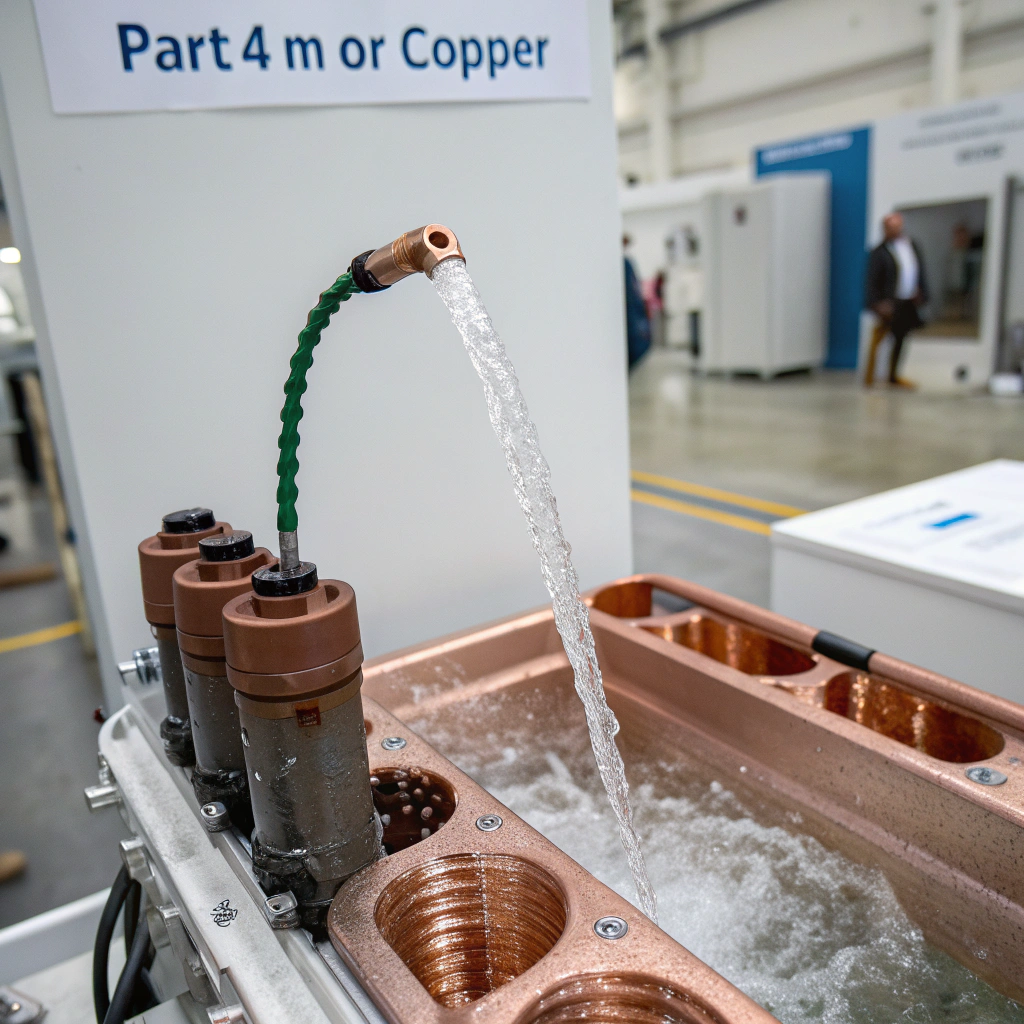
When I design for a high‑power inverter cooling system, I follow a structured approach:
Step-by-Step Design
- Define heat load, ambient conditions, and max allowable temperatures.
- Break down the full thermal path from the module to ambient.
- Choose cold plate material (aluminium, copper) and design internal channels for even flow.
- Select coolant type, flow rate, pressure drop, and radiator sizing.
- Plan mechanical integration: mounting, sealing, serviceability.
- Validate with CFD, sensors, and early testing.
Key Design Parameters Table
| Parameter | Typical Range / Consideration |
|---|---|
| Heat load | 100 W–10 kW+ depending on inverter power |
| Plate material | Aluminium or copper |
| Coolant type | Water/glycol, deionised water |
| Flow rate | 1–5 L/min (depends on system) |
| Pressure drop | <1 bar preferred for pump efficiency |
| TIM thickness | <0.1 mm preferred |
| Max case temp | 70–90 °C (depends on module rating) |
| ΔT from inlet to outlet | <15 °C preferred |
Good cold plate design must consider fluid path, material, flow rate, and uniform temperature control.True
These elements affect how evenly and effectively heat is removed.
High-power inverter cooling does not require any customization or simulation work.False
Thermal simulation (CFD) and custom design are critical for high-power systems.
What new inverter cooling technologies exist?
Beyond conventional liquid cold plates, there are several emerging cooling technologies that could improve inverter thermal management.
New inverter cooling technologies include advanced liquid cooling (micro‑channels, jet impingement, dual‑loop), phase‑change cooling, two‑phase immersion cooling, and integrated thermal materials, which hold promise for higher power density and greater efficiency.

1. Micro‑channel and jet impingement
High heat transfer via narrow channels or targeted jets directly on modules. Ideal for compact inverters.
2. Two-phase cooling
Uses boiling or phase change for large heat removal in small area. Not widely used yet in inverters but promising.
3. Immersion cooling
Modules submerged in dielectric coolant. Uniform cooling. Used more in data centers but could apply to future inverters.
4. Hybrid systems
Combines air, liquid, PCM or heat pipes. Offers performance under varying loads or peak demands.
5. Advanced materials
Graphene films, metal foams, and high-conductivity pastes improve heat transfer across interfaces.
6. Smart cooling
Uses sensors and control systems to adapt pump speed, detect leaks, and optimise flow based on inverter load.
| Technology | Heat Capability | Applications | Challenges |
|---|---|---|---|
| Jet Impingement | Very High | Compact power modules | Complexity, cost |
| Two-phase Cooling | Ultra High | High-heat flux designs | Control, sealing, reliability |
| Immersion Cooling | High | Data centers, HPC | Fluid cost, maintenance |
| Hybrid Systems | Moderate-High | Variable load inverters | Integration, weight |
| Advanced Materials | Moderate | All systems | Material availability |
| Smart Cooling | Indirect Boost | High-end systems | Sensor cost, control reliability |
Two-phase and jet impingement cooling offer high performance but are more complex to implement.True
These systems offer better heat removal but need advanced design and more precise control.
Advanced inverter cooling technologies are less effective than traditional air cooling methods.False
New technologies significantly outperform air cooling in high-power or high-density systems.
Conclusion
In short: yes, a liquid cooling plate is a strong option for inverter cooling — especially in high‑power, high‑density, or compact systems. Inverter cooling itself is about managing the heat from the power electronics inside an inverter to maintain reliability, performance and longevity. Cooling plates are used because they offer lower thermal resistance, better uniformity, compact size and high efficiency compared to air alone. Designing for high‑power inverter cooling requires careful thermal path breakdown, material and channel design, fluid loop sizing, mechanical integration and reliability planning. Lastly, new cooling technologies—micro‑channel or jet impingement liquid cooling, two‑phase, immersion, hybrid systems, advanced materials and smart control—are emerging and will shape next‑gen inverter systems.