Do power modules with insulated packages still need a heat sink?
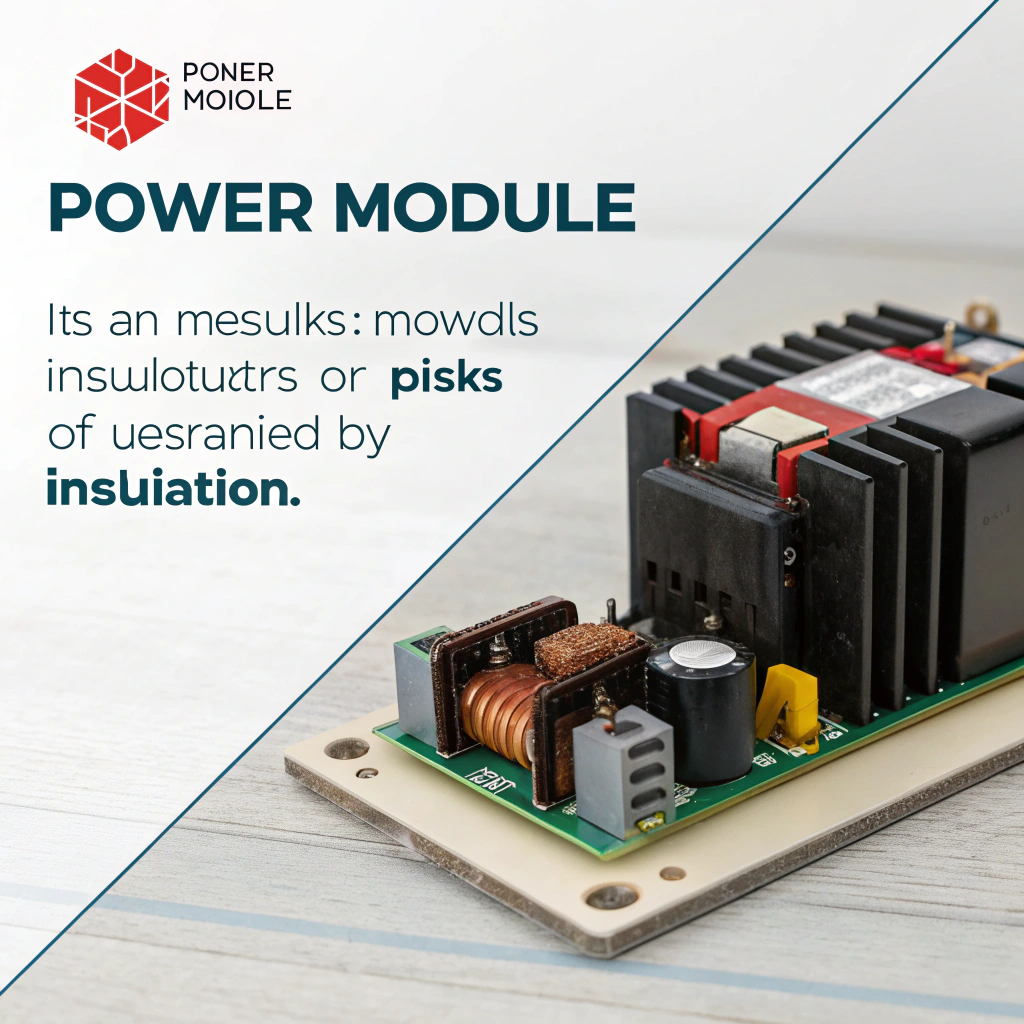
Even if a power module looks well-insulated, it can still fail from heat. Don’t be fooled — insulation doesn’t mean cooling is handled.
Yes, power modules with insulated packages still require a heat sink because insulation only addresses electrical isolation, not thermal dissipation. They still generate heat that needs to be effectively removed.
Without proper cooling, even insulated power modules can overheat and fail. Let’s walk through what insulated modules are, why they still need heat sinks, the benefits of combining the two, how to choose a compatible heat sink, and what trends are shaping the future.
What are insulated power modules?
Insulated power modules often appear as “ready-to-install” units — compact, sealed, and self-contained. But looks can be misleading.
An insulated power module includes a built-in electrical insulation layer between its semiconductor devices and the baseplate or mounting surface, but still relies on external thermal management to function properly.
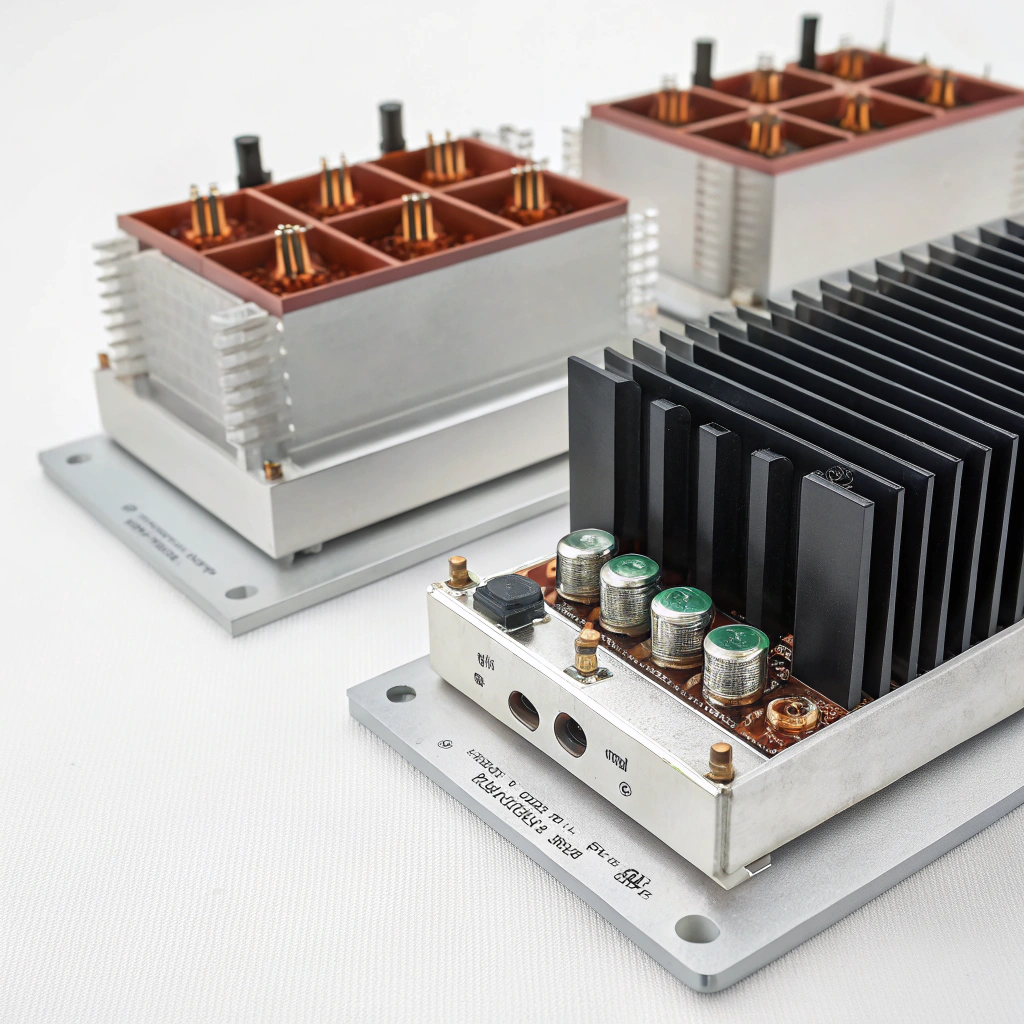
Most insulated modules use ceramic substrates like Al₂O₃ (alumina) or AlN (aluminum nitride) to achieve electrical isolation. These materials allow heat to pass through while blocking electric current. Typically, this structure is a multi-layer sandwich:
Internal Stack-up of a Typical Insulated Power Module
| Layer | Function |
|---|---|
| Semiconductor die | Power conversion (e.g., IGBT, MOSFET) |
| Solder layer | Electrical and thermal connection |
| DBC ceramic (Al₂O₃ or AlN) | Electrical isolation and thermal conduction |
| Baseplate (copper/aluminum) | Mechanical mounting and thermal transfer |
This layout helps with safety and integration. The key is: insulation helps isolate voltage — but the module still needs a way to transfer heat out of the baseplate into the environment.
Some users wrongly assume insulation equals thermal independence. It doesn’t. It just allows the module to be mounted to a grounded or conductive structure without shorting. The thermal energy still builds up and must be removed.
Do power modules with insulated packages still need a heat sink?
Imagine running a car engine with the hood shut and no airflow. That’s what happens when people skip heat sinks on insulated modules.
Yes, even with insulation, these modules require heat sinks because power losses during switching and conduction generate heat that must be dissipated to keep temperatures within safe limits.
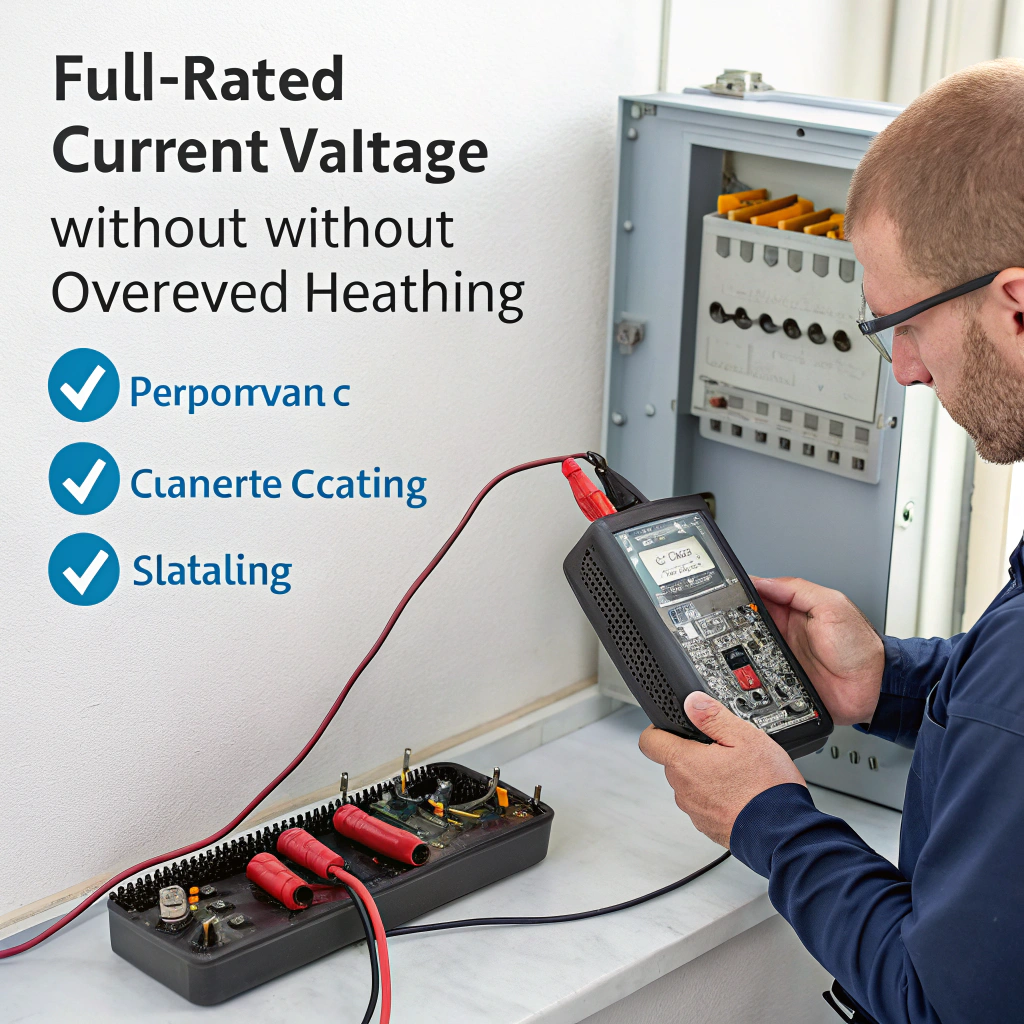
Insulated packages still follow the same thermal path logic: heat travels from the semiconductor junction → to the substrate → to the baseplate → to the heat sink → into ambient air or liquid. Skipping any step (like the heat sink) blocks this chain.
Why insulation doesn’t remove heat:
- The ceramic layer adds thermal resistance — even good ceramics are worse than metal.
- High switching speeds = more power loss = more heat.
- Smaller packages = less surface area for passive cooling.
- The baseplate gets hot unless connected to a structure that can absorb and release that heat.
- Internal temperatures (junction temp, or Tj) must remain well below limits for reliability.
Insulated packages allow safe contact with grounded heat sinks or metal chassis. But without a heatsink, the baseplate temp (Tc) can exceed 100–125 °C rapidly under load. The semiconductors inside will overheat, degrade, or fail.
Without a heat sink:
- Junction-to-ambient thermal resistance skyrockets.
- Hot spots form at chip locations.
- TIM (thermal interface material) becomes ineffective if not compressed.
- Life expectancy of components drops sharply.
In short, insulation solves one part of the problem — electric isolation. But thermal energy still accumulates. A heat sink is the key to getting that heat out.
Insulated power modules do not need a heat sink because they are thermally self-managed.False
Insulated packages only handle electrical isolation; thermal energy still requires external dissipation.
Power modules with insulated baseplates must still be mounted to a heat sink to manage their thermal load.True
Insulated modules generate heat that must be conducted out via heat sinks to ensure proper operation.
What are the benefits of using a heat sink with insulated packages?
Insulated modules are only half the solution — without a matching heat sink, the risk of failure is high.
A heat sink improves the cooling efficiency of insulated modules, helps maintain safe junction temperatures, extends lifespan, and ensures the module can operate at full rated current and voltage without overheating.
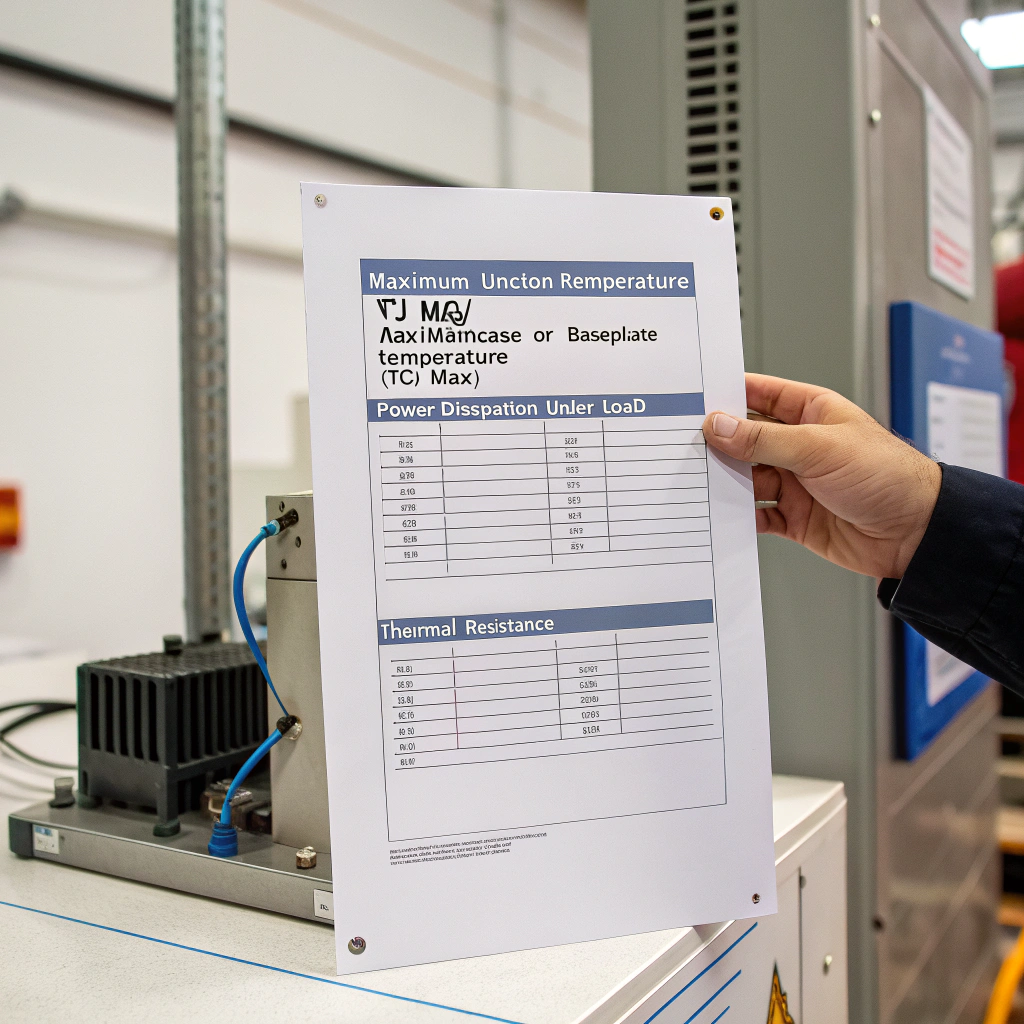
Let’s break down the practical benefits:
1. Lower operating temperature
Adding a heat sink helps draw heat away from the module’s baseplate efficiently. This lowers the temperature at the semiconductor junctions and keeps them under thermal limits, improving safety margins.
2. Increased reliability
Thermal stress is a major cause of failure. Lowering the baseplate and junction temperatures reduces mechanical stress, thermal cycling fatigue, and solder joint cracking.
3. Higher power density
With better heat dissipation, modules can run closer to their rated capacity. You avoid derating due to thermal limits.
4. Reduced need for forced air cooling
An efficient passive heat sink reduces the need for high-speed fans, which can save power, space, and noise in the system.
5. Thermal compliance
Many systems must meet regulatory or design limits on surface and junction temperatures. A heat sink helps meet those specs.
6. Simplified insulation requirements
Since the module already includes internal electrical insulation, you don’t need to add thermal pads with built-in dielectric layers. This simplifies mounting and reduces thermal resistance.
Performance Table: With and Without Heat Sink
| Parameter | Without Heat Sink | With Heat Sink |
|---|---|---|
| Baseplate Temp (Tc) | >100 °C | <70–80 °C |
| Junction Temp (Tj) | Near max limits | Within safe margin |
| Power derating needed? | Yes | Often no |
| Lifespan | Shorter | Longer |
| Cooling noise level | High (if forced air) | Lower (passive/fanless possible) |
In short, insulated modules need a partner — a well-designed heat sink — to work reliably. Skipping it puts your system at risk.
How do I select heat sinks for insulated modules?
Not all heat sinks fit all modules. I’ve seen mismatches lead to poor results.
Choose a heat sink based on the power loss of the module, the required thermal resistance, mounting method, and available cooling environment (passive, forced air, or liquid).
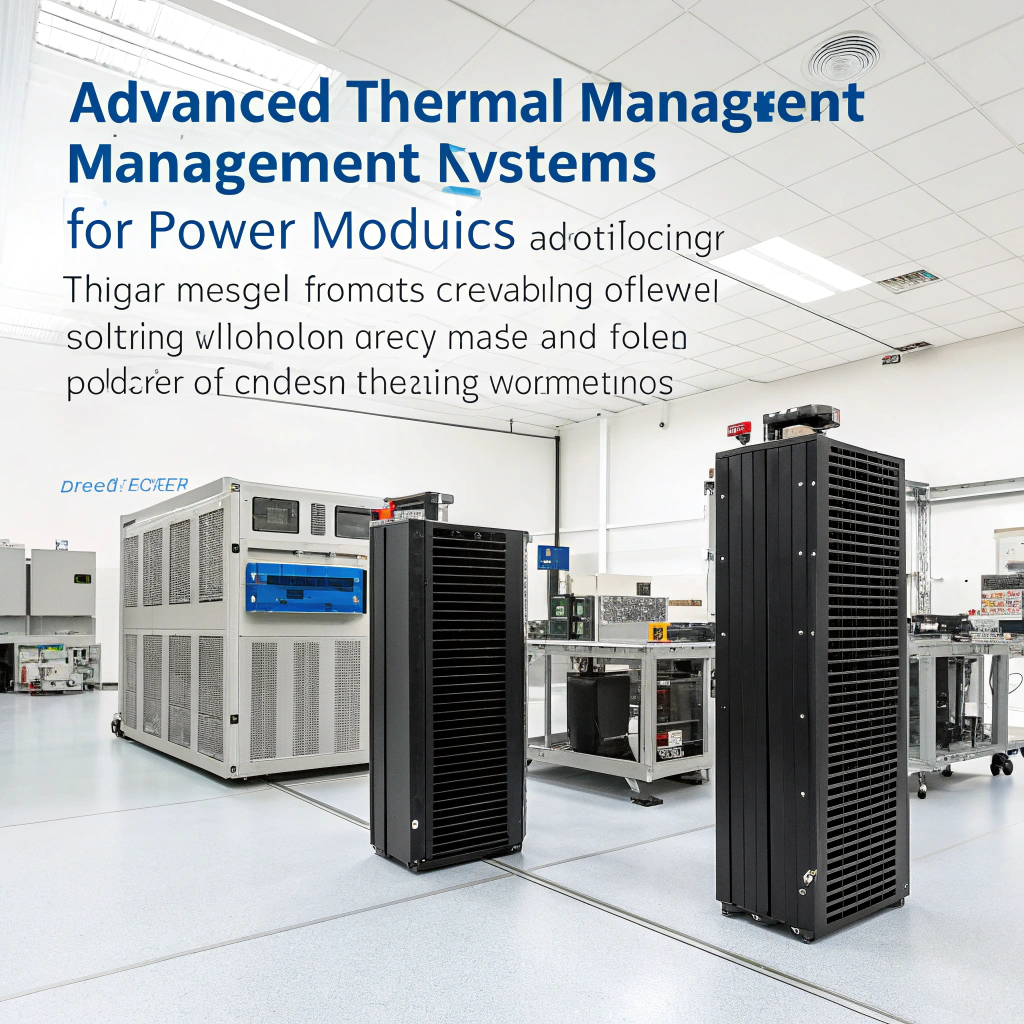
Here’s how I recommend doing it:
1. Understand your module’s thermal needs
Check the datasheet for:
- Maximum junction temperature (Tj max)
- Maximum case or baseplate temperature (Tc max)
- Power dissipation under load (Watts)
- Thermal resistance from junction to case (Rθjc)
Then decide the maximum Rθcs (case-to-sink) + Rθsa (sink-to-ambient) allowed, based on:
ΔT = (Tj max – Tambient)
P = Power loss (Watts)
Target Rθ total = ΔT / P – Rθjc
2. Choose based on environment
- Natural convection: Larger, finned aluminum sink.
- Forced air: Tighter fins, directional airflow support.
- Liquid cooled: Cold plate or integrated fluid channels.
Match to system size, orientation, and airflow.
3. Ensure flatness and mounting pressure
Insulated modules need proper surface contact. Select heat sinks with:
- Machined flat base (for low thermal resistance)
- Mounting holes aligned to module design
- Optional spring clips or torque-limited screws for even pressure
4. Use suitable TIM
Even though the module is insulated, you still need a thermal interface:
- Thin thermal paste
- Gap filler pad
- Phase change material
Choose based on application voltage, heat spread, reworkability.
5. Verify performance
Once assembled, check temperatures under load:
- Baseplate temperature (with thermocouple)
- Ambient airflow temp
- Compare with module’s derating curves
Table: Heat Sink Selection Checklist
| Factor | Requirement |
|---|---|
| Power Loss | Match to thermal budget (Watts) |
| Rθ target | Below calculated limit for safe Tj |
| Mounting method | Holes, clamps, springs |
| Surface finish | Machined flat, anodized if needed |
| TIM compatibility | Paste or pad with adequate thermal rating |
| Cooling style | Passive, forced air, or liquid |
| Size constraints | Fits your chassis or enclosure |
All heat sinks are compatible with any insulated module as long as the size fits.False
Thermal resistance, mounting method, and surface quality must be matched to the module’s requirements.
A properly chosen heat sink keeps the module within thermal limits and extends its service life.True
Heat sinks lower operating temperatures and reduce thermal stress, improving reliability.
What are the future trends in power module cooling?
Thermal management is changing fast. I’ve watched it evolve from blocky fins to integrated systems.
Future trends include direct liquid cooling, integrated cold plates, advanced materials for TIMs, smarter thermal sensors, and more compact designs with higher power density.
Let’s look at what’s coming:
1. Direct liquid cooling
Instead of air, coolant runs through channels in the heat sink or cold plate. This offers much lower thermal resistance and is ideal for high-voltage EV drives or inverters.
2. Integrated substrates
Modules are being built with heat spreaders or cold plates directly bonded into the structure. The baseplate may have embedded fins or channels, removing the need for separate heat sinks.
3. Smarter TIMs
Thermal pastes and pads are getting better — thinner, more compliant, and less likely to dry out or pump out over time. Some TIMs are being paired with phase change materials or graphene for better spread.
4. Pressure mapping
New sensors can verify how well a module is pressed onto its heat sink. This helps improve uniformity and reduce risk of hot spots.
5. Compact and modular cooling
More systems are using shared cooling: one liquid loop serving multiple power stages. Others have modular thermal blocks that plug into standard chassis, making replacement easier.
6. Digital thermal monitoring
Power modules now integrate temp sensors or provide feedback to smart controllers, which can throttle performance or adjust fan speed dynamically.
7. High-performance extruded aluminum
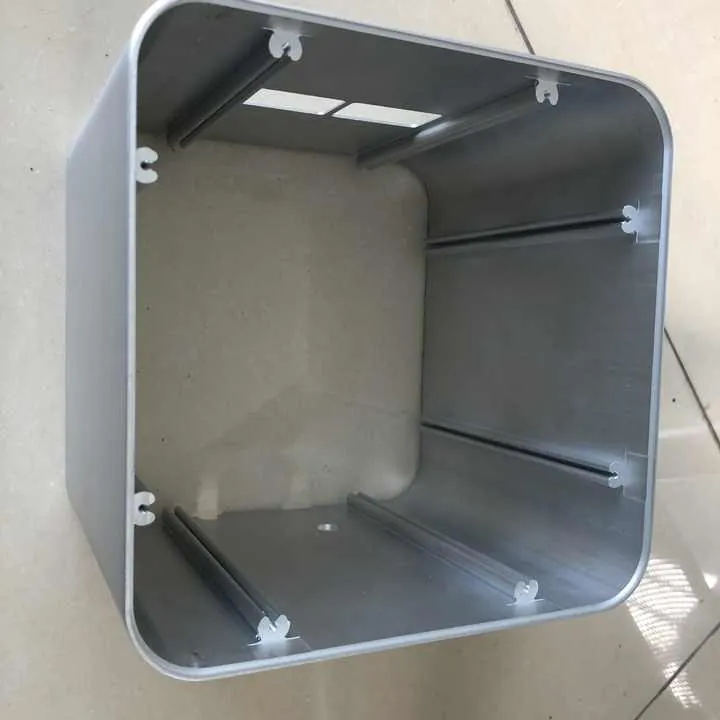
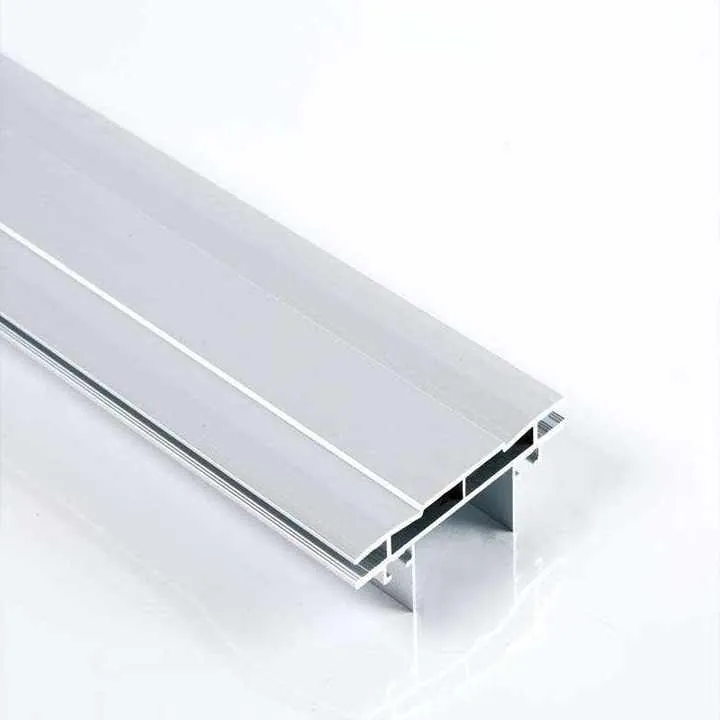
Aluminum extrusion is getting more precise, allowing custom profiles that improve airflow, reduce weight, and optimize heat spread — all things your factory is ready to support.
The key is that as power modules get more powerful, their heat output grows. Cooling must evolve too — and it is.
Conclusion
Power modules with insulated packages absolutely still need heat sinks. The insulation prevents electrical shorts but doesn’t remove heat. Without a heat sink, temperatures can climb quickly and damage the module. Adding a heat sink improves reliability, increases lifespan, and enables full performance. By choosing the right sink, applying it correctly, and staying ahead of new cooling trends, you make sure your power modules stay cool and your system runs smoothly.