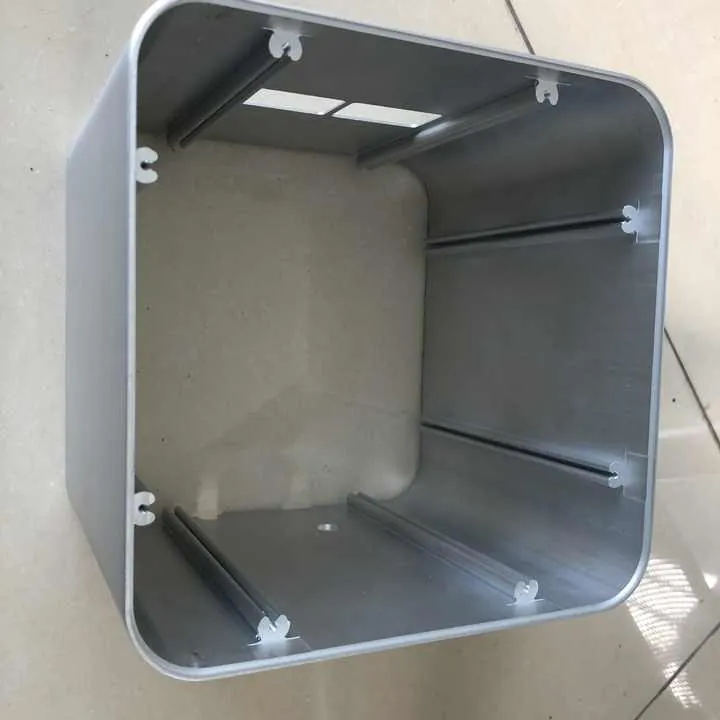
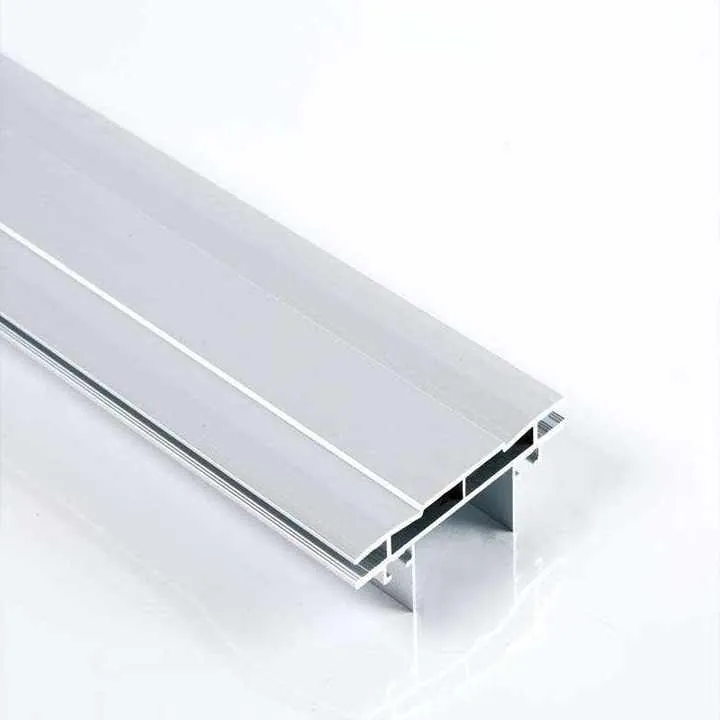
Decorative effect of anodising aluminium profiles
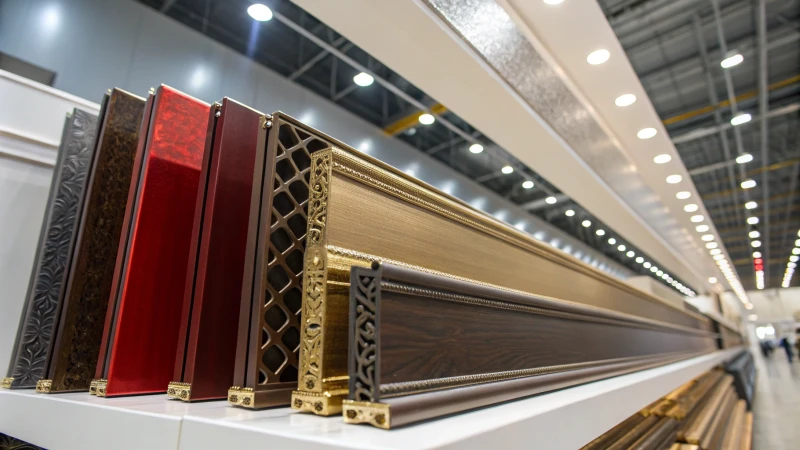
Discover the transformative power of anodizing aluminum profiles!
Anodizing aluminum profiles enhances their aesthetic appeal and durability by creating a protective oxide layer that can be tailored with various textures and colors. This process is especially beneficial in architectural and design applications, providing both beauty and functionality.
Continue reading to explore the latest trends in anodized aluminum design, innovative textures and colors, and how this eco-friendly option can elevate your projects.
What are the Key Benefits of Anodizing Aluminum Profiles?
Discover the numerous advantages of anodizing aluminum profiles, from enhanced durability to aesthetic versatility, that make this process vital for modern design and manufacturing.
Anodizing aluminum profiles offers key benefits such as increased corrosion resistance, improved durability, aesthetic versatility with various finishes, and eco-friendly properties that support sustainable practices.
Enhanced Durability and Corrosion Resistance
Anodizing aluminum profiles significantly increases their resistance to corrosion and wear. The anodized layer is thicker than a natural oxide layer, providing a robust barrier against environmental factors. This durability makes anodized aluminum ideal for outdoor applications, such as architectural facades1 and outdoor furniture.
For example, anodized finishes can withstand harsh weather conditions, including UV exposure and moisture, thereby prolonging the life of products like car travel tents and outdoor equipment.
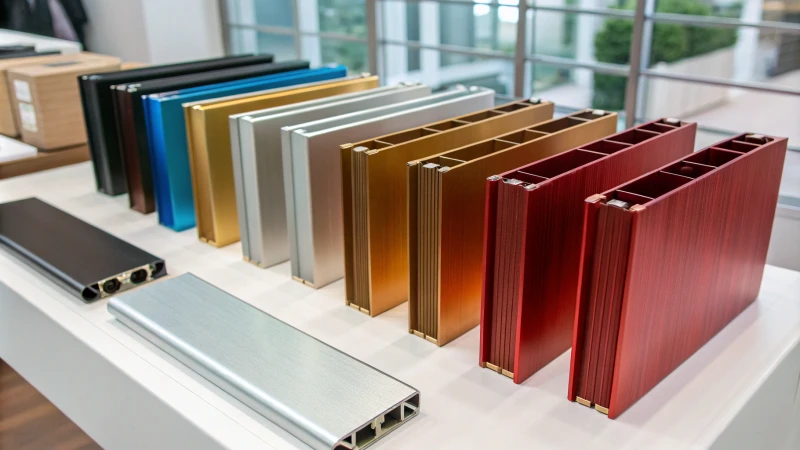
Aesthetic Versatility
One of the most appealing benefits of anodizing is the aesthetic options it provides. The process allows for a variety of colors and textures, including unique wood grain effects and matte finishes. This versatility enhances the design potential for various applications, making it a popular choice in modern design trends in architecture and furniture.
| Finish Type | Description | Applications |
|---|---|---|
| Matte | Non-reflective finish that reduces glare | Interior design, furniture |
| Glossy | High-shine finish that enhances color depth | Decorative elements |
| Wood Grain Effect | Mimics the appearance of natural wood | Outdoor installations |
Eco-Friendly Benefits
Anodized aluminum is considered an environmentally friendly option. The anodizing process utilizes less energy compared to other metal finishing techniques and creates minimal waste. Furthermore, aluminum is 100% recyclable without loss of quality, making it a sustainable choice for eco-conscious projects.
By using anodized aluminum, companies can contribute to greener building practices and support sustainability in construction, which is increasingly important to consumers like David who prioritize eco-friendly materials.
Customization Opportunities
Another key benefit of anodizing aluminum profiles is the high level of customization it allows. Manufacturers can create specific finishes tailored to meet unique design requirements. This flexibility is crucial for designers and architects who need materials that align with their visions and specifications.
Clients can choose from a variety of colors, textures, and even patterns, making it easy to achieve a distinct look for their projects.
Conclusion Not Included
How Does Anodizing Compare to Other Finishing Techniques?
Anodizing is a prominent finishing technique, but how does it stack up against others like powder coating? This comparison sheds light on their unique advantages and disadvantages.
Anodizing offers superior durability and corrosion resistance compared to other finishing techniques such as powder coating and paint, making it ideal for demanding applications. Its eco-friendly nature further enhances its appeal for sustainable design projects.
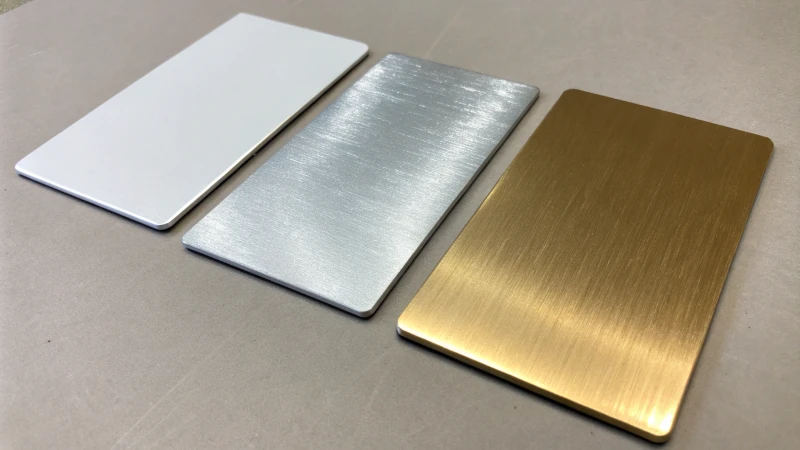
Overview of Anodizing
Anodizing is an electrochemical process that increases the thickness of the natural oxide layer on the surface of metal parts, primarily aluminum. This technique not only enhances the durability of the aluminum but also improves its aesthetic appeal. Anodized aluminum is resistant to corrosion, wear, and fading, making it a popular choice in various applications.
Comparison with Other Finishing Techniques
When comparing anodizing to other finishing techniques such as powder coating, paint, and electroplating, it’s essential to consider several factors:
| Feature | Anodizing | Powder Coating | Paint | Electroplating |
|---|---|---|---|---|
| Durability | High | Moderate to High | Low to Moderate | High |
| Corrosion Resistance | Excellent | Good | Moderate | Excellent |
| Aesthetic Variety | Limited Colors | Wide Range of Colors | Wide Range of Colors | Metallic Finish |
| Environmental Impact | Eco-Friendly | Somewhat Eco-Friendly | Often contains VOCs | Uses harmful chemicals |
Durability and Performance
One of the key advantages of anodizing is its durability. Anodized surfaces are significantly tougher than untreated aluminum and resist scratches and abrasion effectively. In contrast, powder coating provides good protection but can chip or scratch more easily compared to anodized finishes. For projects like David’s aluminum alloy car travel tents, where durability is paramount, anodizing might offer the superior choice.
Aesthetic Appeal
In terms of aesthetics, anodizing offers a limited color palette that is derived from the natural colors of the oxide layer. While it can be dyed in various colors, it may not achieve the same vibrant tones available in powder coating or paint. If your project requires bright colors or specific finishes, you might consider exploring powder coating options2.
Environmental Considerations
Another point of differentiation is the environmental impact. Anodizing is generally considered eco-friendly as it doesn’t produce harmful byproducts. Powder coating is also relatively clean but may still involve some volatile organic compounds (VOCs). Conversely, paint often contains solvents that can be harmful to both health and the environment. This aspect can resonate well with environmentally conscious designers like David, who prioritize sustainability in their projects.
Suitability for Applications
The suitability of anodizing versus other techniques largely depends on the specific application. For instance, anodizing is often favored in outdoor environments due to its exceptional corrosion resistance, making it ideal for applications like architectural facades or outdoor equipment. On the other hand, powder coating might be more suitable for indoor applications where aesthetic variety is a priority.
For David’s outdoor products, understanding these differences can guide him in making a well-informed decision about which finishing technique best suits his design requirements and environmental standards.
What Modern Design Trends Utilize Anodized Aluminum?
Anodized aluminum is revolutionizing modern design trends across various industries. From architecture to furniture, discover how this versatile material is being utilized creatively today.
Modern design trends increasingly utilize anodized aluminum for its durability, aesthetic appeal, and eco-friendliness. It’s featured prominently in architecture, furniture design, and customizable finishes, catering to contemporary tastes.
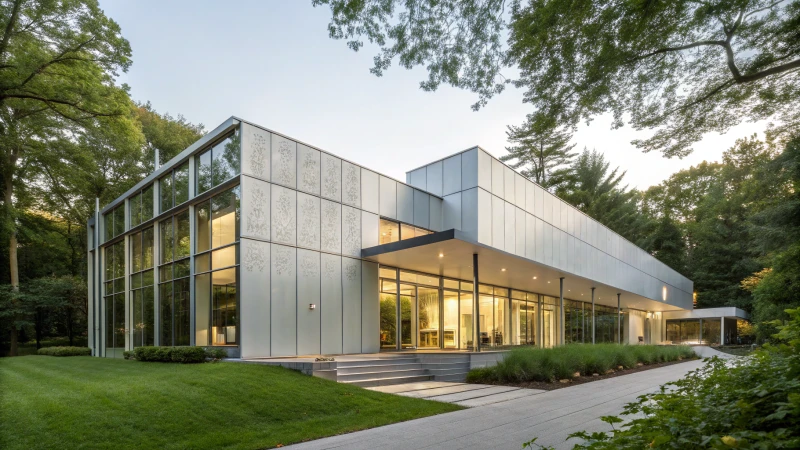
The Rise of Anodized Aluminum in Architecture
Modern architecture has embraced anodized aluminum for its unique aesthetic and functional benefits. Its sleek finish allows for the creation of striking facades that can withstand the test of time. Moreover, the versatility of anodized aluminum means it can be used in various applications, from cladding to window frames.
For example, anodized aluminum can be seen in contemporary skyscrapers where large glass panels are framed with this material to enhance both durability and visual appeal. This trend not only emphasizes a clean, modern look but also promotes energy efficiency, as anodized surfaces can reflect heat, reducing cooling costs.
Innovative Textures and Colors
One of the exciting aspects of anodized aluminum is its ability to adopt various textures and colors. Designers are increasingly experimenting with wood grain effects and gradient color schemes that add depth to their projects.
| Texture | Description |
|---|---|
| Wood Grain | Mimics natural wood while maintaining durability |
| Matte Finish | Offers a modern, subdued aesthetic |
| Glossy Finish | Enhances light reflection for a vibrant appearance |
This innovation opens up creative possibilities that cater to different design preferences, providing a fresh alternative to traditional materials. Explore design inspirations3 for your next project!
Eco-Friendly Solutions
In an age where sustainability is paramount, anodized aluminum stands out as an environmentally friendly option. It is 100% recyclable without losing its properties, making it an ideal choice for green buildings. Many architects are now seeking certifications for their projects that utilize sustainable materials like anodized aluminum.
Additionally, its lightweight nature helps reduce transportation emissions, contributing further to eco-friendly practices in construction. Learn more about green building materials that incorporate anodized aluminum!
Customization Trends
As the demand for personalized products grows, anodized aluminum offers flexibility that allows designers to create customized finishes tailored to specific needs. This adaptability caters especially well to designers like David, who seek unique materials that align with their innovative visions.
From custom colors to specific textures, anodizing can meet varying design requirements efficiently. This trend towards customization enhances the overall consumer experience, ensuring that each project is distinct. Discover how to customize your materials effectively!
Can Anodized Aluminum Profiles Support Sustainable Building Practices?
Exploring the potential of anodized aluminum profiles reveals their significant role in supporting sustainable building practices. Discover how this material contributes to eco-friendly construction and modern design trends.
Anodized aluminum profiles support sustainable building practices by offering durability, recyclability, and aesthetic versatility. Their environmental benefits align with eco-friendly architecture, making them ideal for modern green buildings.

Understanding Anodized Aluminum
Anodized aluminum is a treatment process that enhances the natural oxide layer on aluminum surfaces. This process not only improves corrosion resistance but also increases the durability of the aluminum profiles.
The result is a material that can withstand harsh environmental conditions, making it suitable for various construction applications. This durability means fewer replacements are needed, reducing overall material consumption and waste over time.
Environmental Benefits of Anodized Aluminum
-
Recyclability: One of the significant advantages of aluminum is its recyclability. Anodized aluminum profiles can be recycled without losing their quality. This characteristic supports sustainable practices, aligning with green building certifications such as LEED4.
-
Energy Efficiency: The anodizing process itself is environmentally friendly as it uses less energy compared to other treatments. Moreover, buildings made with anodized aluminum can be designed for better thermal efficiency, reducing energy consumption for heating and cooling.
-
Reduced Carbon Footprint: By using locally sourced anodized aluminum profiles, builders can significantly reduce transportation emissions. This practice not only supports local businesses but also decreases the overall carbon footprint associated with construction materials.
Design Flexibility and Aesthetic Appeal
Anodized aluminum profiles are available in various colors and finishes, allowing architects and designers to create visually appealing structures that do not compromise on sustainability. For example, innovative finishes can mimic wood grain or offer unique textures that enhance the design without the environmental impact of traditional materials. This flexibility can be further explored in creative building designs5.
| Feature | Benefits |
|---|---|
| Corrosion Resistance | Longer lifespan of materials |
| Aesthetic Variety | Customizable designs |
| Low Maintenance | Reduced need for repairs |
| Eco-Friendly Process | Less energy consumption during anodizing |
Market Demand for Sustainable Materials
As consumer awareness around sustainability grows, there is an increasing demand for materials like anodized aluminum. Companies are now prioritizing eco-friendly options in their product lines to attract environmentally conscious customers. By aligning with this trend, businesses can enhance their market competitiveness while contributing to sustainable building practices.
In conclusion, anodized aluminum profiles represent a viable option for those committed to sustainable building practices, offering a combination of durability, aesthetic appeal, and environmental benefits that cater to modern design needs and eco-friendly initiatives.
What Customization Options Are Available with Anodized Finishes?
Discover how anodized finishes can be tailored to suit your specific needs and design preferences in various industries.
Anodized finishes offer extensive customization options, including color variations, surface textures, unique shapes, and eco-friendly characteristics, making them ideal for diverse applications from architecture to consumer products.
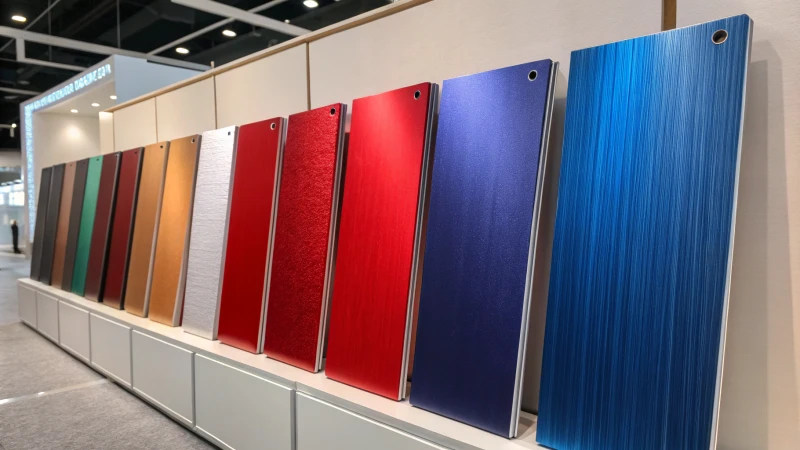
Diverse Color Choices
Anodized finishes can be customized in a wide array of colors. The process allows for the integration of various dyes to achieve vibrant and durable colors.
This is crucial for applications where aesthetics play a significant role, such as in automotive parts or decorative architecture. For example, anodized aluminum can mimic the appearance of wood, providing a unique and appealing look without sacrificing durability.
You can explore more about color options for anodized finishes6.
Texture Variations
Texture is another aspect where customization shines in anodized finishes. Different surface treatments can create unique textures that enhance visual interest and tactile feedback.
Common textures include:
| Texture Type | Description |
|---|---|
| Smooth | Classic finish that reflects light beautifully. |
| Matte | Reduces glare and provides a contemporary look. |
| Brushed | Offers a subtle texture that adds depth. |
| Wood Grain Effect | Mimics the appearance of natural wood grain. |
These textures can be tailored based on the project requirements, making anodized aluminum a versatile choice for various applications. For deeper insights, check out texturing techniques for anodized surfaces7.
Custom Shapes and Profiles
One of the remarkable advantages of anodized finishes is the ability to customize not just the surface but also the shape and profile of the aluminum itself. Manufacturers can produce extrusions in virtually any shape, allowing designers to achieve their specific visions.
This customization supports innovative designs in furniture, architecture, and more. An example includes creating unique lighting fixtures or custom window frames that stand out visually while being durable. Learn more about custom extrusion options8.
Sustainability Considerations
As sustainability becomes increasingly important in design and manufacturing, anodized finishes offer an eco-friendly option. The process itself is less harmful compared to other finishing techniques, and anodized aluminum is fully recyclable.
This allows businesses like David’s to align with their values by choosing materials that support green initiatives. Explore more about sustainable practices in anodizing9.
Applications in Various Industries
The customization options available with anodized finishes make them suitable for a variety of industries, including:
- Automotive: Custom colors and textures for vehicle parts.
- Architecture: Unique profiles for building facades.
- Consumer Products: Customized designs for outdoor equipment.
- Furniture Design: Tailored shapes and colors for contemporary pieces.
This versatility ensures that anodized aluminum can meet diverse project requirements effectively. For further examples, visit anodized aluminum applications10.
Conclusion
Anodizing aluminum profiles improves durability and aesthetics while providing eco-friendly options for modern design trends in architecture and furniture.
-
This link will provide you with a deeper understanding of the environmental benefits of anodizing aluminum, crucial for sustainable projects. ↩
-
Discover a detailed analysis of anodizing versus other techniques to make an informed decision for your project. ↩
-
This link provides in-depth insights on how anodized aluminum is reshaping modern architecture and design, offering fresh ideas for your projects. ↩
-
This link provides detailed insights into how anodized aluminum contributes to eco-friendly building practices, helping you make informed decisions for your projects. ↩
-
Explore creative building designs that utilize anodized aluminum, enhancing both sustainability and aesthetics in modern architecture. ↩
-
Explore a range of anodized finish options tailored for your project needs, enhancing both aesthetic appeal and functionality. ↩
-
Learn about different surface textures available for anodized finishes to find the perfect match for your design. ↩
-
Discover how custom extrusion shapes can expand your design possibilities with anodized finishes. ↩
-
Find out how anodizing contributes to sustainability and eco-friendly practices in manufacturing. ↩
-
See examples of how anodized aluminum is used across different industries for customized solutions. ↩