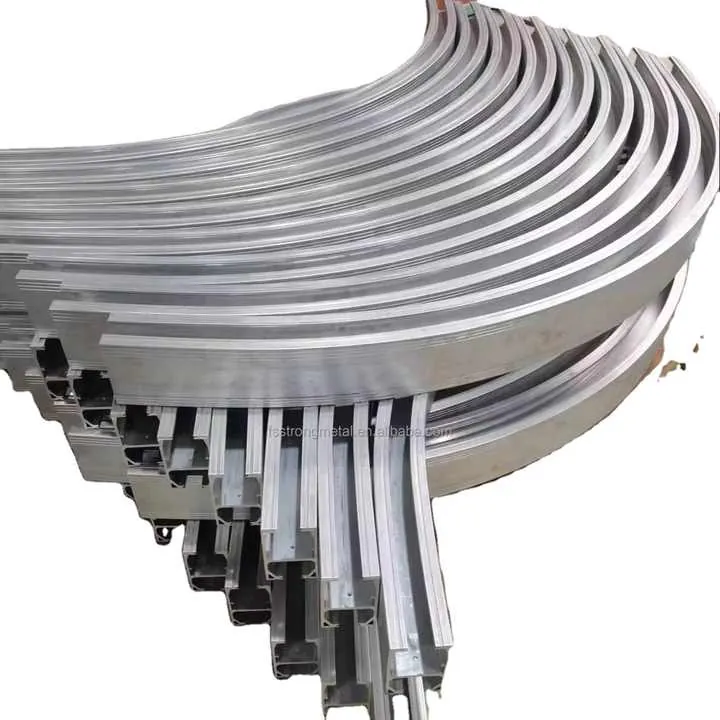
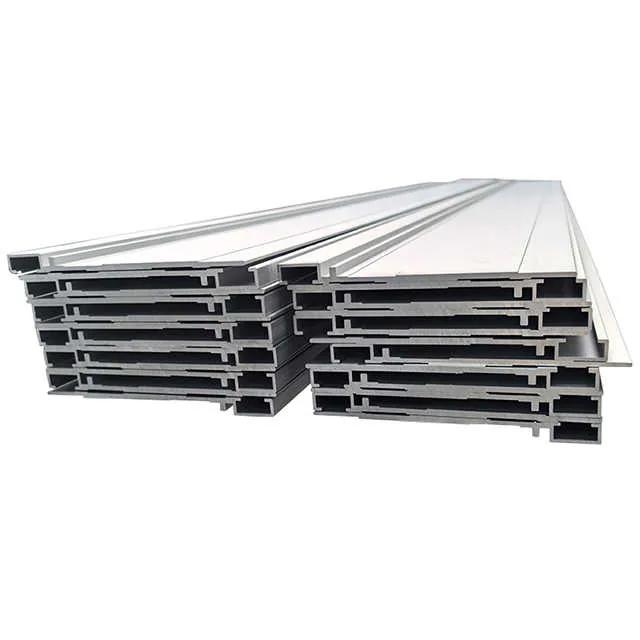
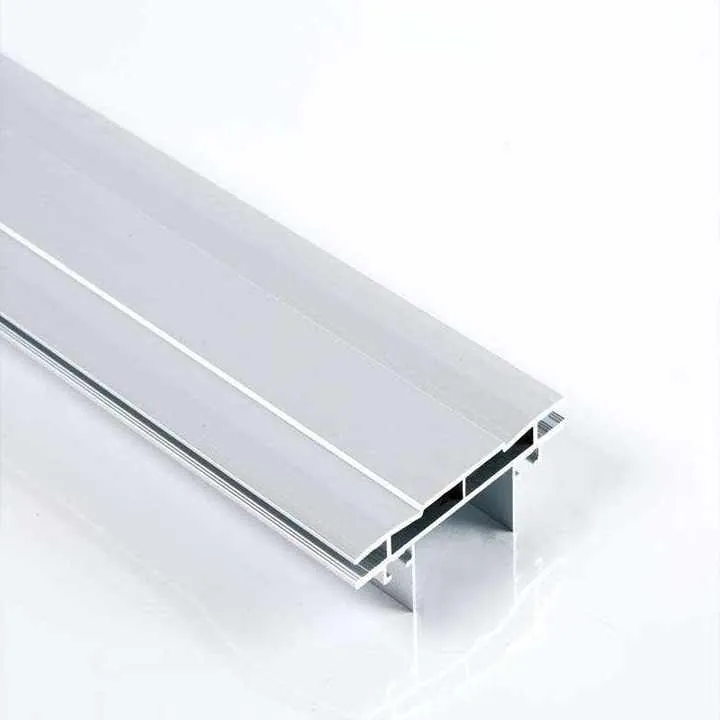
Design Guide for Aluminum Profiles in Industrial Buildings
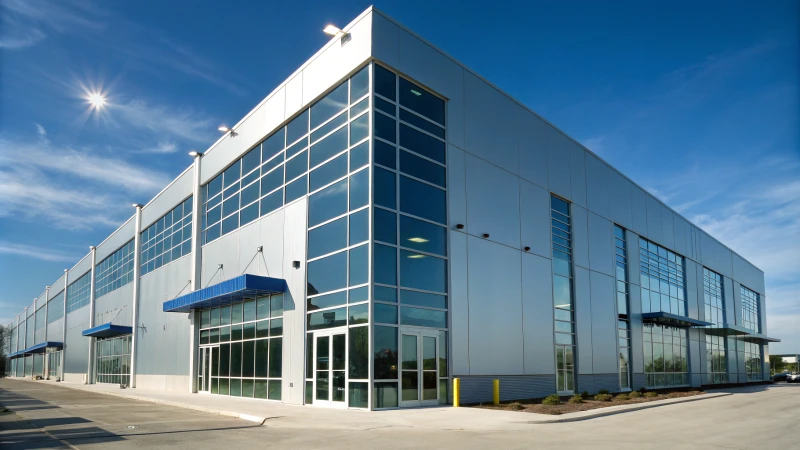
Discover how aluminum profiles are revolutionizing industrial building design.
Aluminum profiles are crucial in industrial buildings due to their lightweight nature, high strength, and excellent corrosion resistance. This guide outlines their functional and economic requirements, application strategies, and design considerations to maximize efficiency and durability in your projects.
Dive into the following sections to explore in-depth insights on aluminum profile applications, design strategies, and more that can elevate your industrial building projects.
What are the key advantages of using aluminum profiles in industrial construction?
Aluminum profiles offer numerous advantages in industrial construction that make them a top choice for engineers and architects alike. Let’s explore these key benefits.
Aluminum profiles are lightweight yet strong, corrosion-resistant, economically efficient, flexible in design, and enhance energy efficiency in industrial construction. These qualities make them ideal for modern building needs.
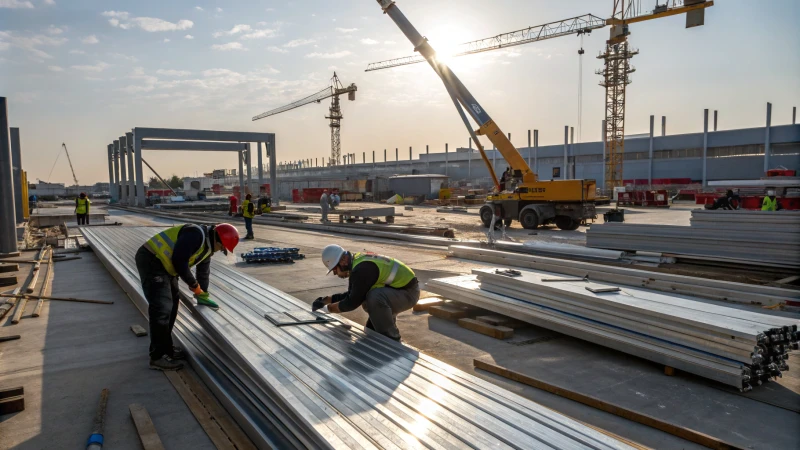
Lightweight yet Strong
Aluminum profiles are renowned for their lightweight characteristics while maintaining a high strength-to-weight ratio. This quality makes them ideal for industrial applications where reducing weight can lead to substantial savings on transportation and installation costs. For example, a lighter structure can facilitate easier handling during construction, reducing labor costs and improving project timelines.
Moreover, the strength of aluminum profiles allows for innovative designs without compromising structural integrity, making them suitable for various industrial applications.
Corrosion Resistance
One of the most significant advantages of aluminum profiles is their natural resistance to corrosion. The oxidation process forms a protective layer on aluminum surfaces, which significantly extends the lifespan of structural elements in harsh environments. Industries that operate in coastal areas or where chemicals are present find aluminum profiles particularly beneficial due to this quality.
This resistance to corrosion not only enhances durability but also minimizes maintenance costs over time.
Economic Efficiency
From an economic standpoint, aluminum profiles offer a cost-effective solution in industrial construction. Their long service life reduces the need for replacements, while low maintenance requirements further cut down on operational expenses. In a competitive industrial landscape, these economic factors are vital for maximizing profitability.
| Feature | Benefit |
|---|---|
| Lightweight | Reduces transportation and handling costs |
| Corrosion Resistance | Lowers maintenance and replacement costs |
| Long Service Life | Enhances overall economic efficiency |
Design Flexibility
Aluminum profiles are highly versatile in design, allowing engineers and architects to create customized solutions tailored to specific project needs. Whether it involves intricate shapes or standard profiles, the adaptability of aluminum facilitates innovation in industrial construction.
This flexibility not only enhances aesthetic appeal but also allows for efficient use of space and materials, contributing to sustainability efforts in construction.
Energy Efficiency
When used in conjunction with insulation materials, aluminum profiles can significantly improve energy efficiency in industrial buildings. For instance, the combination of double-glazed insulated glass with thermal break aluminum frames can greatly reduce heat loss, leading to lower energy consumption and operational costs.
Such energy-efficient designs align with modern sustainability goals, making aluminum profiles a forward-thinking choice for industrial projects.
Conclusion: The Clear Choice for Industrial Construction
The numerous advantages of using aluminum profiles—such as their lightweight nature, corrosion resistance, economic benefits, design flexibility, and energy efficiency—make them a compelling choice for industrial construction projects. With the right design considerations and applications, they can vastly improve the performance and sustainability of industrial facilities.
For further insights on optimizing aluminum profiles for your project, explore advanced design strategies or energy-efficient building practices.
How do I select the right aluminum profile for my project?
Selecting the right aluminum profile can be daunting, but understanding the critical factors will simplify the process. Here’s a comprehensive guide to help you make an informed choice.
To select the right aluminum profile for your project, consider factors like load requirements, environmental conditions, type of profile needed, material properties, and budget constraints.
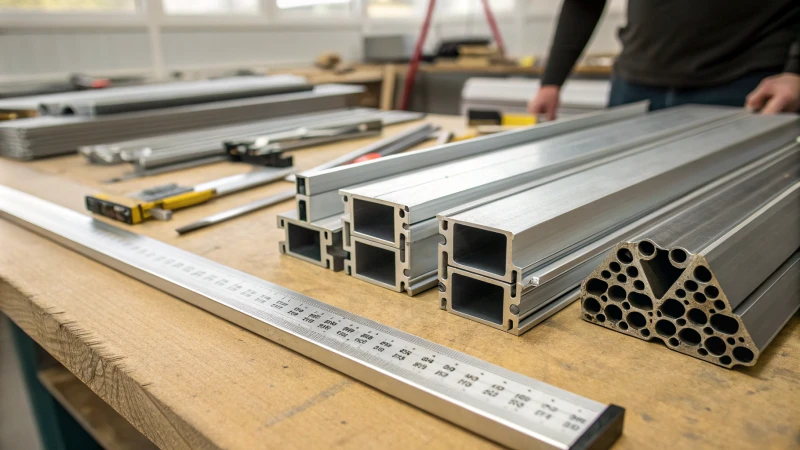
Understanding Your Project Requirements
When selecting the right aluminum profile, start by assessing your project requirements.
Identify key factors such as:
- Load-bearing capacity: Determine how much weight the profile needs to support.
- Environmental conditions: Consider factors like humidity and temperature that may affect material performance.
- Aesthetic preferences: Choose a finish that aligns with your design vision.
These considerations will guide you in making an informed choice regarding the type of aluminum profile needed for optimal performance.
Types of Aluminum Profiles
There are various types of aluminum profiles available, each suited for different applications:
| Profile Type | Description | Common Uses |
|---|---|---|
| Standard | Basic shapes like angles and channels | Structural frames |
| Louvered | Designed for ventilation with adjustable slats | HVAC systems |
| Load-bearing | Reinforced profiles for heavy loads | Equipment platforms |
| Decorative | Aesthetic designs for visual appeal | Interior finishes |
By understanding these types, you can match the profile to your specific application needs.
Load Requirements and Performance
Understanding load requirements is crucial for safety and functionality. Consider the following:
- Static loads: Weight that does not change over time, such as equipment.
- Dynamic loads: Weight that changes, such as moving machinery.
Ensure to calculate the total load to select a profile that can handle it effectively. For more on calculating load capacities, check relevant resources.
Material Properties and Specifications
Choosing the right aluminum alloy is essential for performance. Common alloys include:
| Alloy | Properties | Applications |
|---|---|---|
| 6063 | Good corrosion resistance, weldable | Architectural applications |
| 6061 | High strength, versatile | Structural components |
| 6082 | Excellent machinability, medium strength | Custom fabrication |
Select an alloy based on your project’s specific demands. If you’re interested in aluminum alloy comparisons, there are many resources available.
Cost Considerations
Finally, while quality is paramount, budget constraints can influence your selection. Consider:
- Long-term durability: Invest in higher quality profiles that may save costs on maintenance.
- Supplier pricing: Compare quotes from local and international suppliers to find the best deal.
Evaluating these factors will help ensure you choose an aluminum profile that balances cost and performance effectively.
What are the best practices for maintaining aluminum profiles in industrial environments?
In industrial settings, maintaining aluminum profiles is essential for ensuring their longevity and performance. Here are the best practices for effective maintenance.
To maintain aluminum profiles in industrial environments, implement regular inspections, apply protective coatings, manage environmental factors, and train staff on proper maintenance practices.
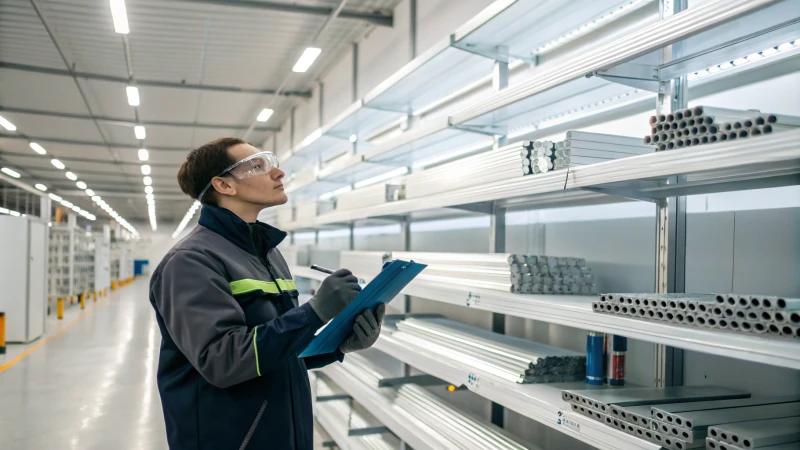
Regular Inspection and Cleaning
Maintaining aluminum profiles in industrial settings begins with routine inspections. Regularly check for signs of wear, corrosion, or damage.
A proactive approach can help identify issues before they escalate. Use non-abrasive cleaners to avoid damaging the aluminum surface.
- Frequency of Inspections: Aim for monthly inspections.
- Cleaning Products: Use mild detergents and soft cloths. Avoid harsh chemicals that can strip the protective oxide layer.
Protective Coatings
Applying protective coatings can significantly enhance the durability of aluminum profiles. These coatings provide an additional barrier against environmental factors such as moisture and chemicals.
- Types of Coatings:
- Anodizing: Increases corrosion resistance and surface hardness.
- Powder Coating: Adds a color finish while protecting against UV rays.
| Coating Type | Benefits | Recommended Environments |
|---|---|---|
| Anodizing | Enhanced corrosion resistance | Humid environments |
| Powder Coating | Aesthetic appeal, UV protection | Outdoor applications |
Addressing Corrosion Risks
To ensure longevity, it’s essential to minimize corrosion risks associated with aluminum profiles. Identify the potential sources of corrosion in your facility, such as:
- Chemicals: Ensure that aluminum profiles are not in contact with corrosive chemicals.
- Moisture: Implement drainage solutions to prevent water accumulation around the profiles.
Consider using corrosion-resistant alloys for environments prone to chemical exposure. The use of corrosion-resistant materials is critical in preventing degradation over time.
Environmental Control
Environmental factors play a significant role in the maintenance of aluminum profiles. Factors to monitor include:
- Humidity Levels: High humidity can accelerate corrosion.
- Temperature Fluctuations: Extreme temperatures can cause expansion and contraction, stressing the material.
Installing climate control systems can help maintain stable conditions within industrial spaces. This may also include insulation techniques to protect the integrity of aluminum profiles.
Training and Awareness
Training staff on proper maintenance practices is vital for preserving aluminum profiles. Include the following in training programs:
- Maintenance Procedures: Document step-by-step procedures for cleaning and inspecting profiles.
- Awareness of Damage: Teach employees how to recognize signs of wear and tear early.
Consider conducting regular workshops or refresher courses to keep maintenance protocols up-to-date. Engaging employees in training programs fosters a culture of care for materials used in production.
Conclusion (not included as per instructions)
How can aluminum profiles improve sustainability in industrial building designs?
Aluminum profiles are revolutionizing sustainability in industrial building designs. But how do they achieve this? Let’s explore their contributions to eco-friendly architecture.
Aluminum profiles improve sustainability in industrial building designs through energy efficiency, recyclability, and low maintenance needs, reducing both environmental impact and operational costs.
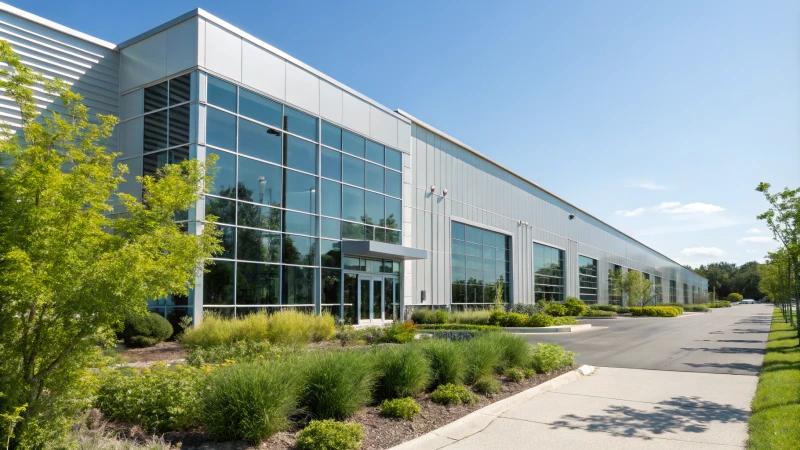
Energy Efficiency and Thermal Performance
Aluminum profiles significantly enhance energy efficiency in industrial buildings.
When designed properly, these profiles can be integrated with insulation materials, leading to reduced heat loss. For example, using double-glazed insulated glass combined with thermal break aluminum frames can optimize thermal performance.
This synergy allows for lower energy consumption, which not only decreases operational costs but also minimizes the environmental footprint of the building.
Consider the following table that summarizes the energy-saving potential of aluminum profiles:
| Feature | Benefit |
|---|---|
| Thermal Break Design | Reduces heat transfer, improving insulation. |
| Lightweight Construction | Lowers material requirements and energy use. |
| Compatibility with Insulation | Enhances overall building energy performance. |
For more insights on integrating aluminum profiles into your designs, check out energy efficiency in construction.
Recyclability and Resource Efficiency
One of the standout features of aluminum is its recyclability. Aluminum can be recycled repeatedly without loss of quality, making it a sustainable choice for industrial applications.
Using recycled aluminum profiles reduces the demand for virgin materials, thereby conserving natural resources and minimizing energy consumption associated with production.
Moreover, as a building material, aluminum profiles contribute to achieving green building certifications. They can help projects gain points in sustainability assessments such as LEED or BREEAM. For instance:
- Recycled Content: Specifying a certain percentage of recycled aluminum can enhance the sustainability profile of a project.
- Long Lifespan: Aluminum’s durability translates to fewer replacements over time, which is crucial for resource conservation.
To explore more about sustainable materials in construction, visit recycling benefits in construction.
Durability and Low Maintenance
Aluminum profiles are known for their durability and resistance to corrosion, which means they require less maintenance over their lifespan.
This quality is especially beneficial in harsh environments where materials are subject to weathering and chemical exposure. By choosing aluminum profiles, companies can:
- Reduce Maintenance Costs: Fewer repairs and replacements mean lower long-term expenses.
- Extend Building Life: Enhanced durability leads to a longer lifespan for industrial facilities, reducing waste.
Consider this overview:
| Aspect | Aluminum Profiles | Traditional Materials |
|---|---|---|
| Corrosion Resistance | High (natural oxide layer) | Varies (often requires coatings) |
| Maintenance Needs | Low (minimal upkeep) | High (frequent maintenance required) |
| Lifespan | Long-lasting (over 50 years) | Generally shorter (20-30 years) |
For additional information on building material longevity, check out material lifespan analysis.
Conclusion
Aluminum profiles enhance industrial building design through their lightweight strength, corrosion resistance, economic efficiency, design flexibility, and energy efficiency, making them ideal for modern construction needs.