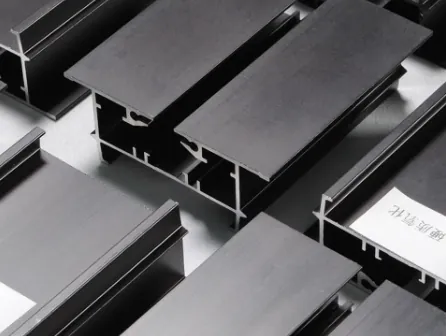
Choosing Surface Treatment For Different Building Environment
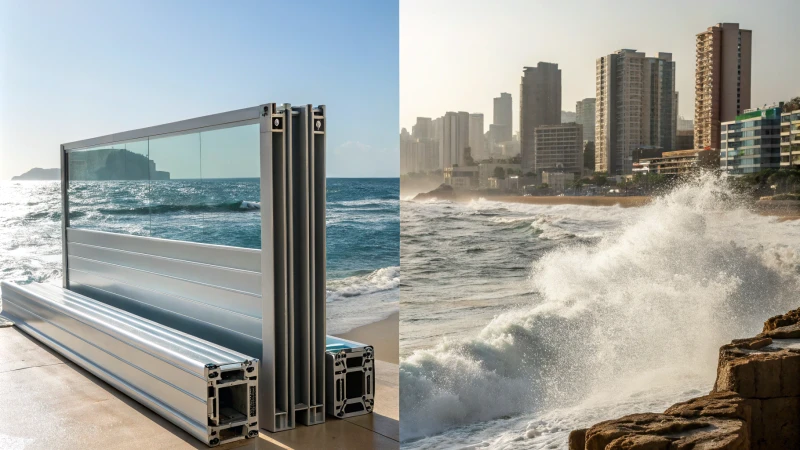
Navigating the complexities of selecting the right surface treatment for aluminum profiles can be daunting, especially in varying building environments.
Selecting the appropriate surface treatment for aluminum profiles depends on environmental factors such as humidity, salinity, and pollution levels. In harsh conditions, treatments like anodizing or powder coating offer enhanced corrosion resistance and weatherability, essential for long-lasting durability.
While a basic understanding of surface treatments can help you make informed decisions, diving deeper into their properties and applications will ensure you choose the most effective solution for your specific environmental needs.
Anodizing improves aluminum's corrosion resistance in salty environments.True
Anodizing creates a protective oxide layer, enhancing corrosion resistance.
Powder coating is ineffective in high-pollution environments.False
Powder coating provides a durable finish, suitable for polluted areas.
What Are the Key Considerations for Surface Treatments in Harsh Environments?
In harsh environments, selecting the right surface treatment for materials can mean the difference between longevity and premature failure. This article explores essential considerations to ensure durability and resistance against challenging conditions.
Key considerations for surface treatments in harsh environments include corrosion resistance, weatherability, and material compatibility. Choosing the right coating or treatment ensures longevity and performance under extreme conditions.
Corrosion Resistance and Material Compatibility
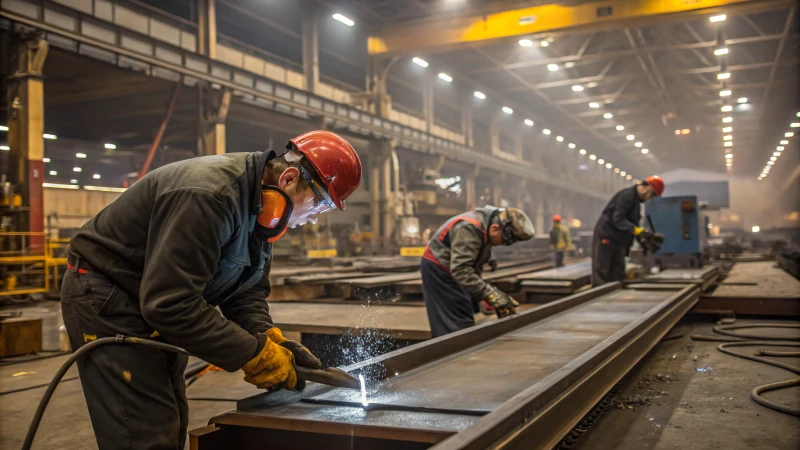
When dealing with harsh environments, one of the primary concerns is corrosion resistance. Environments with high salinity, humidity, or industrial pollutants can rapidly degrade unprotected materials. Surface treatments like anodizing1 or specialized coatings (e.g., polyurethane or epoxy) are crucial for enhancing corrosion resistance. Compatibility between the base material and the selected treatment must be evaluated to prevent adverse reactions.
Evaluating Weatherability of Surface Treatments
Weatherability refers to a material’s ability to withstand environmental factors such as UV radiation, temperature fluctuations, and precipitation. Different surface treatments offer varying degrees of protection:
- Anodizing: Creates a robust oxide layer that provides excellent wear and corrosion resistance.
- Powder Coating: Forms a durable protective layer through high-temperature curing.
Evaluating weatherability involves testing these treatments under simulated environmental conditions to ensure they meet performance requirements.
| Treatment Type | Key Benefits | Suitable Environments |
|---|---|---|
| Anodizing | Corrosion resistance, wear resistance | Coastal areas, industrial zones |
| Powder Coating | Impact resistance, UV protection | Urban settings, outdoor applications |
Practical Application Examples
Implementing the right surface treatment involves understanding practical applications in different environments:
- Coastal Buildings: Utilize anodizing combined with polyurethane coatings for optimal salt spray resistance.
- Industrial Facilities: Apply epoxy resin coatings to resist strong acids or alkaline substances.
For each application, consider the specific environmental threats present and select treatments accordingly.
To gain more insights into choosing appropriate surface treatments, industry-specific guidelines such as those from coastal engineering experts2 can be invaluable. These resources provide detailed analyses of environmental factors affecting material longevity and offer tailored solutions based on project needs.
Anodizing provides excellent UV protection.False
Anodizing offers corrosion and wear resistance, not UV protection.
Epoxy coatings resist strong acids.True
Epoxy coatings are effective against acidic environments.
How Do Different Surface Treatment Technologies Compare in Weather Resistance?
Understanding how surface treatments enhance weather resistance is essential for ensuring material longevity and performance in various environments.
Different surface treatment technologies offer varying degrees of weather resistance, with anodizing and powder coating being notable for their durability against environmental elements. Evaluating these technologies involves assessing their performance in UV exposure, humidity, and temperature variations.
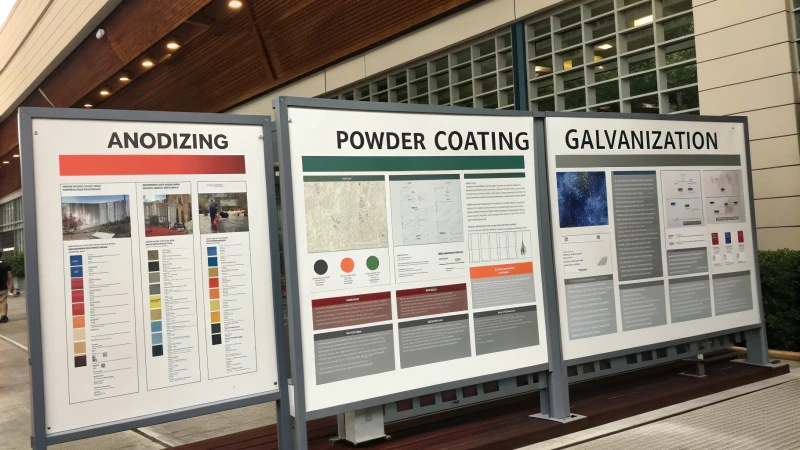
Anodizing vs. Powder Coating
Anodizing creates a thick, protective oxide layer on aluminum, providing excellent corrosion and wear resistance. This technology performs well in high humidity3 and industrial environments where oxidation is a concern.
Powder coating, involving electrostatically applied powder cured under heat, forms a robust layer. It offers remarkable protection against UV radiation, making it ideal for outdoor applications where sun exposure is constant.
| Technology | Corrosion Resistance | UV Protection | Ideal Environments |
|---|---|---|---|
| Anodizing | High | Moderate | Industrial, Marine |
| Powder Coating | Moderate | High | Outdoor, Coastal |
Performance Under Extreme Conditions
In environments like marine areas, aluminum profiles face challenges such as salt spray corrosion. Anodizing can be combined with polyurethane coatings4 to enhance resilience against such harsh conditions.
For industrial facilities, where exposure to acids or alkalis is common, epoxy resin coatings offer superior chemical resistance. This makes them suitable for applications in chemical plants or similar settings.
Case Studies: Real-World Applications
- Coastal Buildings: Here, a combination of anodizing and polyurethane coatings effectively withstands the corrosive effects of salt spray.
- Industrial Facilities: Epoxy coatings combat strong acid or alkali conditions, ensuring the structural integrity of aluminum profiles.
These examples illustrate how selecting the right surface treatment based on environmental challenges can significantly enhance weather resistance. Exploring different technologies provides insights into optimizing material performance for specific conditions.
For further details on surface treatment technologies, consider exploring weather resistance of coatings5 to understand their comprehensive benefits and limitations in various settings.
Anodizing offers high UV protection for outdoor use.False
Anodizing provides moderate UV protection, not high, suitable for industrial environments.
Powder coating excels in UV protection for outdoor applications.True
Powder coating is ideal for outdoor use due to its high UV resistance.
What Corrosion Resistance Solutions Are Available for Special Environments?
Navigating the challenges of special environments requires robust corrosion resistance strategies. Let’s delve into the best solutions tailored for these demanding conditions, ensuring long-lasting protection and performance.
For special environments, such as marine or industrial areas, corrosion resistance solutions include anodizing, special coatings like epoxy, and composite materials. These techniques enhance durability against harsh environmental factors.
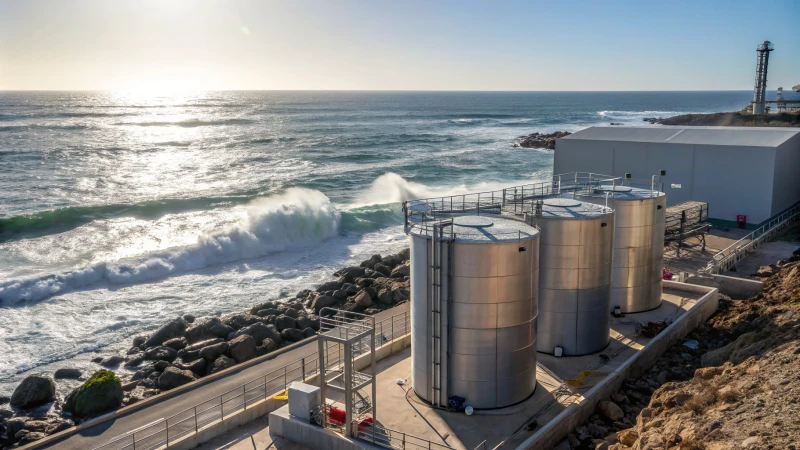
Understanding Corrosion Challenges in Special Environments
Special environments, like coastal or chemical zones, pose unique threats to materials. High humidity, salinity, and industrial pollution can accelerate corrosion. Understanding these challenges is crucial for selecting effective corrosion resistance solutions6.
Anodizing: A Proven Technique
Anodizing enhances the natural oxide layer on metals like aluminum, providing superior corrosion resistance. This process involves immersing the metal in an acid electrolyte bath and passing an electric current through it. Anodized surfaces are not only more durable but also aesthetically pleasing.
| Benefits of Anodizing | Description |
|---|---|
| Enhanced Durability | Provides a hard surface. |
| Improved Aesthetics | Allows for color options. |
| Environmental Resistance | Withstands weathering. |
Special Coatings: Tailored Protection
Special coatings, such as epoxy and polyurethane, offer excellent protection against salt spray and chemicals. These coatings form a barrier that shields the underlying material from harsh elements.
- Epoxy Coatings: Known for their strong adhesion and chemical resistance, ideal for industrial applications.
- Polyurethane Coatings: Offer flexibility and UV resistance, suitable for outdoor use.
Explore special coatings7 for diverse applications.
Composite Materials: Combining Strengths
Composite materials merge different components to create a hybrid product with superior properties. For example, combining aluminum with stainless steel can significantly enhance overall structural integrity and resistance to corrosion.
Practical Examples Across Industries
- Marine Industry: Utilizing anodizing with polyurethane coatings to combat saltwater corrosion.
- Chemical Plants: Implementing epoxy resin coatings to withstand acidic or alkaline environments.
Each application requires understanding the specific environmental threats and selecting the appropriate corrosion-resistant materials8 to mitigate risks effectively.
These strategies offer a comprehensive approach to dealing with corrosion in special environments, ensuring durability and reliability of materials over time.
Anodizing improves metal aesthetics and durability.True
Anodizing enhances metal surfaces, offering color options and hardening.
Composite materials are unsuitable for corrosion resistance.False
Composites combine materials for enhanced strength and corrosion resistance.
Can Practical Cases Illustrate Effective Surface Treatments in Real-World Scenarios?
Surface treatments are critical in various industries, ensuring materials withstand environmental challenges. Real-world scenarios provide insight into their effectiveness, guiding professionals in choosing optimal solutions.
Practical cases reveal how different surface treatments perform in diverse environments, such as coastal areas or industrial settings. These examples highlight the treatments’ efficacy in enhancing material durability and longevity.
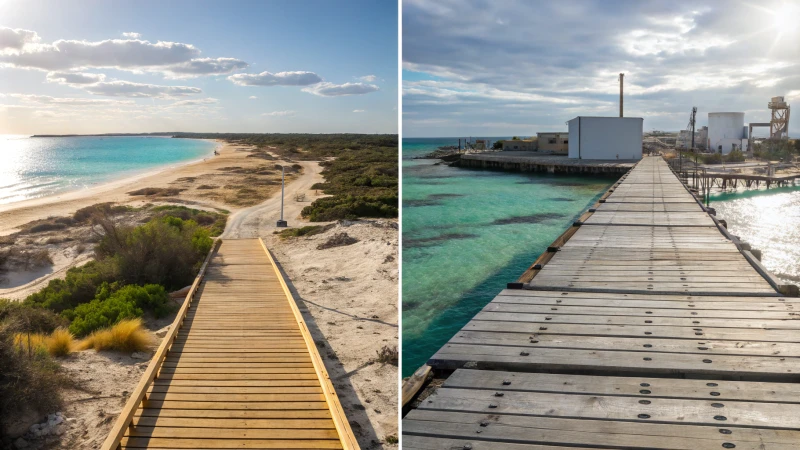
Surface Treatment in High-Humidity Environments
In high-humidity areas, surface treatments must combat moisture-induced corrosion. Anodizing and moisture-resistant coatings are often employed to protect aluminum profiles. Studies9 show that combining these methods significantly reduces corrosion rates, ensuring longevity.
Coastal Building Solutions
Coastal environments require surface treatments to resist salt spray corrosion. A practical example involves using anodizing combined with polyurethane coatings. This method effectively protects aluminum structures in coastal areas, extending their lifespan and maintaining aesthetic appeal.
| Surface Treatment | Environment | Outcome |
|---|---|---|
| Anodizing + Polyurethane | Coastal Areas | Enhanced Corrosion Resistance |
| Epoxy Coatings | Industrial Facilities | Chemical Resistance |
Industrial Facility Challenges
Industrial facilities face unique challenges due to strong acid or alkali exposure. Epoxy resin coatings offer a robust solution, effectively protecting against chemical damage. Real-world implementations have demonstrated their effectiveness10 in maintaining structural integrity under harsh conditions.
Weather Resistance Techniques
Weather resistance is crucial for outdoor structures. Surface treatment technologies like powder coating provide durable protection against UV exposure and temperature fluctuations. These treatments have been tested in various climates, proving their ability to withstand environmental stressors over time.
For instance, anodizing creates a robust oxide layer that not only resists wear but also enhances corrosion resistance. Research11 has shown its effectiveness across diverse applications, from architectural facades to transportation equipment.
Practical applications of these surface treatments are essential for professionals seeking to improve the durability and functionality of their products across different environments.
Anodizing reduces corrosion in high-humidity areas.True
Anodizing forms a protective oxide layer that combats moisture-induced corrosion.
Epoxy coatings are ineffective in industrial facilities.False
Epoxy coatings provide chemical resistance, protecting against acid and alkali exposure.
Conclusion
Selecting the right surface treatment for aluminum profiles is crucial for durability in harsh environments, focusing on corrosion resistance, weatherability, and material compatibility to ensure longevity.
-
Anodizing enhances corrosion resistance by creating a protective oxide layer, making it ideal for harsh environments. ↩
-
Guidelines from coastal engineering experts provide tailored solutions for material longevity in challenging coastal environments. ↩
-
Discover why anodizing excels in high humidity areas, offering corrosion resistance and durability. ↩
-
Learn how polyurethane coatings enhance protection against marine environment challenges like salt spray. ↩
-
Gain insights into how different coatings perform against weather elements like UV rays and moisture. ↩
-
Learn about various corrosion resistance methods, including anodizing and coatings, suitable for challenging environments. ↩
-
Discover why special coatings are essential for protecting materials in harsh environments. ↩
-
Find examples of materials designed to resist corrosion effectively in demanding conditions. ↩
-
Explore how moisture-resistant coatings are used to protect materials in humid conditions, ensuring longevity and durability. ↩
-
Understand how epoxy resin coatings provide chemical resistance in industrial settings, enhancing material protection. ↩
-
Learn about the versatility and effectiveness of anodizing in protecting materials across various industries. ↩