How Do Aluminium Profiles Enhance Green Building Design?
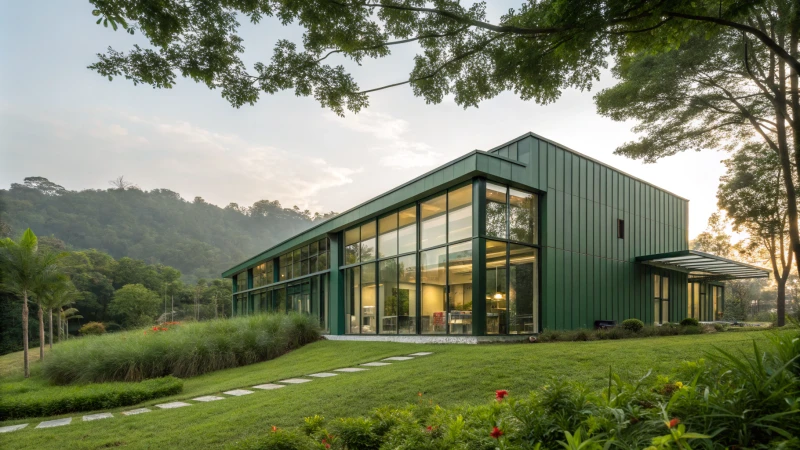
Aluminium profiles are fast becoming a cornerstone of modern green building design.
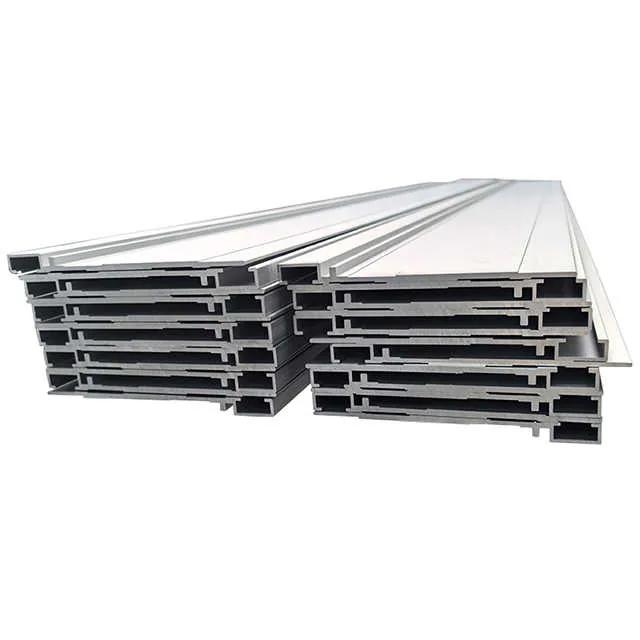
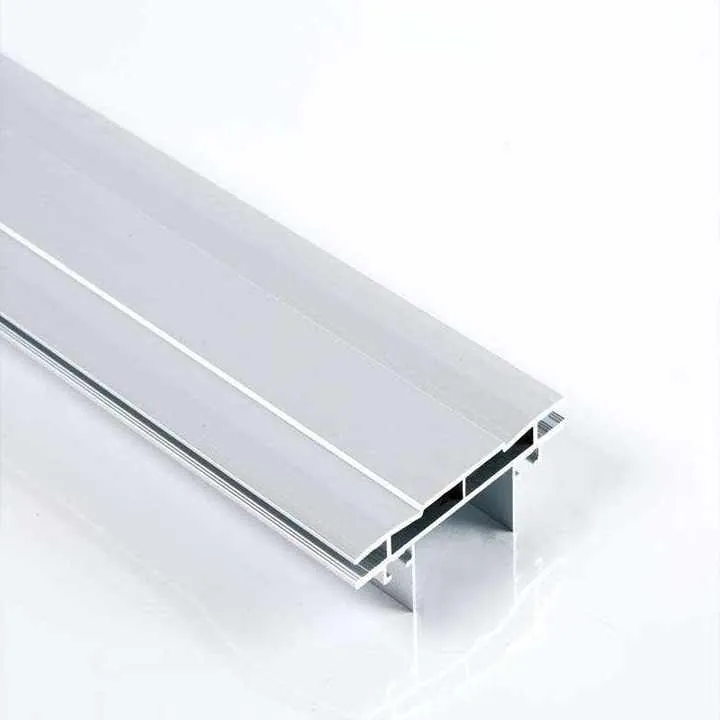
Aluminium profiles enhance green building design by providing excellent thermal insulation, high strength-to-weight ratio, and recyclability. These properties allow for larger glazing areas, improved natural lighting, and reduced energy consumption, making them ideal for sustainable architecture.
Beyond their basic functionality, aluminium profiles offer significant advantages in terms of energy efficiency, sustainability, and architectural versatility. Continue reading to explore how these benefits translate into practical applications and future trends in eco-friendly construction.
Aluminium profiles improve thermal insulation in buildings.True
Aluminium profiles are designed to enhance thermal insulation, reducing energy loss.
Aluminium profiles are not recyclable.False
Aluminium is highly recyclable, making it a sustainable building material.
What Makes Aluminium Profiles Ideal for Energy Efficiency?
Aluminium profiles are revolutionizing energy efficiency in modern buildings. Their unique properties contribute significantly to reducing energy consumption, making them a preferred choice in sustainable construction.
Aluminium profiles enhance energy efficiency through lightweight strength, superior thermal insulation, and recyclability. They support sustainable construction by maximizing natural light and minimizing energy loss in buildings.
Lightweight Strength and Design Flexibility
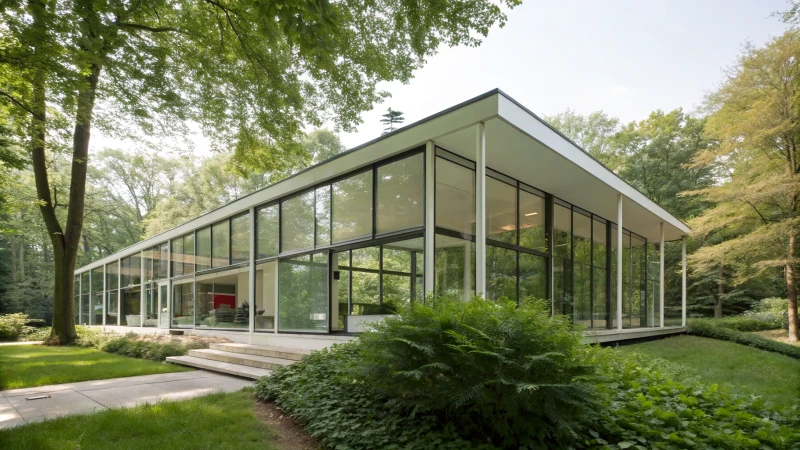
Aluminium’s lightweight yet strong nature allows for versatile architectural designs. This flexibility leads to larger glazing areas, enhancing natural lighting and reducing reliance on artificial sources. The high albedo effect1 of aluminium reflects sunlight, reducing cooling costs in summer.
| Property | Benefit |
|---|---|
| Lightweight | Easier transport and installation |
| High Strength | Structural integrity with less material |
Superior Thermal Insulation
Aluminium profiles are often paired with insulating glass, significantly improving a building’s thermal performance. This combination reduces heat transfer, maintaining comfortable indoor temperatures with minimal energy use. For example, insulating glass2 enhances thermal efficiency by trapping air between layers, acting as a barrier against temperature fluctuations.
- Thermal Breaks: Inserts that improve insulation by disrupting the path of heat transfer.
- Glazing Options: Multiple layers of glass can further reduce energy loss.
Recyclability and Sustainability
Aluminium’s recyclability aligns with sustainable development goals, closing the resource loop by reducing waste and the need for new materials. Recycled aluminium profiles have similar properties to new ones, supporting eco-friendly construction without compromising quality.
Recycling aluminium3 reduces environmental impact and production costs, which is vital for sustainable practices in the construction industry.
Case Studies in Green Buildings
- Beijing Zhongyi Tsinghua Environment Building: Utilizes aluminium curtain walls for optimal light and thermal performance.
- HSBC Tower, Hong Kong: Features corrosion-resistant aluminium with low maintenance costs.
These examples illustrate how aluminium profiles are integral to green building initiatives, promoting efficiency and sustainability through innovative design solutions. Green building4 standards are increasingly incorporating aluminium profiles due to their multifaceted benefits.
Aluminium profiles improve thermal insulation in buildings.True
Paired with insulating glass, aluminium profiles reduce heat transfer, enhancing thermal efficiency.
Recycled aluminium has inferior properties to new aluminium.False
Recycled aluminium retains similar properties to new, supporting eco-friendly construction.
How Does the Recycling of Aluminium Contribute to Sustainability?
Aluminium recycling plays a crucial role in sustainability by reducing energy consumption, minimizing greenhouse gas emissions, and conserving natural resources. Discover how this process supports environmental and economic goals.
Recycling aluminium significantly reduces energy usage, as it requires only 5% of the energy needed for primary production. This process also cuts CO2 emissions by 95%, making it a key component in sustainable resource management.

The Energy Efficiency of Aluminium Recycling
Recycling aluminium is a highly energy-efficient process. Producing new aluminium from recycled material uses merely 5% of the energy required for creating it from raw bauxite. This massive reduction in energy consumption makes aluminium recycling an eco-friendly option.
| Production Method | Energy Consumption |
|---|---|
| Primary Production | 100% |
| Recycling | 5% |
This efficiency not only conserves energy but also reduces the overall carbon footprint, contributing to sustainable development5.
Environmental Benefits: Reduction in Emissions
The environmental impact of aluminium recycling extends beyond energy savings. By recycling, we cut down CO2 emissions by up to 95%. This significant decrease helps in combating climate change and supports global emission reduction targets.
Moreover, the recycling process minimizes the need for mining, which is a major source of environmental degradation. Fewer mining activities lead to reduced deforestation and habitat destruction, preserving biodiversity and ecosystems.
Economic Advantages of Recycling Aluminium
Recycling aluminium is not only environmentally friendly but also economically advantageous. It reduces costs associated with raw material extraction and processing. Recycled aluminium can be used in various industries, from construction to automotive, offering a cost-effective alternative to new material.
The economic viability of recycling is further enhanced by its role in reducing landfill waste, saving on disposal costs, and contributing to the circular economy. This economic aspect makes aluminium recycling an attractive option for businesses aiming for sustainable growth6.
Aluminium Recycling in Action: Case Studies
Several industries have successfully integrated aluminium recycling into their processes. For instance, many automotive manufacturers utilize recycled aluminium to produce lightweight vehicles that are more fuel-efficient. This approach not only reduces manufacturing costs but also supports environmental sustainability by lowering emissions.
In the construction sector, recycled aluminium is frequently used in building materials like window frames and curtain walls. This application helps in conserving resources while maintaining structural integrity and enhancing energy efficiency.
Learn more7 about how various sectors are benefiting from aluminium recycling and contributing to a sustainable future.
Recycling aluminium uses 5% of the energy of primary production.True
Recycling aluminium is energy-efficient, using only 5% compared to new production.
Recycling aluminium increases CO2 emissions by 95%.False
Recycling actually reduces CO2 emissions by 95%, aiding sustainability.
What Are the Cost Benefits of Using Aluminium in Construction?
Aluminium is a popular choice in construction due to its cost-effective attributes, offering durability, low maintenance, and energy efficiency. But what exactly makes aluminium so economically advantageous compared to other materials in construction?
Aluminium provides significant cost benefits in construction through its lightweight nature, which reduces transportation and structural costs. Its recyclability lowers long-term expenses, while energy efficiency features cut utility costs over a building’s lifetime.
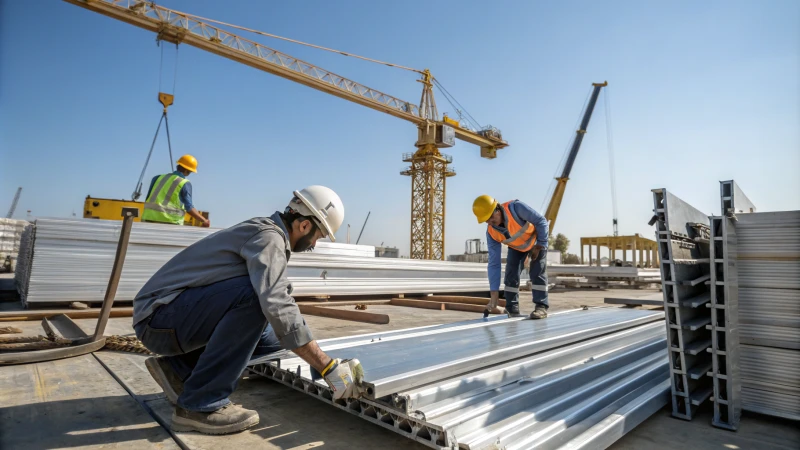
Lightweight and Durable: A Winning Combination
Aluminium’s lightweight nature translates into reduced transportation and handling costs. For example, when compared to steel, aluminium is about one-third the weight, allowing for easier installation and less structural support. This reduction in weight can decrease foundation costs8, especially in large-scale projects.
Furthermore, aluminium’s durability minimizes repair and maintenance costs. Unlike wood or steel, it does not rust or rot, ensuring longevity with little upkeep.
Energy Efficiency Boosts Savings
Aluminium’s thermal properties contribute to energy savings. Its high reflectivity helps in reflecting sunlight, which can reduce cooling costs9 in warmer climates. Additionally, when paired with proper insulation, aluminium frames can significantly improve a building’s energy efficiency.
Recyclability Reduces Long-Term Costs
Aluminium is 100% recyclable without degradation of its properties. This feature offers a dual benefit: reducing the environmental impact and lowering material costs. For instance, recycled aluminium requires only 5% of the energy compared to primary production, leading to significant cost savings.
A simple table illustrates the energy savings of recycling aluminium:
| Process | Energy Requirement (%) |
|---|---|
| Primary Production | 100 |
| Recycling | 5 |
This table highlights the substantial energy efficiency of using recycled aluminium over new production.
Versatility and Customization Options
The versatility of aluminium allows for various applications in construction. Its ability to be easily extruded into different shapes means it can be tailored for specific design requirements. This customization can reduce additional material costs, as bespoke designs can maximize space usage10 efficiently.
Moreover, aluminium’s compatibility with other materials enhances its utility in mixed-material projects, often leading to better overall cost management.
By understanding these facets, construction projects can leverage aluminium to achieve both immediate and long-term economic advantages.
Aluminium is one-third the weight of steel.True
Aluminium's lightweight nature reduces transportation and structural support costs.
Recycled aluminium requires 50% energy of primary production.False
Recycled aluminium uses only 5% of the energy compared to primary production.
Can Aluminium Profiles Meet Future Green Building Standards?
Aluminium profiles are gaining attention in the green building sector for their potential to meet future sustainability standards. But can they truly fulfill these requirements? Let’s explore their benefits and challenges in this evolving landscape.
Aluminium profiles can meet future green building standards due to their recyclability, lightweight nature, and energy efficiency. They enhance natural lighting and thermal insulation, contributing to sustainable construction practices.
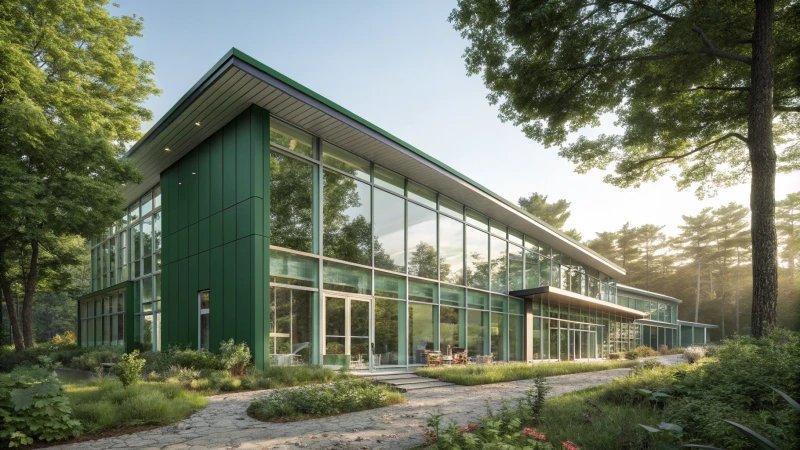
The Benefits of Aluminium Profiles
Aluminium profiles offer several advantages in the context of green building standards11. Their lightweight nature reduces the overall load on building structures, which can lower construction costs and improve energy efficiency. For instance, using aluminium frames allows for larger glass panels, increasing natural light penetration and reducing the need for artificial lighting.
Recyclability: Closing the Loop
One of the standout features of aluminium is its recyclability. It can be reprocessed multiple times without losing its quality. This characteristic aligns with sustainable development goals, helping reduce waste and conserve resources. For example, dismantled aluminium components from buildings can be recycled into new materials, supporting a circular economy.
| Feature | Benefit |
|---|---|
| Lightweight | Reduces structural load |
| High Strength | Supports large glazing areas |
| Recyclability | Promotes sustainable practices |
Challenges to Consider
Despite these benefits, there are challenges in ensuring aluminium profiles meet all aspects of green building standards. One issue is the energy-intensive process of aluminium production12. However, innovations in manufacturing processes are reducing emissions and improving efficiency.
Additionally, while aluminium enhances thermal insulation when combined with insulating glass, it may not perform as well as other materials in extreme climates without additional modifications.
Real-world Applications and Innovations
Several green buildings have successfully integrated aluminium profiles to meet stringent sustainability criteria. For instance, Beijing Zhongyi Tsinghua Environment and Energy Saving Building uses aluminium curtain walls to optimize lighting while enhancing thermal insulation.
These examples illustrate how aluminium can play a crucial role in sustainable architecture. However, continuous innovation and adaptation are needed to fully align with future standards.
For more insights on aluminium’s role in sustainable construction, explore successful case studies13 from around the world.
Aluminium profiles reduce building construction costs.True
Lightweight aluminium reduces structural load, lowering costs.
Aluminium performs best in extreme climates without modifications.False
Aluminium needs modifications for thermal insulation in extreme climates.
Conclusion
Aluminium profiles enhance green building design through thermal insulation, energy efficiency, and recyclability, promoting sustainable architecture with improved natural lighting and reduced energy consumption.
-
Discover how the albedo effect of materials like aluminium can reduce building cooling costs. ↩
-
Learn how insulating glass enhances thermal performance and reduces energy loss. ↩
-
Explore the environmental and economic advantages of recycling aluminium in construction. ↩
-
See real-world applications of aluminium profiles in sustainable construction projects. ↩
-
This link explores how aluminium recycling contributes to sustainable development by conserving energy and resources. ↩
-
This link provides insights into the economic benefits of aluminium recycling, including cost savings and contributions to a circular economy. ↩
-
Discover case studies of industries utilizing recycled aluminium, showcasing practical benefits and sustainability efforts. ↩
-
Learn how aluminum’s lightweight nature can lead to lower foundation costs by reducing the need for heavy structural support. ↩
-
Explore how aluminum’s reflective properties help reduce cooling costs, offering substantial savings on energy bills. ↩
-
Discover how customizable aluminum designs can optimize space usage, leading to better cost efficiency in construction. ↩
-
Explore how aluminium profiles align with green building standards through energy efficiency and recyclability. ↩
-
Learn about energy consumption in aluminium production and recent innovations to reduce environmental impact. ↩
-
Discover real-world examples of aluminium profiles used successfully in sustainable architecture. ↩