What Types of Aluminum Tubes Require Bending?
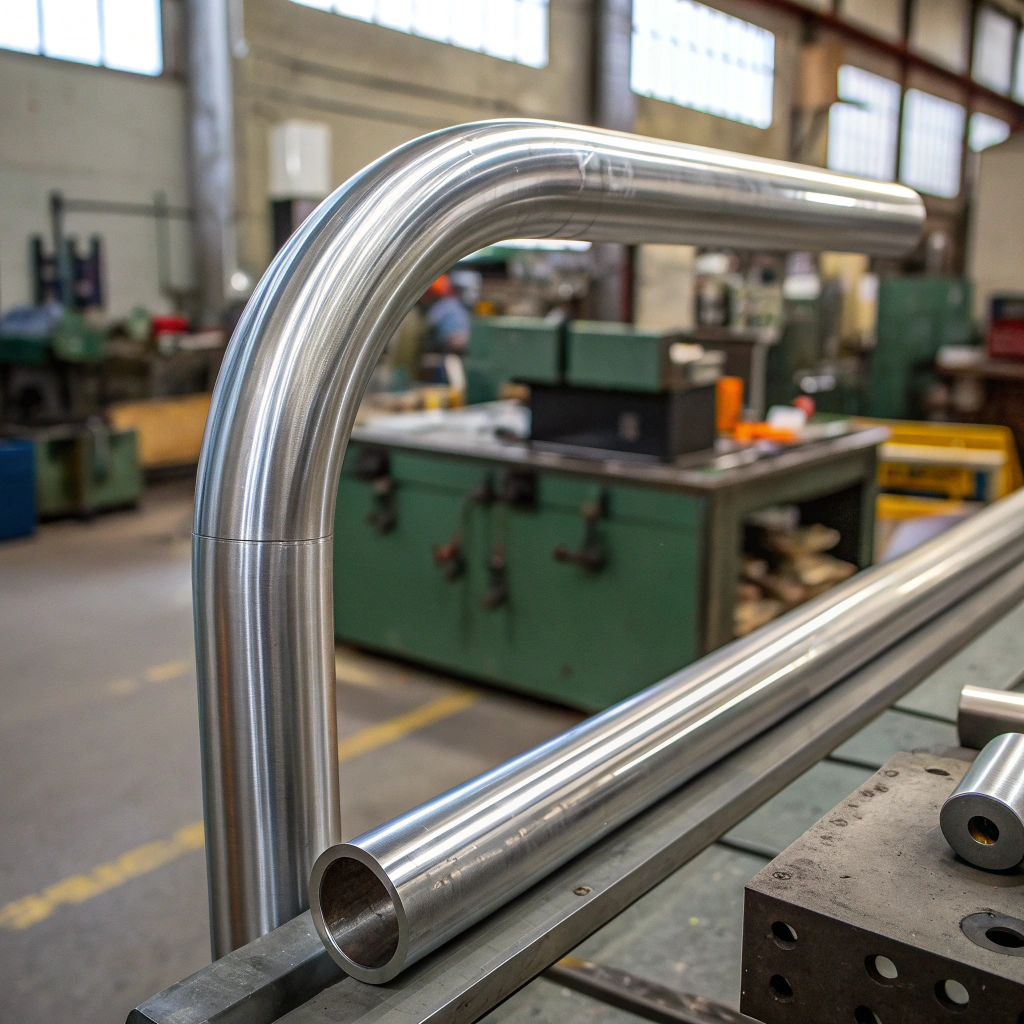
Sometimes a straight tube just won’t work. I’ve faced designs needing curves, loops, or precise angles. That’s when tube bending becomes essential.
Aluminum tube bending is needed when designs call for complex shapes, tight spaces, or seamless transitions.
Keep reading and I’ll show how to pick the right bend method and ensure quality.
What Types of Aluminum Tubes Require Bending?
Tubes used in simple frames differ greatly from those used in heating systems or furniture. Not every tube bends the same.
Tubes for structural frames, fluid systems, railing, and custom profiles often require bending to meet design or installation needs.

Think about the tubes I’ve worked with:
Structural Building Tubes
Used in railings, supports, and frames. They need custom angles or curves to fit building layouts.
Fluid Transport Tubes
Used in A/C, hydraulic systems, or coolant lines. They need smooth bends to keep flow steady.
Architectural & Furniture Tubes
Used in handrails, lighting fixtures, tables. They must look good and fit design specifications.
Custom Profiled Tubes
Used for machinery guards, ergonomic handles, or complex applications. Mostly bend specialty cross-sections to precise specs.
Here is a quick overview:
| Tube Type | Typical Uses | Bend Needs |
|---|---|---|
| Structural Tubes | Railings, frames | Custom angles, flush installation |
| Fluid Tubes | HVAC, hydraulics, coolant lines | Smooth curves, no kinks |
| Architectural Tubes | Furniture, design fixtures | Visual quality, consistent radius |
| Custom Profiles | Industrial or ergonomic parts | Precise curves, matching profiles |
Structural tubes often need custom bending to match building layouts.True
Structural tubes like handrail supports often must bend to fit stairs, walls, and other building dimensions.
Fluid transport tubes can be bent sharply without affecting flow.False
Sharp bends in fluid tubes can cause turbulence, pressure drop, or blockage. Smooth radius is important.
What Bending Techniques Are Used in Aluminum Tube Services?
Getting a clean bend without flattening or wrinkling takes the right tools. Experience and technique matter — especially with aluminum.
Common techniques include mandrel bending, roll bending, press bending, and heat-assisted methods to preserve tube shape and integrity.

Here’s how those techniques work:
Mandrel Bending
Uses an internal mandrel to support the tube. Ideal for tight bends and thin-walled tubes. Prevents wrinkles and collapse.
Roll Bending
Feeding the tube between rolls creates smooth large-radius curves. Best for gentle arcs and longer lengths.
Press Bending
A die presses the tube into shape. Good for simple, large-angle bends. Fast, but may need post-bend touch-up.
Heat-Assisted Bending
Applies heat to soften tube. Used for tougher alloys or complex bends. Prevents cracks and reduces spring-back.
| Technique | Best For | Advantages |
|---|---|---|
| Mandrel Bending | Tight, thin tube bends | Smooth finish, no deformation |
| Roll Bending | Large radii, longer pieces | Efficient, minimal tooling |
| Press Bending | High volume, simple angles | Fast, repeatable |
| Heat-Assisted | Hard alloys, complex shapes | Prevents surface issues, precise |
Mandrel bending is best for tight, thin-walled tubes.True
Internal mandrel supports the tube during bending, preventing kinks or wrinkles in tight bends.
Press bending is best suited for large-radius curves.False
Press bending suits single-angle bends, not smooth or large-radius curves. Roll bending is better for those.
How to Calculate the Minimum Bend Radius for Aluminum Tubes?
Bending aluminum too tightly can cause kinks or cracks. The right minimum bend radius keeps the tube strong and functional.
Minimum bend radius depends on tube diameter, wall thickness, and alloy. Rule of thumb: diameter times factor like 2–4, adjusted for alloy hardness.
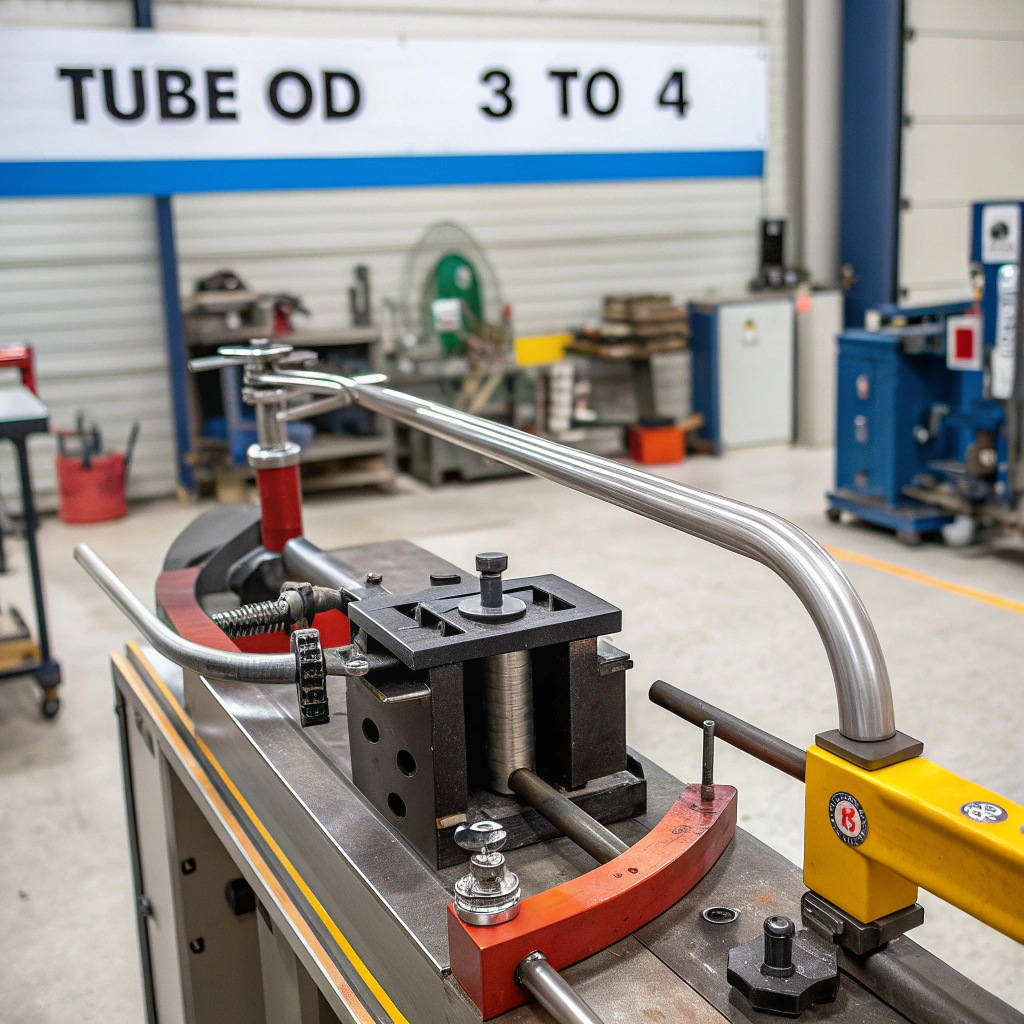
Here’s how I calculate it:
1. Know Tube Specs
Start by identifying the tube’s outer diameter (OD), wall thickness, and alloy type, such as 6063-T5 or 6061-T6.
2. Apply Basic Radius Rules
You can use these general formulas:
-
For soft aluminum alloys (e.g., 6063-T5):
Minimum Bend Radius = Tube OD × 2 -
For hard aluminum alloys (e.g., 6061-T6):
Minimum Bend Radius = Tube OD × 3 to 4
These provide a reliable starting point. Then refine based on wall thickness and specific bend method.
3. Adjust for Wall Thickness
Thin walls collapse more easily. Use larger radii or support tools. Thick walls handle tighter bends.
4. Consider Alloy Behavior
Harder alloys resist bending. They may need heat treatment or special dies to bend without cracking.
5. Always Test
Make a test bend and measure radius and wall deformation. Make changes if cracks or wrinkles appear.
| Alloy Grade | Soft/Hard | Radius Factor |
|---|---|---|
| 6063-T5 | Soft | ×2 OD |
| 6061-T6 | Hard | ×3–4 OD |
Minimum bend radius is often set at twice the tube diameter for softer alloys.True
Softer alloys like 6063 allow bends at a minimum radius of about 2× tube diameter without damage.
Hard alloys always use the same bend radius as soft materials.False
Harder alloys require a larger minimum radius to avoid cracking or deformation.
What Quality Checks Ensure Accurate Tube Bending?
Good bending is precise and consistent. Poor control means crooked parts or structural failure.
Quality checks include visual inspection, dimensional measurement, wall thickness check, scratch or crack detection, and fit tests against jigs or drawings.

Here’s how I ensure quality:
Visual Inspection
Check bends for scratches, wrinkles, or paint damage. Look for surface cracks or flattening.
Dimensional Check
Measure angle, radius, and length. Compare them to design specs or templates.
Wall Thickness Check
Use ultrasonic gauge or micrometer to ensure walls did not thin out too much at the bend.
Fit and Function Test
Put bent tube into jig or assembly to check alignment, fit, and clearance.
Crack Detection
For critical parts, use dye penetrant or ultrasonic NDT to spot hidden cracks.
| Inspection Type | Tool or Method | What It Checks |
|---|---|---|
| Visual Inspection | Eyes or magnifier | Surface defects, wrinkles, mishape |
| Dimensional Measurement | Template, protractor, caliper | Angle, length, radius accuracy |
| Wall Thickness Check | Ultrasonic gauge, micrometer | Consistent thickness at bend |
| Fit Test | Jig or assembly | Alignment, clearances, fit issues |
| NDT (Crack Detection) | Dye penetrant, ultrasound | Invisible cracks or structural faults |
Ultrasonic testing can detect wall thinning after bending.True
Ultrasonic measurement helps confirm that tube wall thickness stays within tolerance after bending.
Visual inspection is sufficient to catch all defects in bent tubes.False
Some defects like internal cracks or delamination may not show on the surface and need NDT for detection.
Conclusion
Aluminum tube bending handles curved tubes in structures, fluids, architecture, and custom shapes. Methods like mandrel or roll bending help preserve tube strength. Calculating minimum radius uses diameter, alloy, and thickness. Plus, quality checks make sure bends stay accurate, strong, and fit properly.