Brushed vs. Satin Finish Stainless Steel?
When I first started working with stainless steel, I assumed brushed and satin were just marketing terms. But I was wrong. Choosing between them can seriously affect how a product looks, performs, and ages over time.
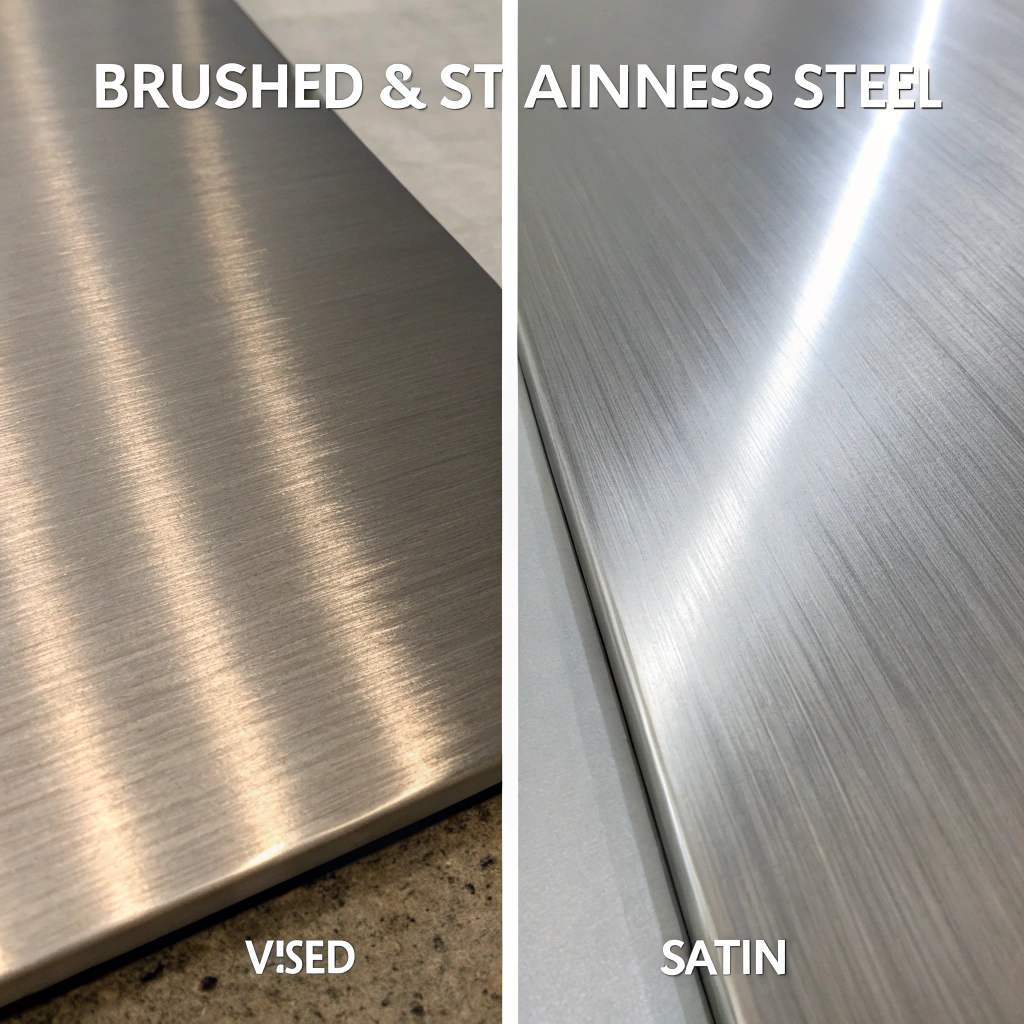
Brushed stainless steel hides fingerprints better and looks rugged, while satin offers a smoother, more elegant finish ideal for decorative use.
If you’re deciding which finish fits your project, this guide will help you understand the difference, where each works best, and how to choose wisely.
Which Finish Hides Fingerprints Better?
I remember installing brushed stainless handles in a client’s kitchen remodel. Months later, she told me the best part was not having to constantly wipe them.
Brushed stainless steel is far better at hiding fingerprints than satin. The texture diffuses light and masks smudges.
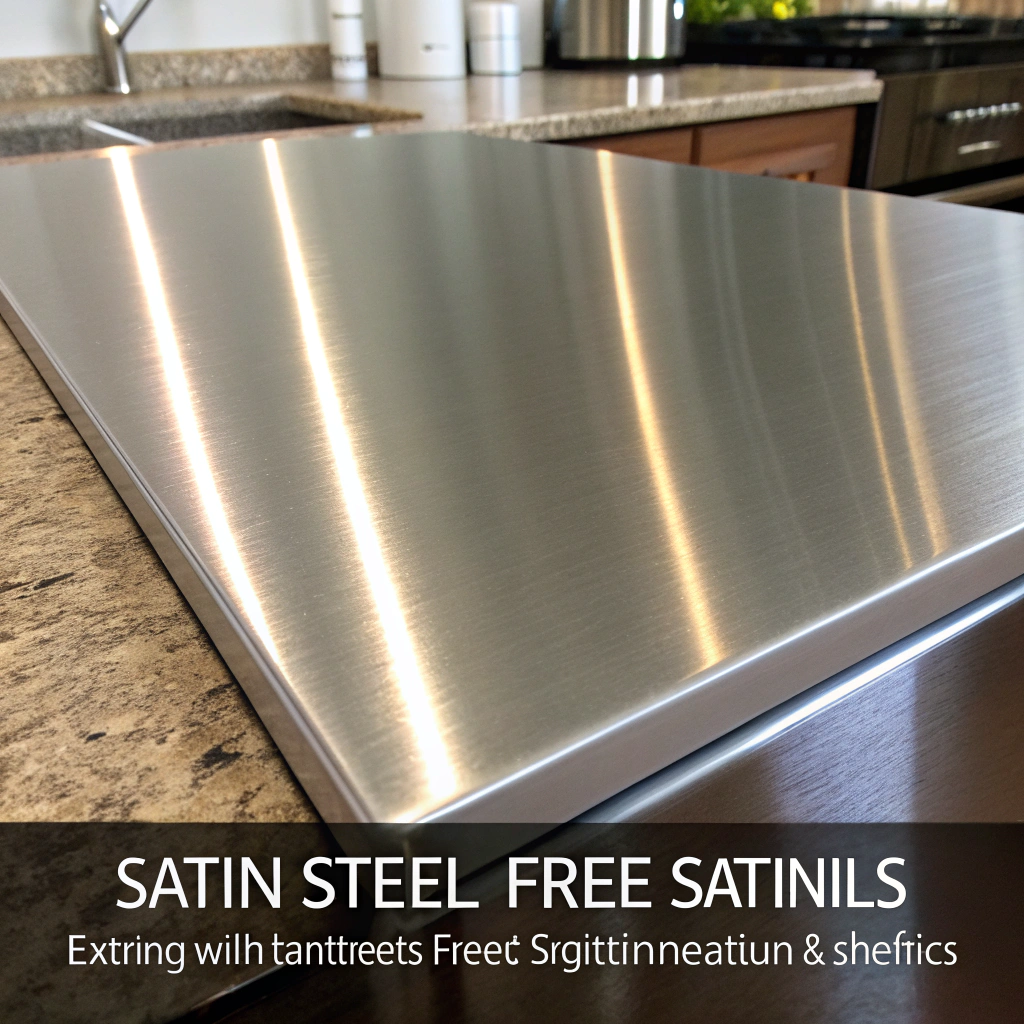
Stainless steel shows marks easily. But the finish type determines how visible those marks are.
Why Brushed Hides Fingerprints Better
- Surface Texture: Brushed steel has fine parallel lines. These lines scatter light and reduce the shine. That hides smudges, water spots, and fingerprints.
- Matte Look: Brushed finishes are less reflective, so even when oils from fingers touch the surface, they don’t shine as clearly.
- Wear and Tear: Scratches on brushed finishes blend in with the grain. On satin, they stand out.
Satin Finish and Fingerprints
Satin steel looks cleaner and smoother. But that smoothness reflects light evenly. This makes fingerprints more obvious, especially under natural or overhead lighting.
Here’s a quick comparison:
| Feature | Brushed Stainless | Satin Stainless |
|---|---|---|
| Fingerprint Hiding | Excellent | Moderate |
| Light Reflection | Low (diffused) | Medium (soft glow) |
| Scratch Visibility | Low | Medium to High |
| Best For | High-touch, utility areas | Decorative or low-touch areas |
Brushed stainless steel hides fingerprints better than satin.True
The fine grain on brushed stainless diffuses light and masks fingerprints effectively.
Satin stainless steel is the better option for high-touch areas like kitchens.False
Satin finishes show fingerprints and smudges more easily, making them less ideal for high-touch surfaces.
Where Is Brushed vs. Satin Best Used?
When I designed a retail space a few years ago, we used brushed steel for the shelves and satin steel for the signage. It wasn’t just for looks—it was practical too.
Brushed finish works best in high-traffic, functional spaces. Satin finish is better suited for controlled, decorative environments.

Each finish brings different strengths. Here’s how I usually decide where to use each.
Common Use Cases for Brushed Stainless Steel
- Kitchens: Appliances, cabinet handles, sinks, splashbacks
- Public Spaces: Elevator doors, handrails, restroom fixtures
- Industrial Settings: Machine housings, tool carts, prep tables
- Architecture: Exterior cladding, door hardware
Brushed finish is perfect where function matters more than flawless appearance.
Common Use Cases for Satin Stainless Steel
- Bathrooms: Faucets, towel racks, mirrors
- Interior Design: Furniture, trim, signage
- Luxury Retail: Jewelry cases, product displays
- Medical Applications: Clean rooms, surgical equipment
Satin finish gives a subtle glow. It looks refined, but it needs to be kept clean.
Pros and Cons Table
| Area | Brushed Stainless | Satin Stainless |
|---|---|---|
| Kitchen Appliances | ✓ Great at hiding mess | ✗ Shows smudges |
| Elevator Panels | ✓ Durable and low glare | ✗ Too reflective for public use |
| Bathroom Fittings | ✓ Okay for utility fixtures | ✓ Ideal for decorative elements |
| Retail Displays | ✗ Looks rough | ✓ Smooth and elegant |
| Medical Devices | ✗ Harder to sanitize deeply | ✓ Easier to sterilize |
Real-World Observation
Once, we supplied brushed steel for a hotel kitchen. The staff told me they spent less time wiping down surfaces. But the front desk used satin steel trim for signage. It always looked classy—because guests weren’t touching it constantly.
That’s how I learned: location and usage are everything.
How to Choose Between Brushed and Satin for Your Project?
If you’re stuck deciding between these two, I’ve been there. I’ve made both right and wrong choices, and what I’ve learned boils down to this.
Choose brushed when durability, low maintenance, and function are top priorities. Choose satin when elegance and visual consistency matter more.
Here’s a practical approach I use when helping clients decide.
1. Consider the Traffic Level
High-traffic? Go brushed.
Low-traffic? Satin is okay.
If lots of hands will touch the surface, brushed is forgiving. Satin shows every touch.
2. Evaluate Lighting Conditions
Bright lights? Brushed is better.
Soft lights? Satin works.
Satin’s reflective surface bounces light. This can cause glare in some environments.
3. Think About Cleaning and Upkeep
Brushed:
- Less frequent cleaning needed
- Smudges blend in
- Scratches are less visible
Satin:
- Needs regular cleaning
- Fingerprints show easily
- Scratches stand out
4. Match the Look
Brushed offers a rugged, industrial aesthetic.
Satin provides a soft, sophisticated appearance.
If you’re mixing finishes in a space, be intentional. I never mix brushed and satin on the same wall or elevation—it looks inconsistent.
5. Consider Surface Area and Orientation
Vertical surfaces (walls, doors):
- Satin is fine if untouched
Horizontal surfaces (tables, counters):
- Brushed is safer and easier to maintain
Decision Matrix Table
| Factor | Brushed Finish | Satin Finish |
|---|---|---|
| Fingerprint Hiding | Excellent | Fair |
| Scratch Resistance | High | Moderate |
| Appearance | Textured, industrial | Smooth, modern |
| Maintenance | Low | High |
| Ideal Use | High-traffic, public areas | Low-touch, decorative spaces |
Conclusion
Brushed and satin stainless steel may look similar, but they serve different needs. Brushed is practical, hides wear, and fits busy environments. Satin is elegant, sleek, and perfect for controlled spaces. Use the right finish for the right job—and your project will stand the test of time.