The Complete Guide to Skirting Boards?

In modern interior design, many people overlook the details that tie a room together. One of those forgotten features is the humble skirting board.
Skirting boards are essential in protecting walls, hiding imperfections, and enhancing the room’s aesthetics with a clean edge.
Although they might seem like a minor detail, skirting boards can elevate the entire look of your home. Let’s explore why they matter and how to make the best choices.
Why choose skirting boards in modern homes?
Many homeowners focus only on floors and walls when designing interiors. They forget that transitions between surfaces matter too.
Skirting boards hide wall-floor gaps, protect surfaces from wear, and add a stylish touch that frames the room.
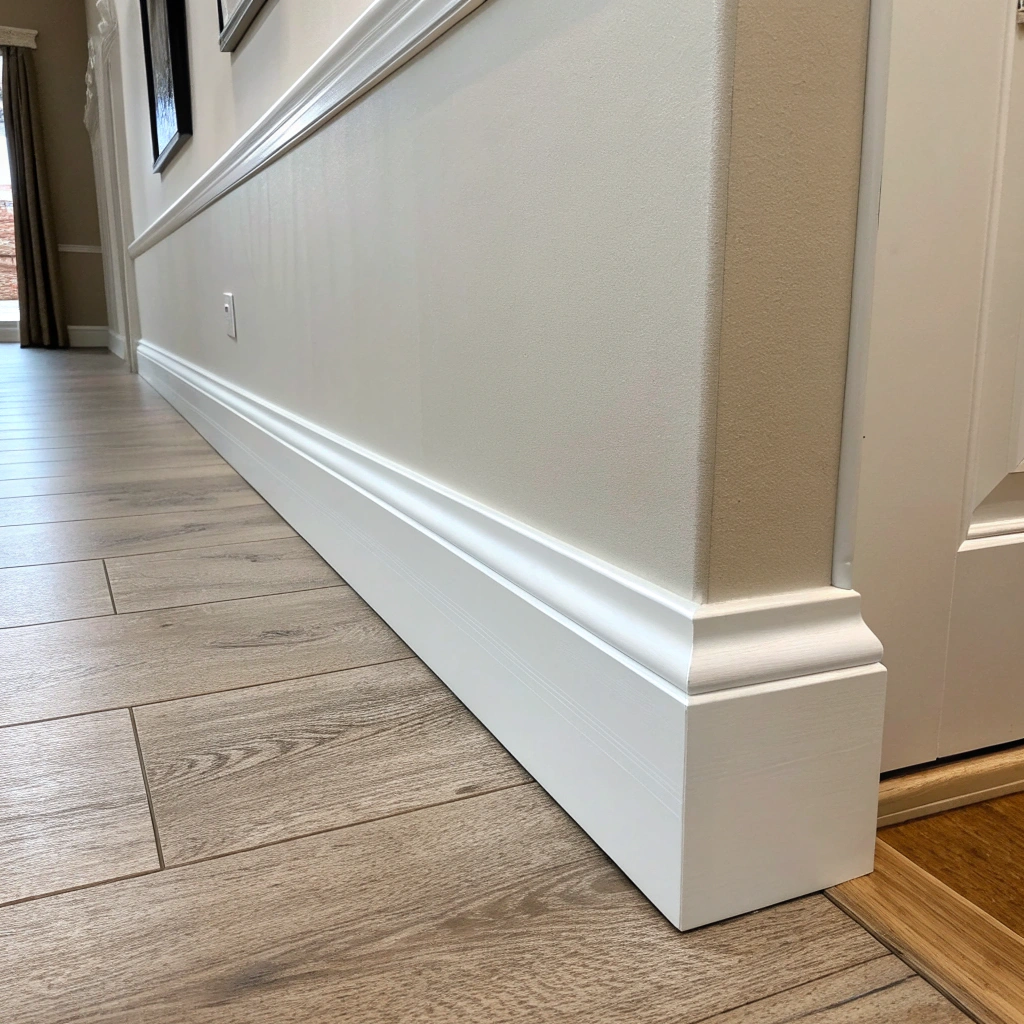
Skirting boards serve more than one function. They help cover construction gaps, especially in older or uneven buildings. When furniture bumps against walls, it’s the skirting board that takes the impact—not the paint or wallpaper. This protects both the wall and the look of the room.
Another reason is style. With clean lines and customizable designs, skirting boards contribute to the overall character of a space. In minimalist homes, slim and flat profiles are popular. In traditional homes, tall and ornate styles bring depth and elegance.
Skirting boards can also hide wiring or small plumbing work. This adds practicality without sacrificing looks.
Choosing skirting boards is like choosing the right frame for a picture. The right frame doesn’t steal attention—but without it, the picture feels unfinished.
Skirting boards only serve decorative purposes in modern homes.False
Skirting boards are both decorative and functional. They protect walls, cover gaps, and can hide wiring or pipework.
Skirting boards help protect walls from furniture damage.True
They act as a barrier between the wall and furniture, preventing scuffs and dents.
What materials are best for skirting boards?
Homeowners often choose the wrong skirting board materials without knowing the pros and cons of each.
The best materials for skirting boards are MDF, solid wood, and PVC—each suited for different needs and budgets.
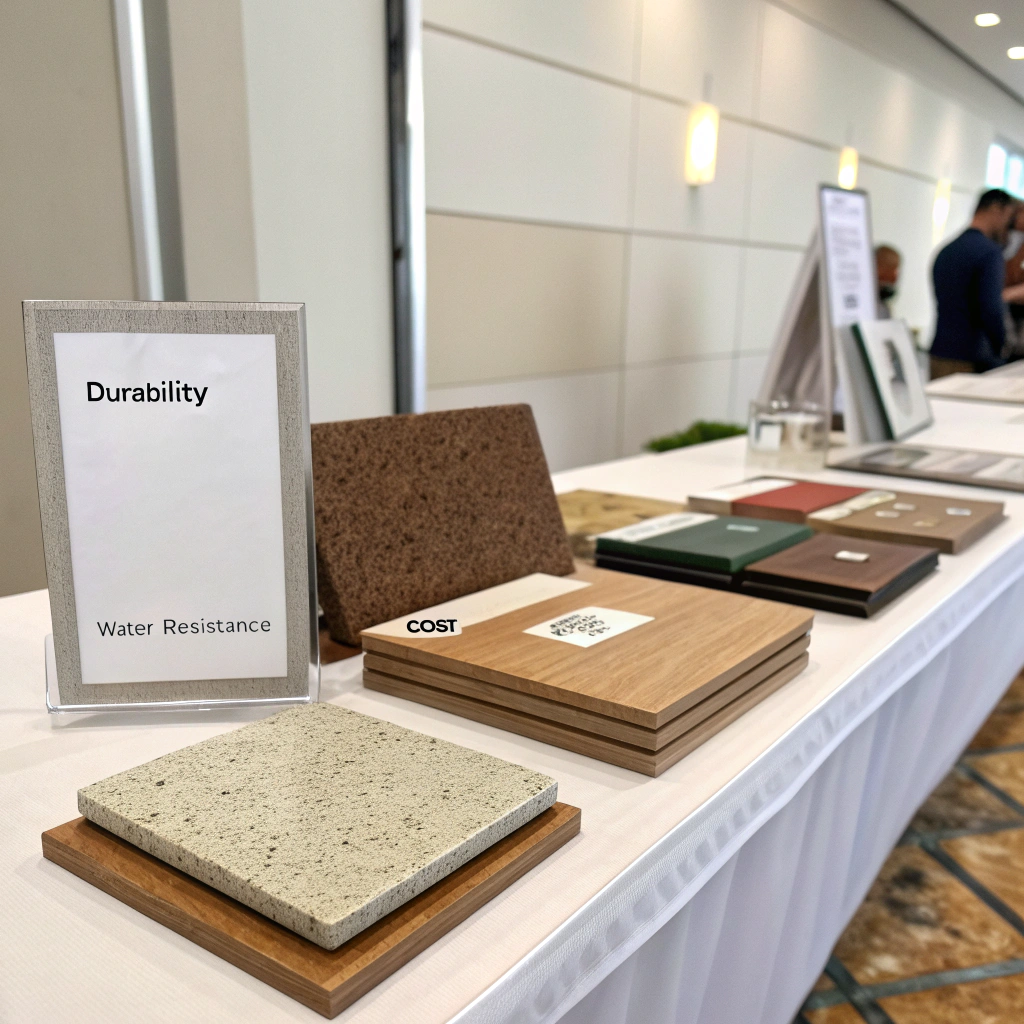
Each type of skirting board material offers its own set of advantages. Here’s a closer look:
MDF (Medium-Density Fibreboard)
This is one of the most common materials. It’s affordable, easy to paint, and resistant to warping. That makes it ideal for indoor use where moisture is controlled.
Pros:
- Smooth finish
- No wood grain, easy to paint
- Low cost
Cons:
- Not suitable for high-humidity areas
- Can dent if hit hard
Solid Wood
Solid wood skirting boards offer a natural, high-end look. They can be stained or painted, giving flexibility in design. Popular choices include oak, pine, and walnut.
Pros:
- Durable
- Elegant natural appearance
- Can be sanded and refinished
Cons:
- More expensive
- Can warp in humid conditions
PVC (Plastic)
PVC skirting boards are water-resistant, making them ideal for bathrooms or kitchens. They’re often used in commercial spaces too.
Pros:
- Water and mold resistant
- Easy to clean
- Durable in harsh conditions
Cons:
- Limited design options
- May look less natural
| Material | Durability | Water Resistance | Cost | Finish Options |
|---|---|---|---|---|
| MDF | Medium | Low | Low | High |
| Solid Wood | High | Medium | High | High |
| PVC | High | High | Medium | Low |
When choosing a material, consider the room environment. For example, MDF is great for bedrooms or living rooms, while PVC fits best in damp or high-traffic areas.
MDF skirting boards are the most water-resistant option available.False
PVC skirting boards are the most water-resistant. MDF can swell or warp in damp environments.
Solid wood skirting boards can be refinished multiple times.True
Unlike MDF or PVC, solid wood can be sanded and restained or repainted.
How to install skirting boards step by step?
Many people think installing skirting boards is a job only professionals can do. This stops them from trying it themselves.
You can install skirting boards with simple tools by following a step-by-step process that includes measuring, cutting, fixing, and finishing.
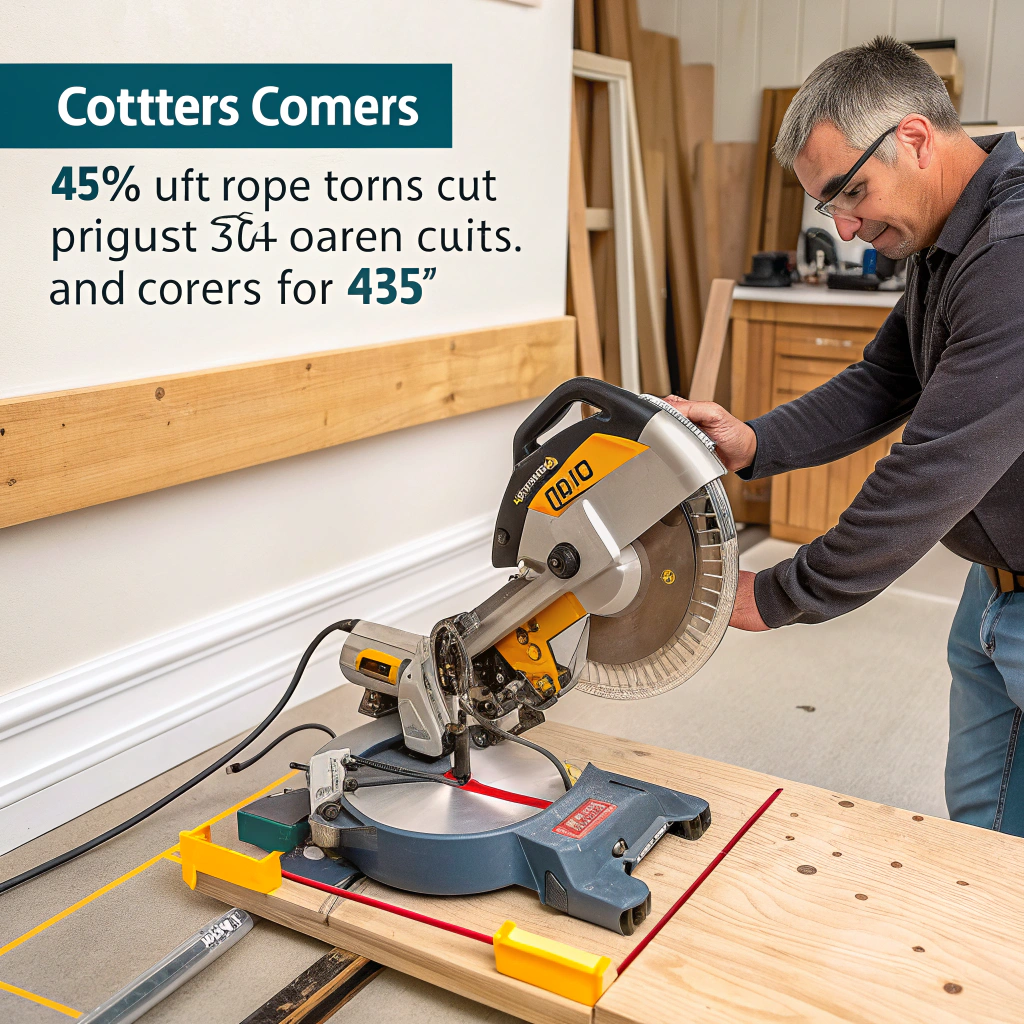
Installing skirting boards may sound complicated, but it’s very doable with the right approach. Here’s a breakdown of the process:
Tools You’ll Need:
- Tape measure
- Pencil
- Mitre saw or handsaw with mitre box
- Adhesive or screws
- Caulk gun
- Sandpaper
- Paint or finish
Step-by-Step Guide:
-
Measure the Walls
Measure the full length of each wall. Add 10% extra for mistakes and cuts. -
Cut the Boards
Use a mitre saw to cut 45° angles for corners. Inside corners need opposite cuts than outside corners. -
Test Fit Each Piece
Before securing anything, place the pieces against the wall to check the fit. -
Attach the Boards
Use adhesive or screws to fix boards to the wall. Press firmly so the board sticks flat. -
Fill the Gaps
Use caulk to fill any gaps between boards or between the board and the wall. -
Sand and Paint
Sand any rough edges. Then paint or finish as desired.
| Step | Tool Required | Tip |
|---|---|---|
| Measure walls | Tape measure | Add 10% for waste |
| Cut corners | Mitre saw | Label each cut piece |
| Fix to wall | Adhesive or screws | Use spirit level for straight lines |
| Finish | Paint, caulk | Let caulk dry before painting |
This process might take a full day for a large room, but it saves money. It also gives you the satisfaction of a job well done.
Using a mitre saw is necessary for cutting precise angles on skirting boards.True
Mitre saws help create clean, angled cuts for corners, which are essential for neat installation.
Caulking is not needed if the boards are installed correctly.False
Even well-installed boards can have small gaps that need caulking for a clean finish.
How to maintain and clean skirting boards?
Many people clean floors and walls regularly but forget skirting boards. Over time, this leads to dust buildup and stains.
To maintain skirting boards, clean them weekly with a damp cloth and inspect them monthly for damage or wear.
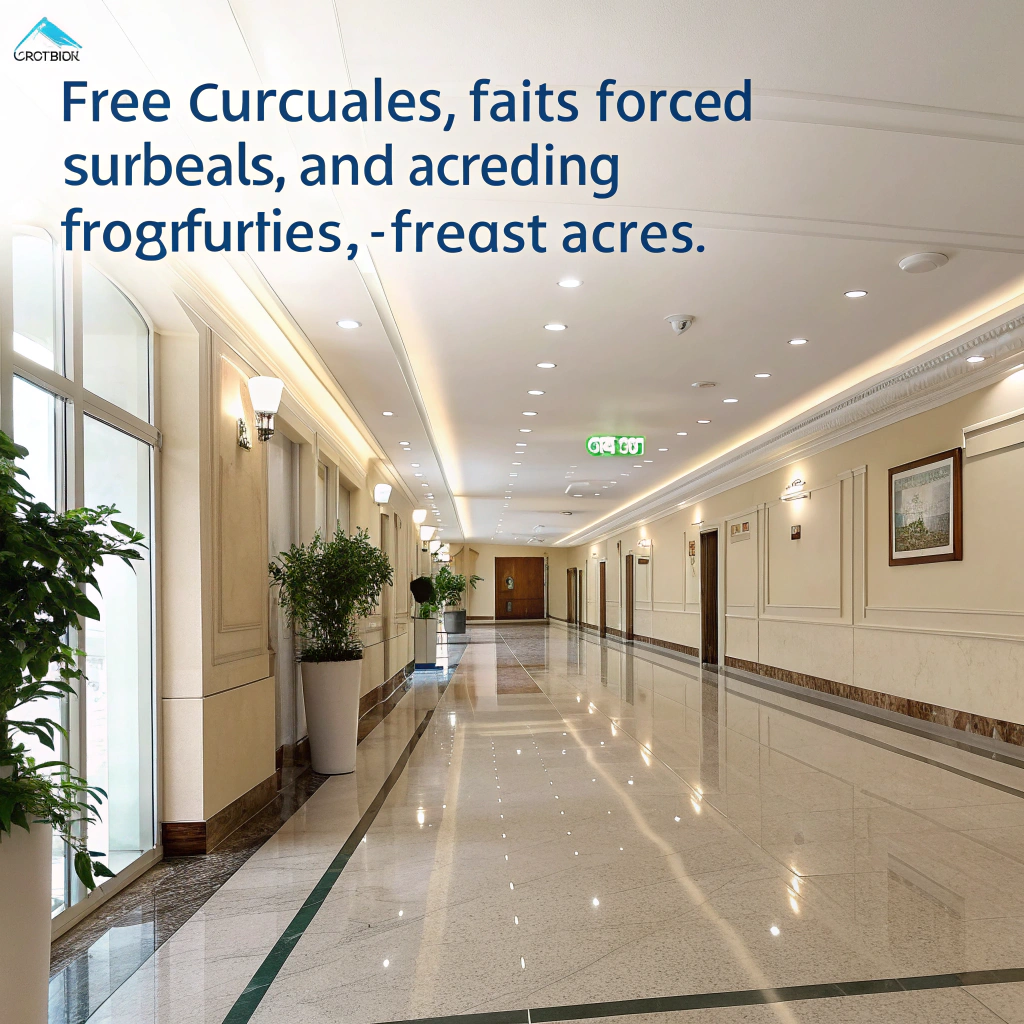
Skirting boards collect dust, pet hair, and scuffs faster than you might expect. Cleaning and maintenance don’t take much time, but they make a big difference in how clean your space feels.
Weekly Cleaning Routine
-
Dust First
Use a dry microfiber cloth or duster. Start from one end and move across. -
Wipe Down
Use a damp cloth with mild soap. Avoid soaking the board, especially MDF. -
Dry Thoroughly
Dry with a clean towel to avoid moisture damage.
Monthly Maintenance
-
Inspect for Damage
Look for cracks, chips, or peeling paint. -
Touch Up Paint
Use leftover paint to cover scratches. -
Recaulk if Needed
Check caulk lines and reapply if cracks form.
| Task | Frequency | Tool Needed |
|---|---|---|
| Dusting | Weekly | Microfiber cloth |
| Wiping | Weekly | Damp cloth with soap |
| Paint touch-up | Monthly | Small brush, matching paint |
| Caulk maintenance | Every 6 months | Caulk gun, filler |
If you have pets or live in a dusty area, increase your cleaning frequency. Keeping boards clean also extends their life, especially for MDF or painted wood types.
You should never use water to clean MDF skirting boards.False
You can use a damp cloth, just make sure it's not too wet. Avoid soaking.
Monthly inspections help catch damage early and extend skirting board life.True
Regular checks allow you to make small repairs before they become serious.
Conclusion
Skirting boards are more than decoration. They protect walls, improve design, and hide flaws. With the right materials, a simple installation, and easy maintenance, they bring long-lasting value to any home.