
What Is Decorative Metal Aluminum Trim Strip?

When surfaces look dull and unfinished, a small detail can change everything.
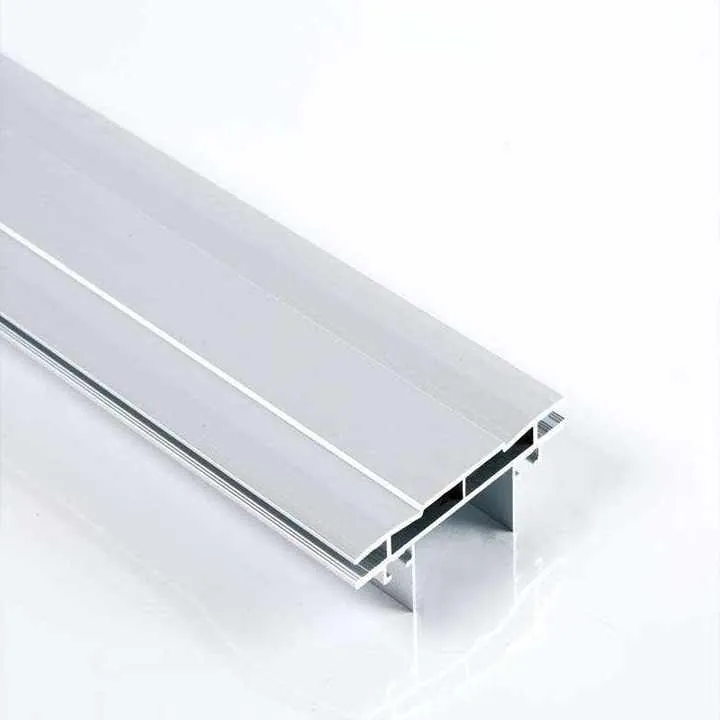
Decorative metal aluminum trim strips are thin, lightweight profiles that enhance the edges and transitions of surfaces with durability and a sleek look.
They are often the final touch that elevates a product or structure from ordinary to polished. But their benefits go far beyond looks.
What benefits do decorative metal aluminum trim strips offer?
When products or architecture appear flat or exposed, aluminum trim strips create clean lines and improve surface longevity.
Aluminum trim strips offer aesthetic enhancement, edge protection, corrosion resistance, and easy maintenance, making them both functional and visually appealing.
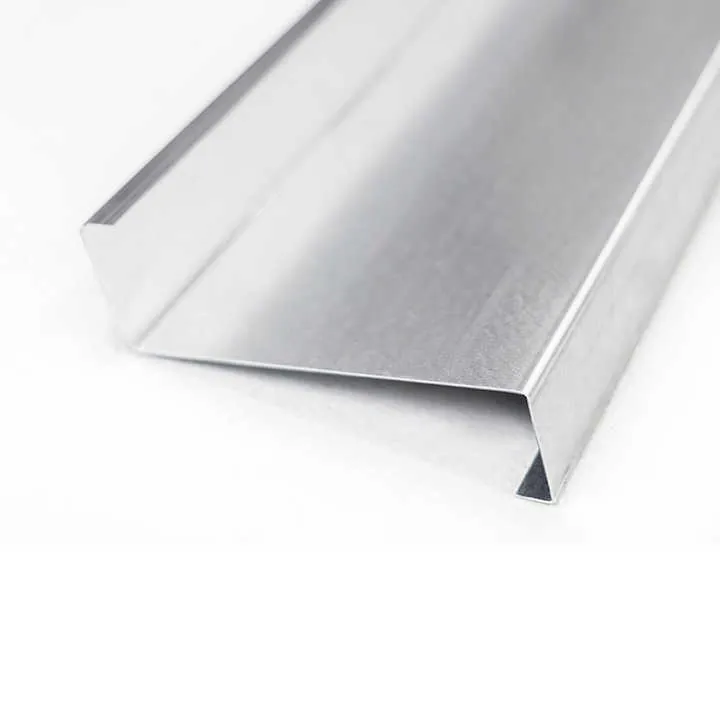
Decorative aluminum trim strips serve more than a visual purpose. They form a protective barrier between surfaces and the elements. For manufacturers like me, they are a top choice due to their blend of function and style.
Key Benefits of Aluminum Trim Strips
| Feature | Description |
|---|---|
| Appearance | Provides a modern, sleek, and refined finish |
| Durability | Resists corrosion, scratches, and dents |
| Lightweight | Easy to handle and install |
| Versatility | Suitable for interiors, exteriors, appliances, and furniture |
| Maintenance | Easy to clean and does not fade easily |
Use Cases in Real Products
Whether framing a glass panel or finishing off cabinet edges, aluminum strips deliver a tidy appearance. I’ve personally used them in customer projects ranging from office interiors to elevator door frames.
Aluminum trim strips only serve a decorative function.False
They provide both aesthetic value and physical protection against damage and wear.
Aluminum trim strips are durable and resist corrosion.True
Aluminum naturally resists rust and degradation, making it long-lasting.
How are aluminum trim strips installed properly?
Poor installation can lead to edge damage, uneven joints, and eventual failure.
To install aluminum trim strips correctly, you need accurate measurements, surface preparation, adhesive or fasteners, and alignment tools.

Proper installation starts with planning. I’ve learned the hard way that skipping surface prep can lead to future repair costs. So now, I always follow a precise method.
Step-by-Step Guide to Installation
1. Measure and Cut
- Use a measuring tape and marker.
- Cut with a miter saw or tin snips.
2. Clean the Surface
- Wipe off dust, grease, or oils.
- A clean surface helps adhesives bond properly.
3. Apply Adhesive or Fasteners
- Choose construction adhesive for permanent applications.
- Use screws for more mechanical strength.
4. Align and Secure
- Press the trim in place, ensuring no gaps.
- Use clamps if needed until adhesive sets.
Tools You’ll Need
| Tool | Purpose |
|---|---|
| Measuring tape | Ensures accurate dimensions |
| Saw or snips | Cuts trim to the right length |
| Adhesive or screws | Fixes the trim to surfaces |
| Level or guide bar | Ensures straight application |
I often use fast-drying adhesive for indoor projects. But when I work on commercial sites, mechanical fastening gives longer-lasting results.
You should skip surface cleaning if using screws.False
A clean surface ensures better contact and prevents corrosion, even with screws.
Correct measurement is essential for clean aluminum trim installation.True
Improper measurements lead to misaligned joints and gaps.
Can trim strips resist corrosion and wear?
If left unprotected, trim strips can corrode, stain, or wear out, reducing their appeal and function.
Aluminum trim strips resist corrosion due to their natural oxide layer and optional protective coatings like anodizing or powder coating.

Corrosion resistance is one of the main reasons I prefer aluminum over steel or plastic. With the right finish, these strips can last for decades.
How It Works
Aluminum reacts with air to form a thin oxide layer. This layer protects it from moisture and oxygen. Most manufacturers also apply additional coatings:
Types of Coatings
| Coating Type | Protection Level | Common Use |
|---|---|---|
| Anodized | High | Indoor/outdoor design trim |
| Powder-coated | Very High | Exterior cladding and panels |
| Brushed Finish | Moderate | Indoor furniture, appliances |
Real-World Durability
In a project I did for a customer in a coastal area, we used anodized trim strips around glass panels. Two years later, they still look brand new—no rust or stains.
Aluminum trim strips have a protective oxide layer that resists rust.True
This layer forms naturally and prevents rust even in humid environments.
Uncoated aluminum is more corrosion-resistant than anodized aluminum.False
Anodizing enhances corrosion resistance far beyond bare aluminum.
Where are metal trim strips commonly used in design?
Some people think metal trim strips are only for walls or furniture edges. That’s not true at all.
Metal aluminum trim strips are used in architecture, furniture, vehicles, signage, and interior decor for structure, style, and protection.
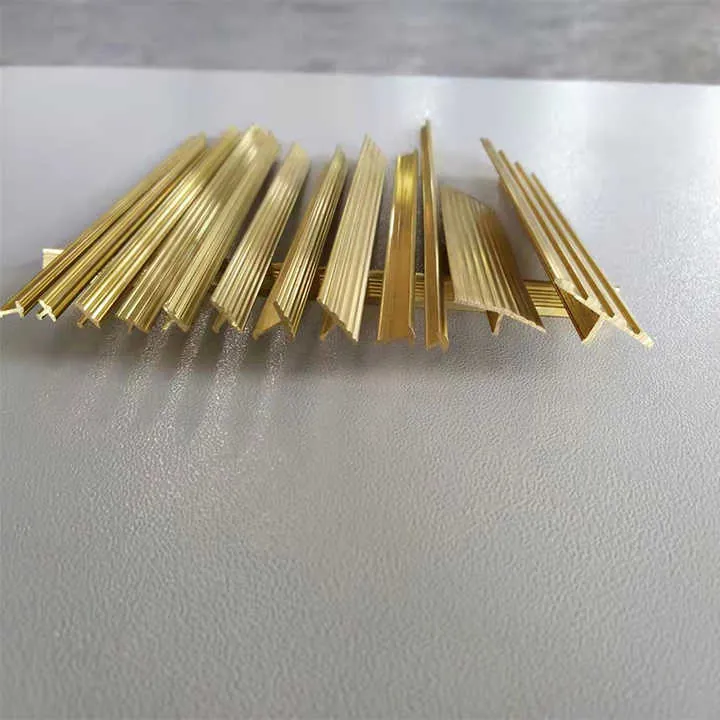
I’ve seen these strips used in ways that surprised me—from elevator doors to LED light housings. Their versatility is what makes them a favorite among designers.
Common Application Areas
1. Architecture
- Window and door frames
- Exterior panel transitions
- Stair edging
2. Furniture and Interiors
- Cabinet edges
- Wall panel transitions
- LED lighting strips
3. Automotive and Equipment
- Dashboards and door trims
- Machine panel edges
Why Designers Love Aluminum Trims
They’re available in many finishes, from glossy black to brushed silver. They complement almost any surface—glass, wood, stone, or plastic.
I once worked with a retail designer who used black anodized aluminum trims to outline display shelves. It made the product area look sleek and high-end.
Aluminum trim strips are only used indoors.False
They are used both indoors and outdoors, thanks to their weather resistance.
Metal trim strips can be used on wood, plastic, and glass surfaces.True
Aluminum trims bond well with multiple materials, making them highly adaptable.
Conclusion
Decorative aluminum trim strips do more than add a stylish finish—they protect edges, resist damage, and adapt to nearly any surface. For practical and beautiful results, they’re hard to beat.