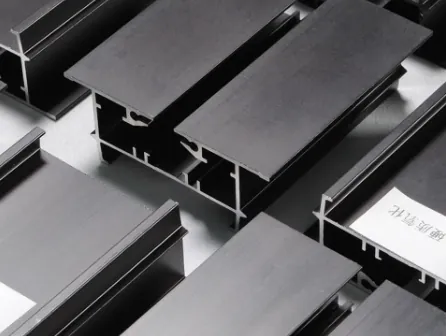
Which Aluminium is Best for Windows?
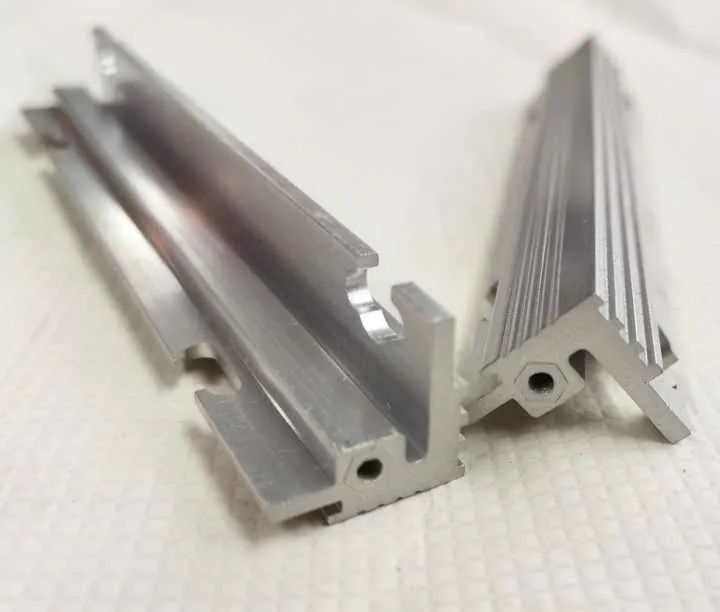
Most people think all aluminium window frames are the same. But choosing the wrong alloy can ruin your project’s durability, energy efficiency, or look.
6063 aluminium is the best choice for most residential and commercial window frames due to its smooth finish, corrosion resistance, and balanced strength.
Let’s explore how different alloys, surface finishes, and insulation technologies affect your aluminium window performance.
What Makes 6063 Ideal for Window Frames?
Aluminium frames look sleek, but not all aluminium types are good for windows. Picking the wrong alloy can mean cracks, corrosion, or warping under stress.
6063 aluminium is ideal for window frames because it offers a perfect balance of strength, extrudability, corrosion resistance, and finish quality.

6063 aluminium is one of the most widely used alloys in construction, especially for architectural applications like doors and windows. It belongs to the 6000-series, which means it contains magnesium and silicon—two elements that help the alloy form a strong, corrosion-resistant structure.
Key Features of 6063 Aluminium
| Feature | Explanation |
|---|---|
| Extrudability | Easily shaped into complex profiles, ideal for window designs |
| Surface finish | Smooth surface, supports anodizing and powder coating |
| Corrosion resistance | Forms a natural oxide layer, resists moisture and oxidation |
| Mechanical strength | Suitable for moderate load-bearing applications |
| Thermal compatibility | Compatible with thermal break systems for energy efficiency |
Most suppliers offer 6063 in T5 or T6 tempers, which are heat-treated versions. These tempers increase its hardness and strength without losing formability. This means your windows stay straight, resist wind loads, and last for decades.
Many architects and contractors prefer 6063 because it strikes the best compromise between aesthetics and function. It’s especially suited for anodized finishes, which require uniform, clean surfaces.
6063 aluminium is commonly used because it balances strength and aesthetics.True
6063 alloy is preferred in architecture due to its ideal mix of mechanical performance, corrosion resistance, and smooth surface finish.
7075 aluminium is better than 6063 for window frames because it's stronger.False
While 7075 is stronger, it's too difficult to extrude and overkill for window applications. 6063 is better suited for profiles.
Is Thermally Broken Aluminium Better for Insulation?
Standard aluminium windows feel cold in winter and hot in summer. That’s because aluminium conducts heat very well—great for pots, terrible for insulation.
Thermally broken aluminium is significantly better for insulation because it includes a non-metal barrier that reduces heat transfer across the frame.

A thermal break is a non-conductive barrier—often polyamide—inserted between the inner and outer aluminium parts of a window frame. This barrier disrupts the direct flow of heat or cold through the metal, drastically reducing thermal bridging.
Comparison of Thermal Performance
| Frame Type | U-Value (Lower = Better Insulation) |
|---|---|
| Non-thermally broken | 6.0 – 7.0 W/m2K |
| Thermally broken | 1.3 – 2.0 W/m2K |
| PVC window | 1.2 – 1.8 W/m2K |
This makes thermally broken aluminium competitive with uPVC in energy efficiency, while keeping the strength and slim profiles aluminium is known for. These windows also reduce condensation on the inside, which helps prevent mold growth on window sills.
Thermally broken frames cost more upfront, but they save money over time in reduced heating and cooling bills. They are especially recommended in places with big seasonal temperature swings.
Thermally broken aluminium frames improve window insulation by reducing heat transfer.True
The polyamide barrier inside thermally broken frames stops direct metal-to-metal contact, improving energy efficiency.
Non-thermally broken aluminium windows are better in cold climates.False
Without a thermal break, aluminium conducts cold into the building, worsening energy performance in winter.
How Does Aluminium Grade Affect Window Durability?
Some windows last decades. Others warp, crack, or corrode in just a few years. The hidden reason? The aluminium grade.
Higher aluminium grades offer better strength, corrosion resistance, and finish quality—key factors in window durability.
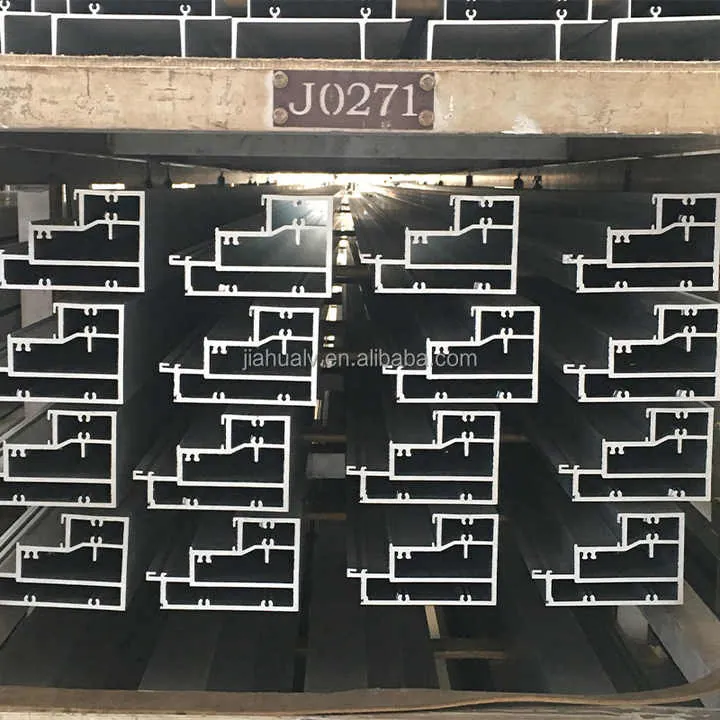
Different aluminium grades (or alloys) have different compositions and properties. For windows, the most common are from the 1000, 5000, and 6000 series.
Common Aluminium Grades for Windows
| Alloy | Strength | Corrosion Resistance | Typical Use |
|---|---|---|---|
| 6063 | Medium | Excellent | Residential windows, curtain walls |
| 6061 | High | Good | Industrial windows, heavy-duty |
| 5005 | Low–Medium | Very good | Decorative panels, facades |
| 1100 | Low | Excellent | Limited structural use |
6063 is the standard for windows due to its extrusion performance and smooth surface. But for taller buildings or wider spans, 6061 is used. It has higher strength, though it’s harder to finish smoothly.
Low-grade alloys or recycled blends may not meet the standards for wall thickness, hardness, or corrosion resistance. These frames may warp under wind loads, fade under sunlight, or pit near the ocean.
When evaluating suppliers, always ask for the exact alloy and temper (e.g., 6063-T5). Also check if they comply with ISO or ASTM standards.
Choosing the wrong aluminium grade can reduce the lifespan of your windows.True
Low-grade or misused aluminium may warp, rust, or fail under stress, especially in extreme weather.
All aluminium grades perform equally in window applications.False
Different alloys have different mechanical and corrosion properties. Not all are suitable for structural use.
What Surface Finishes Are Best for Aluminium Windows?
Aluminium may resist rust, but unfinished frames can still oxidize, stain, or fade over time. That’s where surface finishes come in.
The best finishes for aluminium windows are anodizing, powder coating, and PVDF coating—each offering protection and style.

Each finish method changes the aluminium surface to improve its appearance, protect it from the elements, and extend its service life.
Types of Aluminium Surface Finishes
| Finish Type | Benefits | Ideal Use |
|---|---|---|
| Anodizing | Metallic look, hard surface, corrosion-resistant | Modern buildings, high-rise |
| Powder coating | 200+ colors, UV resistance, matte/glossy options | Homes, commercial facades |
| PVDF coating | Superior weatherability, fade-resistant, luxury finish | Coastal or high-sun environments |
| Wood-grain print | Warm look, zero maintenance, aesthetic flexibility | Residential, traditional design |
Anodizing enhances natural aluminium with a durable oxide layer. It’s best for achieving a metallic finish and resisting wear. However, it offers fewer color options.
Powder coating gives more color control and a thicker protective layer. It’s commonly used in both residential and commercial projects.
PVDF (polyvinylidene fluoride) coating is the most weather-resistant. It’s expensive but lasts longest, making it ideal for harsh climates or premium buildings.
Wood-grain finishes simulate timber, giving a classic look without the maintenance of real wood. These are applied over powder coating through heat transfer.
Powder coating provides more color choices than anodizing.True
Powder coating offers hundreds of colors and textures, while anodizing is limited to metallic tones.
Anodizing is the best option for color variety in aluminium windows.False
Anodizing has limited color options compared to powder and PVDF coatings.
Conclusion
6063 aluminium remains the most balanced choice for modern windows, combining ease of manufacturing, good strength, and a premium finish. When combined with a thermal break and durable surface finish, aluminium windows can meet both performance and design needs for any project.